Photos from the Field – Summer Bat Count

Wildlife Biologist
Posted on
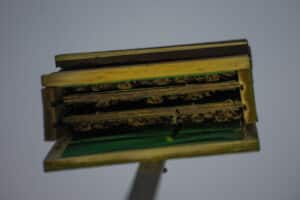
Every summer, volunteers across New Jersey spend their evenings watching the skies as bats emerge from their roosts. Through the Summer Bat Count, these observations help us better understand the status of New Jersey’s bat populations.
The Summer Bat Count is a volunteer-driven program led by the Conserve Wildlife Foundation of New Jersey and the New Jersey Endangered and Nongame Species Program (ENSP). Volunteers monitor known summer bat roosts such as attics, barns, bat houses, and churches, and count the number of bats that emerge at dusk.
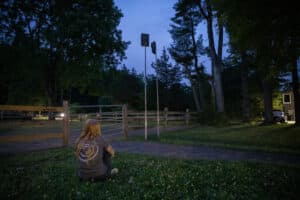
These surveys provide valuable information about where bats are found, the types of roosts they use, population trends over time, and reproductive success. Volunteers complete four surveys each summer -two between May 15 and June 21 (before the pups fly), and two between July 6 and July 31 (once pups start flying) while avoiding nights with rain, low nighttime temperatures, and high winds.
Long-term monitoring has become especially important since the arrival of White-nose Syndrome, the disease that has devastated bat populations throughout North America. Several of our Summer Bat Count sites were being monitored before White-nose Syndrome reached New Jersey, allowing us to document population trends over time. Encouragingly, last summer we recorded increases at several colonies, particularly those of the little brown bat, an exciting sign that some populations may be beginning to recover.

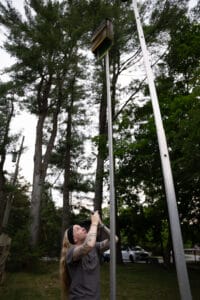
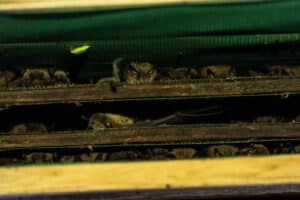
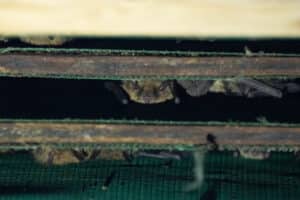
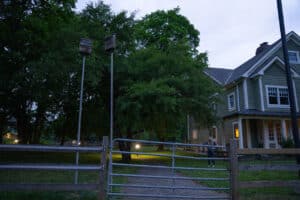
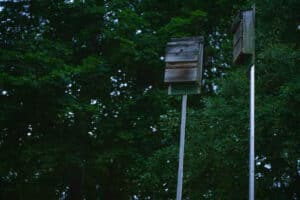
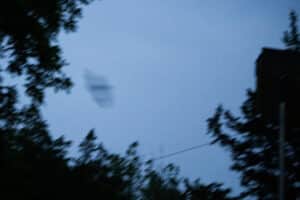
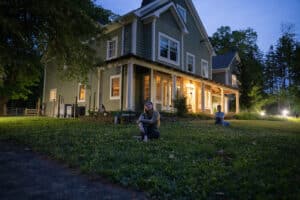
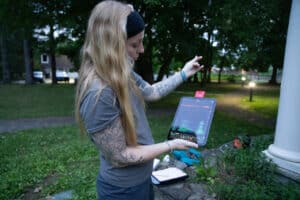
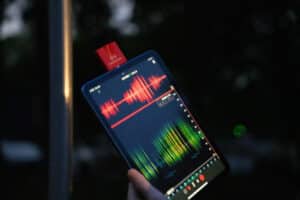
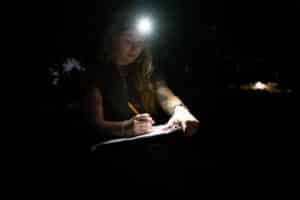
These awesome photographs were taken by photographer Jo Arlow, captured during a Summer Bat Count survey at Pony Power Therapies in Mahwah, New Jersey. The images offer a behind-the-scenes look at an evening in the field and one of the bat houses that has helped us track New Jersey’s bats through years of change.
Discover more from Conserve Wildlife Foundation of NJ
Subscribe to get the latest posts sent to your email.
Leave a Comment
Very interesting. We used to have a lot of bats in the air starting at dusk. We have noticed there are not nearly as many now. We live in Somerset County, on the Millstone River. We have no exterior lights, but our neighbors have. I have asked them to turn off the lights if they are at home.
Comments are closed.