Using Light Lures to Improve Bat House Success Along Utility Rights-of-Way
Posted on
Installing bat houses along utility rights-of-way can seem like a natural fit, these open, linear corridors often provide ideal flyways for bats and can support abundant insect life. However, getting bats to actually use those structures is another story. Even with thoughtful placement and a variety of bat house designs, occupancy is never guaranteed.
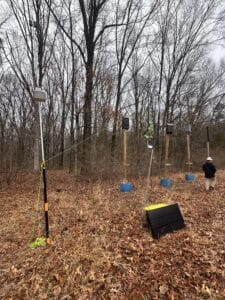
Last year, EPRI, DuBois Environmental Consultants, and First Energy Corp installed bat houses along FirstEnergy rights-of-way, with multiple designs grouped together to increase the chances of success. To better understand how bats were interacting with these sites, acoustic monitoring devices were also deployed. The acoustic data confirmed that bats were actively using these corridors for foraging and movement, highlighting that the habitat itself was suitable.
However, guano collected in catchers beneath the bat houses told a different story, only a small number of structures showed signs of use. This disconnect suggested that while bats were present in the area, they were not consistently selecting the installed bat houses as roost sites.
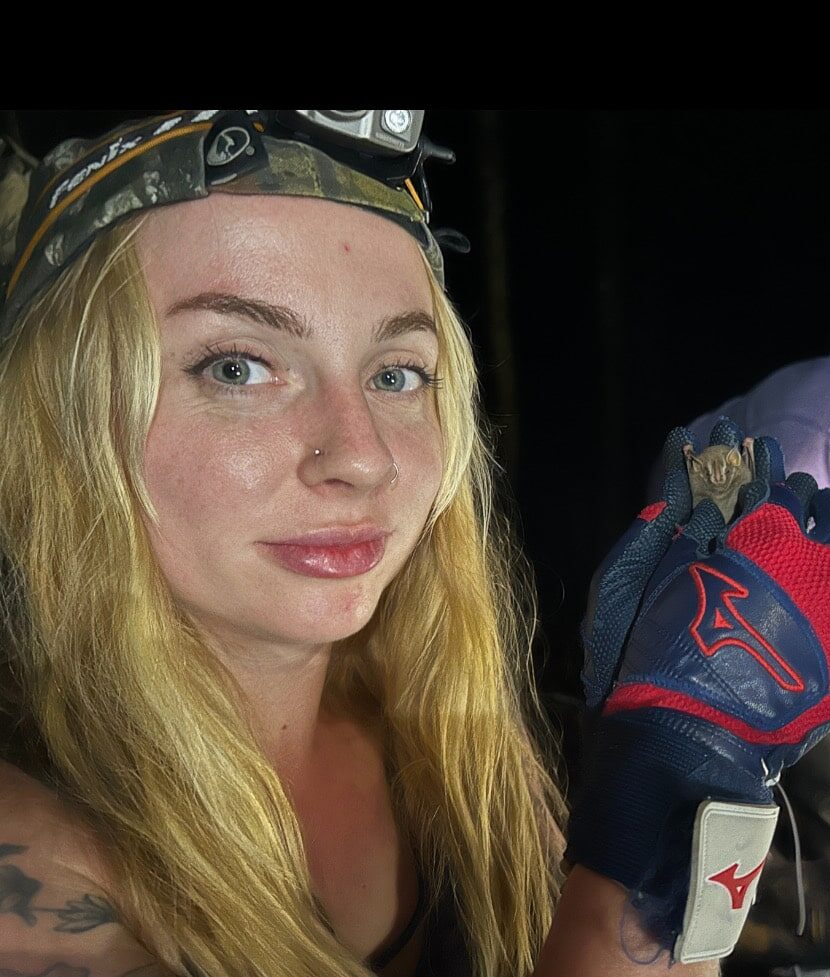
To address this challenge, this year’s project introduced an experimental approach, UV light lures. Installed at 8 of the 16 existing bat house clusters, these devices emit specific wavelengths of light that attract insects. The idea is by increasing insect abundance near the bat houses, bats may be drawn in more frequently to forage, increasing the likelihood that they explore and eventually use the nearby roost structures. The Conserve Wildlife Foundation of New Jersey was invited to join this effort due to my prior experience installing and deploying light lures in a previous role, which brought valuable expertise to the project’s design and implementation.
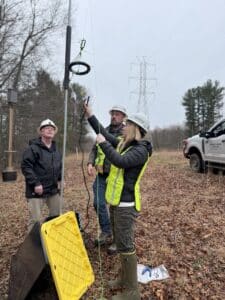
The remaining 8 clusters were left without light lures, creating a comparison between “treatment” and “control” sites. This setup will allow us to evaluate whether boosting foraging opportunities near bat houses can influence bat activity levels and ultimately improve occupancy rates.
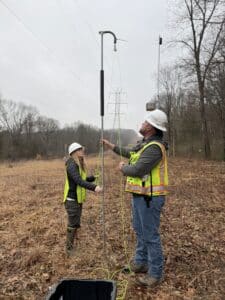
This project reflects a growing understanding that successful bat conservation often requires more than just installing structures, it involves creating the right ecological context. By pairing roosting opportunities with enhanced foraging conditions, we may be able to make these human-made habitats more appealing and effective for bats.
As monitoring continues, the results of this work could help inform future efforts not only along rights-of-way, but in other landscapes where bat house success has been limited.
Discover more from Conserve Wildlife Foundation of NJ
Subscribe to get the latest posts sent to your email.
Leave a Comment
Terrific example of using the scientific process with hypotheses. Well done!
Comments are closed.