Marine Mammal & Sea Turtle Week (Part 4 of a 5-part Series)

With Memorial Day Weekend upon us, summer is unofficially here for New Jerseyans. That means plenty of tourists enjoying shore, sand, surf, and sun – but it also means other types of annual summer visitors to our coast: bottlenose dolphins, sea turtles, and whales. However, what may be inspiring sightings from a healthy distance can become tragic encounters when marine animals become stranded or entangled in nets.

This story marks the fourth of five blog stories spotlighting New Jersey’s marine mammals and sea turtles – and educating people how to help animals in need, rather than make a bad situation worse.

Part 1, on Monday, revealed the bottlenose dolphin die-off striking the Eastern Seaboard. Part 2, on Tuesday, featured a Question-and-Answer on the dolphin mortality event with NOAA’s MendyGarron. Part 3, yesterday looked at how people can safely help stranded marine mammals without making the mistake of being a “hero”. And Part 5, tomorrow, will reveal the importance of reporting sightings – both for live or dead marine mammals.


MARINE MAMMAL & SEA TURTLE WEEK: Sea turtles navigate a dangerous path, from entanglements to cold-stunning

By Sara DeAngelo, Conservation Intern

Over 100 first responders along the coast of New Jersey attended Conserve Wildlife Foundation’s marine mammal stranding workshops this past month. Speakers and interactive discussions educated the first responders on how to handle a marine mammal or sea turtle stranding.CWFseaTurtle_2014edit
The term “stranding” is used for sea turtles and marine mammals that are found along the beach dead or alive. Their death or injury may be resulting from a predator, parasites, pollution, entanglement, etc. In most stranding cases, the cause of the animal stranding itself is unknown. Determining the cause of the animal stranding will help us understand what is going on in the ocean that may be harmful to certain populations.

Sea turtles, however, face a unique set of challenges. We have four species of sea turtles that may be found in New Jersey waters during the summer. Loggerheads are the most common, while green sea turtles and Atlantic leatherbacks – massive creatures weighing as much as a small car – are less frequently seen but not uncommon. Kemp’s Ridley sea turtles are the rarest visitors.

Most of these sea turtles come to New Jersey during the summer months and enjoy the warmer waters. Yet when our seasons change and the waters cool, some sea turtles may lag behind rather than returning south for warmer waters. These turtles can face “cold stunning”.

In colder waters, sea turtles do not have the capability of warming their own bodies. If a turtle is cold stunned, it looks as if it is dead because its heart rate decreases, it becomes lethargic, circulation decreases, and it may be in shock or have pneumonia.

This condition can even result in a common mistake of a passerby or first responder believing a turtle is dead, when it is actually just “cold-stunned”. Unless the sea turtle clearly looks like it has been dead for a while, it is best to report the turtle to a marine mammal and sea turtle stranding hotline.
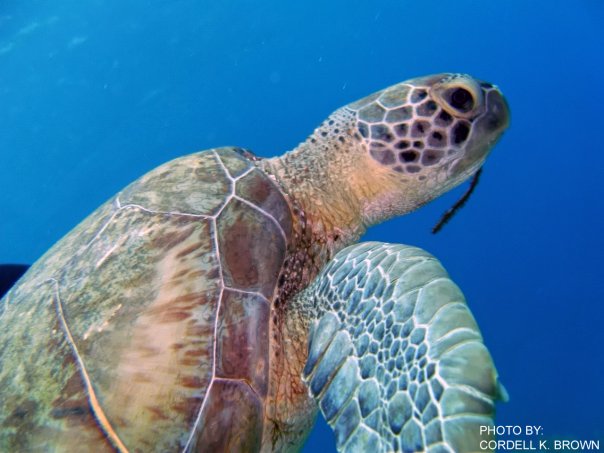
A green sea turtle. Photo by Cordell Brown.

Sea turtles can also get entangled in fishing nets. At the Conserve Wildlife Foundation workshops this month, first responders were informed to, upon sighting of an entangled or stranded animal, immediately call the Marine Mammal Stranding Center located in Brigantine, NJ, by calling 1-609-266-0538. They could also contact NOAA’s Northeast Region Marine Mammal and Sea Turtle Stranding and Entanglement Hotline by calling 1-866-755-6622.

Boaters who encounter an entangled sea turtle should try to remain near the turtle until help arrives if possible. On shifting seas, it could be hard for the expert responding to the call to locate the animal without the initial person spotting it standing by to direct them there.

One warning was made very clear in the workshop: boaters should never get into the water with a sea turtle or stranded marine mammal. It is extremely dangerous for both the responder and for the animal.

Should the sea turtle be on the beach itself, other tips are helpful for the first responders. While waiting for the trained rescue staff, the first responders were urged to secure the scene, try to keep people at least 100 feet away, and not to touch the animal. Keeping curious beachgoers distant from the animal will minimize stressing out the animal even more. The responders were told that calling the local police department may help enforce the directions to keep back from the animal.


A Kemp's ridley turtle. Photo courtesy of Jenkinson's Aquarium.
A Kemp’s ridley turtle. Photo courtesy of Jenkinson’s Aquarium.

ADDITIONAL LINKS


Marine Mammal & Sea Turtle Week (Part 3 of a 5-part Series)

With Memorial Day Weekend upon us, summer is unofficially here for New Jerseyans. That means plenty of tourists enjoying shore, sand, surf, and sun – but it also means other types of annual summer visitors to our coast: bottlenose dolphins, sea turtles, and whales. However, what may be inspiring sightings from a healthy distance can become tragic encounters when marine animals become stranded or entangled in nets.

This story marks the third of five blog stories spotlighting New Jersey’s marine mammals and sea turtles – and educating people how to help animals in need, rather than make a bad situation worse.

Part 1, on Monday, revealed the bottlenose dolphin die-off striking the Eastern Seaboard. Part 2, yesterday, featured a Question-and-Answer on the dolphin mortality event with NOAA’s Mendy Garron. Part 4, tomorrow, will investigate the fascinating condition of cold-stunned sea turtles. And Part 5, on Friday, will reveal the importance of reporting sightings – both for live or dead marine mammals.


MARINE MAMMAL & SEA TURTLE WEEK: Encounter a stranded marine mammal? Here’s how to help (Hint: Don’t try to be a hero!)

By Jennifer Dexter, Conservation Intern

Last year, over 150 marine mammal strandings occurred in New Jersey, ranging from humpback whales to harbor seals.

In order to better prepare first responders and the general public for such incidents, Conserve Wildlife Foundation of NJ hosted the NJ Marine Mammal Stranding Workshop. For me, the biggest take home message I retained from attending this workshop was a clear one: “Don’t be the hero!”

Keeping people and their pets away from stranded marine mammals is for their safety as well as the animal's. Photo by Mike Davenport.
Keeping people and their pets away from stranded marine mammals is for their safety as well as the animal’s. Photo by Mike Davenport.

Everyone has good intentions when they attempt to ”rescue” a marine mammal stranded on the beach, but often you may be doing more harm than good. Usually, there is a good reason why the animal washed ashore, whether it be injuries or illness at fault. If you simply return the animal to the ocean, it’s likely that they will just become stranded again.

The same goes for animals in danger at sea, such as a turtle entangled in fishing nets. DO NOT go all gung-ho by jumping in the water in attempt to cut the turtle free, as you are putting the animal and yourself in danger.

Close human interaction will put the already stressed animal in defense mode. Sea turtles, such as the leatherback, can weigh more than 1,000 pounds and one thrash of their flipper can leave a human severely injured. In addition, a human can just as easily become entangled in the netting so it’s best to remain on your boat, safe out of harm’s way.

The best and most helpful thing a witness can do in New Jersey is to immediately call the Brigantine Marine Mammal Stranding Center (609-266-0538) and provide the following information: description of the animal, photograph from a distance, location, and description of any injuries.

Most importantly, do not touch, feed, pour water on, or cover the animal. Stand by until a MMSC staff member or local police is dispatched. From that point on, it will be up to the MMSC and the authorities to assess what measures need to be taken based on the animal’s needs. You can walk away knowing you did the right thing – and helped the animal as much as you could.


Marine Mammal & Sea Turtle Week (Part 1 of a 5-part series)

With Memorial Day Weekend upon us, summer is unofficially here for New Jerseyans. That means plenty of tourists enjoying shore, sand, surf, and sun – but it also means other types of annual summer visitors to our coast: bottlenose dolphins, sea turtles, and whales. However, what may be inspiring sightings from a healthy distance can become tragic encounters when marine animals become stranded or entangled in nets.

This story marks the first of five blog stories spotlighting New Jersey’s marine mammals and sea turtles – and educating people how to help animals in need, rather than make a bad situation worse.

Part 2, on Tuesday, will feature a Question-and-Answer on the dolphin mortality event with NOAA’s Mendy Garron. Part 3, on Wednesday, will look at how people can safely help stranded wildlife. Part 4, on Thursday, will investigate the fascinating condition of cold-stunned sea turtles. And Part 5, on Friday, will reveal the importance of reporting sightings – both for live or dead marine mammals.


MARINE MAMMAL & SEA TURTLE WEEK: Dolphin die-off kills over 1,000 bottlenose dolphins along Atlantic coast

By David Wheeler, Executive Director of Conserve Wildlife Foundation of New Jersey

At least 136 bottlenose dolphins became stranded in New Jersey over the past year. Most of the strandings were fatal, and many dolphins showed lesions and other infections. Over 1,200 dolphins have stranded along the entire Eastern seaboard – a situation bleak enough that the National Oceanic and Atmospheric Association (NOAA) declared an Unusual Mortality Event.

Bottlenose dolphin. Photo by Cordell K. Brown.
Bottlenose dolphin. Photo by Cordell Brown.

The cause is Cetacean morbillivirus. About half of coastal migratory bottlenose dolphins are affected, leading to this stock’s federal classification as ‘Depleted’ under the Marine Mammal Protection Act. Bottlenose dolphins were already considered species of special concern in New Jersey, and this only further threatens their population.

In stark contrast with the 136 dolphins stranded in New Jersey since last July 1, the average number of strandings in the state for a given year is 10.

The last major morbillivirus mortality event among bottlenose dolphins occurred in 1987-88, which ultimately helped lead the U.S. Congress to establish the Marine Mammal Health and Stranding Response Program.

The dolphin virus was among the issues discussed atConserve Wildlife Foundation’s inaugural marine mammal stranding workshops last month at Monmouth University and Richard Stockton College.

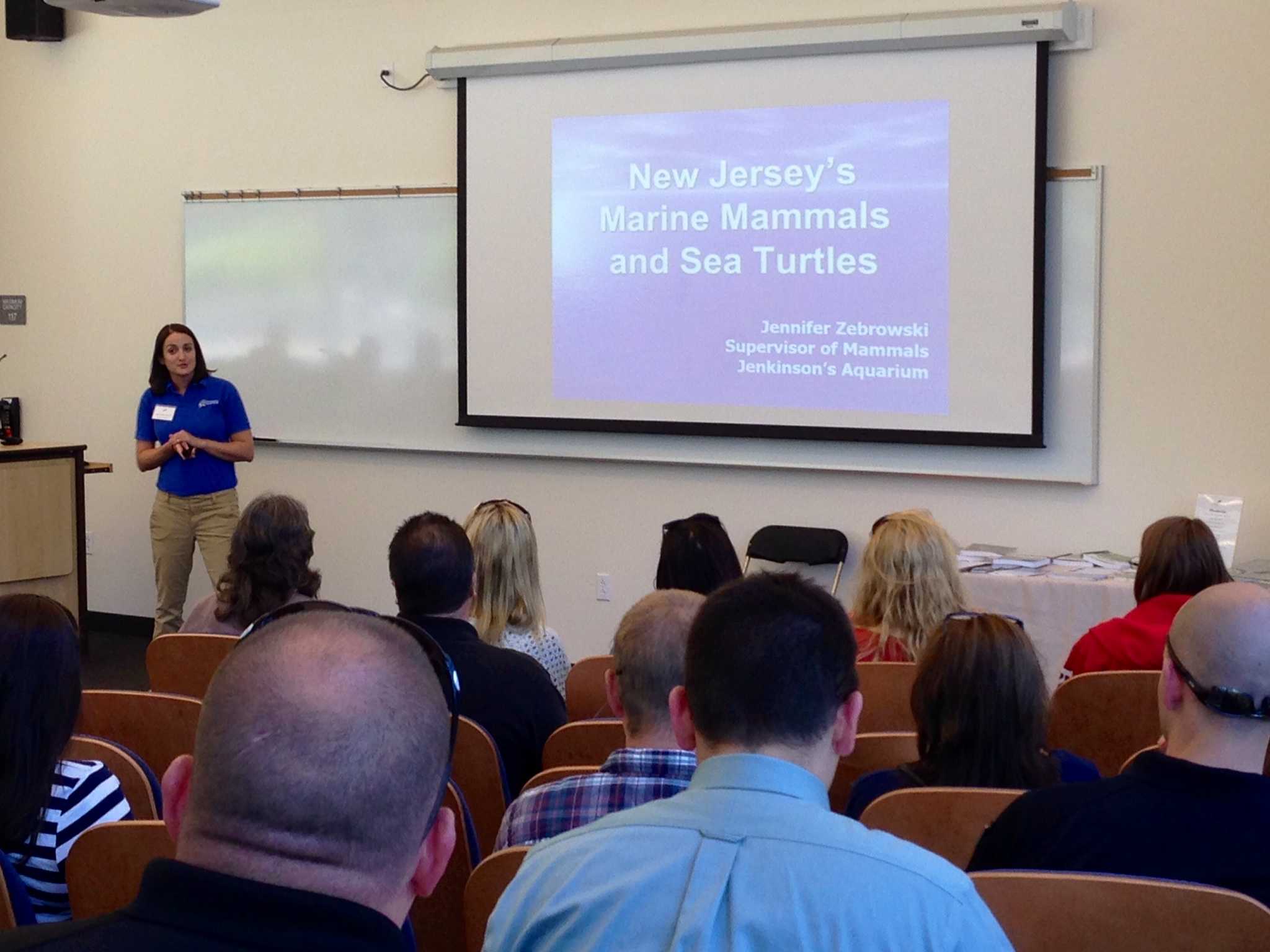
Speakers at our recent stranding response workshops led interactive discussions to educate first responders on how to handle marine mammal and sea turtle strandings. Jen Zebrowski from Jenkinson’s Aquarium educated responders on how to identify some 13 species of marine mammals and 5 sea turtles they might encounter on the New Jersey coast. Mendy Garron, Kate Sampson and Scott Doyle from NOAA explained what a responder should do once they encounter the animal, how to make the situation safe, and the legal obligations facing first responders with a stranding.

Now we enter this summer hoping that cetacean morbillivirus will not claim nearly as many dolphins this year. Keep your fingers crossed!

Jen Zebrowski from Jenkinson’s Aquarium providing an overview of NJ's marine mammal & sea turtle species at CWF's recent stranding response workshop at Stockton College. Photo by Stephanie Feigin.
Jen Zebrowski from Jenkinson’s Aquarium providing an overview of NJ’s marine mammal & sea turtle species at CWF’s recent stranding response workshop at Stockton College. Photo by Stephanie Feigin.

Helpful Links:

Bottlenose Dolphin Field Guide

NOAA Unusual Mortality Event page for Bottlenose Dolphin Morbillivirus

NOAA Marine Mammal Stranding page

Marine Mammal Stranding Center, Brigantine, New Jersey

Jenkinson’s Aquarium

In the News: CWF works with businesses for a healthier Barnegat Bay

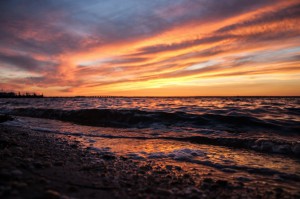
Sunset on Barnegat Bay (c) Greg Molyneux

Conserve Wildlife Foundation’s inaugural Barnegat Bay Business Forum brought together a diverse mix of businesses, government representatives, and conservation advocates to discuss how to strengthen the watershed’s recovery. An article by the Asbury Park Press captures many of the challenges faced by the Barnegat Bay.

Read the article.

“A Birder’s Guide to Everything” Special Screening and Meet the Director Event

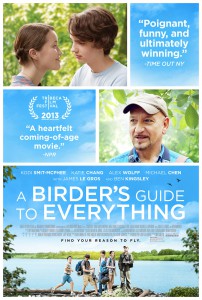
tumblr_n0ufsohYAm1rwqh7io1_1280“Absolutely anyone can be a birder.” says Ben Kingsley in the new movie, A Birder’s Guide to Everything, directed by Rob Meyer, a coming of age comedy about teenage bird watchers.
This main-stream movie is an important public engagement tool to raise awareness for the conservation of birds and to hopefully excite some people into picking up a set of binoculars and start the addicting hobby of bird watching.

The Fledging Birders Institute will be hosting a special screening and meet the director event on Thursday, April 24th at the AMC Deptford 8 Theatre in Deptford, NJ beginning at 6:30 pm.

More info, and to purchase tickets, can be found here.


Go Wild for Art!

D & R Greenway exhibit brings wildlife to life

By Jen Smith, CWF Outreach Intern

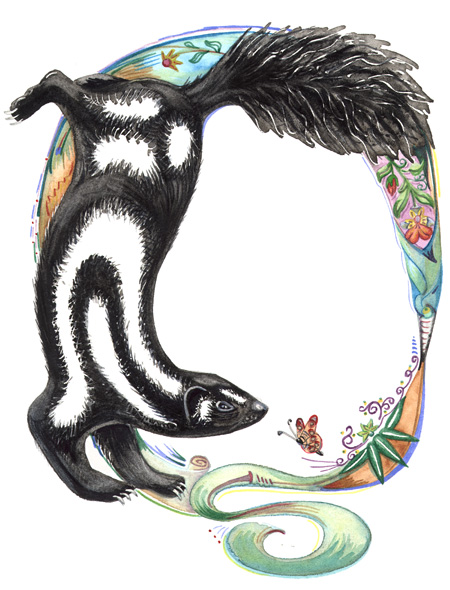
Annelies van Dommelen, Q

The D&R Greenway Land Trust’s “Wild Creatures: 40 Years of Protecting Endangered Species” exhibit is being featured at the Johnson Education Center in Princeton, NJ.  It is a vivid art-viewing experience that celebrates the U.S. Endangered Species Act and the wildlife it has sought to protect since its inception.

But time is running out to catch this unique blend of science and art!

“The response to the exhibit has been overwhelmingly positive with visitors who are simultaneously delighted by the whimsical creatures, reverent of their noble struggle, and inspired by the recovery efforts undertaken across the globe to save them,” said Diana Moore, curator for the exhibit.

Eight local artists were featured for their work, including Tricia Zimic’s foreboding mobile entitled “A Cautionary Tale.” Henslow sparrows, a Bobolink, and a Peregrine Falcon struggle in an all-to-lifelike storm of fishing wire, plastic and debris. Annelies van Dommelon’s playful yet informative work is also not to be missed. Filling up an entire room with her breathtaking “Bestial Alphabet” viewers can glimpse the A to Z of creatures aided by the Endangered Species Act, many of those depicted being native to New Jersey. More than one viewer compared the exhibit to watching an Aesop’s Fables book come to life.

“This creative exhibit highlights just how special our wildlife is in New Jersey – and why so many species continue to need our protection,” noted David Wheeler, CWF Executive Director. “Each artist brings a unique vision to illustrating the challenges that so many wildlife species face, and to capturing the extraordinary beauty possessed by each species.”

D&R Greenway Land Trust’s mission is to preserve and protect the permanent network of lands they have ensured remain open spaces and to create conditions for a healthy and diverse environment to flourish. In creating public access to these open spaces, it is D&R’s goal and hope that people will develop a greater appreciation for the natural world, and be inspired by conservation ethics and education.  D&R President Linda Mead was honored this past December at Women & Wildlife by CWF for the Greenway’s leadership in protecting wildlife habitat in a region of the state that desperately needed that protection.

“Wild Creatures” will be running now through March 21st. The Johnson Education Center in Princeton, NJ is open 10am – 5pm on weekdays. You can call ahead for availability (609)-924-4646 or visit www.drgreenway.org for more details and driving directions.

More information about Tricia Zimic’s artwork can be found at www.triciazimic.com.

Hurry now before this rare showcase comes to an end!

Terrapins and tires don’t mix!

Get college credit and help protect terrapins!

by Ben Wurst, Habitat Program Manager

Female terrapin on Great Bay Blvd. © Ben Wurst

Since 2010, Conserve Wildlife Foundation (CWF) has been engaged in the conservation of northern diamondback terrapins (Malaclemys terrapin terrapin) in the Little Egg Harbor area. This year, CWF seeks to continue to protect terrapins through additional conservation and education initiatives that include the installation and maintenance of barrier fencing, road patrols on Great Bay Blvd., and the continuation of this student internship. This year we are attempting to replicate a study conducted in 2004 on the same road, and results will help us to better determine how effective our conservation measures have been.

Interns will conduct field work in the lower Barnegat Bay watershed including hourly road patrols on Great Bay Blvd., volunteer steward scheduling and management, educational related activities, and the best part – save hundreds of female terrapins from becoming road kill!

Currently this is a volunteer student internship, but there is an opportunity for this to be a paid internship through the Barnegat Bay Student Grant Program. Willing students must develop a scientific research project to qualify for the grant. The deadline to apply is April 4th.

Living with eagles as your neighbors

Brochures now available

by Larissa Smith: Wildlife Biologist/Volunteer Coordinator

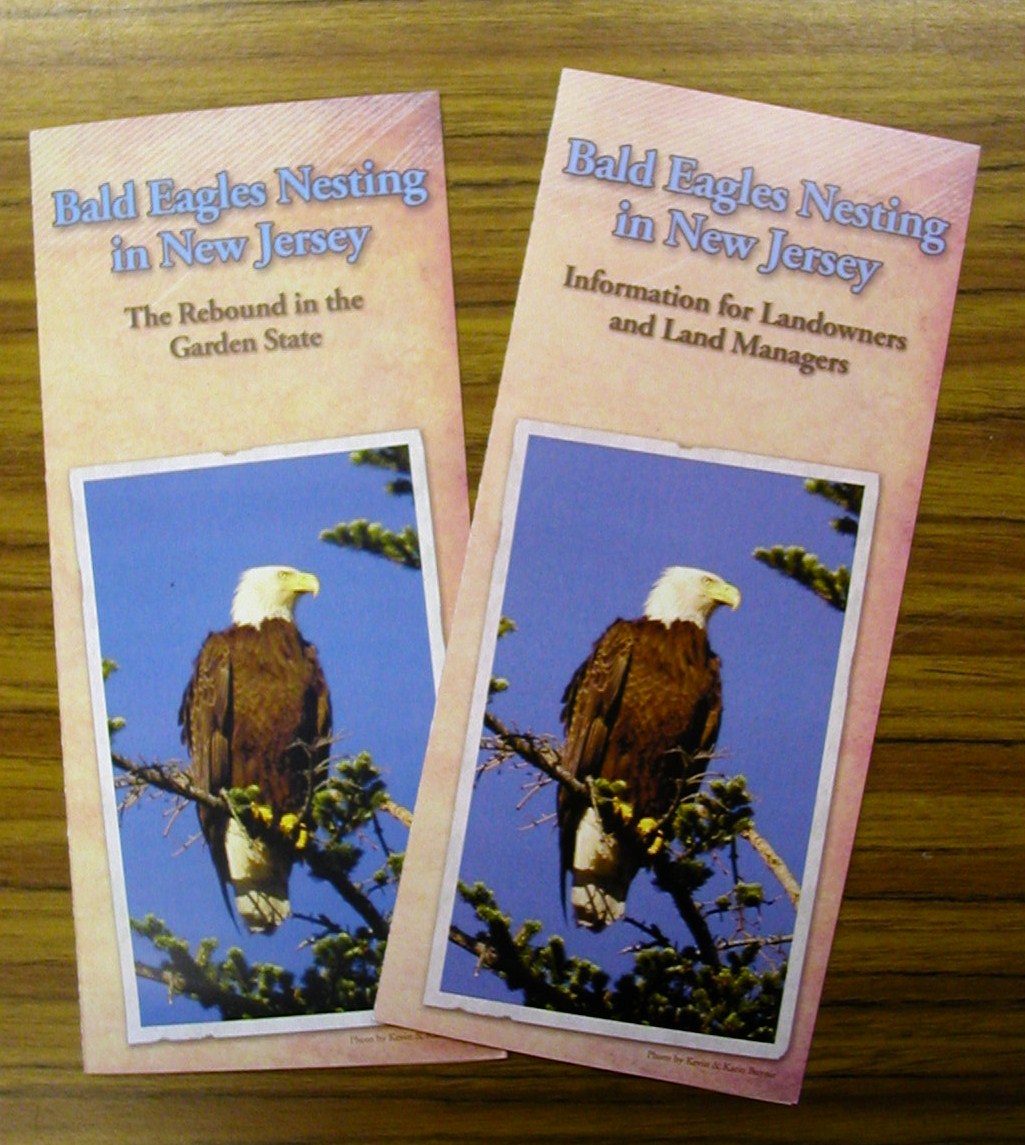
Bald Eagle Project Brochures.

The New Jersey Bald Eagle nesting population is on the rise with 148 nesting pairs monitored in 2013 and 177 young fledged.  As the eagle nesting population increases so do the incidences of eagles nesting in close proximity to humans and human activity. It’s exciting to have a pair of bald eagles nesting and people often want to get a closer look but this can cause disturbance to the nesting eagles and have detrimental impacts. Over half of NJ’s eagle nests are located on private property which makes it important to advise and educate land owners, land managers about living with eagles.

To address this issue CWF received a grant to produce two informational brochures about co-existing with bald eagles in NJ. One is a general brochure for anyone interested in eagles in NJ and the other is specifically for landowners/land managers with eagle nests located on their property.  The brochures contain information on eagle history, living with eagles as you neighbors, how to be a good eagle watcher or steward, as well as phone numbers for information and law enforcement. As the eagle project volunteers monitor their nests they will have these brochures available to educate interested people.

New Jersey’s 1st Annual Super Bowl

This Week, Play in New Jersey’s Super Bowl…of Wildlife
wildlife superbowl

This Sunday, for the first time ever, New Jersey will host the Super Bowl. Millions await the drama between two evenly matched high-flying teams.

You mean the Seahawks versus Broncos in the NFL Super Bowl?

Guess again.

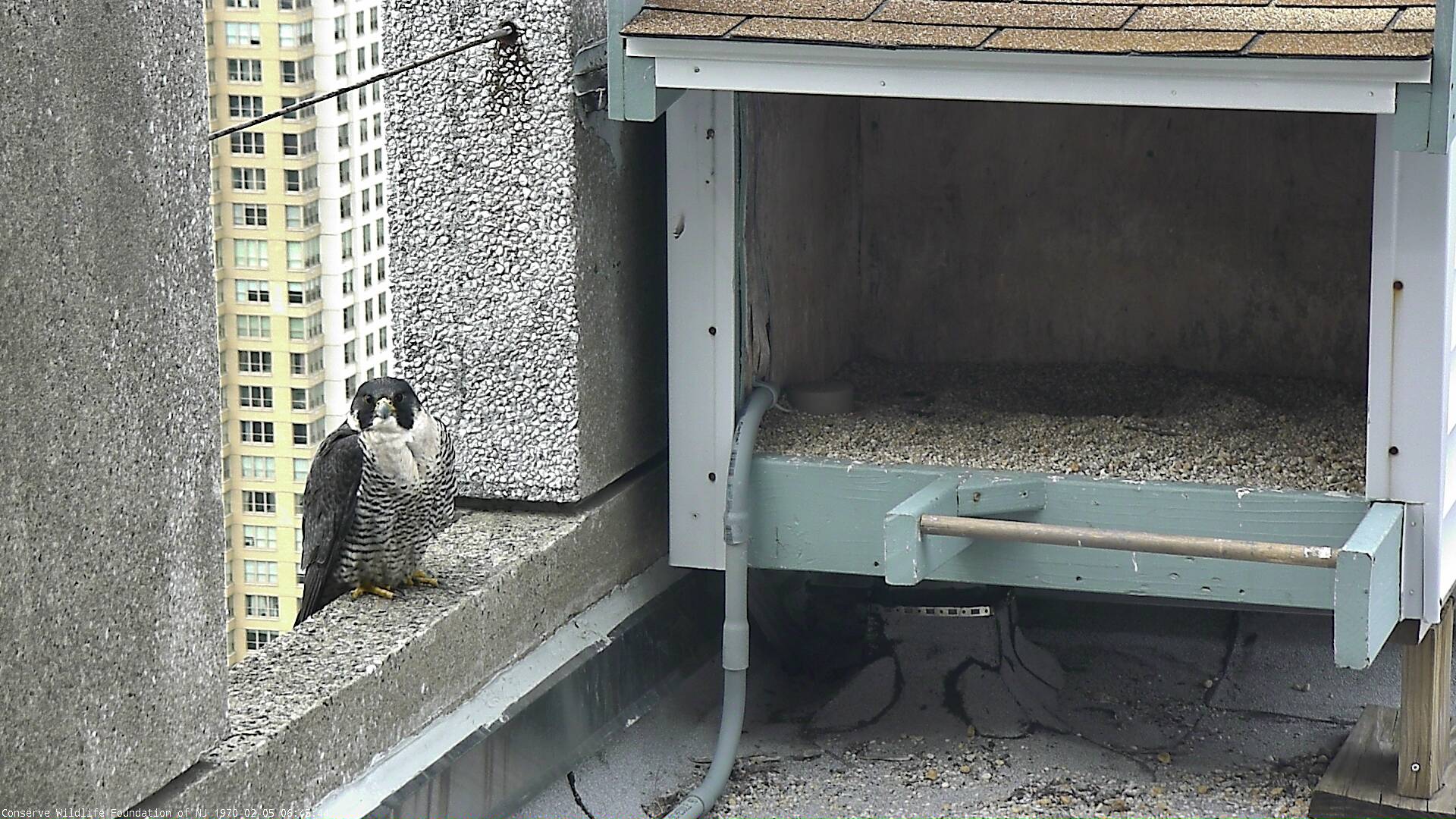
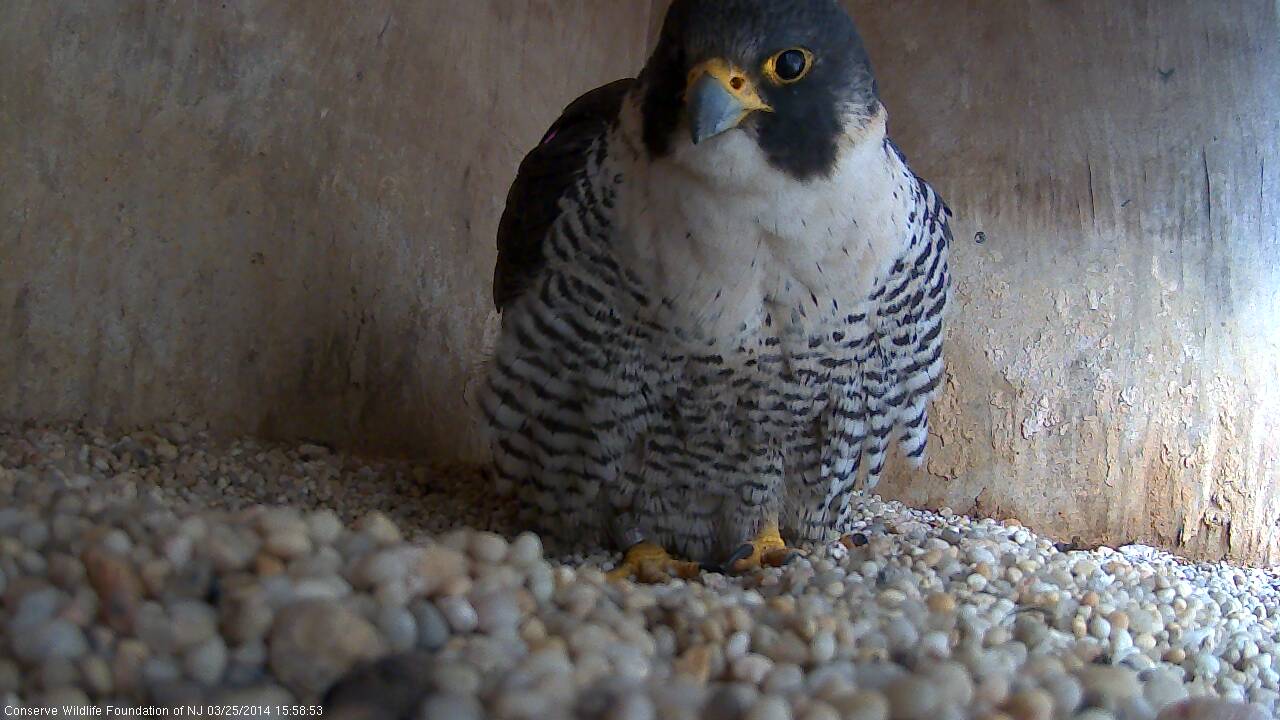
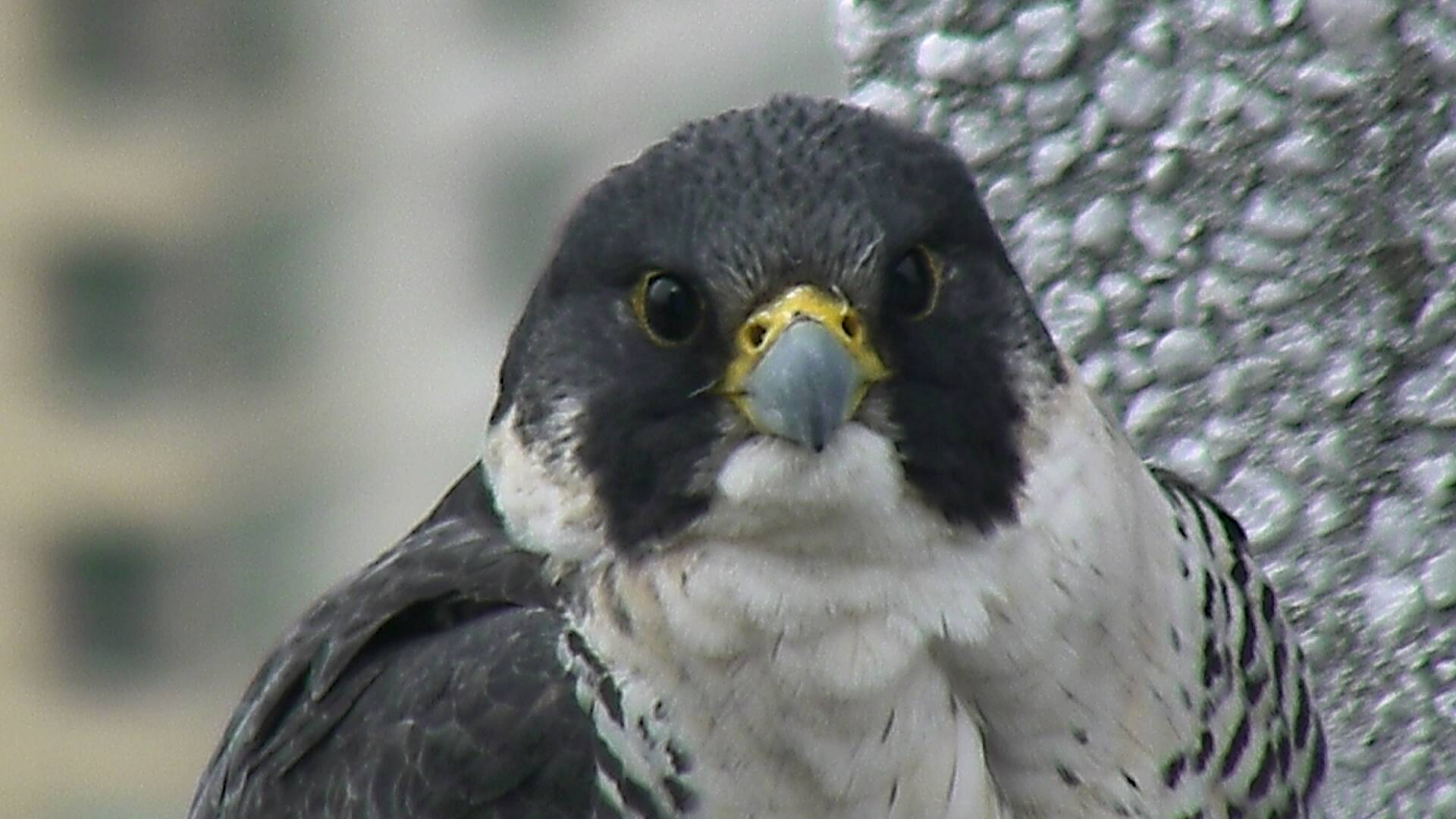
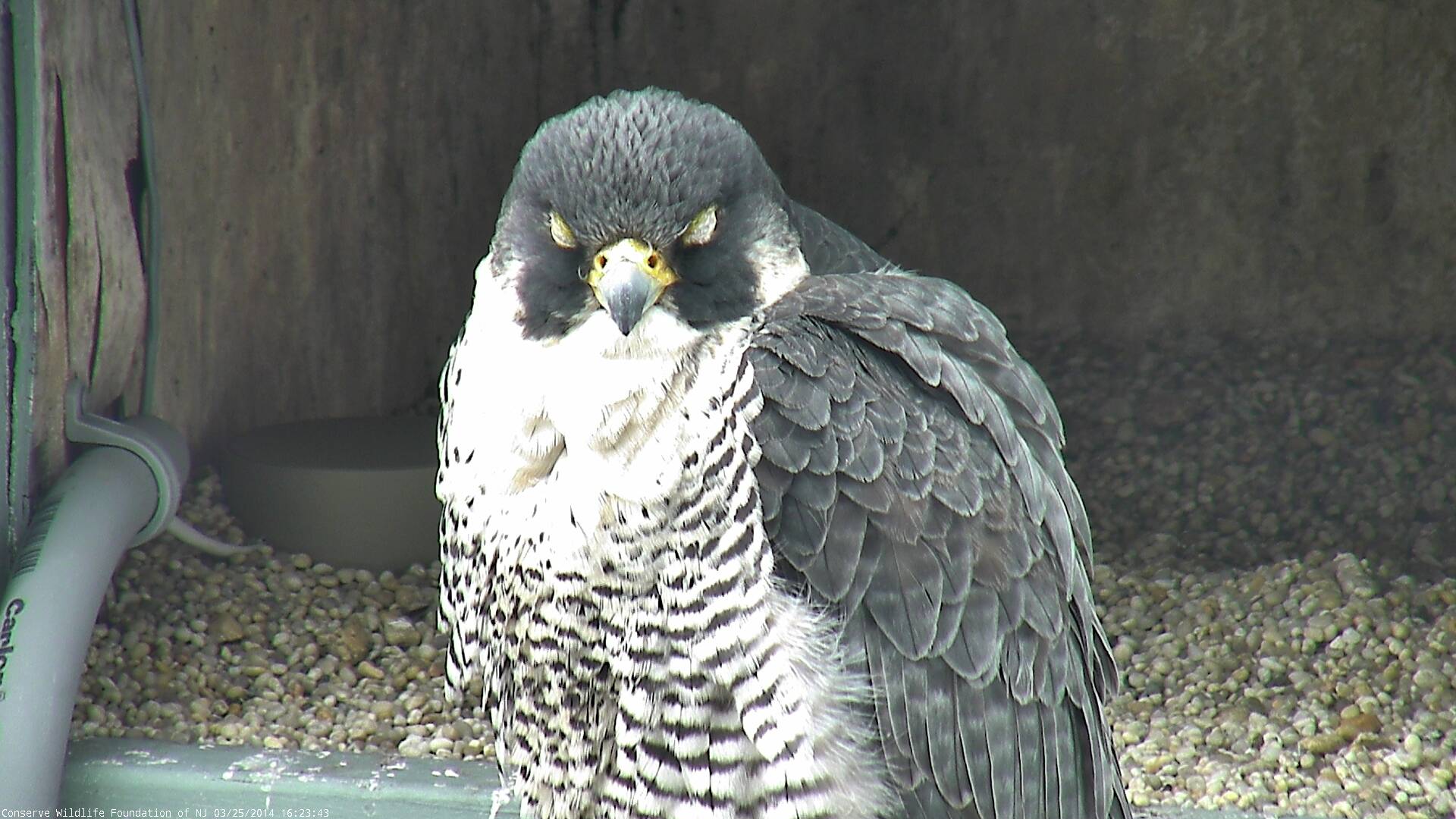
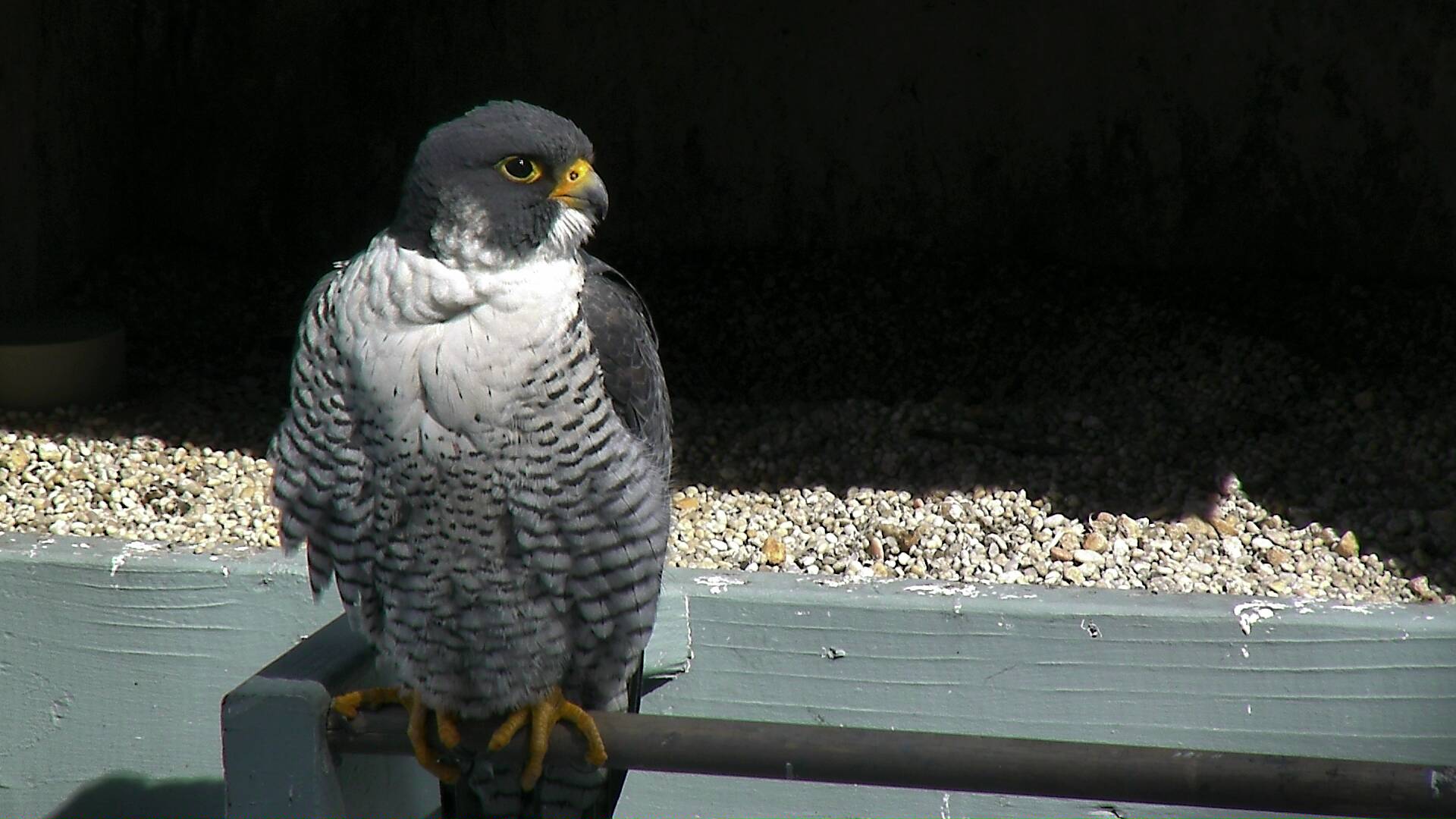
Try the Falcons versus Eagles in the CWF Super Bowl!

As in peregrine falcons, the fastest animal on earth, against the bald eagles, the symbol of All-American grandeur. These two “teams” have overcome incredible odds to make it to the biggest stage imaginable: the Conserve Wildlife Foundation of New Jersey (CWF) battle for the first annual state wildlife championship. The winner will be announced on Monday morning, after a week of Facebook “likes” and donations in favor of the Falcons, or of the Eagles.

All donations will help support CWF’s work on that species, with falcon support dedicated to our Jersey City webcam program and eagle support helping our statewide stewardship work. At stake is not the NFL’s Lombardi Trophy, but an extra boost in CWF’s efforts to protect one of these imperiled species and ensure its inspiring recovery continues.

Surviving the Regular Season

How did these CWF champions make it this far? From their home stadium in downtown Jersey City (and 23 other nests across New Jersey), the Falcons have soared through the season in a continued recovery from decades of struggle against opponents like DDT and pollution. The Falcons then entered the CWF playoffs with momentum, defeating the Bobcats, Terrapins, Ravens, and Fishhawks (ospreys) in succession to reach this big stage.

Their opponent, the Eagles, play the majority of their home games on the windswept Delaware Bayshore, but also play at 118 other nests across the state. Like the Falcons, the Eagles had decades with seemingly no hope because of DDT and a rapidly changing landscape. Yet the Eagles bounced back with an inspiring few seasons, capped by victories over the Bog Turtles, Plovers, Tigers (salamanders), and Dolphins.

Among the teams that continued struggling this season were the Rattlers, the Bats, the Tree Frogs, the Skippers (butterflies), and the Goldenwings (warblers). Conversely, the Seals and Snowy Owls had strong winter seasons. Two closely rivaled teams, the Red Knots and the Horseshoe Crabs, overcame the loss of their stadium to Hurricane Sandy with a newly built New Jersey home that greatly improved their odds of success.

Now that the game is on – what are the rules for the CWF Super Bowl?
Do you win, too, if you support the winning team?

All supporters of the winning team will be eligible for a drawing to join a banding of the winning raptor this summer, with eligibility weighted by donations and points – the greater the donation or support, the greater your chance of winning! But EVERYONE is eligible, even for as simple as a Facebook like!

As for you non-football fans out there…just as the NFL Super Bowl attracts attention far beyond regular football fanatics, our CWF Championship is meaningful to all of us who care about imperiled wildlife in New Jersey. Here is a chance to ensure that a magnificent raptor – a bald eagle or a peregrine falcon – continues to grace New Jersey’s skies. Either way, score a win for New Jersey’s wildlife!

So consider this the opening kickoff! Getting out on the field is as easy as clicking a link in this email – but choose wisely. The champion awaits!