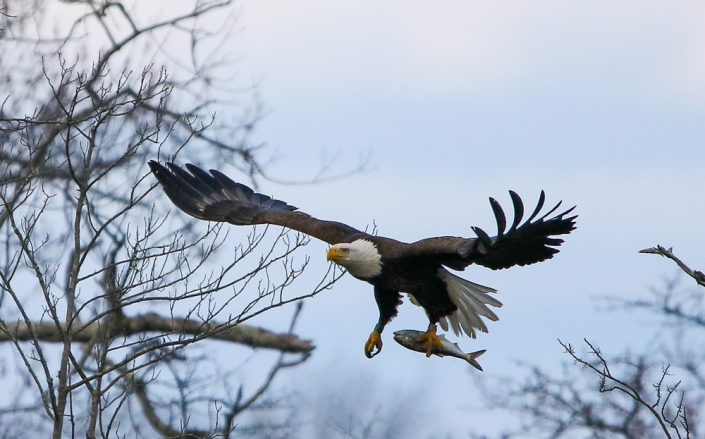
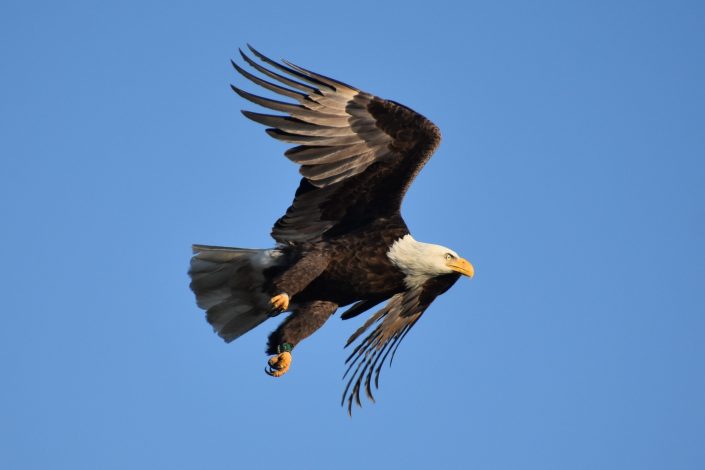
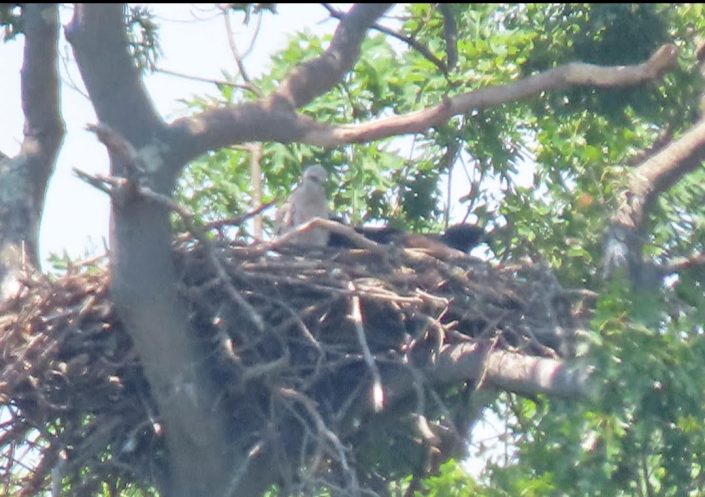
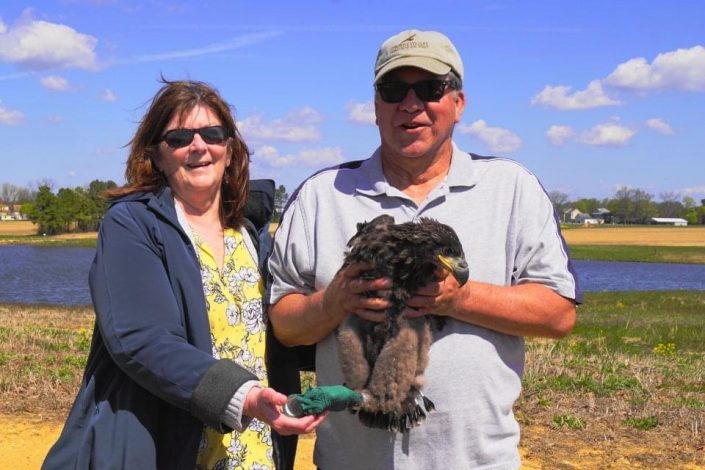
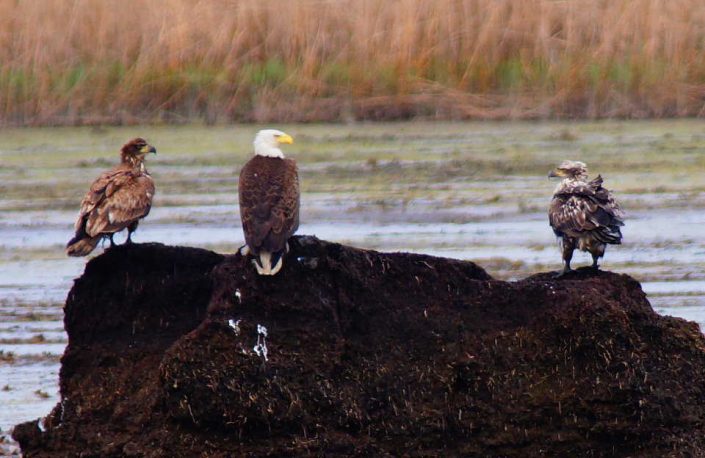
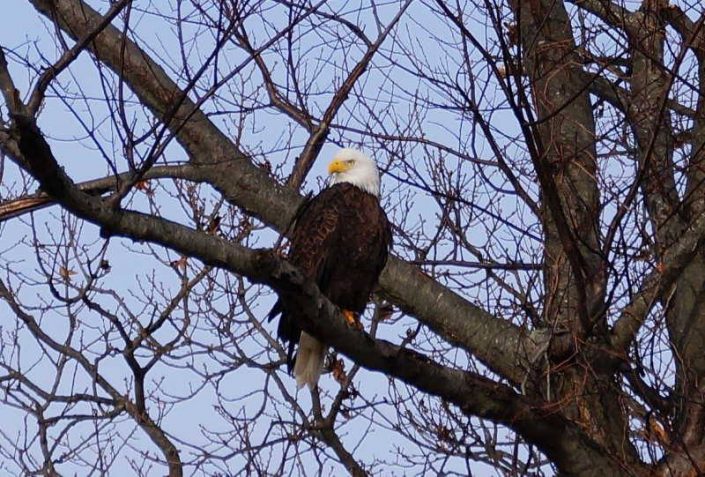
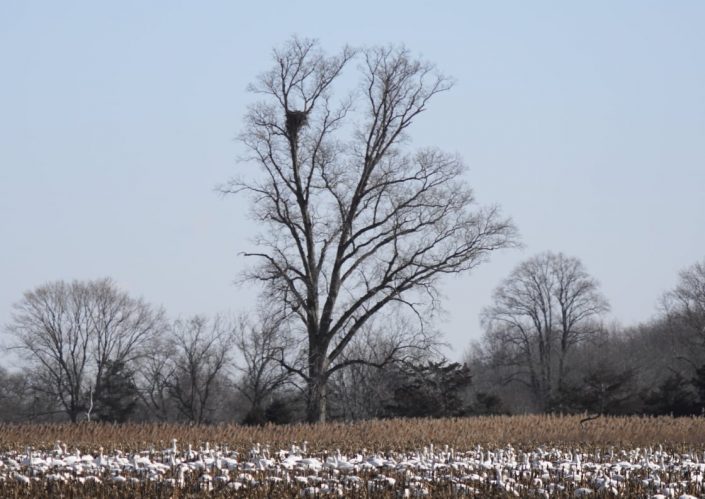
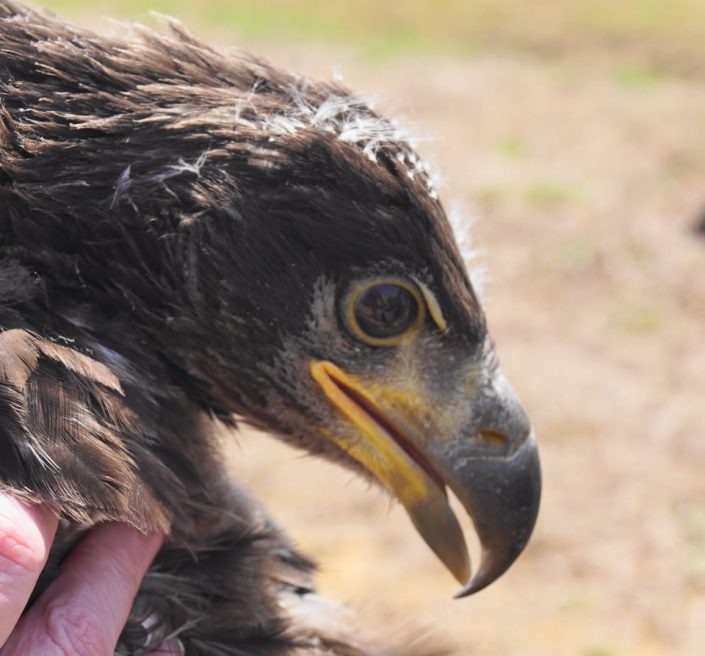
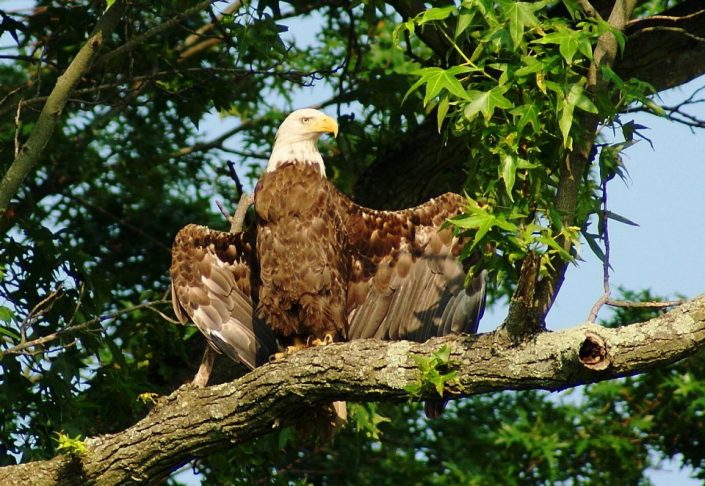
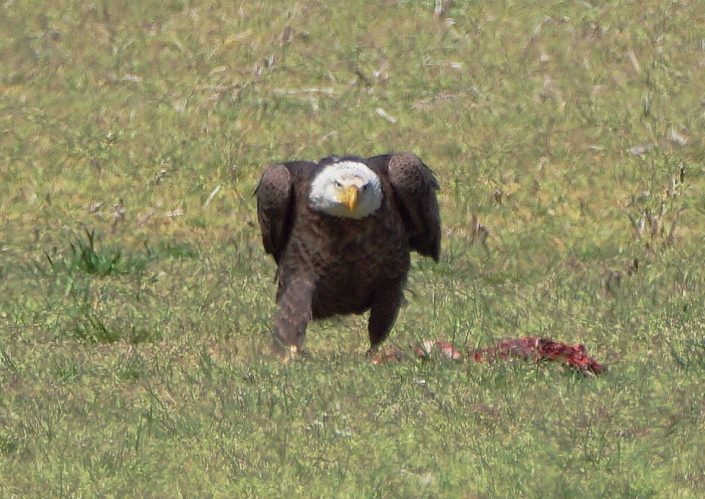
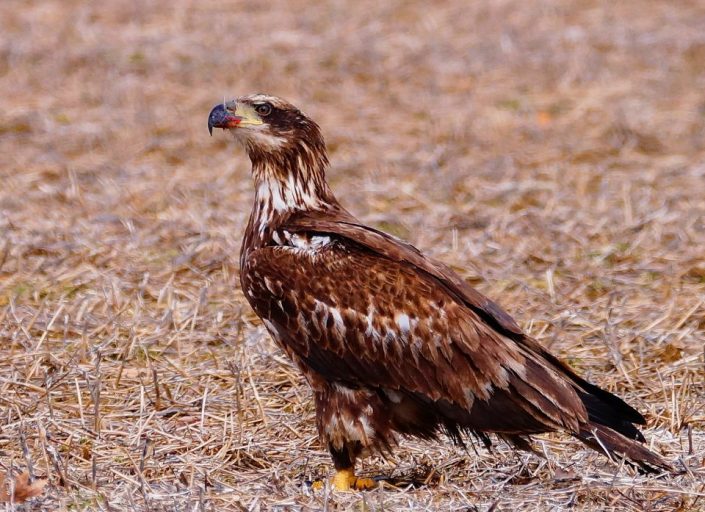
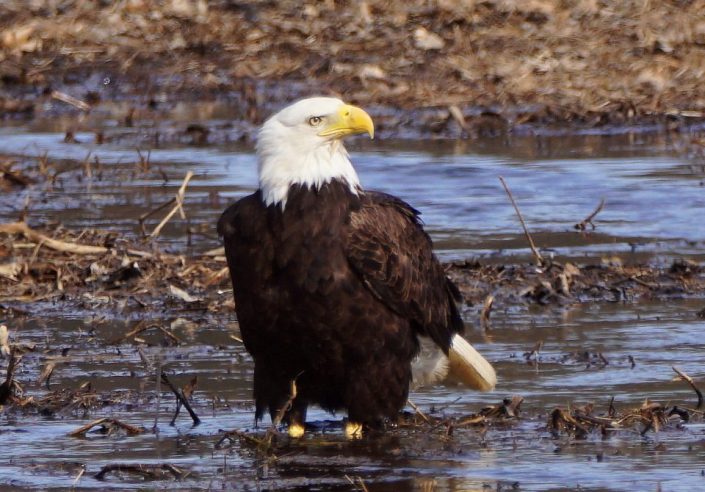
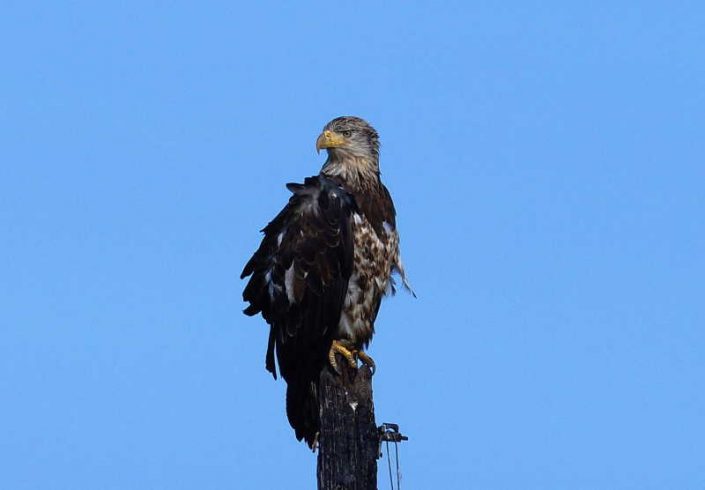
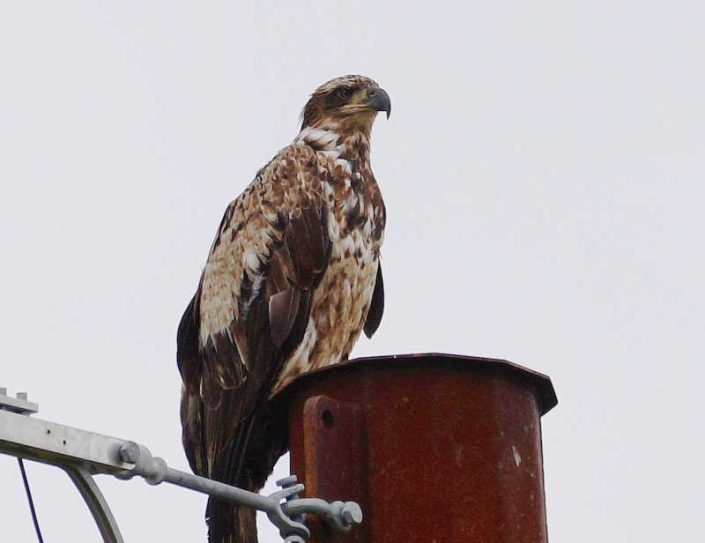
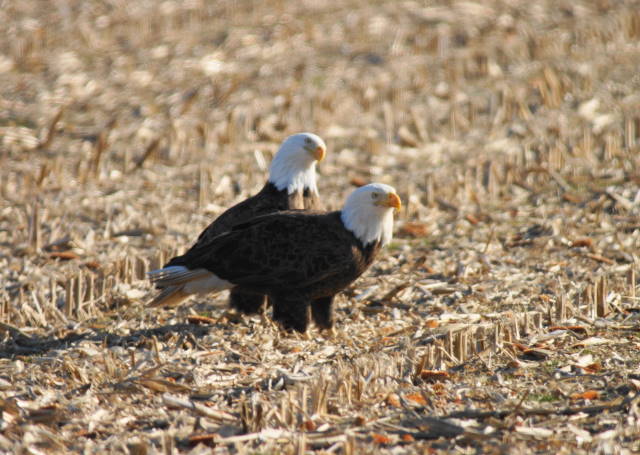
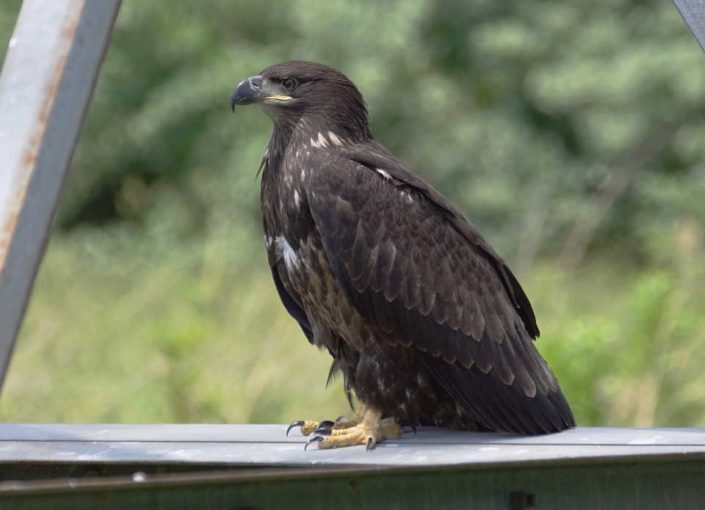
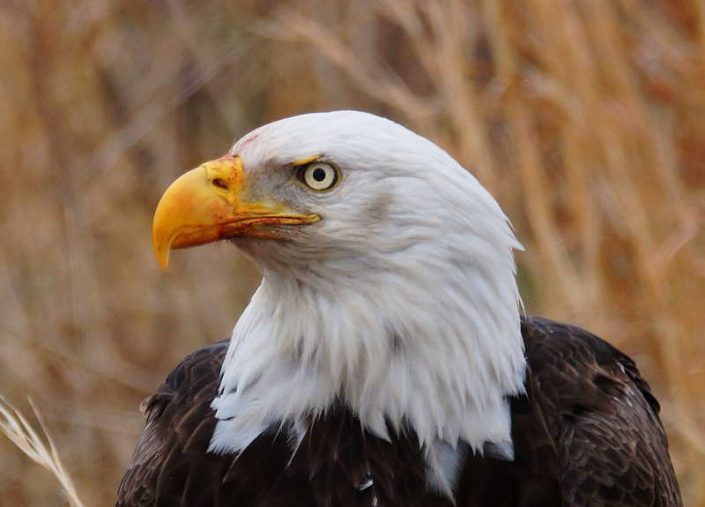
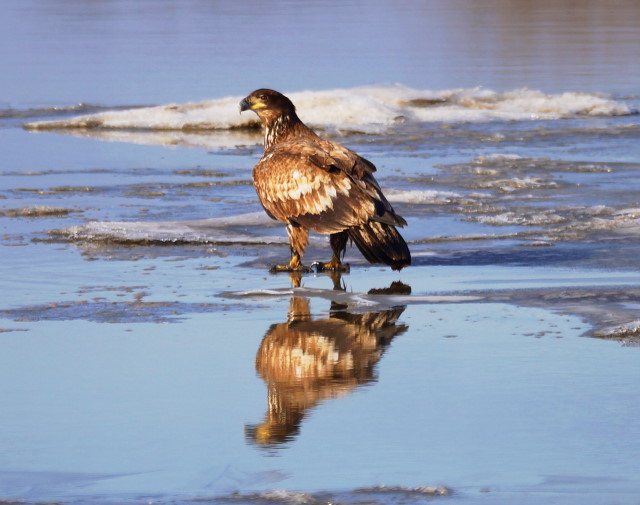
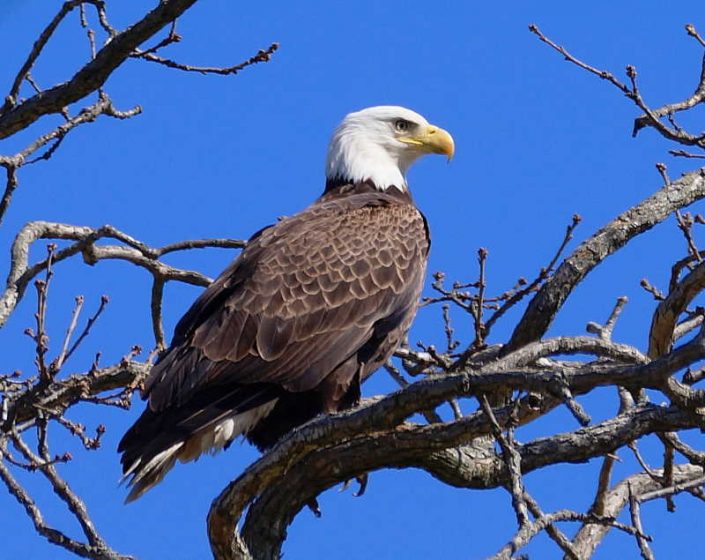
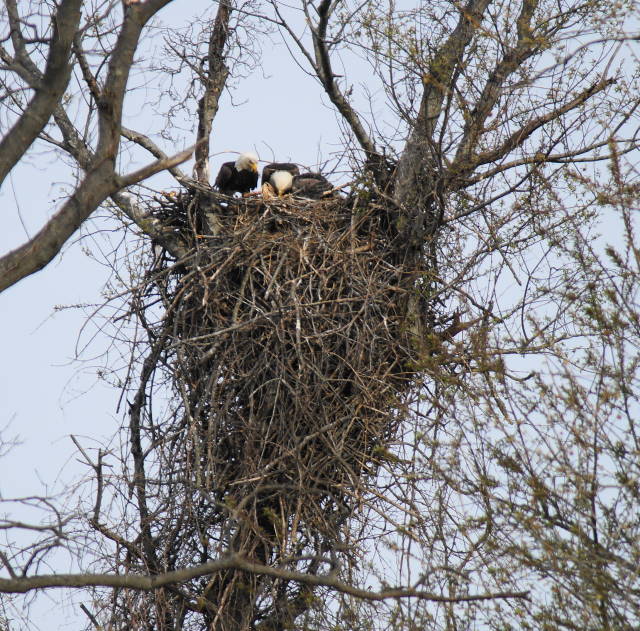
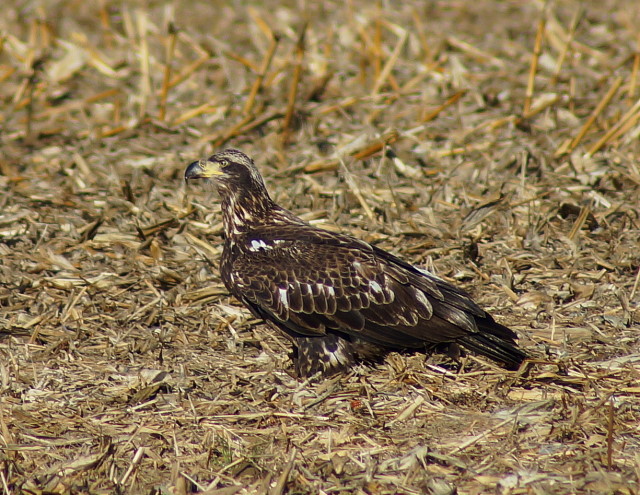
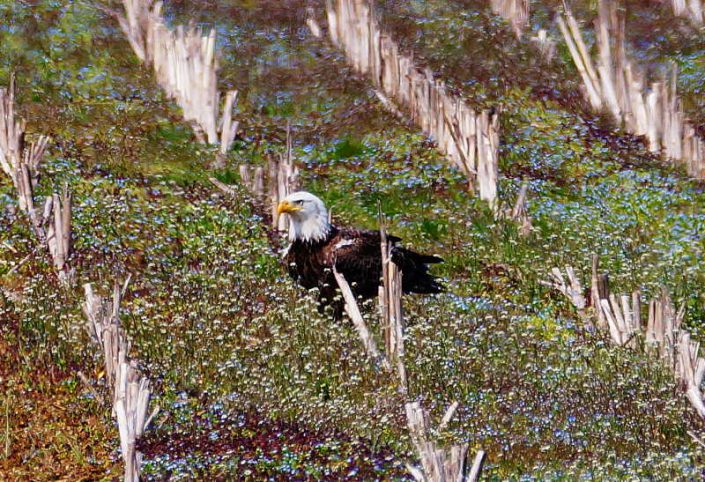
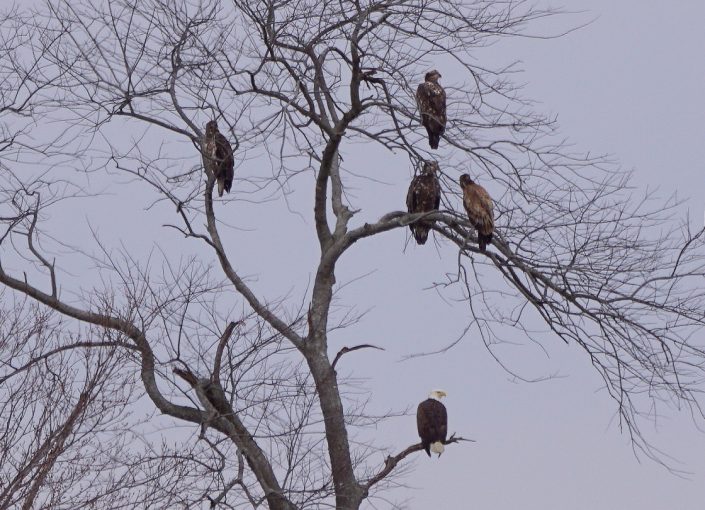
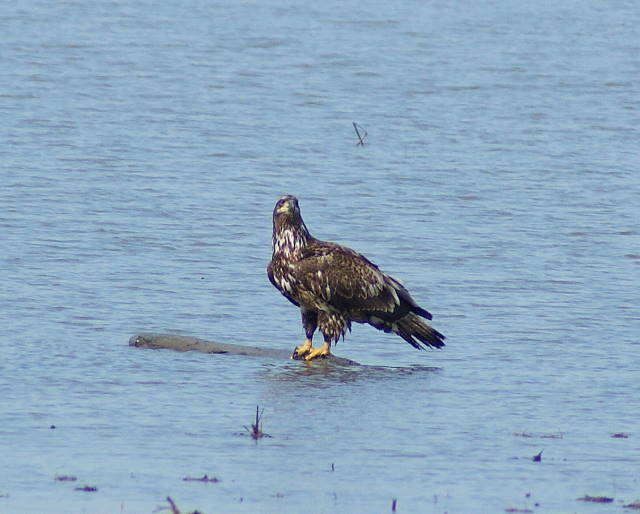
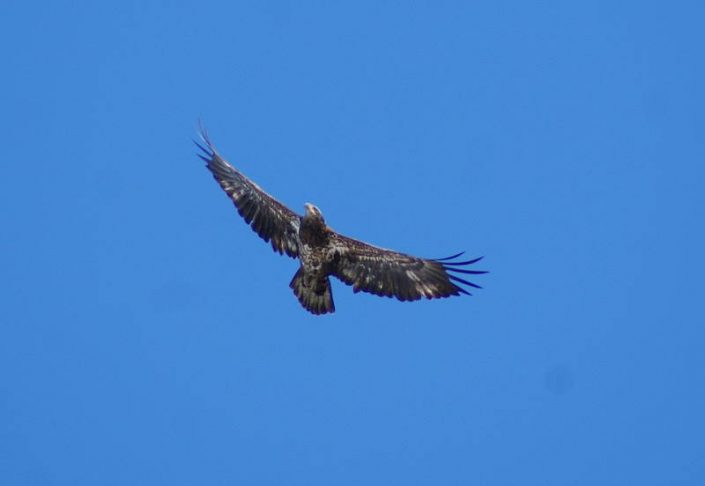
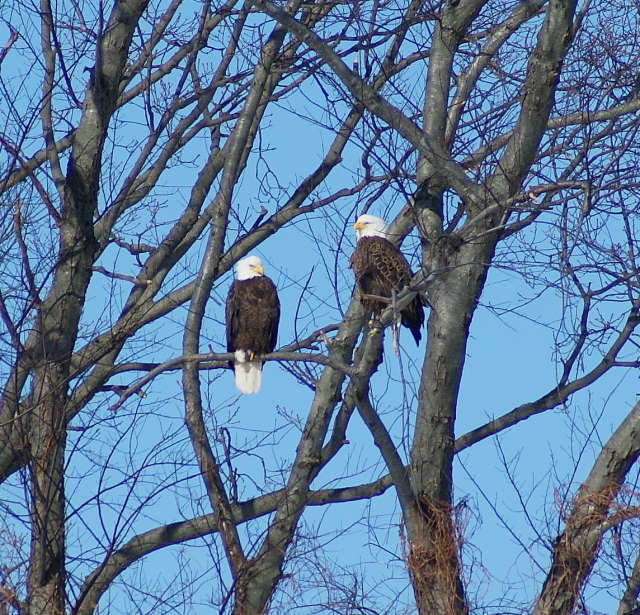
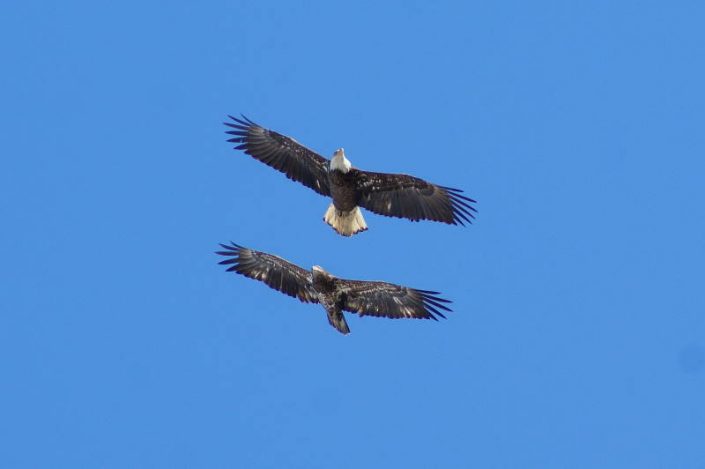
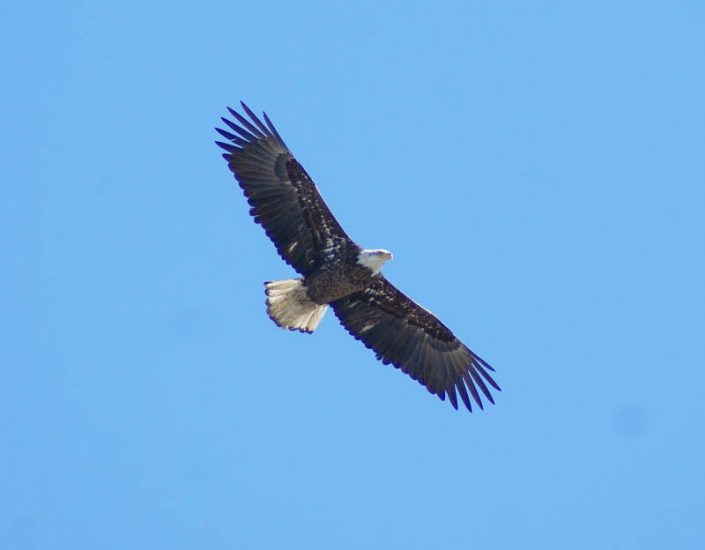
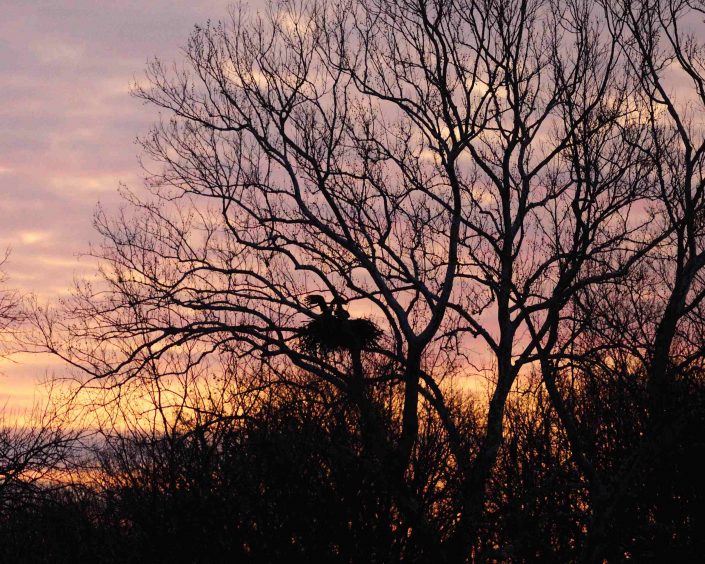
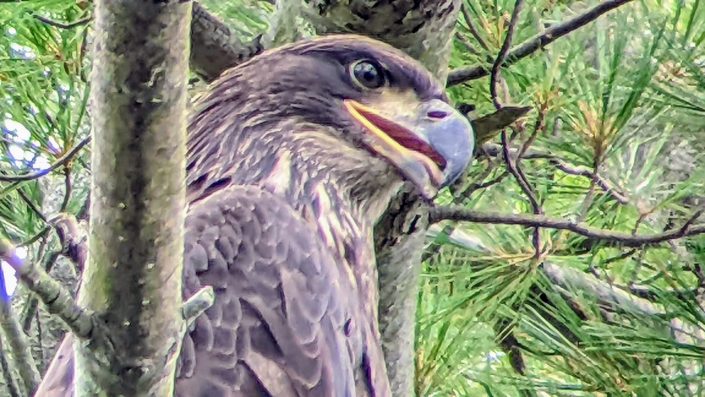
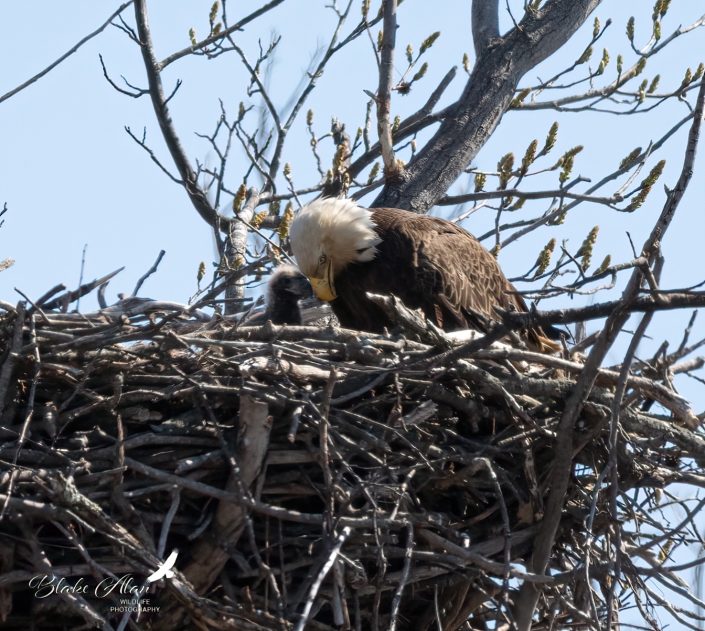
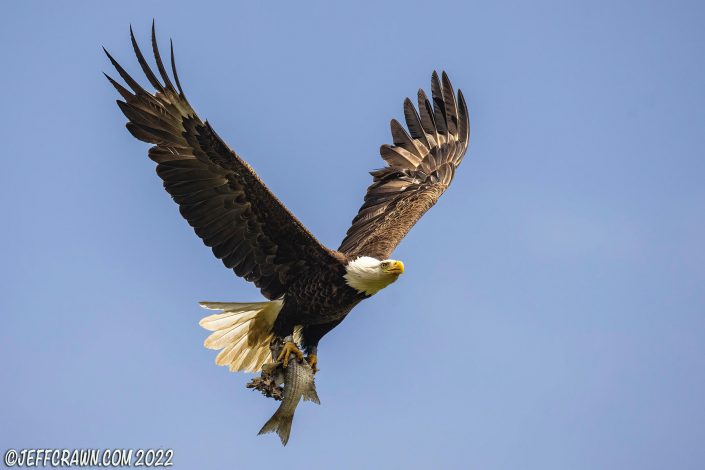
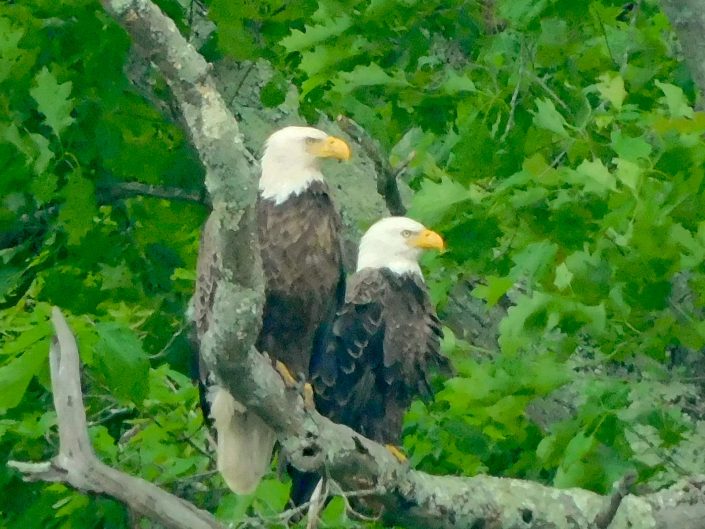
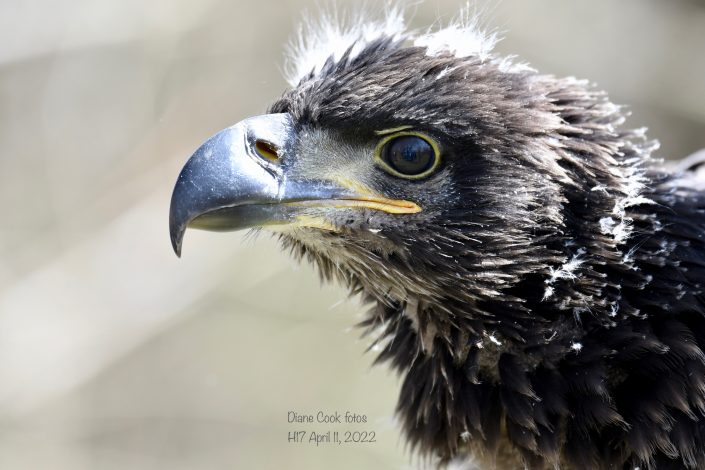
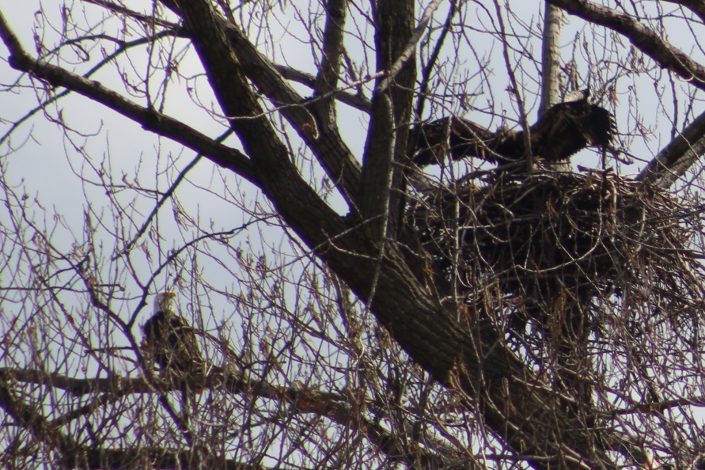
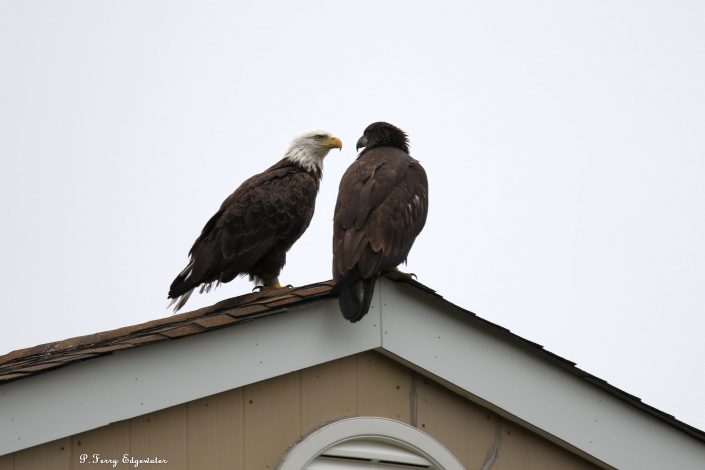
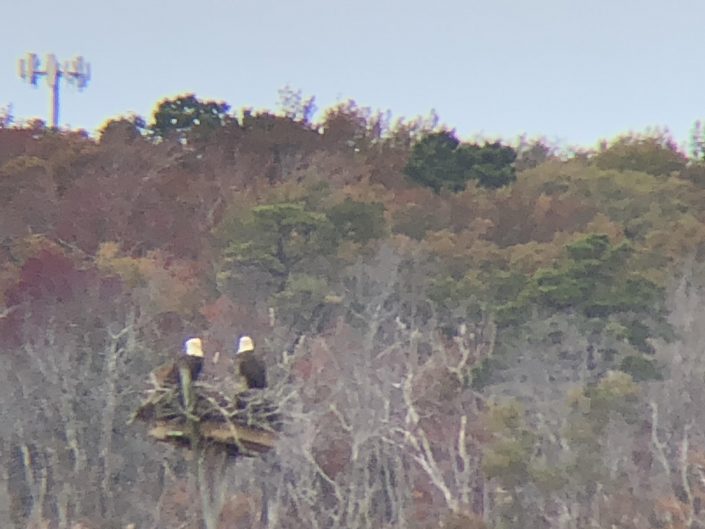
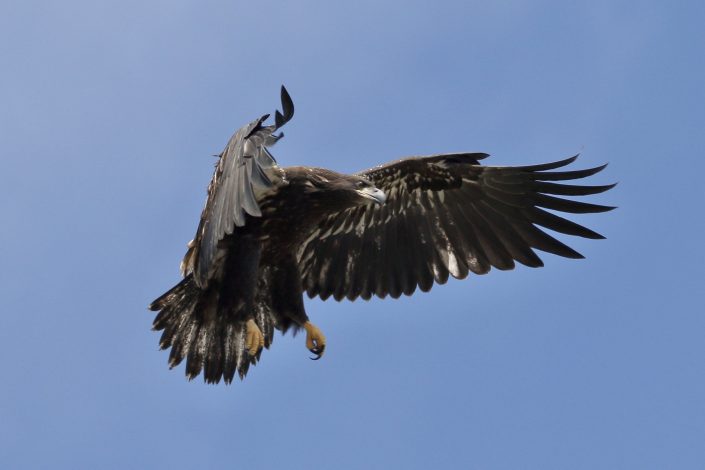
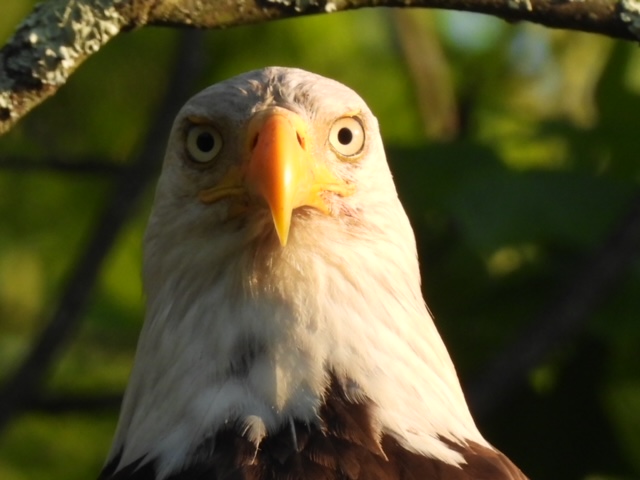
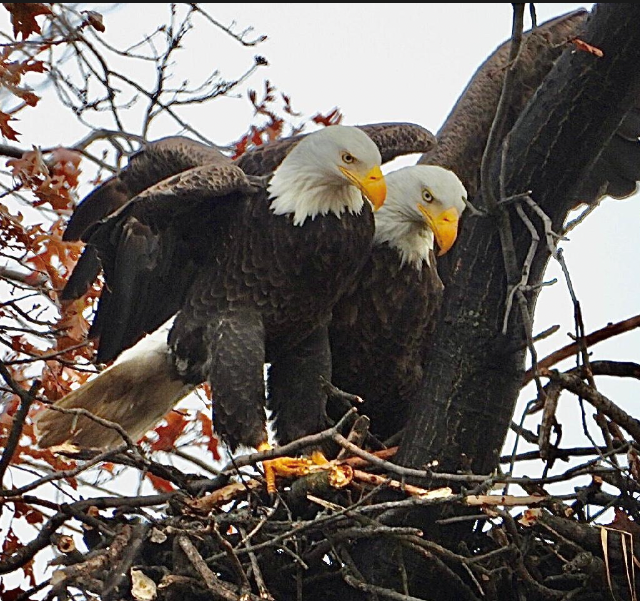
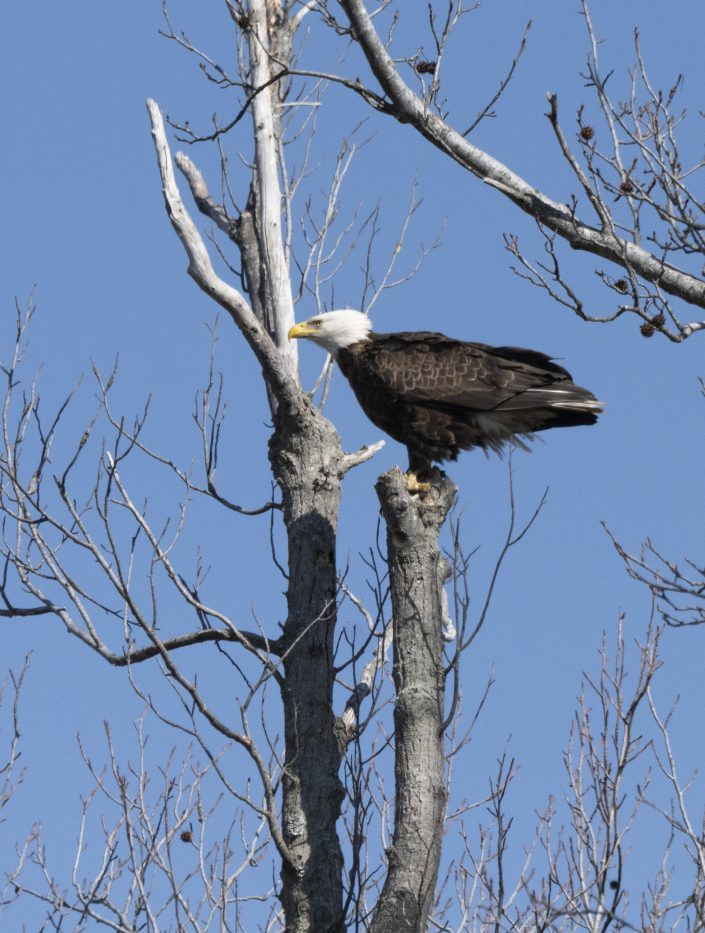
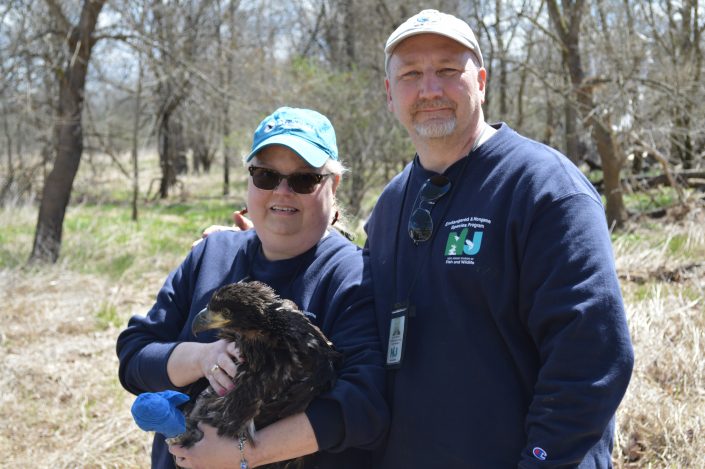
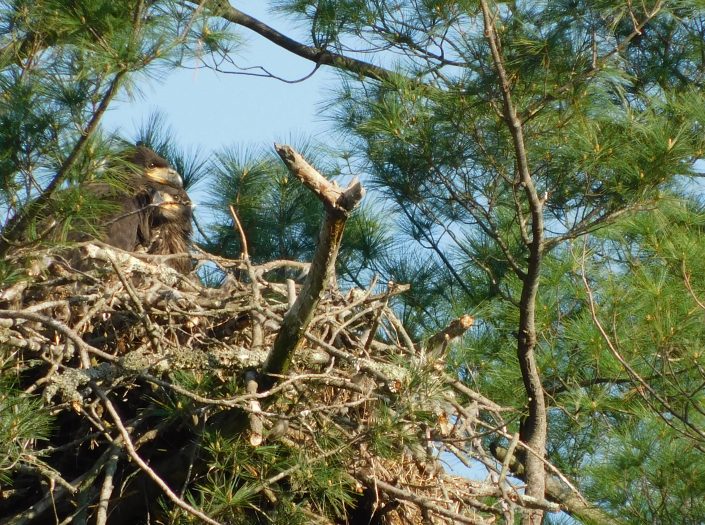
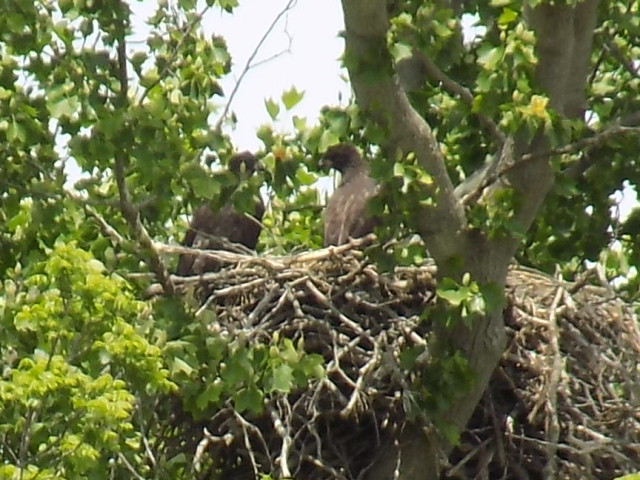
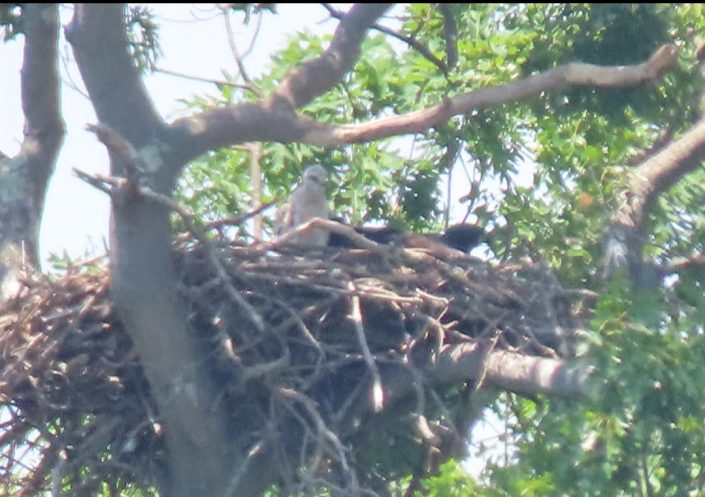
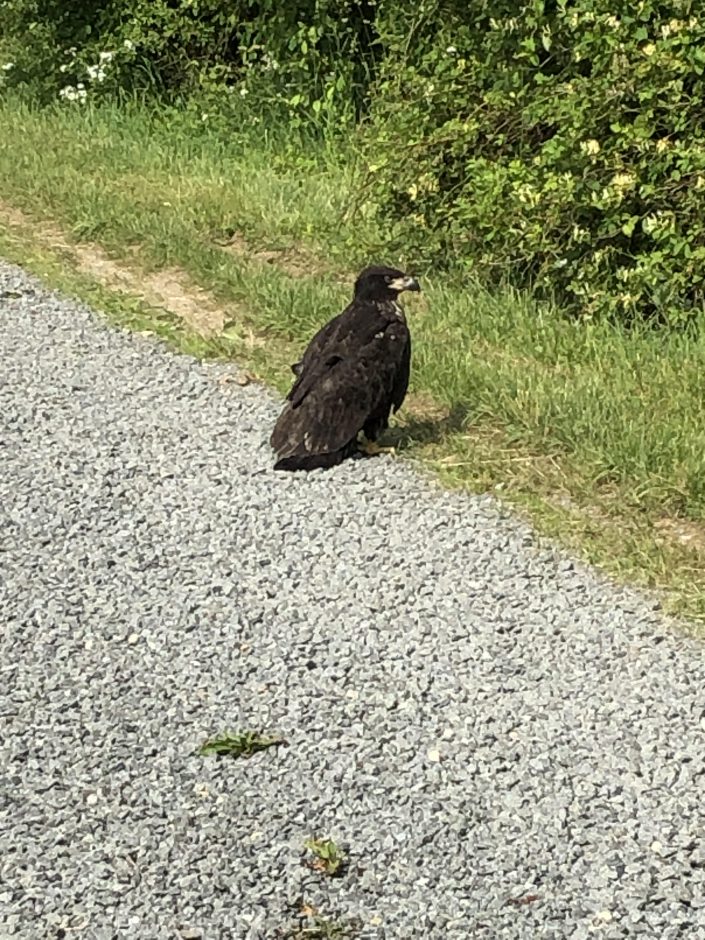
photo by NJ Eagle Project Nest Monitor, Paul Lenzo
Conserve Wildlife Foundation of New Jersey and the New Jersey Department of Environmental Protection’s Fish and Wildlife have released the 2022 New Jersey Bald Eagle Project Report. The 2022 eagle nesting season was a record year for New Jersey’s nesting eagle population with 250 active nests identified.
The 250 active nests (meaning the nests produced eggs) represent an increase of 28 active nests since 2021. Of those nests, 83 percent were successful and collectively produced 335 offspring. The productivity rate for nests with known outcomes was 1.42 young per nest, which is above the range required to maintain healthy population numbers. The 2022 NJ Bald Eagle Report includes details on the nesting season, resightings and recoveries.
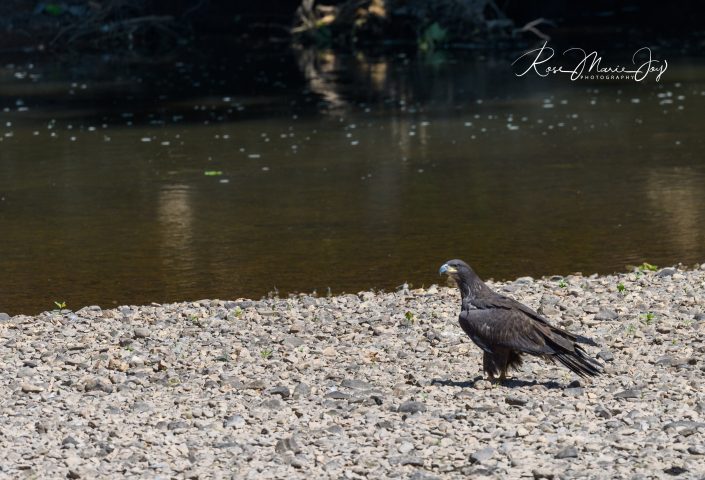
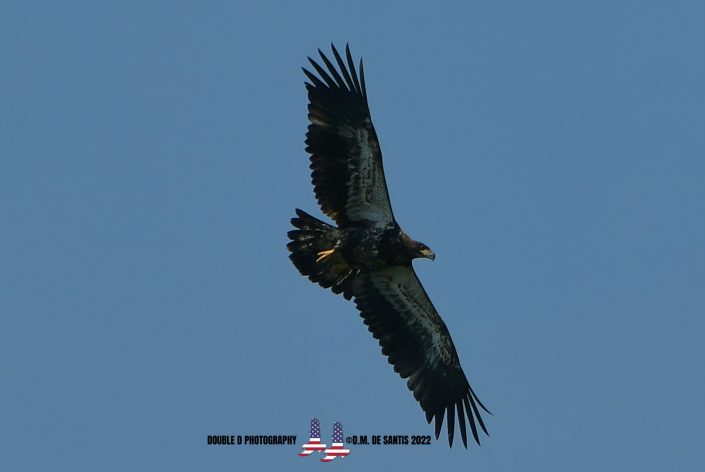
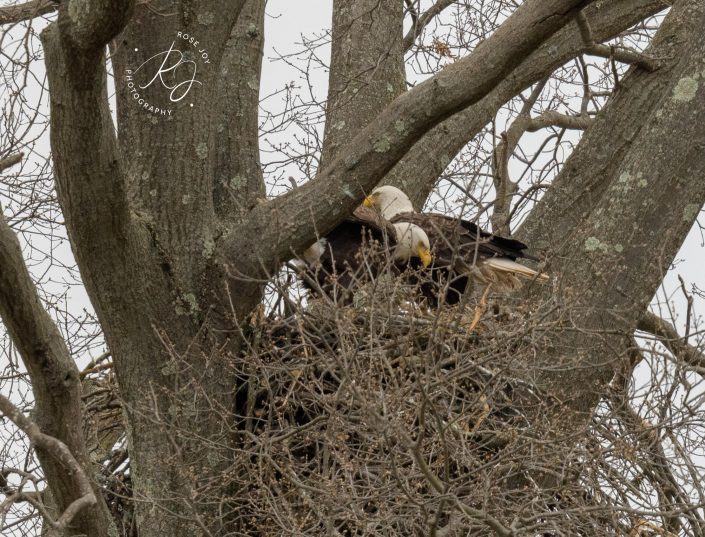
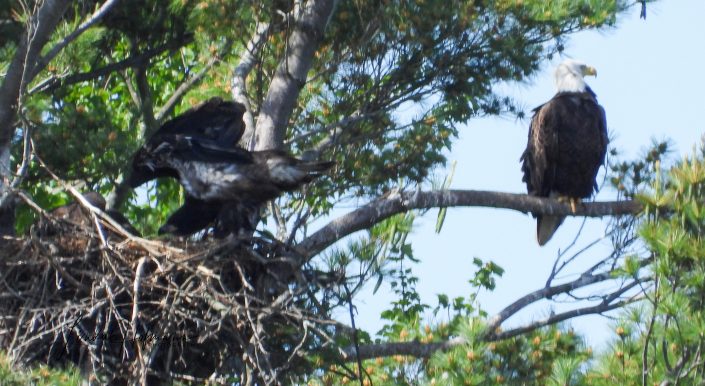
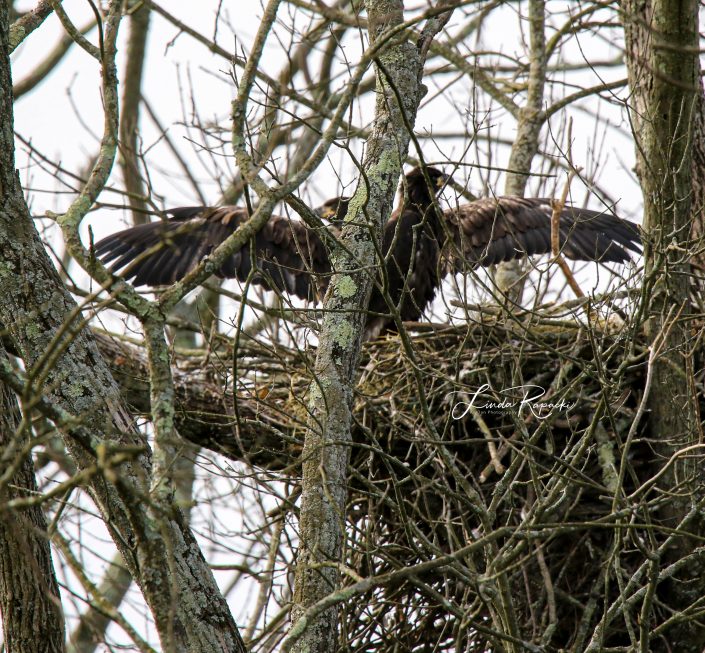
One of the three fledges from the 2022 Manville nest: photo by NJ Nest Monitor, Rose Joy
These numbers could not have been achieved or documented without the dedicated efforts of the 150 New Jersey Eagle Project volunteers who conduct the majority of the nest-observation work vital to tracking the population and nest distribution of our state’s Bald eagles in all 21 counties. CWF is honored to manage these volunteers in partnership with the Endangered and Nongame Species Program and thanks them for their invaluable service.
CWF would also like to thank our partners, who make our bald eagle conservation work possible, including PSE&G, Wells Fargo Advisors, Wakefern Food Corp./ShopRite Stores, Mercer County Parks, Wildlife Center Friends, the American Eagle Foundation, and the Zoological Society of New Jersey.
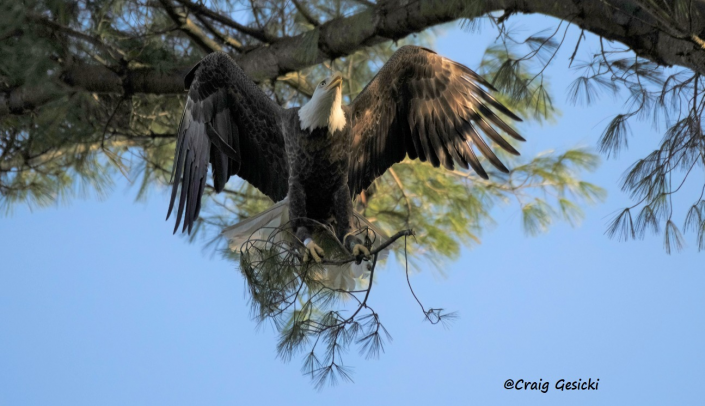
November 18, 2022. Carasaljo eagle bringing stick to nest; photo by: Craig Gesicki
2022 was a banner year for NJ’s nesting eagles. A record high of 250 pairs were active with 335 young eagles fledging. The 2022 Annual Eagle Report will be posted after it is officially released by the NJ Endangered and Nongame Species Program.
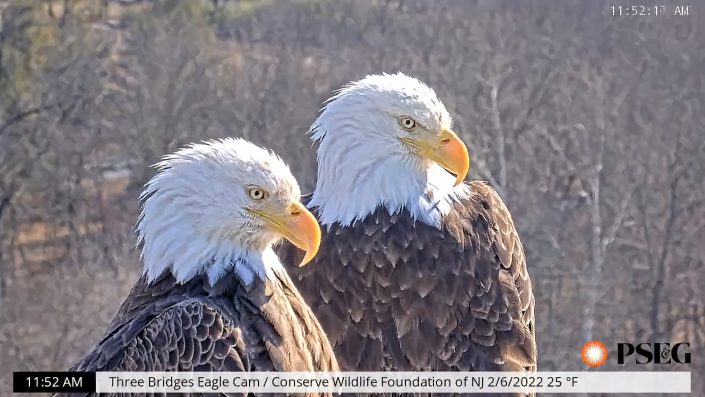
The 2023 eagle nesting season is off to a good start with five pairs of eagles already incubating. The earliest started on December 22nd, 2022. You can get a close up and personal look at an eagles nest with NJ’s two eagle cams. The Duke Farms eagle pair have been busy preparing their nest. Last season they laid their first egg on January 17th. The Three Bridges eagle cam is up and running and the pair has been hanging out at the platform even copulating. Last season the pair used a nest in a tree instead of the platform. So we don’t know which nest they pair will decide to use this season, but it should be interesting.
January 5, 2023; Three Bridges eagle cam
This is a great time of year to see eagles throughout New Jersey. Not only are NJ’s nesting pairs around there are also wintering eagles and young eagles that aren’t yet nesting.
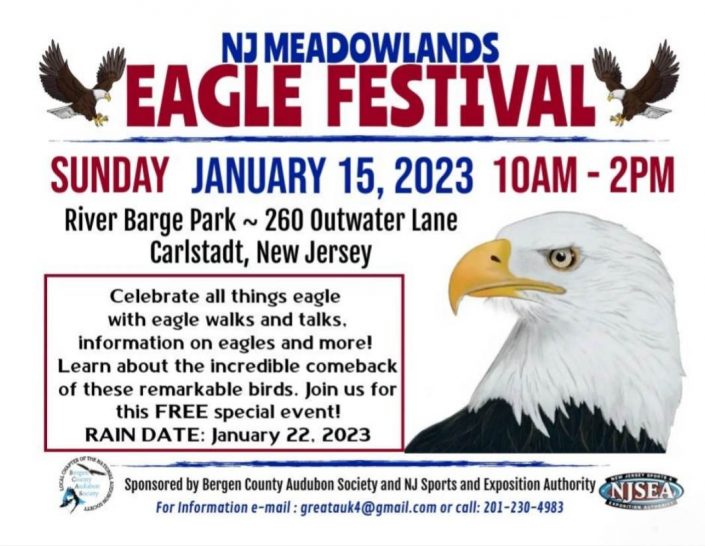
If you want to learn more about eagles check out two upcoming eagle festivals:
Meadowlands Eagle Festival January 15th
Cumberland County Eagle Festival February 4th
CWF will have a table at both and we look forward to seeing you there.
It’s always a good day when we get a resighting of a NJ banded eagle, especially if it was one that had a transmitter attached. On November 1st, 2022 “Oran” was resighted in Stone Harbor, Cape May County, NJ by John Kauterman. This is about 22 miles from where he had fledged along the Delaware Bay in Cumberland County in 2015.
E/17 November 1st, 2022: photo credit, John Kauterman
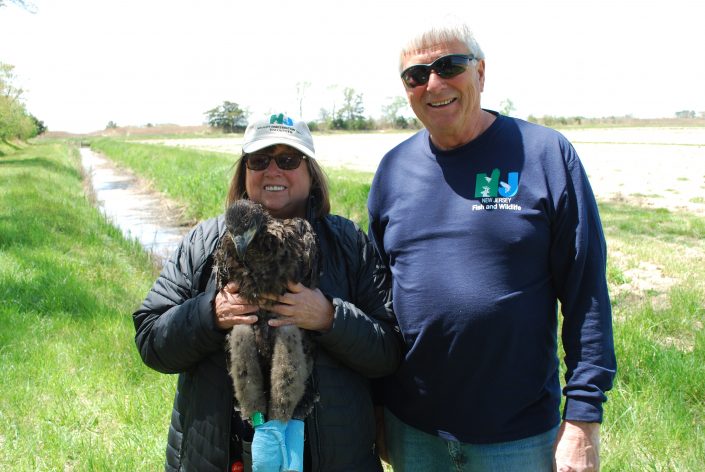
On May 18th, 2015 a remote eagle nest on the Delaware Bay was visited by biologists with the NJ Bald Eagle Project, from both the NJ ENSP & CWF. There were two eight week old chicks in the nest both and we banded both. The male, banded NJ Green band E-17, was outfitted with a transmitter and he was named “Oran”.
New Jersey’s eagle chicks were all fledged by the end of July, 2022. It was a successful nesting season for NJ’s eagles with 335 young eagles fledged. The results of the season will be available in December when the annual eagle report is published.
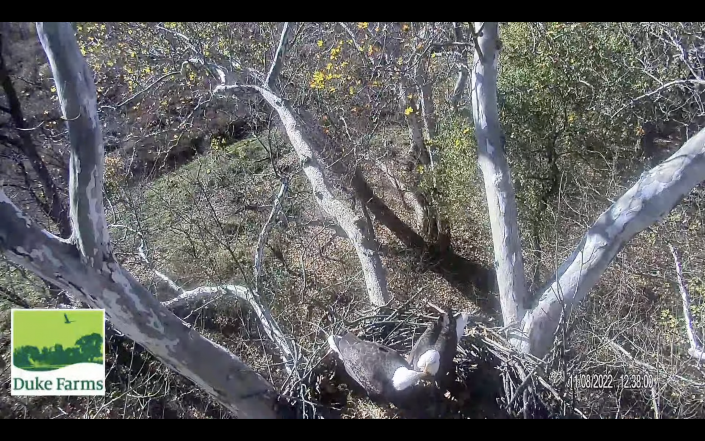
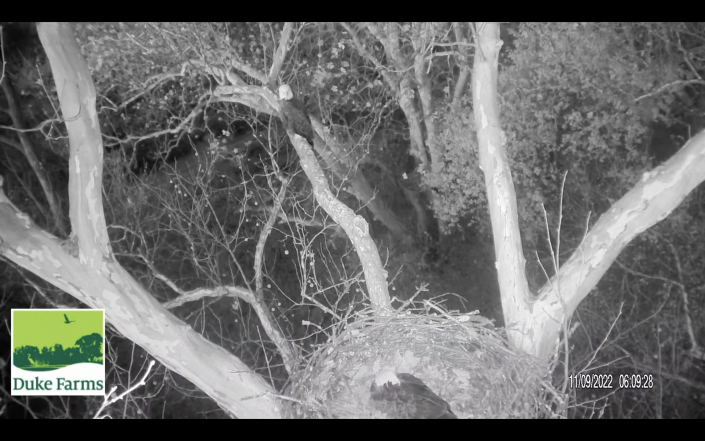
NJ Eagle Project nest monitors have reported that some eagles were seen working on their nests in September. NJ’s pairs don’t migrate and stay in NJ outside of the nesting season though they aren’t as tied to the nest. Each pair is different in when they will start returning and working on their nests for the 2023 season. One pair that is watched by thousands of viewers, is the Duke Farms eagle pair. The pair has been making appearances at the nest, though there are periods where they are not seen at the nest which is normal for this time of year. Nest monitor Diane Cook got this screen shot of both adults at the nest on Tuesday November 8th.
Diane reported the pair spent the night at the nest before flying off in the morning.
In 2022 the female at Duke Farm’s laid the first egg on January 17th, so we’re still over two months away from possible incubation. The majority of NJ’s eagle pairs won’t lay eggs until February.
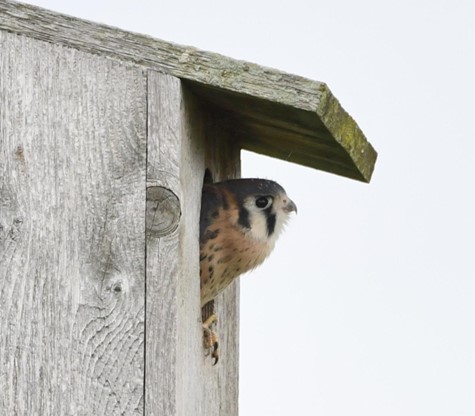
As a volunteer for Conserve Wildlife Foundation of NJ and NJ’s Wildlife Conservation Corps I monitor bald eagle, osprey, and kestrel nests for the state. Kestrel monitoring is new to me this year. They are North America’s smallest falcon. I enjoy watching them hunt, hovering over the grasslands and open fields. Monitors watch and record milestones of the nesting season. Fledge Day is the end of our season and what we hope to witness. Friday – I knew the chicks would be fledging soon, and hoped I had not missed it. I sat in my vehicle and watched for just over 3 hours! I could hear noise from inside the box as wings were being flapped and exercised. For the longest time, I thought one had already fledged since I was just seeing one perched in the box opening.
By: Susan Harrison, NJ Bald Eagle Project Volunteer
I am a volunteer eagle nest monitor for New Jersey’s Bald Eagle Project. A new nest was discovered in central New Jersey this year by birder Chris Brown. Larissa Smith, the volunteer coordinator for the Bald Eagle Project and Conserve Wildlife Foundation asked me to monitor this nest. I did not know at the beginning of nesting season, what an interesting story would unfold! In mid-April, by watching the behavior of the adult eagles, I could see that eggs had hatched and that the adults were feeding eaglets that were still too small to see. At the beginning of May I caught glimpses of the head of one eaglet peeking up over the top of the nest rails. Too cute! By the end of May, I could see the head of a second chick in the nest. But this chick looked very different! I soon discovered this chick looked different because it was not a Bald Eagle at all! It was a red-tailed hawk chick in the eagles’ nest! I could not believe what I was seeing! I took lots of photos to document this situation, a first for New Jersey! I consulted with two respected birders in the state, Chris Brown, who is a county eBird reviewer and Tim Brown, to help verify and document my observations for CWF and the NJ DEP/ENSP. We observed the adult eagles feeding both the red-tailed hawk chick and the bald eagle chick. It was one big happy family, with both chicks getting along with each other and with the adults quite well.
New Jersey Eagle Project nest monitors Cathy and Jeff White have been volunteering with the program since 2009. The 2022 eagle nesting season was officially their last as they will be “retiring.” When they started with the bald eagle project, they had two eagle nests that they monitored in Southern New Jersey. As of 2022 they were monitoring 25 eagle nests. That is a lot of nests to keep straight! During their 14 years of observing nesting behavior to determine egg laying, hatching, and fledging, a total of 244 eagle chicks fledged from their nests. The Whites have witnessed the eagle population grow over the years and have played a large role in the success of the eagles, including many rescues of both chicks and adults. Their dedication to the eagles through both the good and bad outcomes, is commendable and they are irreplaceable.
They have done so much for the eagle project and will be greatly missed. Thank you!
Photos taken by the Whites throughout their years of monitoring eagle nests.
I asked the Eagle Project volunteers to send me their one favorite photo from the 2022 eagle nesting season. Enjoy the eagle nesting season through the eyes of the nest monitors. (click on the photos to enlarge and view details)
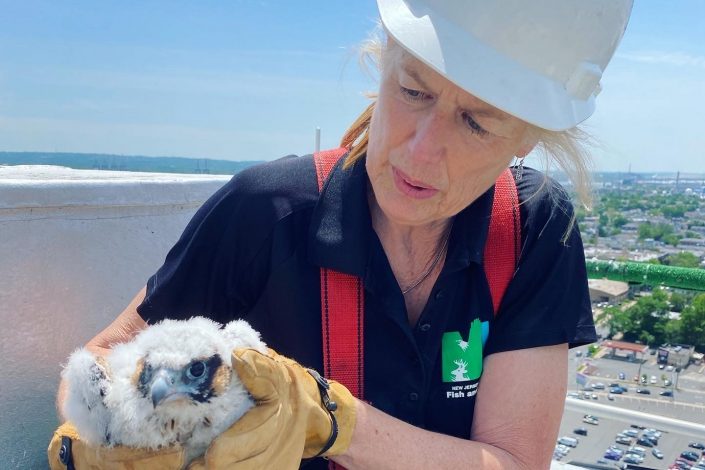
Kathy Clark carefully places a young falcon in a reusable shopping bag.
On May 23, NJDEP Fish & Wildlife Supervisory Zoologist Kathy Clark and myself visited the Union County Courthouse in Elizabeth, NJ to band the three eyases that were produced by the nesting pair of peregrine falcons. We were joined by Union County staff and guests, who assisted with the banding. The nest is located on the roof of the building. As soon as the hatch made a sound, the adults took off and started to defend their nest and flightless young. As we enter their turf, we are dive bombed by the adults — it is clear that the female has become more aggressive — as she flies very close to us on the roof in sweeping dive bomb attacks. As Kathy goes to the nest to grab each young who are placed in reusable shopping bags, I use her trusty feather duster to ward off the adult female. All who enter the roof wear fall arrest harnesses and hard hats. Kathy and I know that the hard hats are not just worn for fall protection, but also from attacks from above. Both of us received bumps from the adult female to our helmets!