Reduce, Reuse, Recycle!!

Single use plastic bag wrapped around ospreys neck…

by Ben Wurst, Habitat Program Manager

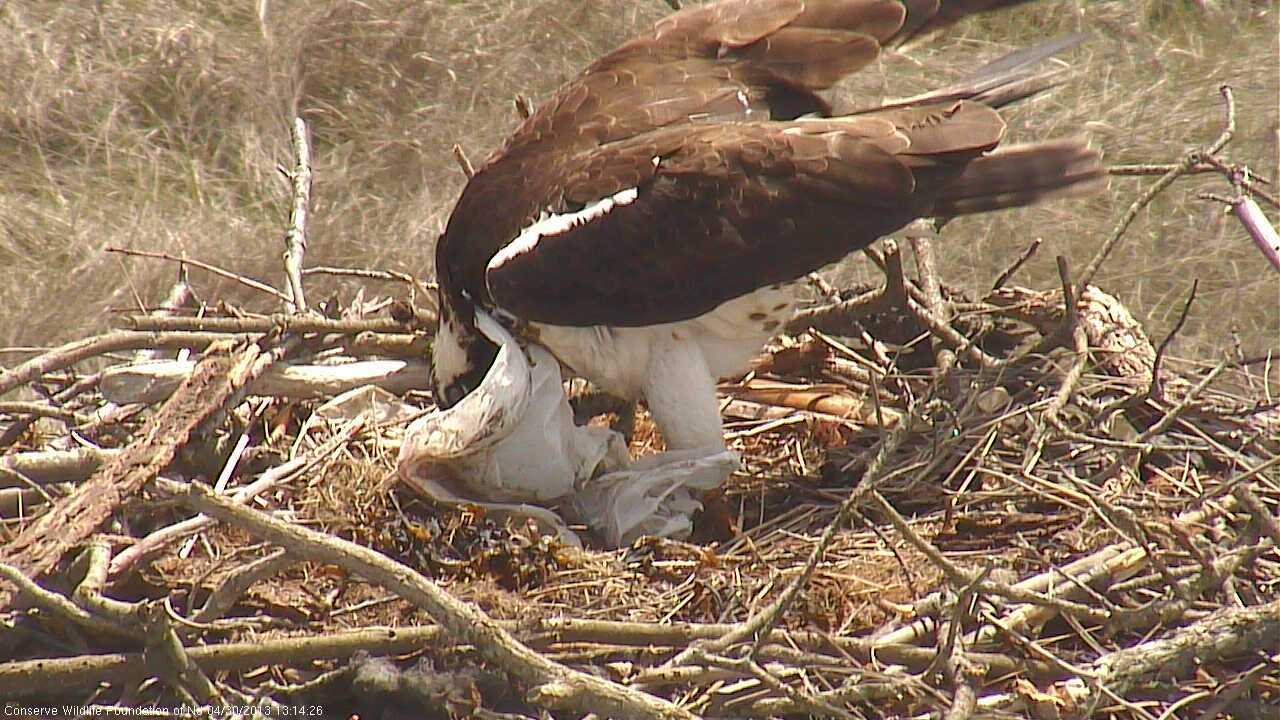
We had quite a scare last week, on April 30th around 12:30pm, after getting a report from an observer of our Osprey Cam on our Facebook page. A single use plastic shopping bag had gotten wrapped around the neck of the incubating female. After getting the report we started to monitor the situation to see how it would unfold. The bag was loosely wrapped, so we hoped she would be able to free herself…which she did after an hour.
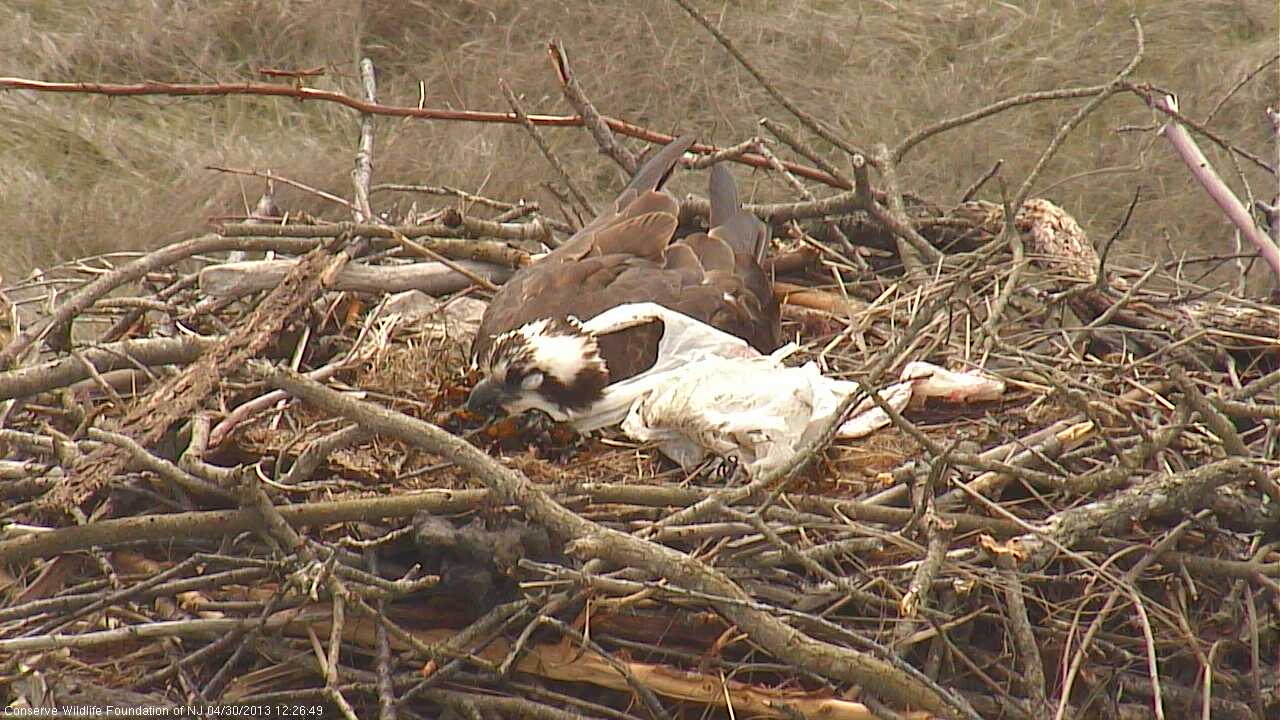
Here you can see the single use plastic bag around her neck.

A lot of viewers and FB fans were asking why we weren’t going out to remove the bag from her neck. We answered each and every question to help make sure people knew that we were doing everything we could to protect her safety. First, we couldn’t just walk out to the nest (which is out in the middle of the salt marsh) without the female reacting to us and flying off the nest (with the plastic bag around her neck). Her flying off the nest with the bag around her neck would have only caused even more harm to her. She could have gotten snagged on a piece of nesting material and in the struggle could have choked to death or she could have fractured one of her eggs… Second, if she would have been tied down to the nest, then we would have enacted a plan to go out to the nest (after a certain amount of time) and released her. Our policy is that we will only intervene if it is a life or death situation. When we enter their nest sites we introduce stress to the birds which can ultimately do more harm than good. Finally, at least we have a camera to monitor the nest! Think of all the other 500+ nests in New Jersey where we only go out to monitor them once or twice during the nesting season. So much plastic winds up in osprey nests that it is a serious concern. People need to be more aware of their surroundings and do their best to make sure waste is properly disposed of.

There are ways you can help make a difference:

  1. Reduce the amount of stuff you buy and the amount of trash you produce
  2. Reuse what you can, recycle what you can’t
  3. Pick up litter when you see it. There is a great movement in Australia called “Take 3” and their message is simple: “Take three pieces of rubbish with you when you leave the beach, waterway or… anywhere and you have made a difference.”  
  4. Stop or reduce your dependence on single use plastics
  5. Use reusable shopping bags
  6. Don’t release balloons!
The female struggles to get free of the bag.

Statistics for plastic recycling are dismal… According to the U.S. Environmental Protection Agency “In 2010, the category of plastics which includes bags, sacks, and wraps was recycled at almost 12 percent.” We’re lucky that she was able to free herself. This just proves that ospreys do not have an easy life. There are many threats to ospreys and they have very high mortality rates, which are around 80%.

On the positive side, the female and male continue to incubate three eggs at Edwin B. Forsythe NWR. We should start to watch for hatching around May 19-20th. We have been writing nest news with other life history information on a weekly basis on our Osprey Cam page.


Ospreys are back!!

Meet the osprey pair at Nest #2835

by Ben Wurst, Habitat Program Manager

I must admit, I’ve been anxious for the return of this pair of ospreys (and all others for that matter). The return of ospreys is a sign of spring, regrowth, and of recovery (from the effects of Superstorm Sandy) as we watch them rebuild their nests as we have helped to repair and replace many of their nesting platforms throughout our coast.

Over the past 6 weeks I had the task of installing a new remote/solar powered/high definition camera system on the coastal salt marsh of New Jersey. The camera system was installed inside Edwin B. Forsythe National Wildlife Refuge in Oceanville next to an existing osprey nesting platform. The camera system streams live video 24/7 from the nest to the Visitor’s Center at Forsythe and on our website. Since the system has been installed we’ve had crows, peregrine falcons (one that was a juvenile who was ID’d by her leg band and originated in Delaware), and a great horned owl (not good since owls are predators of osprey young) perch on the platform.

The nesting pair of ospreys arrived back from their wintering grounds on Friday, March 29th. We don’t know anything about the breeding pair other than neither is banded with USGS bird bands. The female has a very heavily streaked and prominent “necklace” of brown feathers on her breast. The male is  smaller and has a bright white breast. Since arrived they have already been copulating (breeding) on the nest and will continue to do so over the next few weeks until the female will lay eggs in late April. For now they will continue to spruce up their nest and the male will perform courtship displays, after a successful hunt or while carrying nesting material, near the nest to help strengthen their pair bond.

There is a microphone out at the nest and it works. Some issues have come up with pairing the sound and video feeds and we are working on getting that sound online. I will be writing a weekly “Nest Cam News” journal on the Osprey Cam page with information about osprey reproduction, life history and other cool facts about ospreys! Some other great news is that the Wildlife Drive at Forsythe NWR will be open this weekend!!

Female osprey at nest #2835
Male osprey at nest #2835

Marine Debris

Threatens NJ’s wildlife

by Ben Wurst, Habitat Program Manager

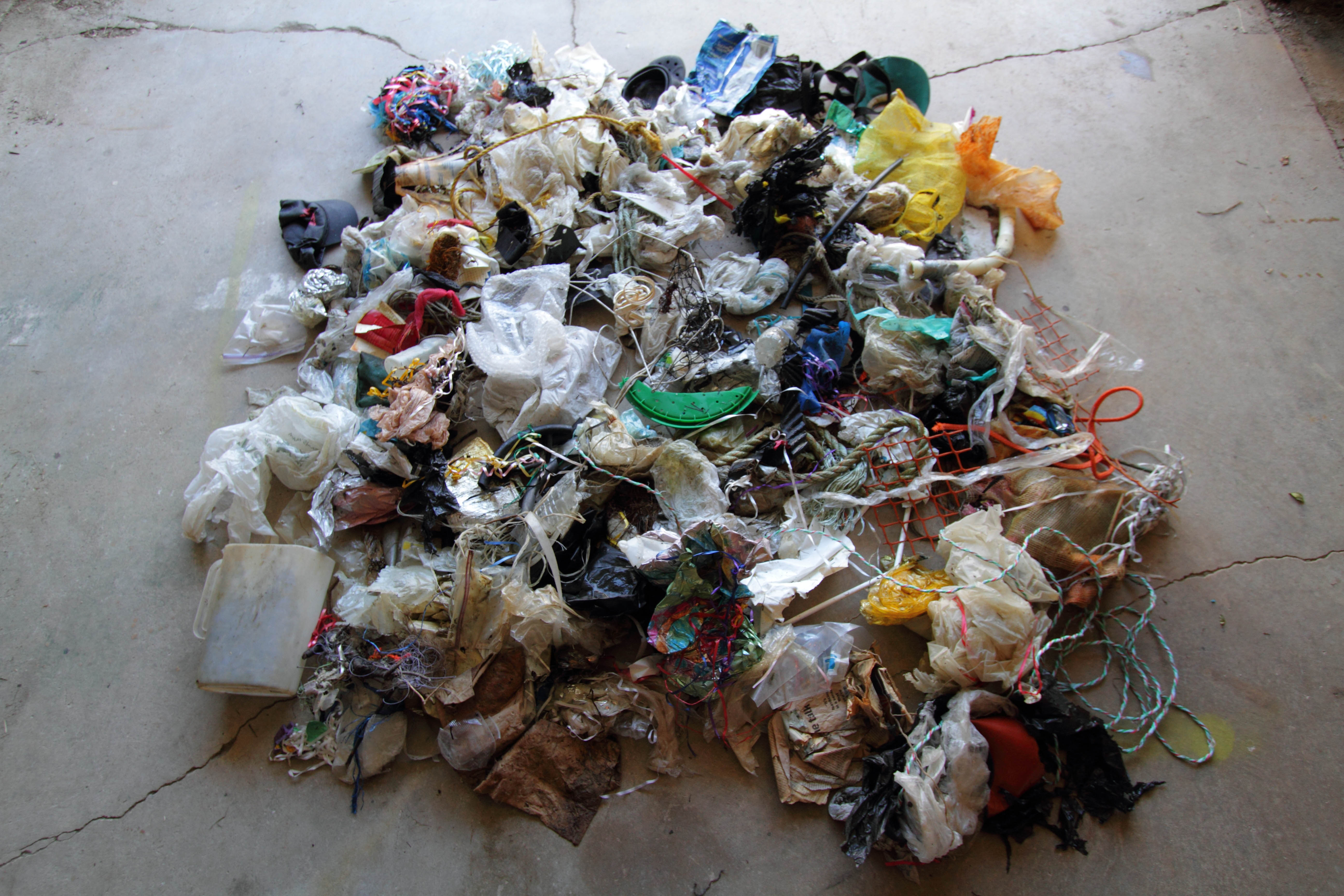
Trash collected from 112 osprey nests from as far north as Monmouth and south to Atlantic City, New Jersey. © Ben Wurst

Marine debris (specifically plastics) have become a  serious problem in coastal areas throughout the world, especially in the Pacific Ocean where gyres create large floating “garbage patches.” I work out on the back bays and salt marshes throughout the coastal region of New Jersey as I help to monitor and manage ospreys and their nesting platforms. Every time I’m out I encounter trash. Most of it accumulates along the wrack line on the higher portions of the marsh where storm surges, high winds, and during spring tides (during full and new moon phases) push it onto the marsh. This debris then makes its way into the nests of ospreys because this is where they collect most of their nesting material.

Continue reading “Marine Debris”