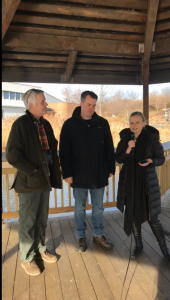
The WNET-PBS Nature program Peril & Promise’s second live interview with Conserve Wildlife Foundation marked the Great Backyard Bird Count by focusing on the inspiring recovery of the bald eagle. This interview, taking place at DeKorte Park in the Meadowlands, features program host Emily Harris speaking with CWF Executive Director David Wheeler, CWF Trustee Kumar Patel, and Jim Wright, who has written two e-books about bald eagles.
Holding an authentic (empty) can of DDT, Wright noted, “Eagles had some tough times…with things like DDT, a really nasty pesticide that got into the food chain and would get into the fatty tissues of the bald eagles, and they had trouble laying their eggs because their eggshells were so weak. It got to the point in New Jersey where they were down to one nesting pair in the late 1970s, and they were not producing eggs…. But now there are…approximately 170 nesting pairs in New Jersey, including two right here in the Meadowlands.”
We were subcontracted by NJDOT to install a new nesting tower for peregrine falcons in Stafford Twp., Ocean County. We’ve assisted NJ Fish & Wildlife with monitoring the falcon nest that was previously located beneath the Route 72 Causeway Bridge for the past several years. The new tower is located on Bonnet Island and highly visible on the eastbound side of Route 72. Continue reading “Photos From the Field: Bonnet Island Falcon Tower”
The WNET-PBS Nature program Peril & Promise celebrated the Great Backyard Bird Count with two live interviews with Conserve Wildlife Foundation at DeKorte Park in the Meadowlands.
In the first live interview, CWF Executive Director David Wheeler and Jim Wright, who has written widely about birds and the Meadowlands, discussed the importance of bird counts to CWF’s work, and the growing threat of climate change on bird populations around the world.
Climate change is “toughest on the migrants,” said Wheeler. “When you think about a bird leaving its neotropical wintering grounds in Central or South America and then coming up to New York or New Jersey, that’s a leap of faith that everything is as it has always been. But in reality, as spring seems to arrive earlier each year along with the leaves, the foliage, the insects, basically the bird risks coming back to a depleted prey resource – and they can struggle to survive.”
Richard W. DeKorte Park is a nationally recognized birding hotspot along the Atlantic Flyway with 3.5 miles of walking trails in the shadow of the Manhattan skyline, part of the Meadowlands region where over 285 bird species have been identified. It is managed by the New Jersey Sports and Exposition Authority.
CWF’s bald eagle project was featured in a news feature today on New Jersey 101.5 FM.
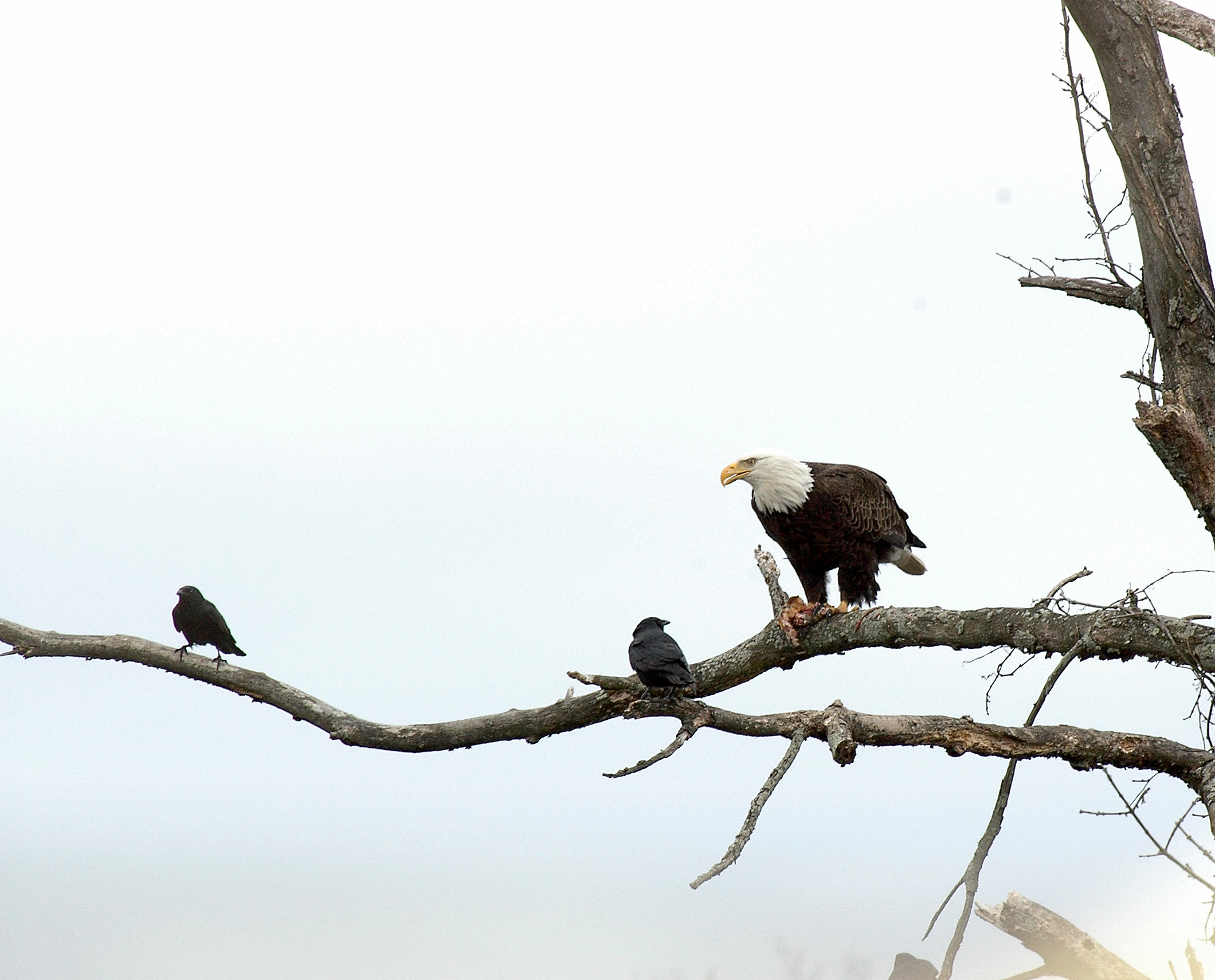
Bald eagle nesting season is underway! photo by Ken Connelly
January kicks off bald eagle nesting season in the Garden State, and biologists from CWF and the Endangered and Nongame Species Program are working with volunteers across the state to monitor the nests of approximately 150 bald eagle pairs – up from 1 nesting pair just a few decades ago!
Statewide Census Documents over 650 nesting pairs in New Jersey
by Ben Wurst, Habitat Program Manager
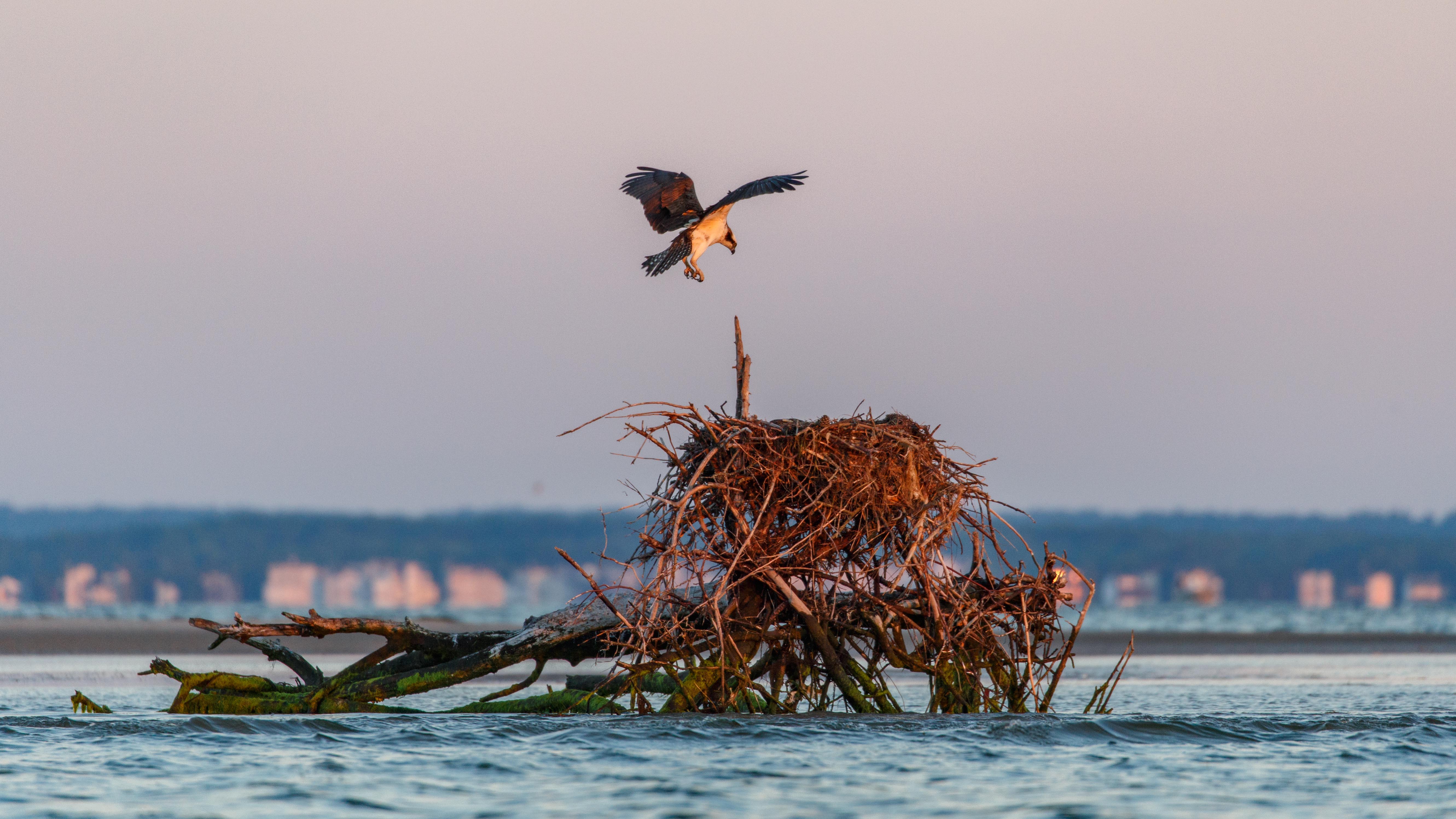
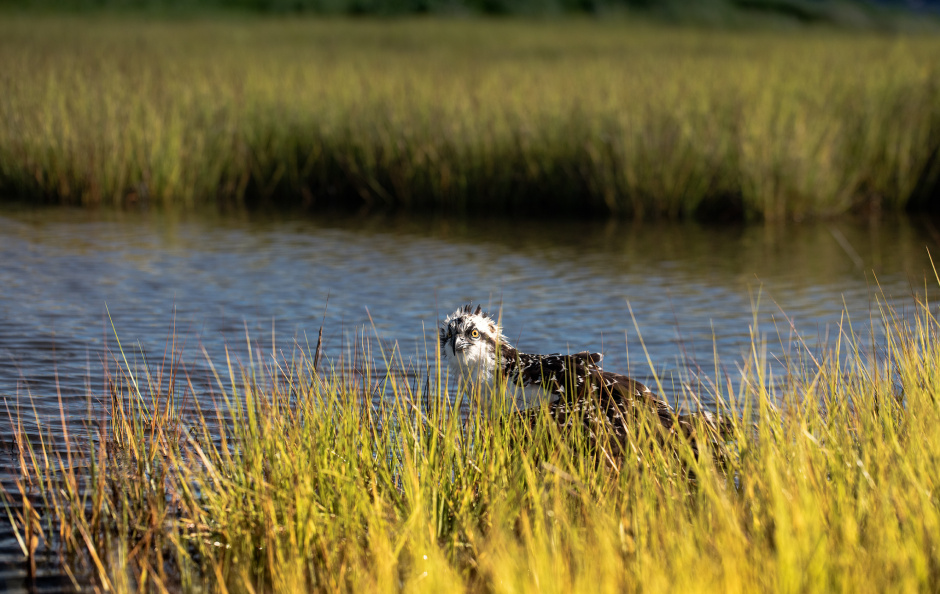
An osprey prepares to land on a natural nest. Barnegat Bay, NJ.
Since we began to work more closely with ospreys in 2006, we have documented the population grow beyond the historic population estimate of 350-450 nesting pairs (Henny 1977) to a new historic milestone. In 2017, a total of 668 active nests were recorded during a statewide census of nesting ospreys, which is well above the post-DDT milestone of 500 nesting pairs, and show that the population continues to grow. This is the second census conducted without the use of manned aircraft since 2009 after all known osprey nests were released and mapped online in 2013. Despite the lack of aircraft, we’re still able to obtain an accurate representation of the size and health of the statewide population, while reducing the overall project cost. Continue reading “Osprey Numbers Surge Above Post-DDT Milestone”
Nests on towers and buildings maintain stability in the state population
by Ben Wurst, Habitat Program Manager
Jersey City tiercel. photo by Ben Wurst
Results from the 2017 nesting season for peregrine falcons was released in a report from New Jersey Fish & Wildlife’s Endangered Species Program, and falcons had a decent year. New Jersey’s population remained stable with 32 active nests (with 34 known pairs) as compared to last years’ results of 30 active nests (35 known pairs). Nest success was slightly better than last year, with 22 pairs producing 52 young as compared to 20 pairs producing 47 young. The productivity rate, which is a measure of the health of the population, was very close to what was observed in 2016 at 1.59 young/active nest. Continue reading “New Jersey Falcons Remain Stable in 2017”
In Part I of this series, I discussed the drastic loss of grasslands in New Jersey and the importance of preserving and restoring this disappearing habitat for grassland-dependent bird species. Due to this habitat loss, in much of the northeastern United States (including New Jersey) airports have become significant breeding grounds for many threatened and endangered grassland birds. In fact, airports are often the only suitable habitat available for New Jersey’s rarest grassland bird, the upland sandpiper. If these large expanses of open fields are managed properly, they can support nesting birds while still remaining safe for aircraft operation. This is the goal of CWF’s new restoration project at one of the most critical breeding sites in New Jersey.
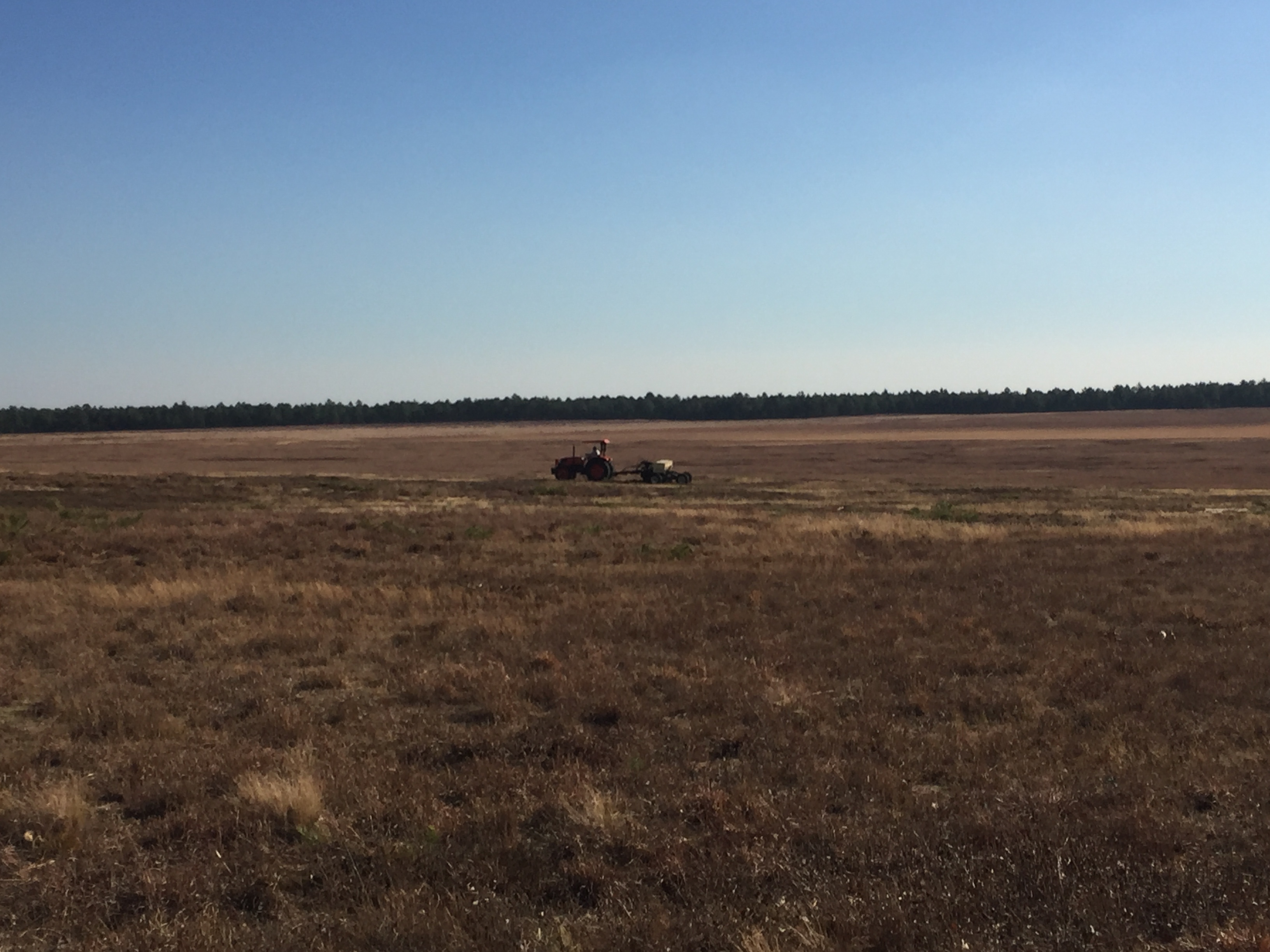
Restoration site at Lakehurst breeding grounds, December 2017. Photo by Meghan Kolk.
The Joint Base McGuire-Dix-Lakehurst (JBMDL) in central New Jersey hosts the largest known breeding colony of the endangered upland sandpiper (Bartramia longicauda), and the second-largest known breeding colony of the threatened grasshopper sparrow (Ammodramus savannarum) in the State. The bobolink (Dolichonyx oryzivorus), savannah sparrow (Passerculus sandwichensis), horned lark (Eremophila alpestris) (all threatened) and eastern meadowlark (Sturnella magna) (special concern) all make a home here as well during the nesting season. CWF has partnered with the U.S. Fish and Wildlife Service to restore hundreds of acres of this vital land to increase suitability and to alter management practices to benefit both wildlife and airfield operations. Continue reading “Grassland Birds of New Jersey”
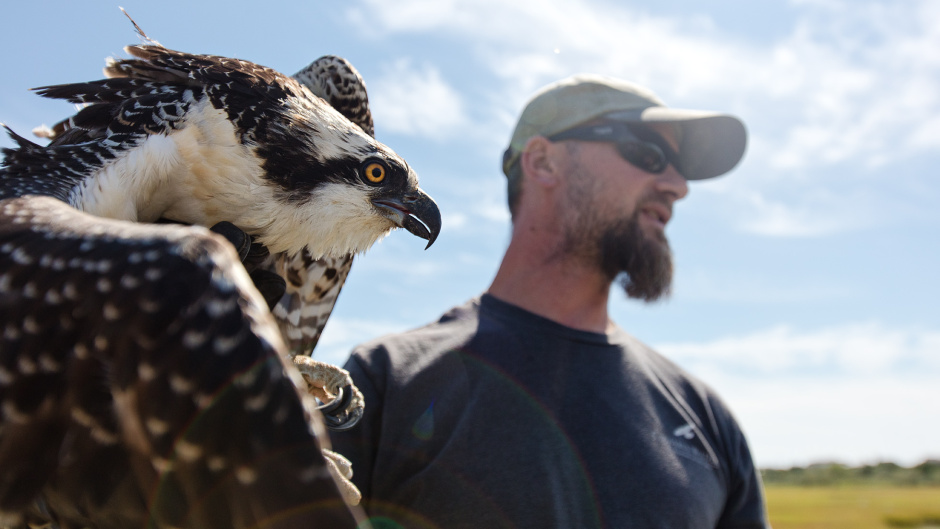
Ready to release Chump. RIP, Chump! photo by Northside Jim.
I thought long and hard about sharing this news, hence the delay in this post. In late October, we received news that a young osprey I banded this summer was re-sighted. It turns out that this bird was not your average young osprey, out of the 892 produced this year. This young bird hatched at a nest behind the Long Beach Island Foundation of the Arts & Sciences, around June 11th, a nest referred to as home to “LBI’s Most Famous Osprey Couple, Jack & Wendy.”He was banded, along with his nestlings, on July 5th. He was tagged with a red auxiliary “field readable” band: 78/D, as part of Project RedBand, which allows fellow biologists and citizen scientists the ability to identify the bird while still alive (most osprey band reports occur during mortality based events). At the time of banding, he was also given the name Chump, by Northside Jim.
ACTION ALERT: Support ecological management of the most valuable public resource for our coastal ecosystem and economy
by Ben Wurst, Habitat Program Manager
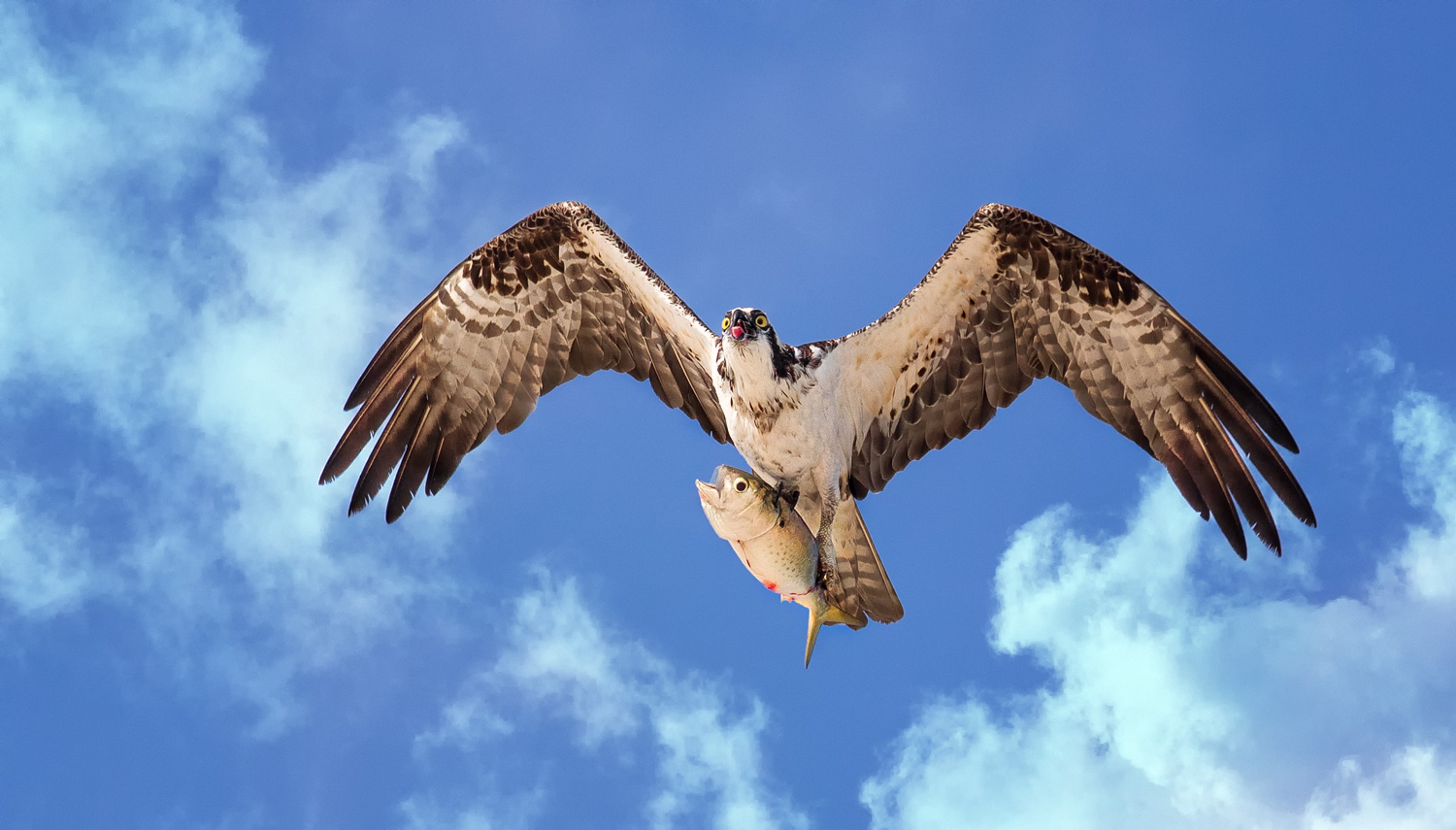
Menhaden is a common food source for ospreys during their nesting season in New Jersey. Photo by Northside Jim.
The Atlantic States Marine Fisheries Commission is accepting public comment on the establishment of ecological management of Atlantic menhaden (Brevoortia tyrannus), which is a keystone species. Basically, a keystone species is one that plays a large role in the ecosystem where it lives. If a keystone species is lost then the ecosystem would dramatically change or cease to function, causing widespread effects to other species that benefit. In New Jersey, ospreyshave largely benefited from a healthy menhaden population as we’ve had relatively high reproductive rates (more than double what’s needed to sustain population) over the past decade. From 2006 to 2016, the population has grown by 30% and above the pre-DDT, historic milestone of over 500 nesting pairs. Around 82% of the state population of ospreys nests along the Atlantic Coast and we observe menhaden at a huge number of nests during our mid-summer surveys. If menhaden numbers drop, then we will likely see osprey numbers follow suite, as reproductive rates will decline, as they are in the Chesapeake Bay.
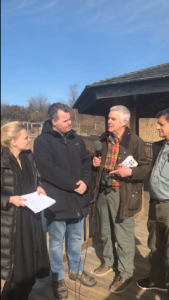 The WNET-PBS Nature program Peril & Promise’s second live interview with Conserve Wildlife Foundation marked the Great Backyard Bird Count by focusing on the inspiring recovery of the bald eagle. This interview, taking place at DeKorte Park in the Meadowlands, features program host Emily Harris speaking with CWF Executive Director David Wheeler, CWF Trustee Kumar Patel, and Jim Wright, who has written two e-books about bald eagles.