A couple weeks ago colleagues with NJ Fish & Wildlife shared a video clip of a dark osprey who landed on a nest platform along the Maurice River near Leesburg, NJ. “Looks like an oiled bird” the text read. Indeed it looked like the bird was exposed to some form of petroleum product, which stained its feathers a dark color. At the time, there was no oil spill reported to NJDEP (this was on May 10) and the video shows that the bird was observed on the nest on May 1, 2021.
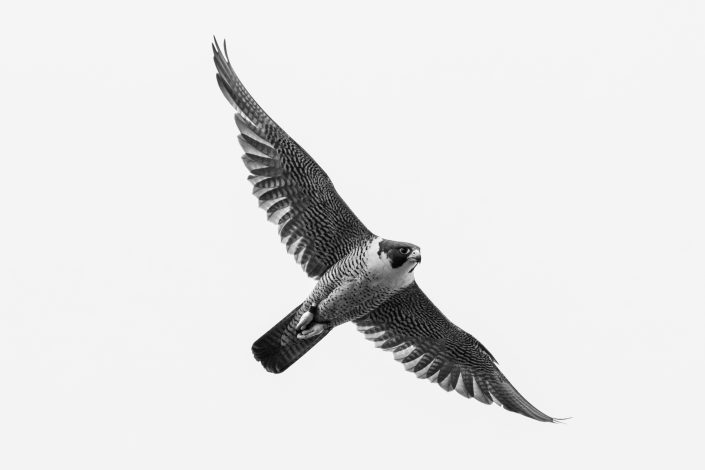
Female falcon 02/AN. She originated from a coastal nest in Bass River in 2011. Here she was photographed at her nest in May 2020 at Sedge Island.
Just imagine having to defend your home from an invader who wants to steal your home and mate. All you have to protect yourself and home are your bare hands (or talons). You fought this same battle several years ago and staked your claim here. It was a hard won battle that could have been the end.
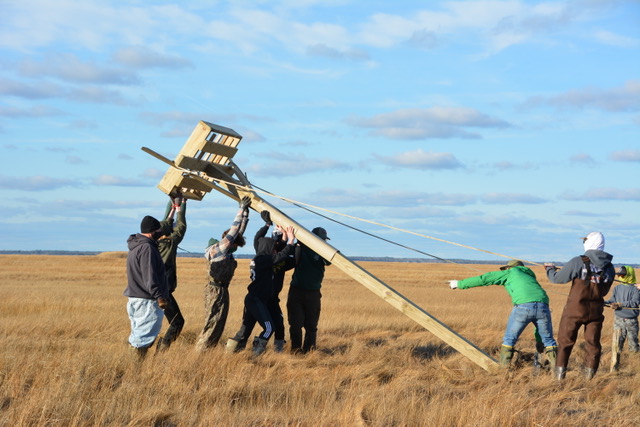
Ben Wurst, CWF Habitat Program Manager (right) with local volunteers, AC Electric and DuBois Environmental Staff who helped install this osprey nest platform in Atlantic City.Continue reading “Photo From the Field: #213”
During the peak of my field season last year I exchanged emails with a kind man who reported terrapins nesting in his yard. He wanted to do everything he could to ensure their success. A couple weeks later Bobby reached out to say how much him and mom loved the Barnegat Light Osprey Cam and how “the birds generally wake her up before her alarm.” He also mentioned how she delayed gardening because “dad is due with a fish any minute now. I’m just waiting to note the time then I’ll go play.” She was contributing observations of prey deliveries for research we conducted at the BL Osprey Cam last summer.
Eagle Scout candidate Kyle Agudo and Boy Scout Troop 61 give ospreys a boost in the new year
Ben Wurst, Habitat Program Manager
Troop 61 lift an osprey nest platform into place on the coastal saltmarsh. photo by Kathy Agudo.
Humans have played a key role in the recovery and stability of nesting ospreys throughout New Jersey and beyond. Today around 75% of the population, close to 500 pairs, rely on nest platforms designed specifically for them. They provide a stable nest platform, adequate perches, and protection from potential ground predators, aka raccoons. Many platforms are located in very close proximity to people, which make for excellent viewing and educational opportunities. Ospreys are a symbol of a healthy coast and resiliency in a dynamic region.
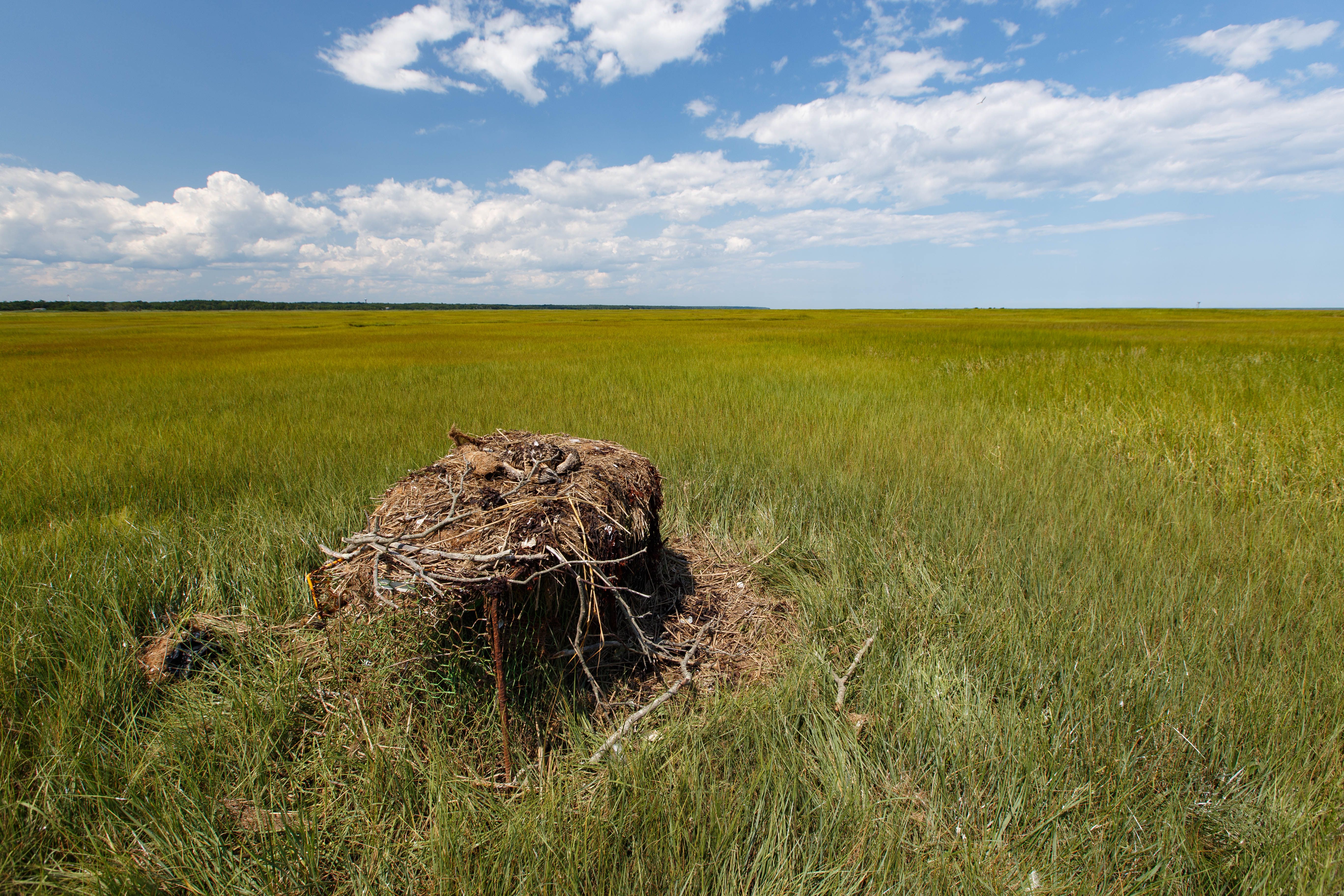
A ground nest with three young. photo by Ben Wurst
It’s not very common to see ospreys, a large predatory bird, nest on the ground. Despite the rarity of these sightings, it has become more common and acts as a glimpse into the past (and future), before humans dominated the landscape. Today, more and more ospreys are building nests on the ground and snags over water.
Summer is here. As we reach the peak of the osprey nesting season in New Jersey, we conduct surveys to monitor their overall nest success and health of the state wide population. These surveys are conducted by specially trained volunteers who devote much time to ensure ospreys have a future in New Jersey. These surveys have been conducted every year since the early 1970s and are crucial to track any possible downturn in a colony, watershed or region of the state. Ospreys are a very important indicator of the health of the environment in which they live. This is especially important in coastal areas where they support a booming shore economy that is built around clean water and abundant marine/estuarine ecosystems.
by Marissa Murdock, 2019 NJ Osprey Project Intern; Rider University ’21
Marissa holds osprey 83/K who was banded after pre-maturely fledging and landing on the ground.
This past summer I was lucky enough to work with Conserve Wildlife Foundation as a volunteer student intern. I worked alongside Ben Wurst, CWF’s Habitat Program Manager, helping with the New Jersey Osprey Project. My internship consisted of assisting with osprey surveys, banding young, and recording data so that we can estimate the health of the population in New Jersey.
On the last osprey survey of the season we stumbled upon a new nest — one that was built on an abandoned crab pot. We were drifting on Absecon Bay when summarizing data when we heard an adult making defensive calls at a nest. We looked and saw a low nest on the ground.Continue reading “Photos from the Field: Ospreys Nest on Abandoned Crab Pot”