Planting for the Future at Blue Acres
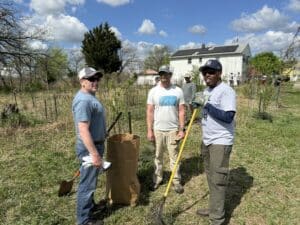
On April 17, the Conserve Wildlife Foundation of New Jersey gathered at Tremley Point in Linden for the Blue Acres Floodplain Restoration Spring Planting and Clean-up Day. In partnership with Phillips 66, Infineum, FirstEnergy, Groundwork Elizabeth, and the City of Linden, volunteers planted trees, cleared invasive weeds, and enhanced green spaces.
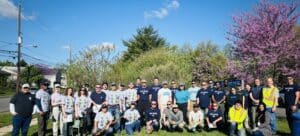
This ongoing restoration project, launched in 2020, focuses on protecting flood-prone areas, creating wildlife habitat, and strengthening climate resilience. During the event, the team planted 60 native trees and shrubs and removed debris, improving site conditions and supporting the return of native vegetation. These efforts help reduce pollution and create a healthier environment for both wildlife and the surrounding community.
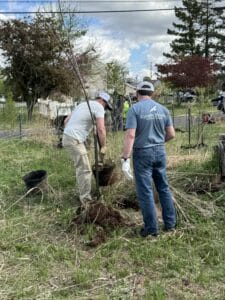
The New Jersey Department of Environmental Protection’s Blue Acres Program focuses on acquiring properties in flood-prone areas, relocating residents, and converting those vulnerable lands into natural floodplains. These restored areas serve as buffers during storms, absorbing excess water and reducing flood risks for surrounding communities.
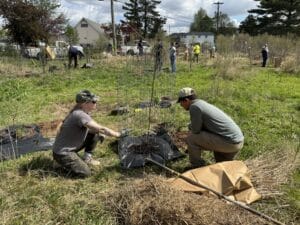
The April 17th visit brought together a great group of partners and volunteers, all working toward a shared goal of restoring the ecological function of the site while enhancing its value for the community. Each planting contributes to stabilizing the soil, improving water quality, and rebuilding habitat for native wildlife. Over time, these efforts help transform previously developed land into thriving green space.
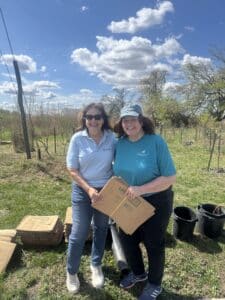
Native plants play a big role in this work. By reintroducing species adapted to local conditions, the team helps outcompete invasive plants while creating habitat for pollinators, birds, and other wildlife. These plantings also improve the site’s ability to filter runoff and reduce erosion which is an important function in areas that regularly experience flooding. Rain gardens and low-lying areas across the site further enhance stormwater management while supporting biodiversity.
Projects like Blue Acres highlight how conservation and climate resilience go hand in hand. By restoring floodplains and wetlands, these sites not only provide critical wildlife habitat but also help safeguard nearby communities from the increasing impacts of severe storms and sea-level rise. The work completed on April 17th is one piece of a much larger effort. One that will continue to evolve as native vegetation establishes and the landscape gradually returns to a more natural state.
Discover more from Conserve Wildlife Foundation of NJ
Subscribe to get the latest posts sent to your email.