Our website features profiles on every one of New Jersey’s 73 Endangered or Threatened species in our Online Field Guide. Now, we’re beginning to profile New Jersey’s Species of Special Concern. The term “Species of Special Concern” applies to species that warrant special attention because of some evidence of decline, inherent vulnerability to environmental deterioration, or habitat modification that would result in their becoming a Threatened species. This category may also be applied to species that meet those criteria and for which there is little understanding of their current population status in the state. There are currently 108 species within New Jersey with the Special Concern status. So far, we have profiles for 18 of those species.
Wildlife Preservation Club members build bat houses for NJ bats
by Maria Grace, Education & Outreach Manager
On Tuesday, December 14th, I had the pleasure of working with over 60 middle school students from 2 Union Township (Union County) schools, Burnet Middle School and Kawameeh Middle School. Larry Petras, Advisor of the club, received a grant to educate the club members about bats and build and install bat houses around the township. Mr. Petras reached out to Conserve Wildlife Foundation to help fulfill his and his students wishes of improving bat habitat throughout their community. So with wood, caulk, screws, and power drills in tow, I arrived at Burnet Middle School to assist the students in building bat houses that will be placed around the township to bolster the bat population.
First, I gave a presentation about bats – their natural history, habitat requirements, and importance to the environment. Afterwards, the over 60 students were broken into groups and given the task of building 3 chambered maternity bat houses, capable of holding of approximately 80 bats.
I have run many bat house building workshops over the last couple of years and I always describe the scene as “controlled chaos.” Enthusiastic kids with power tools, staple guns, and caulking guns, can make any educator a bit tense. And to top it all off, this group was the largest group that I had ever done a bat house buildilng workshop for – over 60 middle schoolers! (we usually top out at about 25 students for building 5 bat houses.) But Mr.Petras assured me that the students would be well-behaved and respectful of the work that would be completed.
The kids moved through the task with shining colors – I was so completely impressed with how the students worked together and allowed each other to help build the houses. They made sure everyone had a turn working with the tools. Those that knew how to use a caulking gun or a power drill, taught those who did not. The satisfaction of building something from a pile of wood was evident in the buzz that hummed throughout the room.
The end result was 5 bat houses capable of holding 400 or more bats. With plans to build more bat houses, Mr. Petras and his students are well on their way to doing their part to conserve wildlife in their community.
To Mr. Petras and his students, thank you for wanting to help protect New Jersey’s imperiled wildlife. It is inspiring to see such enthusiasm and dedication in a group of young people. I hope you enjoyed the project as much as I did.
Bats get a bad rap – they are blind bloodsuckers that get caught in our hair. But these are all myths and this post is going to bust them!
There are no bloodsucking bats in the U.S. Yes, there are vampire bats in the world (3 species live in the tropics from Mexico to Brazil, Chile, and Argentina) and while they do rely on blood for their sustenance, they don’t view people as a food source. They usually pierce the skin of livestock such as cows, goats or chickens, and gently lap the blood from the wound (similar to how a dog licks water from a bowl).
Bats are not blind. Most species of bats have very good eyesight but they usually depend on their sense of echolocation to navigate through the world. They emit high frequency sounds into their environment and these sounds bounce off objects and back to the bat. The bat is then able to interpret the sounds and create a picture of what their environment looks like.
Bats rarely get caught in human hair. Bats, using their sense of echolocation, can detect objects as fine as a single human hair in total darkness. They are not aggressive animals but they can fly too close to people while feeding on insects or when flying low over water to take a drink.
Beneficial bats eat bugs. Bats are incredible animals and do a lot for us. All nine species of bats found in New Jersey eat insects, consuming one-third of their weight in bugs each night. Bats play essential roles in keeping populations of night-flying insects in balance. Just one bat can catch hundreds of insects in an hour, and large colonies catch tons of insects nightly, including beetles and moths that cost American farmers and foresters billions of dollars annually, not to mention mosquitoes in our backyards.
Bats play a key role in pollination. In other areas of the world, bats are the primary pollinators for many desert plants like the saguaro and organ pipe cactus as well as many species of agave. Bats also help in the pollination of fruits and veggies like bananas, avocados, coconuts, vanilla, dates, and mangoes.
Bats also help in seed dispersal. In fact, seeds dropped by bats can account for up to 95 percent of forest regrowth on cleared land. Bats spread the seeds of almonds, cashews, and chocolate. Did you read that? CHOCOLATE! Bats help us to have more cacao trees, which produces the yummy main ingredient of our favorite Halloween treats!
So instead of screaming and freaking out if and when you see a bat, why don’t you stop and appreciate it and maybe say a little “thank you” for all the wonderful benefits they provide to us. Halloween wouldn’t be the same without bats and the delicious m&m’s, snickers, and Almond joys are made possible because of the wonderful, now better understood, bats of the world.
Enter the 2011 Species on the Edge Art & Essay Contest!
by Maria Grace, Education & Outreach Manager
Open to all 5th graders throughout New Jersey, the very popular Species on the Edge Art & Essay Contest encourages students to think about rare wildlife in New Jersey, not just on television.
To enter the contest, students research a species of wildlife that is rare or endangered in New Jersey. They write an essay detailing the needs of the species and the challenges to its future existence. They then create artwork – a painting or collage – depicting their chosen animal in its natural habitat.
Over the past 8 years, almost 20,000 students have entered the contest and have expanded their knowledge about New Jersey’s imperiled wildlife. Hundreds of teachers throughout the state have participated in the contest and have praised its interdisciplinary approach and its ability to create a deep appreciation for nature:
“My students love the Species on the Edge Contest because they enjoy learning about the many endangered animals in New Jersey, which fits into our curriculum. The contest helps raise their awareness about how humans interact with the natural world. My students take ownership of one species, and through artwork and research, they express their concerns about the environment and how to protect it.”
–Mary Keyser, Maple Road School, West Milford, NJ
A winner is chosen from each county in NJ, 21 winners in all. The winning artwork and essays become part of a statewide traveling exhibit, helping to raise awareness for New Jersey’s endangered wildlife. Finally, the winning entries are published in a beautiful, colorful calendar to help inspire people to conserve wildlife throughout the year!
2011 Species on the Edge Calendar
The contest is free and it’s easy to participate! Download your contest kit today from our website. The kit contains everything you need to participate – lesson plans, entry forms, and a list of approved resources for research.
The 2011 Species on the Edge Calendar is now available in our store for only $8. It makes a great gift for friends, family, and co-workers. Get your copy today!
As the Barnegat Bay Birder-in-Residence for CWF of NJ I led a total of 4 Bird Walks and 4 Birding by Kayak Tours in Island Beach State Park. It was very successful with a total of 60 people attending the Birding by Kayak trips and a total of 34 participants for my bi-weekly bird walks. There were many repeat customers, mostly from participants that enjoyed the Birding by Kayak trips so much so they wanted to attend my bird walks too. The participants ranged from beginners to excellent and avid birdwatchers. So it was a nice mix of skill levels of bird identification abilities on the trips. The Birding by Kayak tours were sponsored by the Friends of Island Beach State Park, so they advertised those tours via the IBSP Visitor Guide. As for my bird walks I advertised them by printing out flyers and distributing them to local businesses like Big Ed’s produce, Lavallette Post Office, Wild Birds Unlimited and Cattus Island County Park. Also Pete Bacinski of Sandy Hook posted my walks in the Rare Bird Alerts which is posted on the JerseyBirds forum. And of course, they were posted on CWF’s Calendar of Events.
The tours were extremely successful in seeing all of the common birds of the Barnegat Bay area as well as numerous uncommon to rare sightings. Each kayak tour gave participants the chance to see and compare all the herons and egrets that inhabit the saltmarshes of Barnegat Bay. Each tour there were juvenile Little Blue Herons, which are all white, and the later tours had Black-crowned Night Herons. More than once we got to see beautiful and not too common shorebirds like Whimbrels and Marbled Godwits along with the much more common sandpipers and plovers. Other great shorebirds seen on the BBK trips were Pectoral Sandpipers and a Solitary Sandpiper. We even had a Caspian Tern amongst the Royal Terns. It seems that Ospreys were even more abundant this year than last year, with plenty of hatch year juveniles around in late July and August. Also, American Oystercatchers seemed unusually abundant this year.
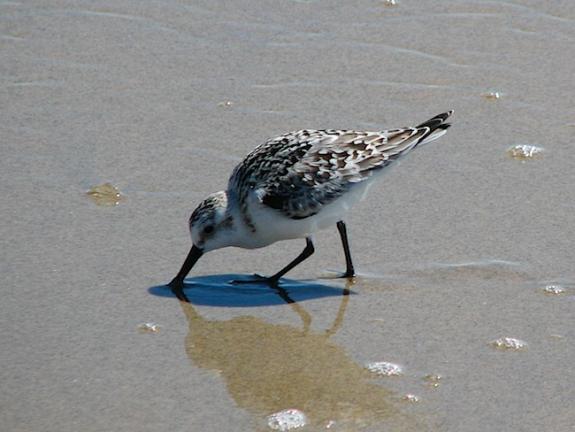
The bird walks also produced some exciting and uncommon birds. Least Terns seemed to be in pretty high numbers in August. Also we had multiple Black Tern sightings in and around the inlet area. One of the best finds was a group of 8 Common Eiders that decided not to migrate to their arctic breeding grounds and just stay in Island Beach for the summer. We also had 1 single Piping Plover feeding amongst the Sanderlings and Semipalmated Plovers on the shoreline. That was only the second Piping Plover I have ever seen at IBSP in my life. So all in all, it was a very successful season with very successful tours and each participant walked away with a greater appreciation of the magnificent birdlife that relies on the Barnegat Bay area for their survival.
Kids spend a week exploring the natural wonders of Barnegat Bay.
By Maria Grace, Education & Outreach Manager
Earlier this month, 14 kids from across the state, got to spend the week in Barnegat Bay. They were the first participants in the Sedge Island Summer Field Experience, a week long immersion that took place at the Sedge Island Natural Resource Education Center, a facility run by the NJ Division of Fish & Wildlife within the Sedge Island Marine Conservation Zone.
Participants from the first Sedge Island Summer Field Experience.
This outstanding group of kids spent time clamming, kayaking, bird watching, fishing, fish tagging and even saw diamondback terrapins hatching. Each day a different activity was organized by our friends and partners in the conservation community and each night, the group reflected on their activities by writing in journals provided especially for this experience. These kids were privileged to learn from the experts – biologists and environmental specialists who work on various topics like shellfish restoration, bird and terrapin conservation, to oceanography.
On the last day of the experience, the kids welcomed their families to the island and the kids taught their parents about Barnegat Bay and its natural wonders. All involved considered this pilot program to be a great success that will be duplicated in future years. If you are interested in applying to attend future Sedge Island Summer Field Experiences, please email maria.grace@conservewildlifenj.org.
Every Thursday this summer, I am leading birding trips throughout Island Beach State Park. One week we walk, the next week we paddle. This Thursday, August 5th, I will lead a walk amongst the sand dunes and along the bay. The following Thursday, August 12th, we will paddle throughout the Sedge Islands.
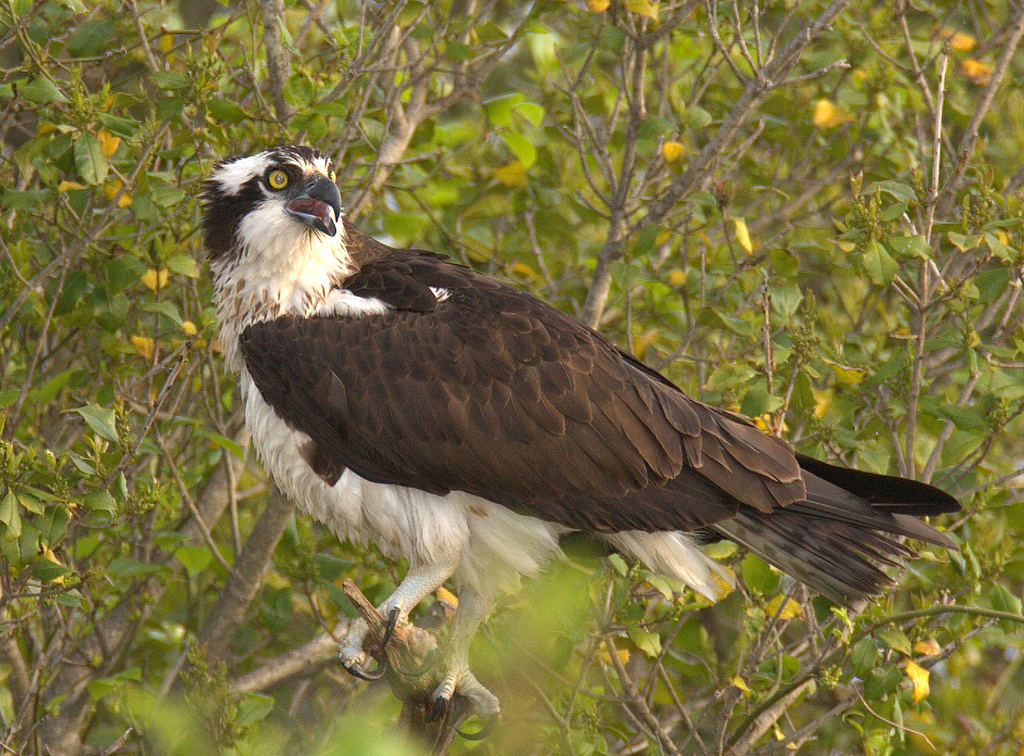
Over the past couple of weeks we have seen a number of uncommon birds as well as some more common species. The interesting birds of the July 15th trip included numerous ospreys collecting nesting material and hunting and capturing fish to take back to their nest and feed their young; a great view of a flock of glossy ibis flying in the distance; and great views of Forster’s terns and double crested cormorants. The highlights of the trip on July 29th included a marbled godwit on a sandbar directly in front of the kayak launch; 12 whimbrels flying overhead; and a single brant near the mouth of Spizzle Creek. The number of shorebirds are steadily increasing in the bay as we move towards fall migration.
I hope you can join me on a walk or a paddle this August. The remaining walks for the season are August 5th, August 19th, and September 2nd. For more information about the bird walks, please call (609) 984-0621. The remaining kayak trips are August 12th and August 26th. Kayak trips are $25.00 and include a kayak, paddle, and life jacket.
For more information or to register for a kayak tour, please call 732-250-6314
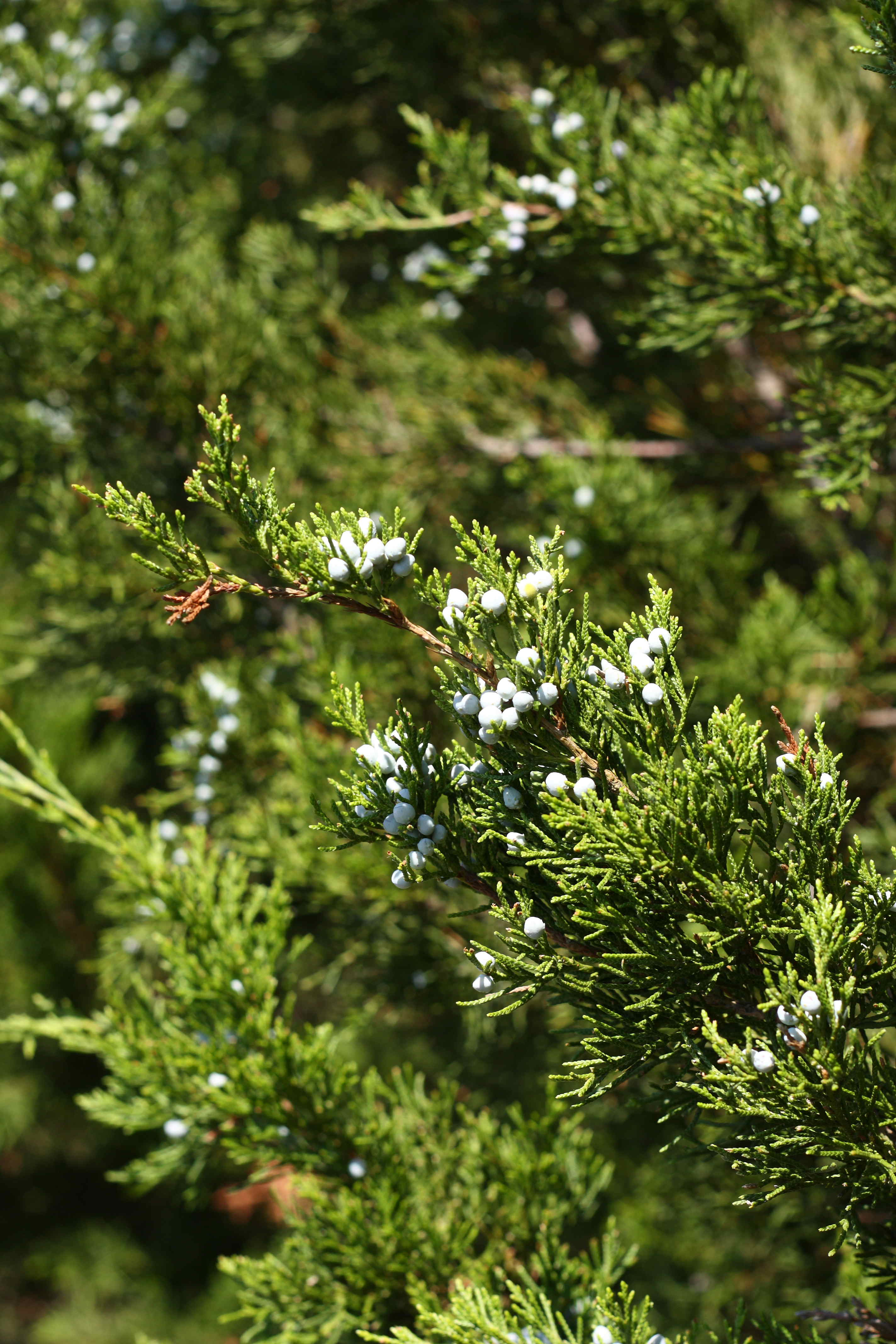
1. Plant trees! The more the better, plant evergreens on the north-east side of your house and deciduous on the south side. Evergreens provide cover to birds and other wildlife in winter months and also shelter to your house from those cold NW winds. Make sure to choose native species like Eastern red cedar or Pitch pine for NW locations and Tulip poplar or Sweet gum for south locations.
2. Minimize use of pesticides and herbicides. Use only plant based pesticides, like ones made with Pyrethrum, which is made from the dried flower heads of Chrysanthemums. Try using vinegar as a natural alternative to broad spectrum herbicides. Do not use any pesticides or herbicides before any precipitation.
3. Use local and FREE mulch and compost. Many municipalities and county utility authorities provide free mulch to their residents. This is a great way to reuse a large portion of the waste stream in your county. Better yet, start a compost pile in your own backyard!
4. Use native species! They are acclimated to our climate and most are non-invasive. Many plants and trees sold at nurseries are meant to be aesthetically pleasing and most don’t provide suitable habitat for wildlife, besides providing cover.
5. Create a brush pile using branches and logs to provide cover for small mammals, reptiles, and songbirds.
6. Plant fruit bearing shrubs and trees. These can provide food for songbirds and other wildlife throughout the year. From eastern red-cedar and American holly to winged sumac and northern bayberry.
7. Reduce the size of your lawn by planting a wildflower garden. They require less water than cool season grasses and provide nectar to butterflies, bees and hummingbirds and also provide seeds to many songbirds. You will save money and time by reducing the amount of grass on your property.
8. Install bird and bat houses. Bird houses can provide a place for cavity nesting birds to nest, like chickadees, wrens, and bluebirds. Monitor the birdhouse throughout the spring and summer to be sure no exotic species are utilizing it, like European starlings. Maternity bat houses can provide female bats with a place to raise their young. Bats feed on thousands of insects each night. They help control insect populations and in some areas help pollinate fruit and vegetable crops.
9. Wildlife need water to survive. Put out a bird bath or even better, install a pond. A simple bird bath can be a medium-sized saucer or shallow bowl. Change the water frequently to prevent mosquitoes from breeding. Ponds are even better for wildlife, especially amphibians, like frogs, toads, and salamanders. A simple pond can be made out of an old bath tub. Place rocks along the edge, plant some flowers along the edges, and put some branches and rocks in the water to enhance the habitat in the pond.
Educating people about Barnegat Bay and its bird populations
By Skyler Streich, Barnegat Bay Birder-in-Residence
My name is Skyler Streich. I am an avid birder with excellent identification skills of eastern bird species of the United States. I have been birdwatching intensely for 5 years and since then have accumulated quite a knowledge and understanding of birds, their habitats and behavior. My background is a BS in Geology with a concentration in Paleontology. I got into birds when I was studying abroad in Costa Rica and one day on my campus in San Jose I saw a hummingbird fly to a flower to drink the nectar. Since then I became hooked and fascinated with birds. I have had positions with the Delaware Division of Fish and Wildlife as a Piping Plover Monitor, The Nature Conservancy as a Seasonal Field Biologist working with the endangered Black-capped Vireo, and a Natural Educator for both Island Beach State Park and Cattus Island Park, NJ. I have also conducted numerous bird surveys for The Audubon Society of Rhode Island, International Shorebird Surveys and CBC counts. Nationally I have birded all through the eastern states as well as through southern Florida, Texas, southeast Arizona, western Washington, here and there throughout the interior states and Hawaii. Internationally I have birded in Costa Rica, Panama, Australia, Trinidad and Tobago, Nova Scotia and PEI, British Columbia, England, France, Spain and Portugal and Tanzania. For my position with Conserve Wildlife Foundation of NJ as a Barnegat Bay Birder-in-Residence I will be conducting morning bird walks and kayak birding tours at Island Beach State Park, NJ. I will also be a roving interpreter at IBSP and helping out with research with the marsh and beach-nesting birds in NJ.
Hello all! I’m new to this blog so I’m going to introduce myself. My name is Agata Kaczkowski and I’m a student in New Jersey City University. Currently I’m lucky enough to be completing my internship for Conserve Wildlife Foundation of New Jersey. In May, 2012 I’m expecting to graduate with a B.S. in Biology (which explains my love for nature).
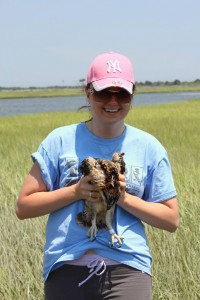
As the temperature outside reached 95°F. Ben Wurst and I arrived on Sedge Island on 06/28/2010. A camp composed of middle school students greeted us as we approached the island. I was pleasantly surprised to find out how knowledgeable these kids were on the subject of ospreys! After a brief introduction, Ben and I started our journey to visit over 20 nests with hopes of finding healthy osprey chicks. Even though the weather was extremely hot the cool breeze from the ocean and the ability to soak my feet from time to time in the water made all the difference. The students followed us to the first couple of nests, where they got to hold an osprey chick as it was banded, and they took some photographs with the chicks. As we approached the second nest, the female osprey was flying really low and seemed very aggressively protective of her young. The female is usually larger and more protective of the chicks than the male. She was soaring really low as Ben was banding the chicks at the nest site, the kids observed the whole incident from their kayaks. Ben and I had over 20 nests to visit, so as the kids went back to the island we continued our journey. At the fourth nest we encountered an unpleasant situation- deceased three-week-old chick. Of the two that hatched, one had died, most likely of natural causes. We cleaned the nest and moved along.
The boat was a great way of getting from one nest to the other, although at times we had to push it because the water was too shallow for the boat. My job was to record the nest type, the number of chicks hatched, number of chicks banded and the band number (that was only if Ben thought it safe enough to band them). Most of the chicks were banded, although a couple were too young to band. We ended up banding about 26 osprey chicks around the island.
Cleaning up the fishing nets and balloon ribbons from nests was a must because the young may get tangled in the debris and not survive. I personally found bottles and shopping bags all over, which was frustrating because this is how the habitat gets destroyed. I will keep you all updated on my next field experiences…
 Open to all 5th graders throughout New Jersey, the very popular Species on the Edge Art & Essay



 My name is Skyler Streich. I am an avid birder with excellent identification skills of eastern bird species of the United States. I have been birdwatching intensely for 5 years and since then have accumulated quite a knowledge and understanding of birds, their habitats and behavior. My background is a BS in Geology with a concentration in Paleontology. I got into birds when I was studying abroad in Costa Rica and one day on my campus in San Jose I saw a hummingbird fly to a flower to drink the nectar. Since then I became hooked and fascinated with birds. I have had positions with the Delaware Division of Fish and Wildlife as a Piping Plover Monitor, The Nature Conservancy as a Seasonal Field Biologist working with the endangered Black-capped Vireo, and a Natural Educator for both Island Beach State Park and Cattus Island Park, NJ. I have also conducted numerous bird surveys for The Audubon Society of Rhode Island, International Shorebird Surveys and CBC counts. Nationally I have birded all through the eastern states as well as through southern Florida, Texas, southeast Arizona, western Washington, here and there throughout the interior states and Hawaii. Internationally I have birded in Costa Rica, Panama, Australia, Trinidad and Tobago, Nova Scotia and PEI, British Columbia, England, France, Spain and Portugal and Tanzania. For my position with Conserve Wildlife Foundation of NJ as a Barnegat Bay Birder-in-Residence I will be conducting morning bird walks and kayak birding tours at Island Beach State Park, NJ. I will also be a roving interpreter at IBSP and helping out with research with the marsh and beach-nesting birds in NJ.