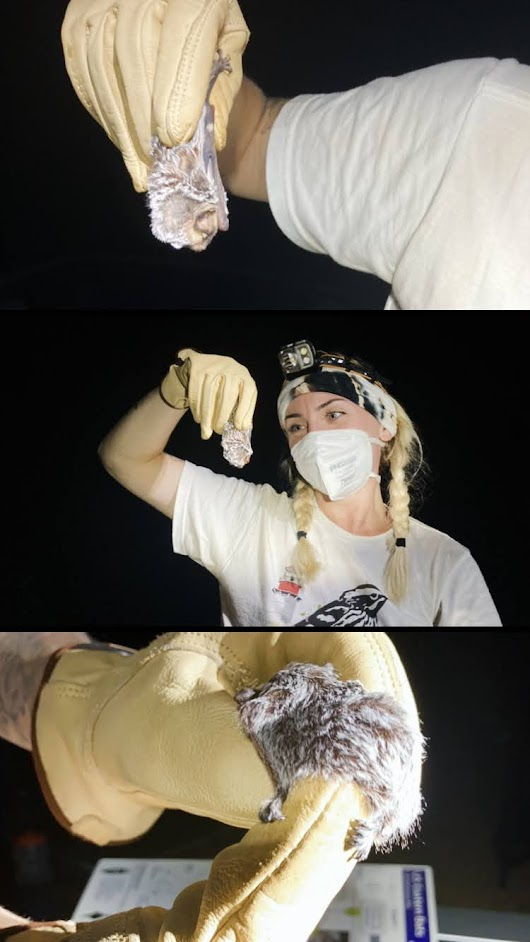
As mentioned in the previous weeks, there was one special bat that made its way into the top of our net during the 2022 bat field season that left us overjoyed! One juvenile, female hoary bat (Aeorestes cinereus) was captured during our last week of surveying. This is only the second time this bat has been captured at this site in the Pinelands. Even though the hoary bat is not an endangered species, this is a rare capture for our team because the species is generally flies high and our nets only go as high as 5.5 meters. Additionally, the habitat we survey is more suited to the Northern long-eared bat which like densely cluttered forests, whereas the hoary bat typically is found on the edges of open fields.
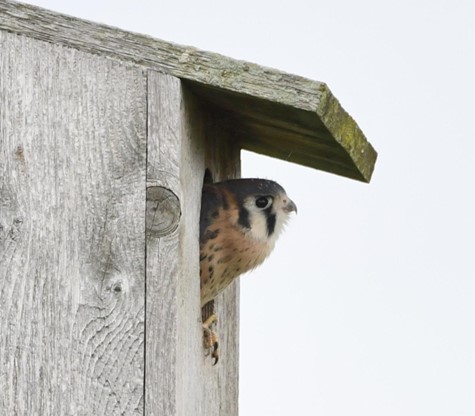
As a volunteer for Conserve Wildlife Foundation of NJ and NJ’s Wildlife Conservation Corps I monitor bald eagle, osprey, and kestrel nests for the state. Kestrel monitoring is new to me this year. They are North America’s smallest falcon. I enjoy watching them hunt, hovering over the grasslands and open fields. Monitors watch and record milestones of the nesting season. Fledge Day is the end of our season and what we hope to witness. Friday – I knew the chicks would be fledging soon, and hoped I had not missed it. I sat in my vehicle and watched for just over 3 hours! I could hear noise from inside the box as wings were being flapped and exercised. For the longest time, I thought one had already fledged since I was just seeing one perched in the box opening.
By: Susan Harrison, NJ Bald Eagle Project Volunteer
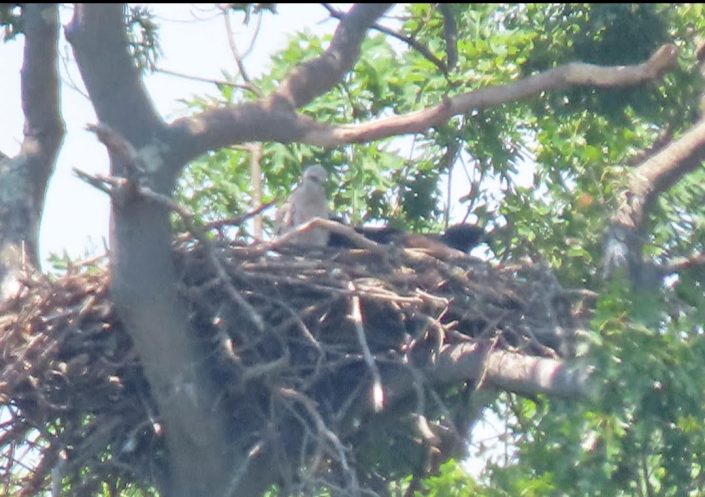
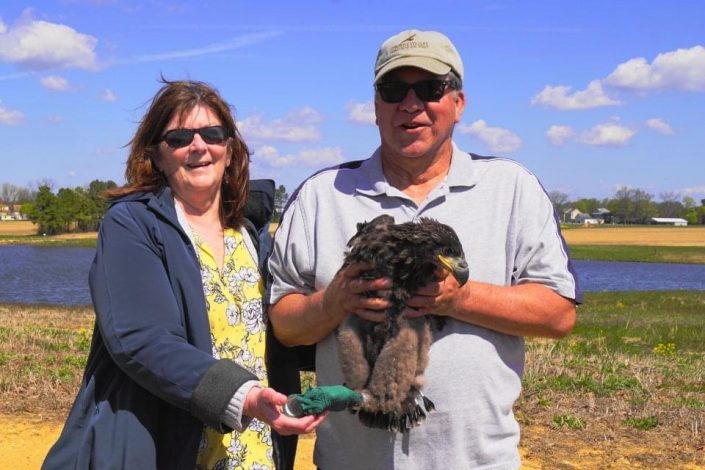
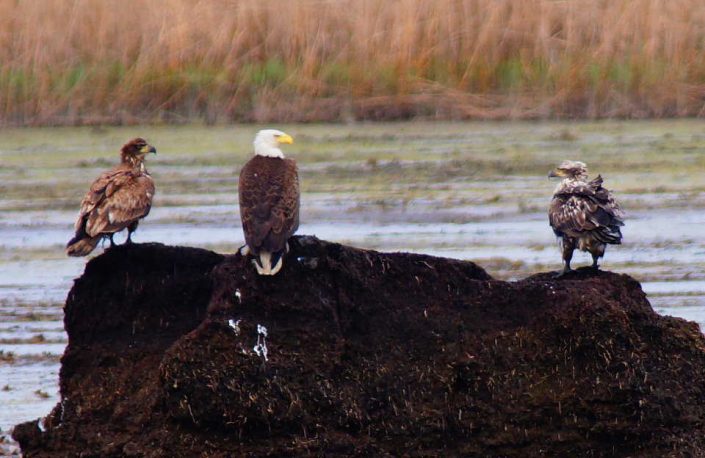
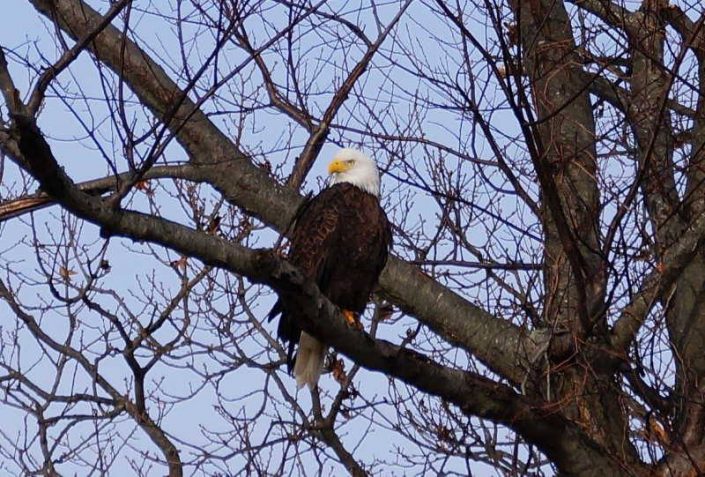
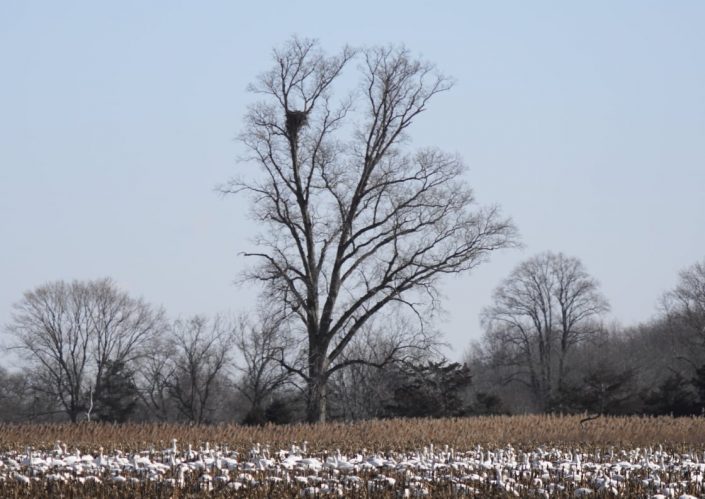
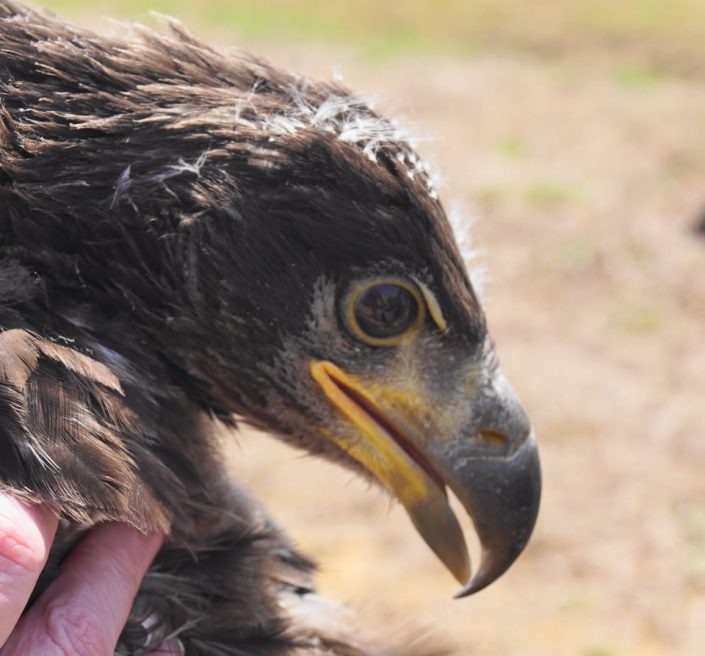
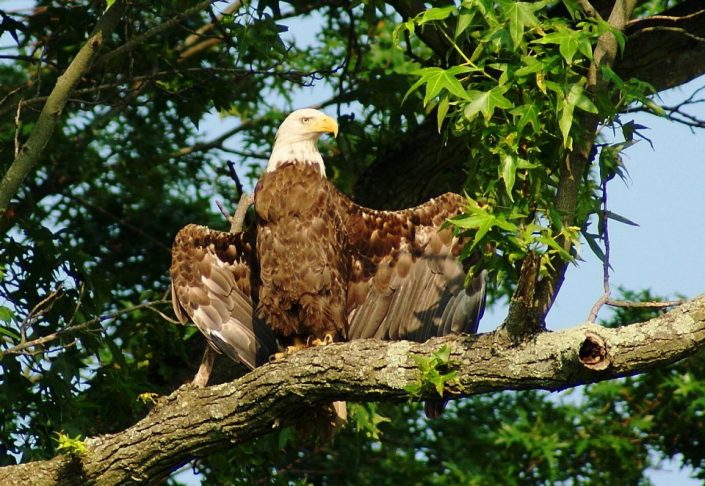
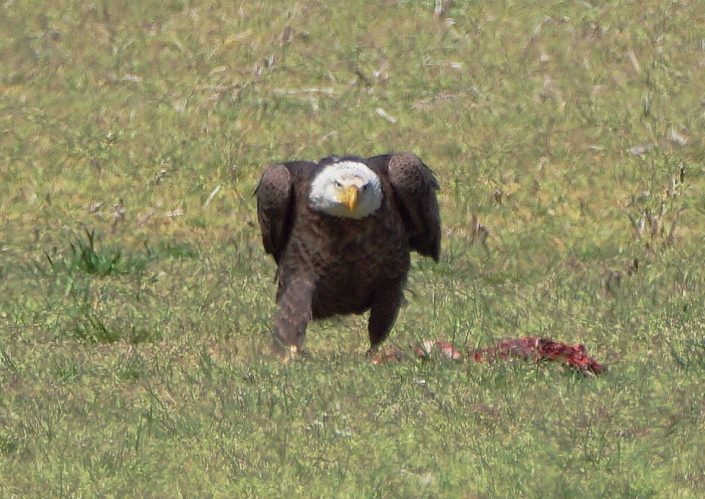
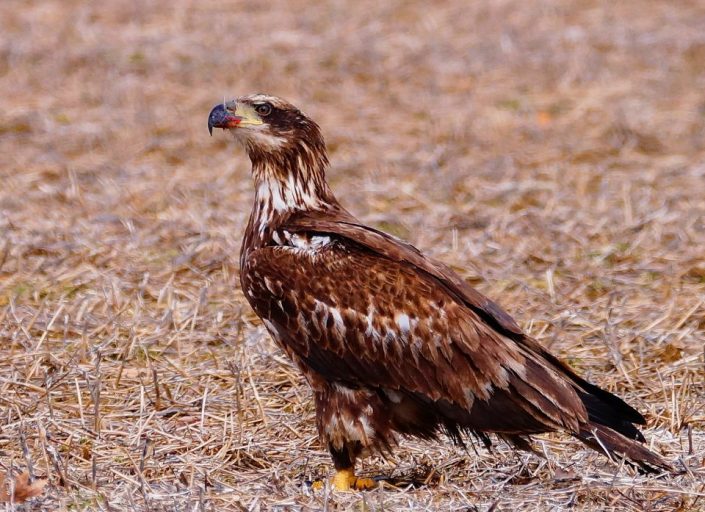
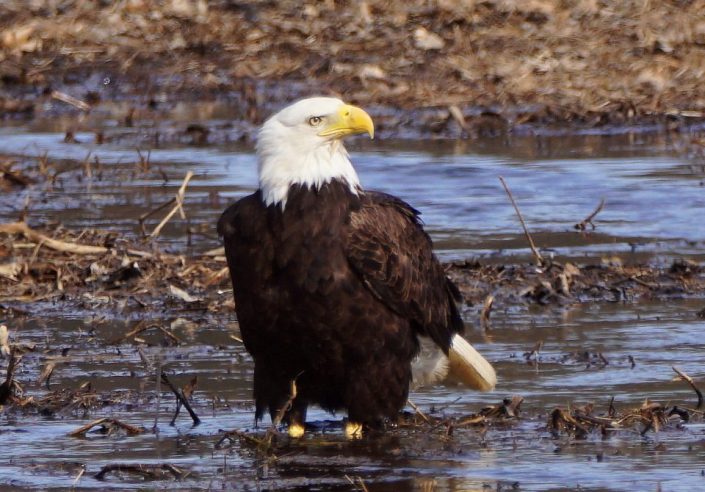
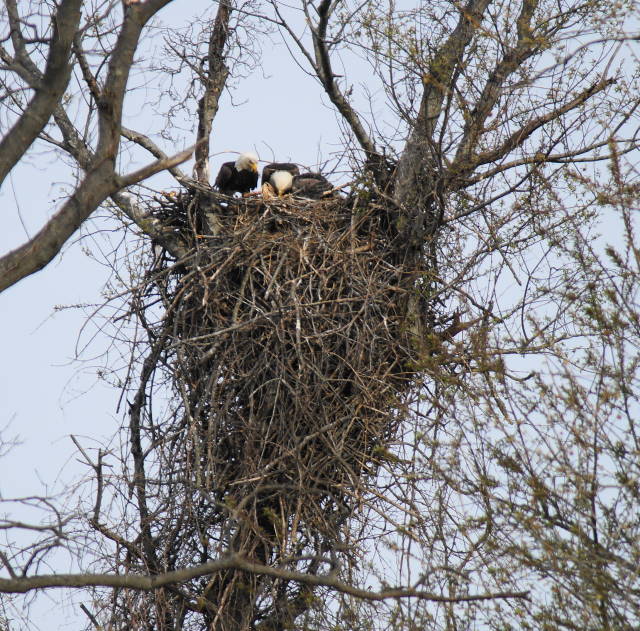
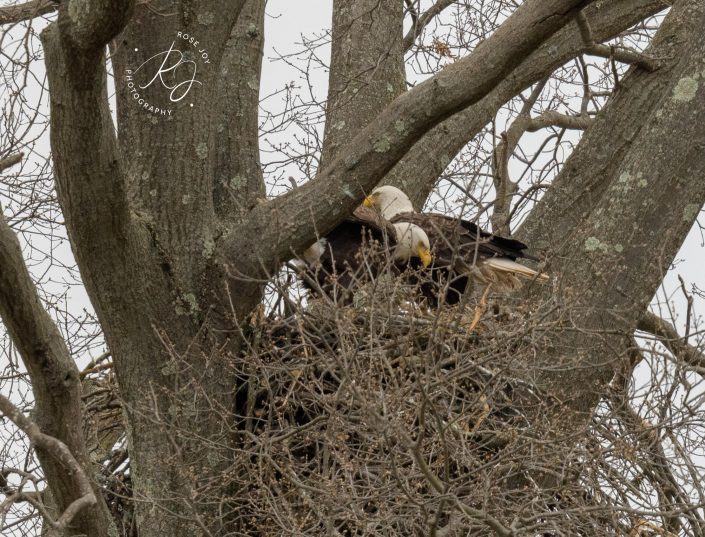
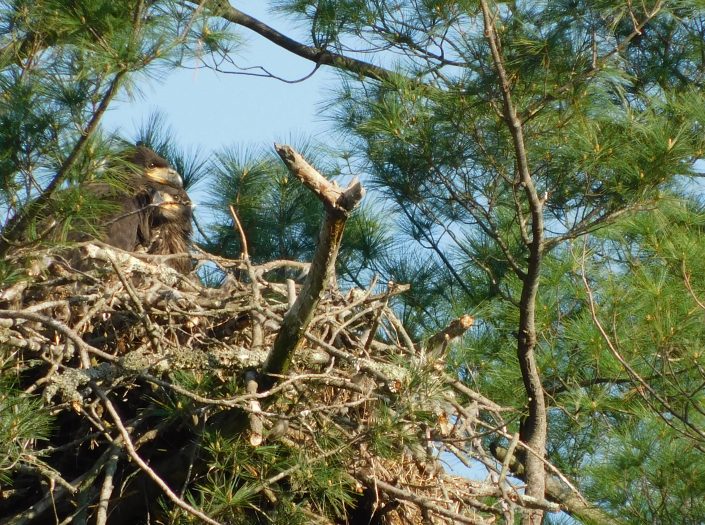
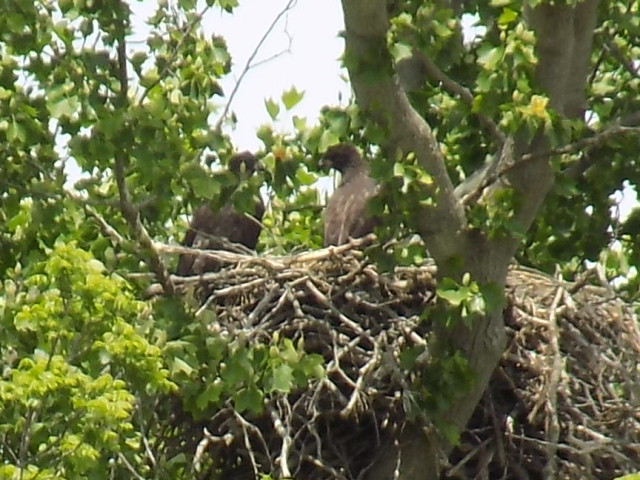
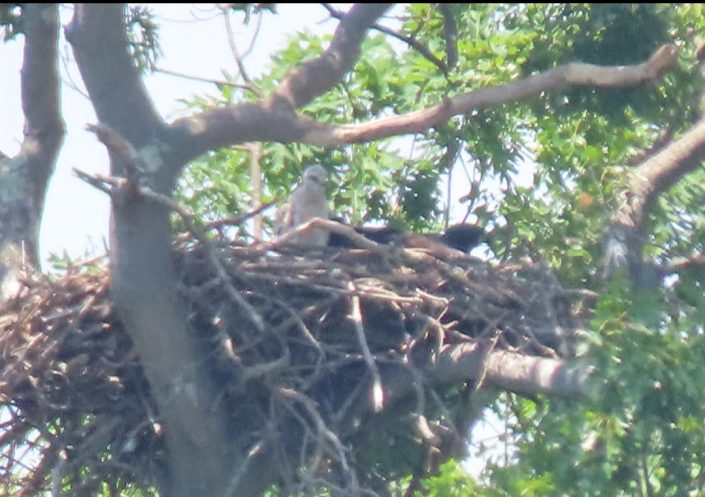
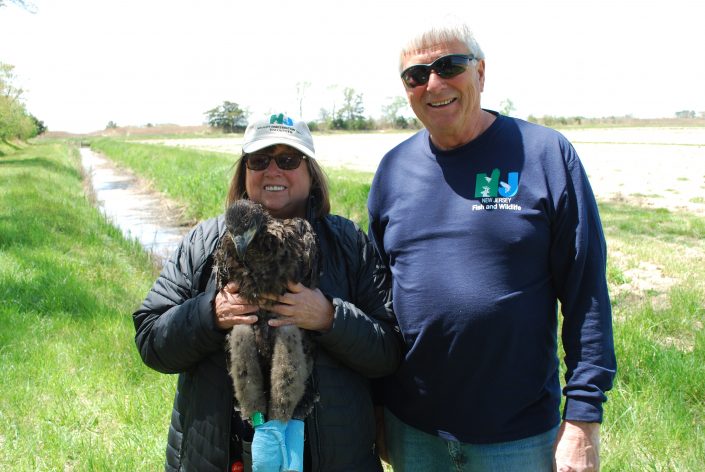
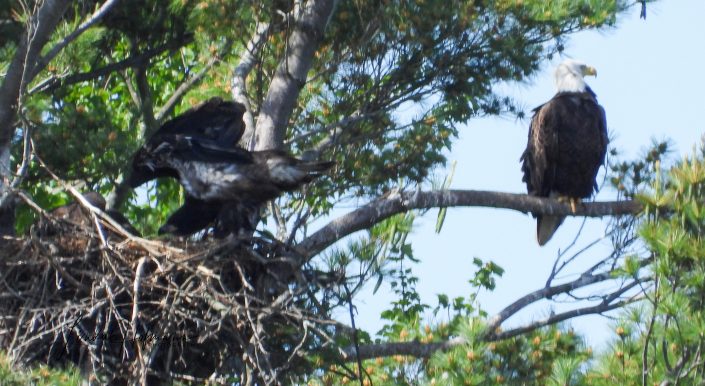
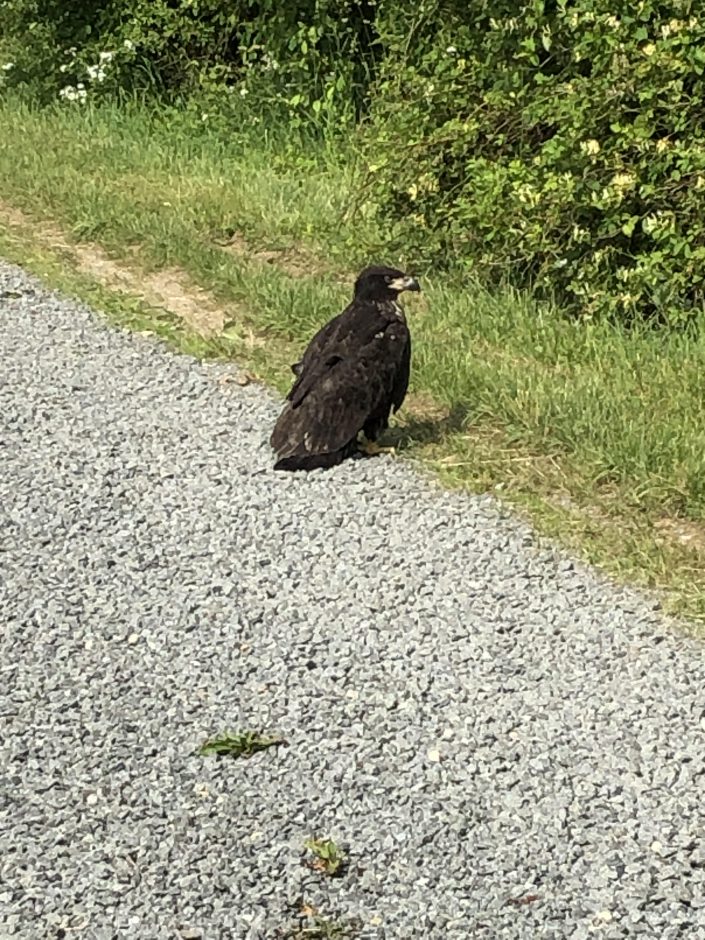
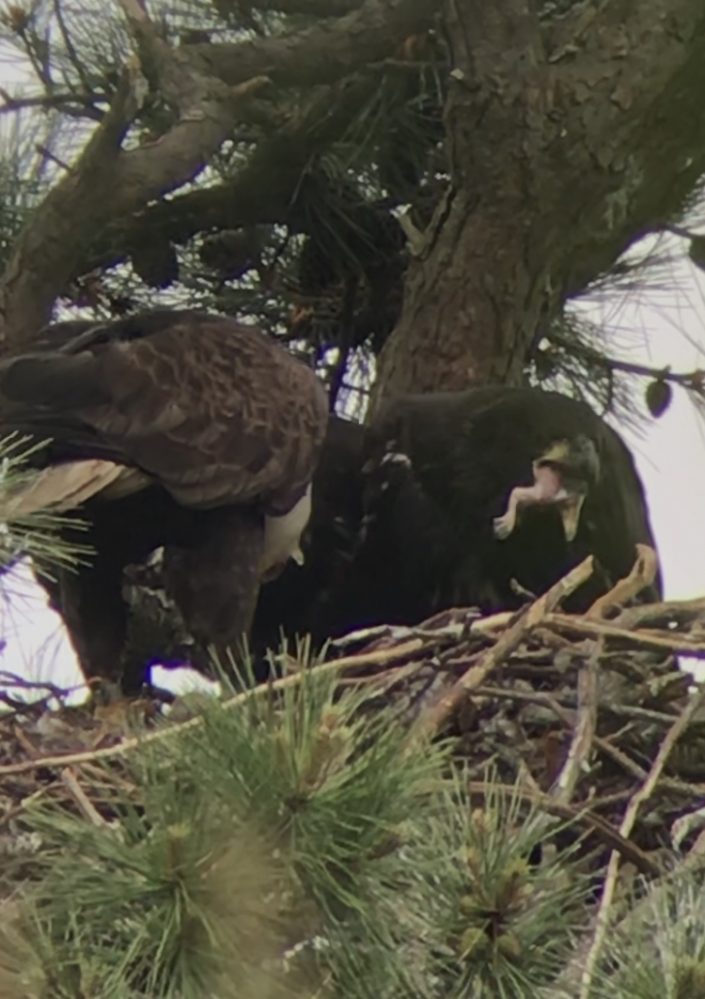
I am a volunteer eagle nest monitor for New Jersey’s Bald Eagle Project. A new nest was discovered in central New Jersey this year by birder Chris Brown. Larissa Smith, the volunteer coordinator for the Bald Eagle Project and Conserve Wildlife Foundation asked me to monitor this nest. I did not know at the beginning of nesting season, what an interesting story would unfold! In mid-April, by watching the behavior of the adult eagles, I could see that eggs had hatched and that the adults were feeding eaglets that were still too small to see. At the beginning of May I caught glimpses of the head of one eaglet peeking up over the top of the nest rails. Too cute! By the end of May, I could see the head of a second chick in the nest. But this chick looked very different! I soon discovered this chick looked different because it was not a Bald Eagle at all! It was a red-tailed hawk chick in the eagles’ nest! I could not believe what I was seeing! I took lots of photos to document this situation, a first for New Jersey! I consulted with two respected birders in the state, Chris Brown, who is a county eBird reviewer and Tim Brown, to help verify and document my observations for CWF and the NJ DEP/ENSP. We observed the adult eagles feeding both the red-tailed hawk chick and the bald eagle chick. It was one big happy family, with both chicks getting along with each other and with the adults quite well.
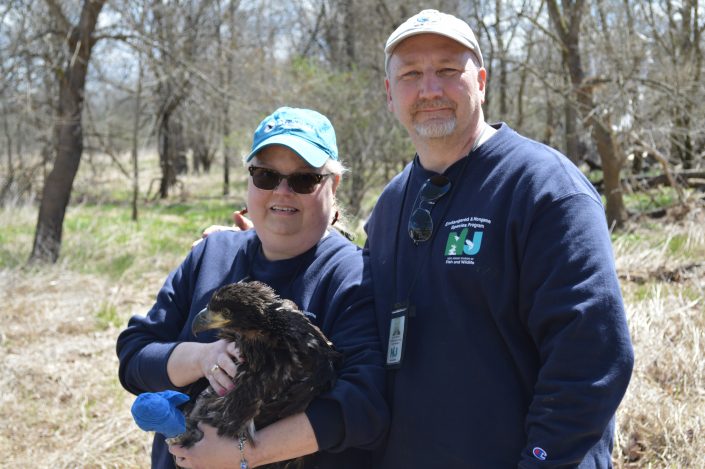
New Jersey Eagle Project nest monitors Cathy and Jeff White have been volunteering with the program since 2009. The 2022 eagle nesting season was officially their last as they will be “retiring.” When they started with the bald eagle project, they had two eagle nests that they monitored in Southern New Jersey. As of 2022 they were monitoring 25 eagle nests. That is a lot of nests to keep straight! During their 14 years of observing nesting behavior to determine egg laying, hatching, and fledging, a total of 244 eagle chicks fledged from their nests. The Whites have witnessed the eagle population grow over the years and have played a large role in the success of the eagles, including many rescues of both chicks and adults. Their dedication to the eagles through both the good and bad outcomes, is commendable and they are irreplaceable.
They have done so much for the eagle project and will be greatly missed. Thank you!
Photos taken by the Whites throughout their years of monitoring eagle nests.
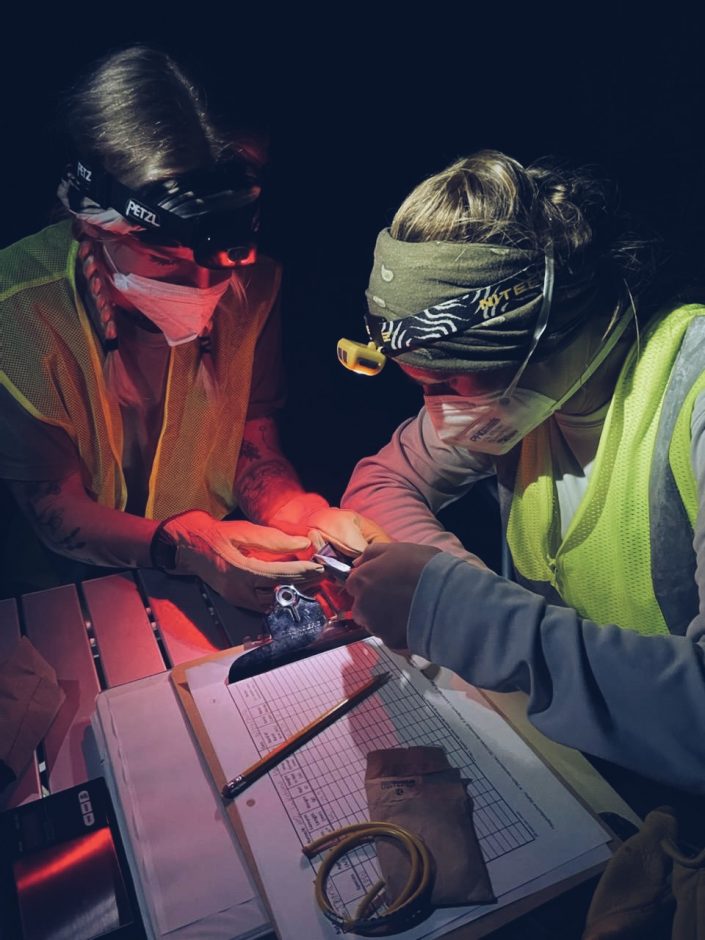
Biologists Leah Wells and Meaghan Lyon banding a Big Brown Bat
Since 2018, CWF has partnered with the USFWS New Jersey Field Office in completing summer mist netting surveys for bats in the Pinelands. The goal of these surveys is to capture the federally threatened Northern long-eared bat and track these bats to maternity roosts.
Hello! I would like to introduce myself as a new member of the Conserve Wildlife Foundation of New Jersey team. My name is Rachel McGovern, and I am joining CWF as the Education Director.
I am a lifelong NJ resident and have always been passionate about environmental issues in the state. After completing my undergraduate degree in Human Ecology at Rutgers University, I spent a year in the Americorps New Jersey Watershed Ambassador Program (NJWAP) where I first taught environmental education lessons. Since then, I have had wonderful experiences teaching at nature-based organizations across the state.
Most recently, I was the Program Director at Flat Rock Brook Nature Center in Englewood, NJ. This center is located on a 150-acre forested preserve surrounded by dense development just minutes from the George Washington Bridge. At Flat Rock Brook, I led the education team in developing and delivering school programming, community events, and summer camp. I was also fortunate to take on the care of five non-releasable raptors—a job that deepened my admiration for all raptors in NJ (particularly falcons).
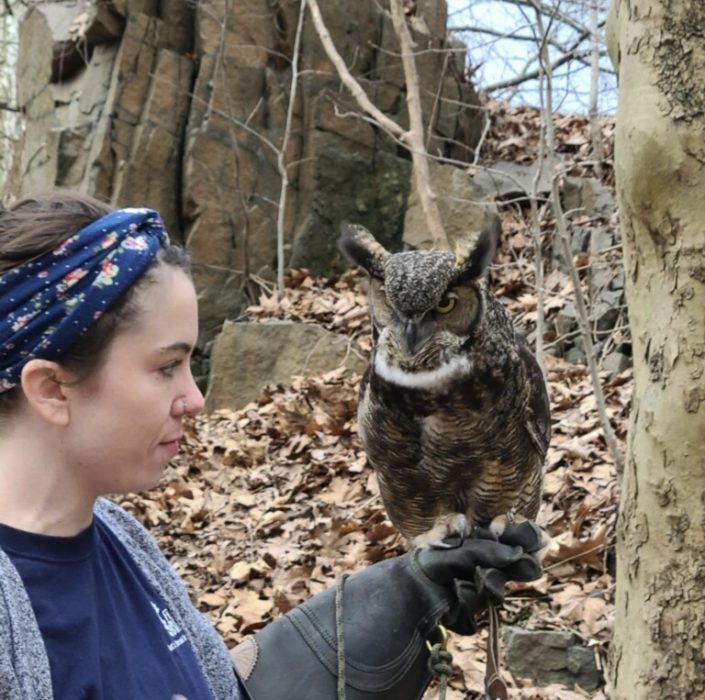
Josephine is a great-horned owl. She is an imprint, meaning she was raised by humans and now “identifies” with humans.
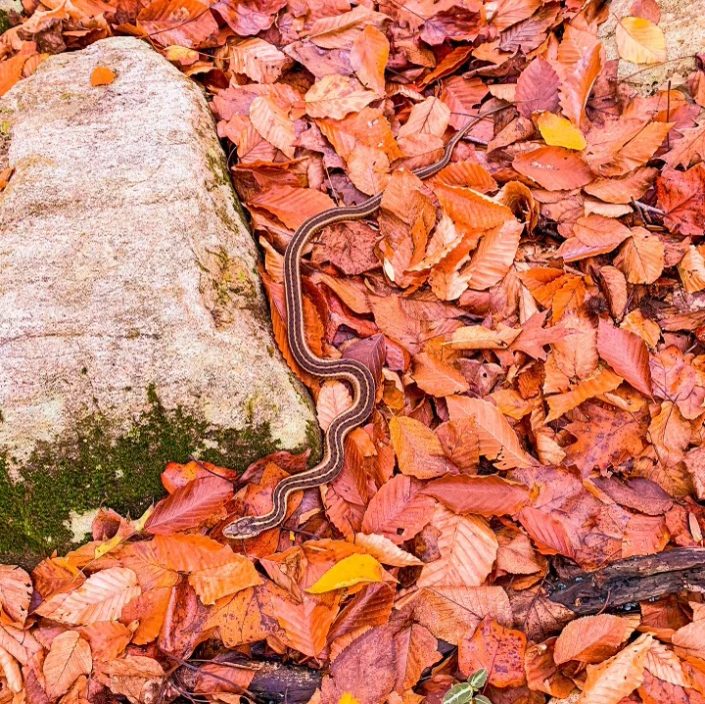
An eastern garter snake stands out amongst fallen beech leaves. Photo Credit: Nikki Griffiths
July 16th is World Snake Day! This day of recognition was established to increase awareness and raise appreciation for these most polarizing of creatures. People tend to have an extreme opinion when it comes to snakes; They are loved and revered by some, loathed and vilified by many. Mythology, religion, and pop culture are riddled with snake imagery and, though these media sometimes align them with healing, transformation, and fertility, they often proliferate a connection between them and evil intentions. Whether learned or not in Greek legend, the Medusa, with her living locks, is universally recognizable and her beheading is counted among the greatest achievements of the hero, Perseus. Norse stories give us Jörmungandr, the serpent son of Loki, hated by and responsible for the death of his uncle, the beloved god Thor. The Bible symbolizes the devil himself as a snake in the Garden of Eden and, in this form, provides the temptation responsible for original sin in Christian teachings. More recently, we watched as ophidiophobia (fear of snakes) became the Achille’s heel of everyone’s favorite archeology professor, Indiana Jones, and read about how the ability to communicate with snakes was a defining characteristic of Lord Voldemort, the most notorious dark wizard of all time. To be clear, I’m not suggesting that works such as these are responsible for a negative public perception of snakes. Rather, I think they capitalize on a rampant unease associated with snakes to encourage their audience to sympathize with the protagonist. The truth is, snakes can be dangerous, particularly if they are venomous. Snakes can and do kill people, sometimes stealthily, which defies our view of humans as the universal apex predator. This, naturally, instills anxiety. But it’s also not the full story.
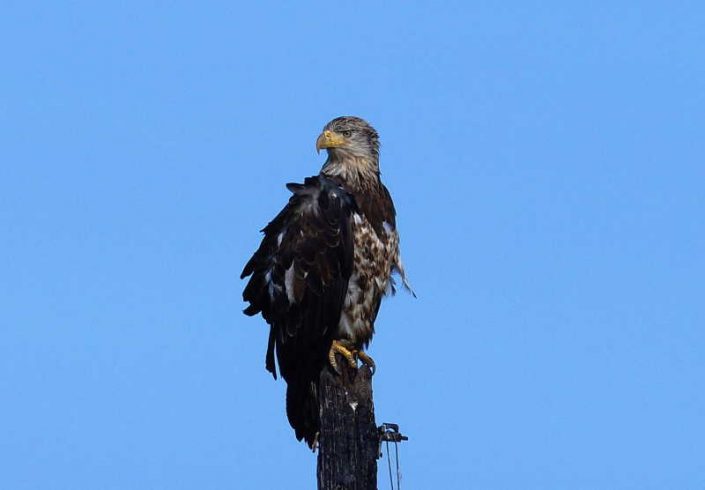
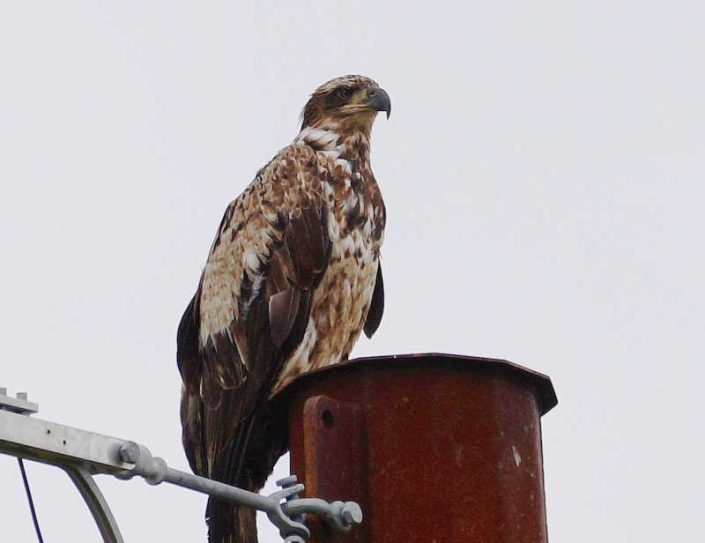
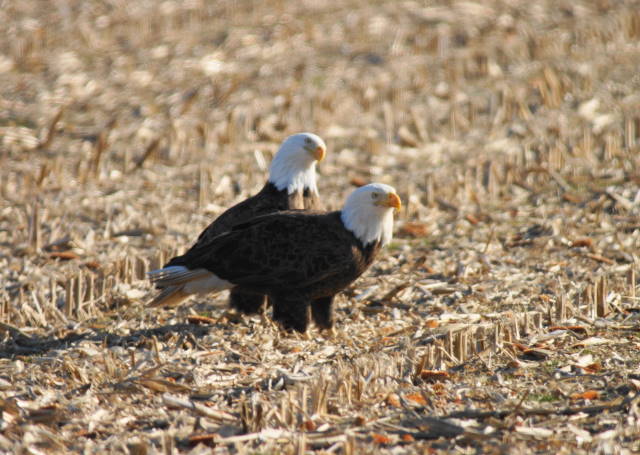
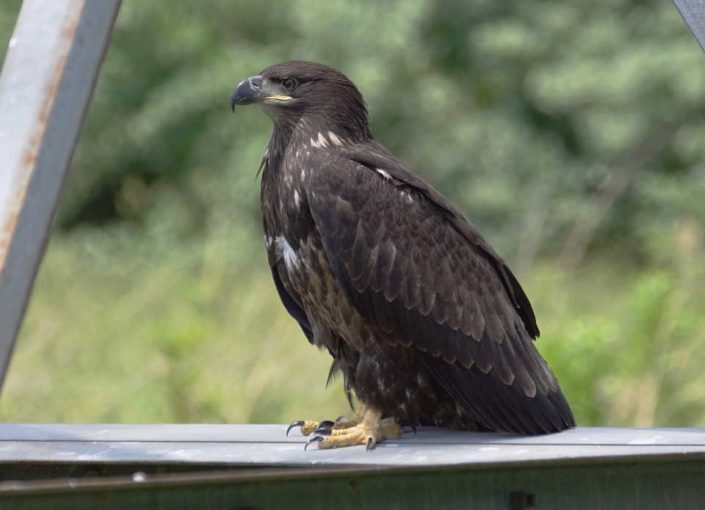
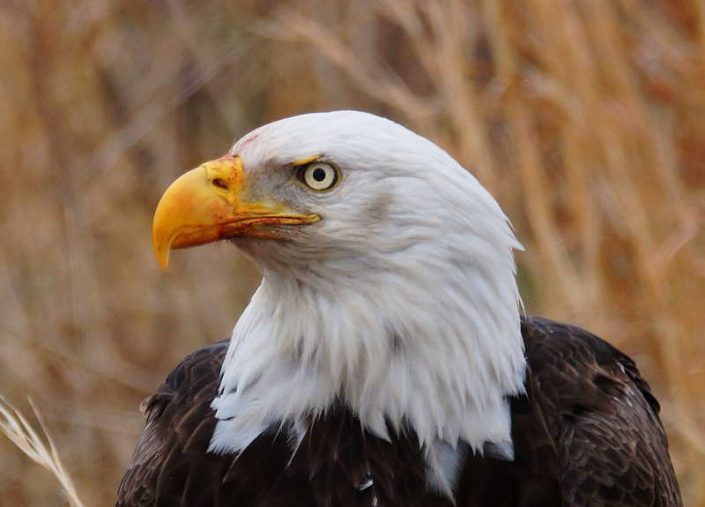
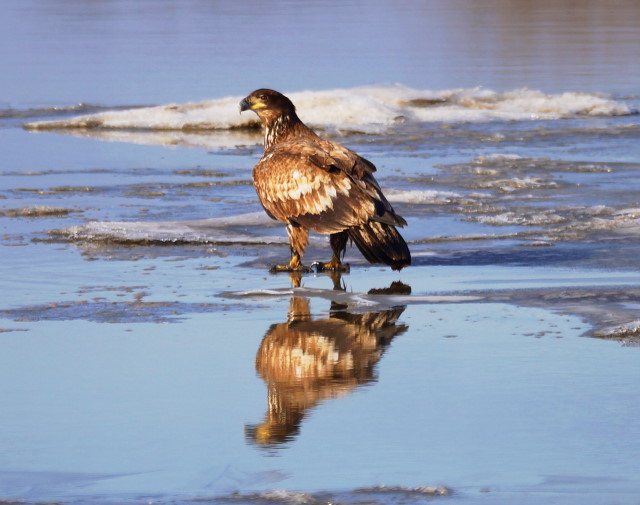
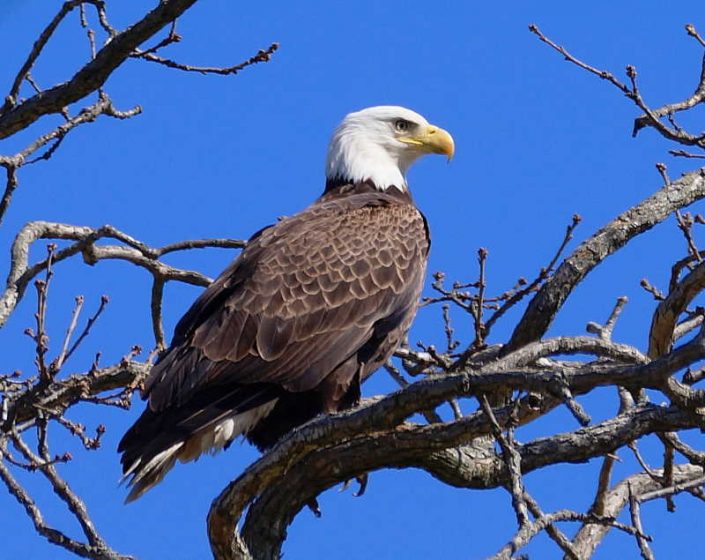
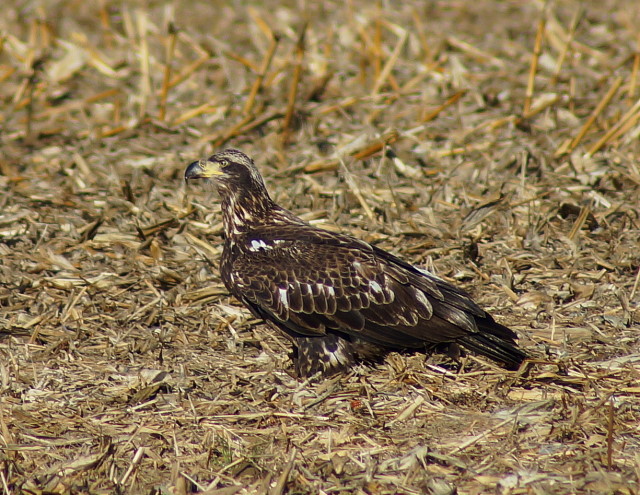
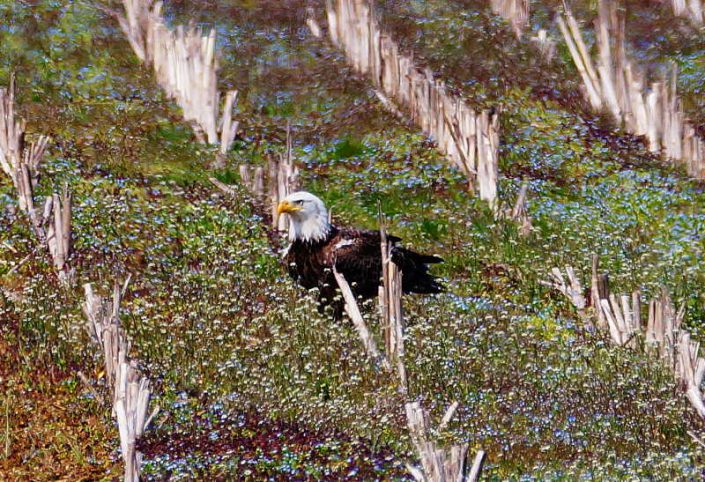
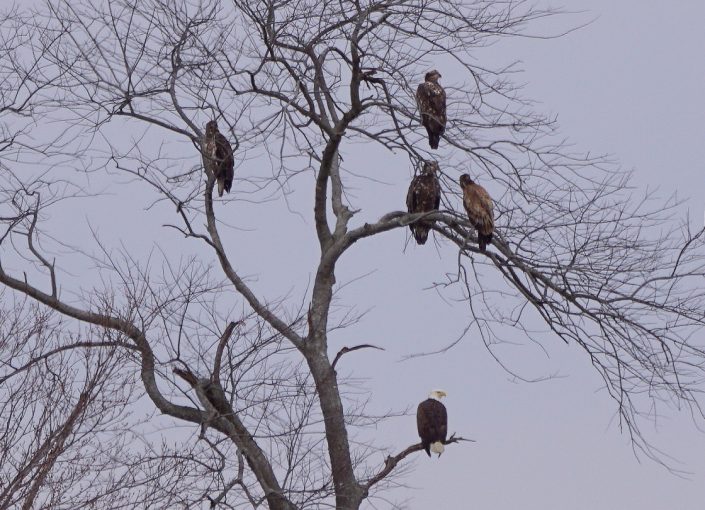
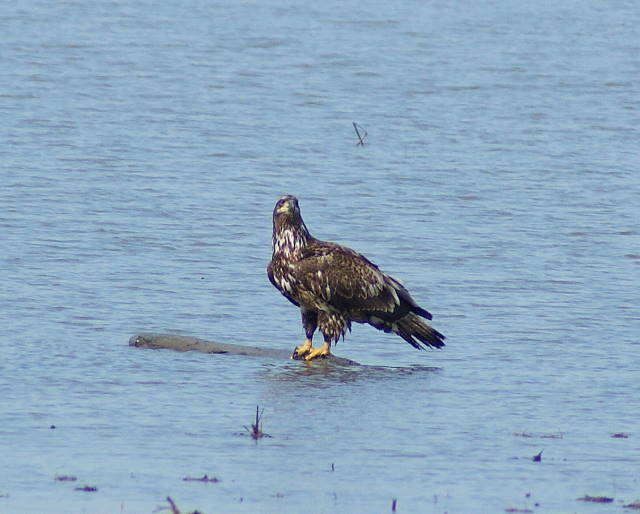
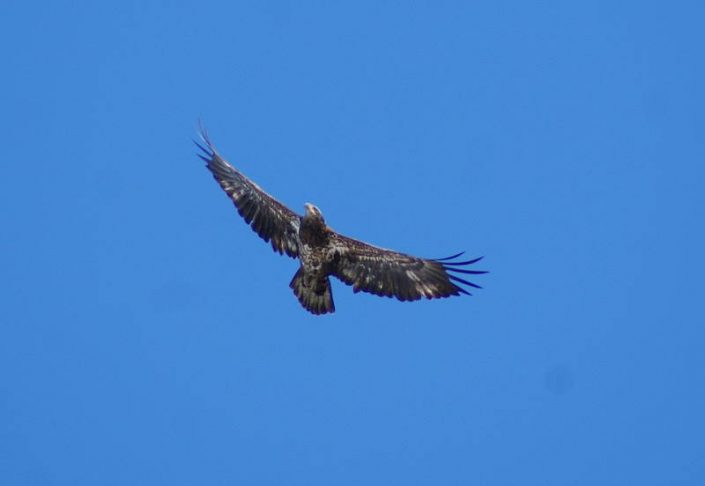
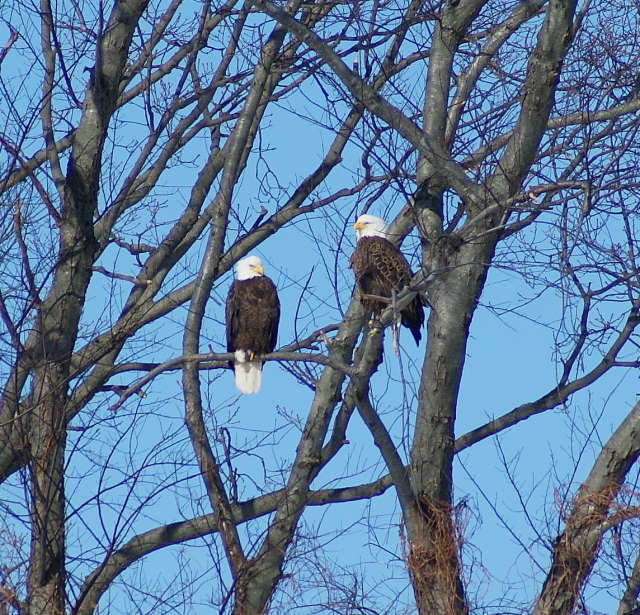
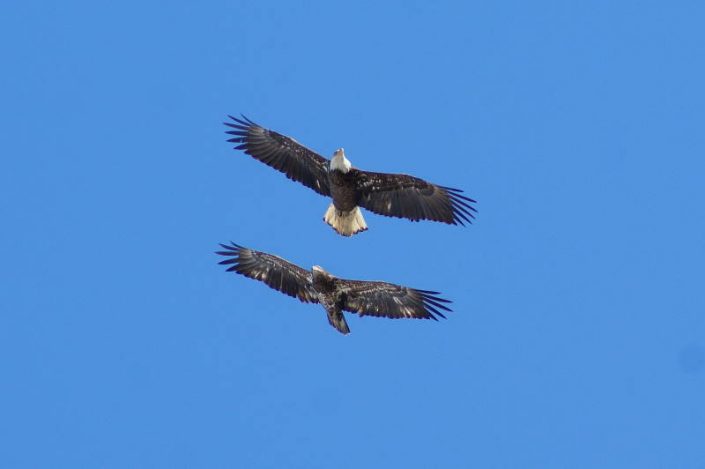
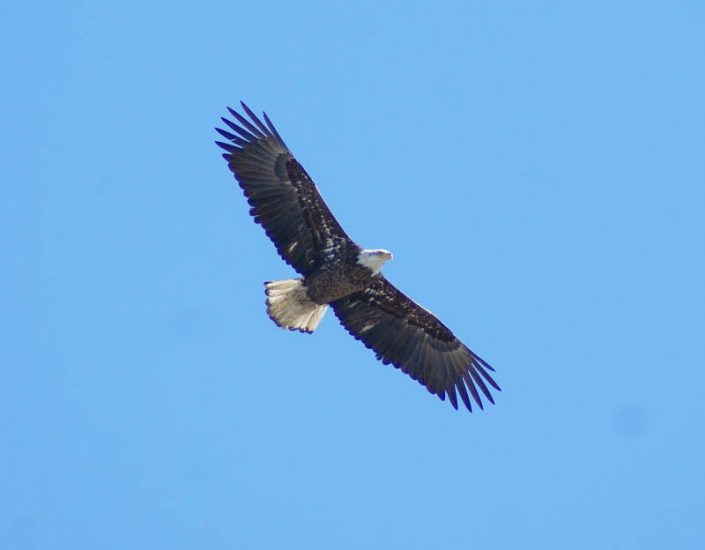
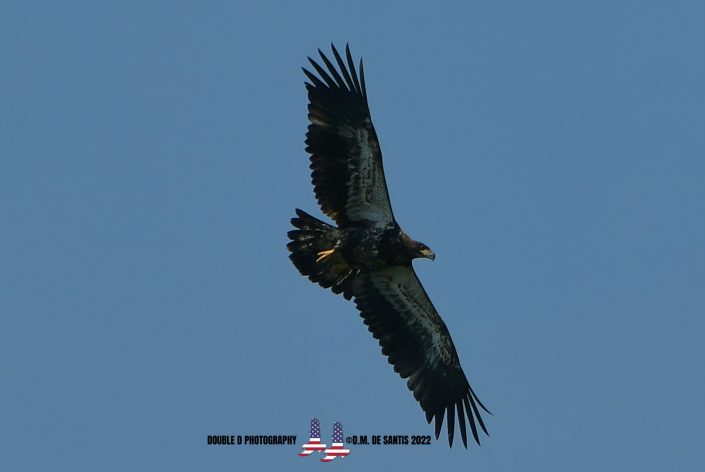
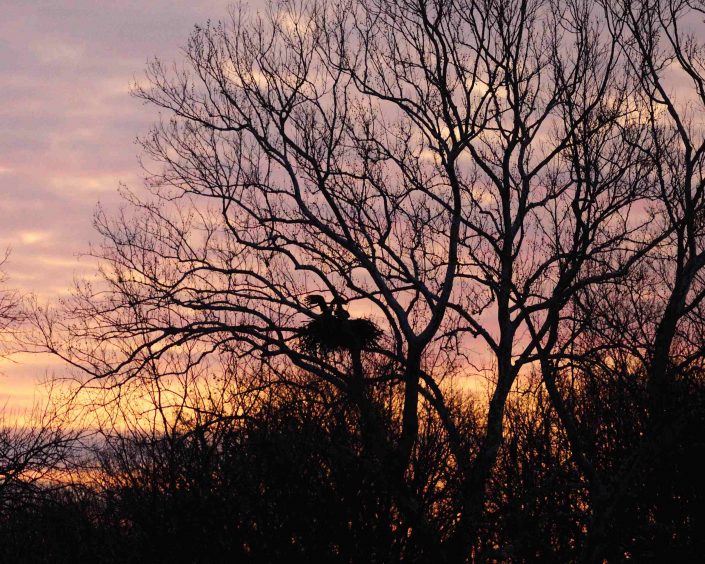
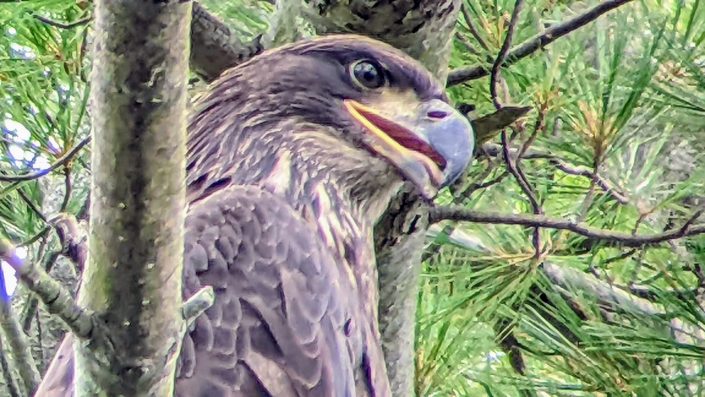
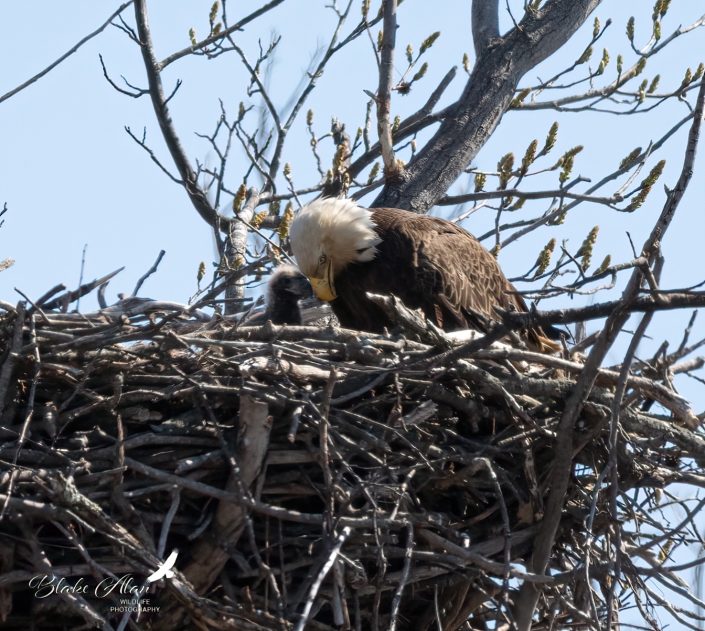
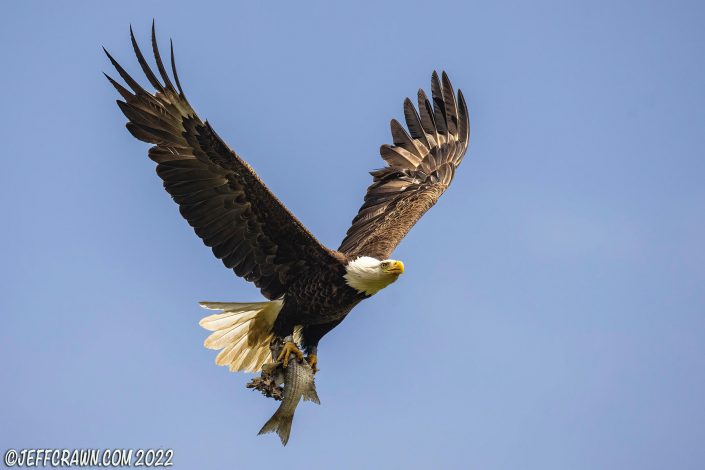
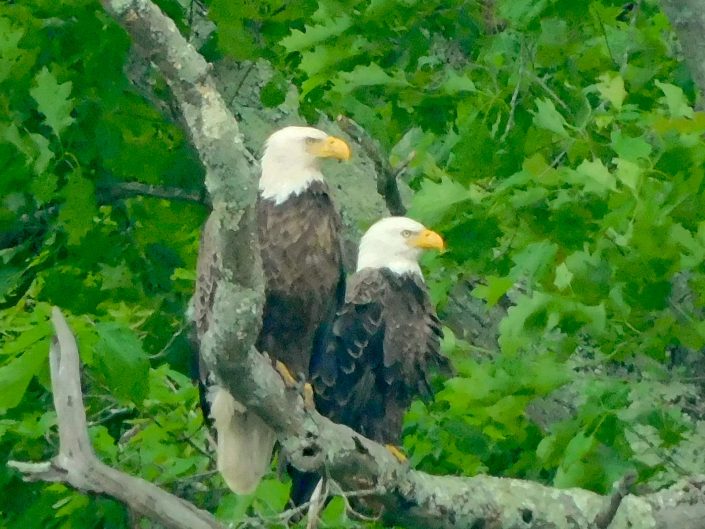
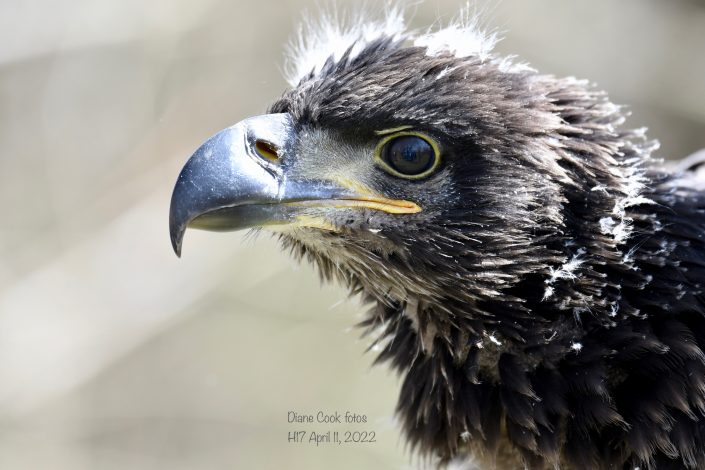
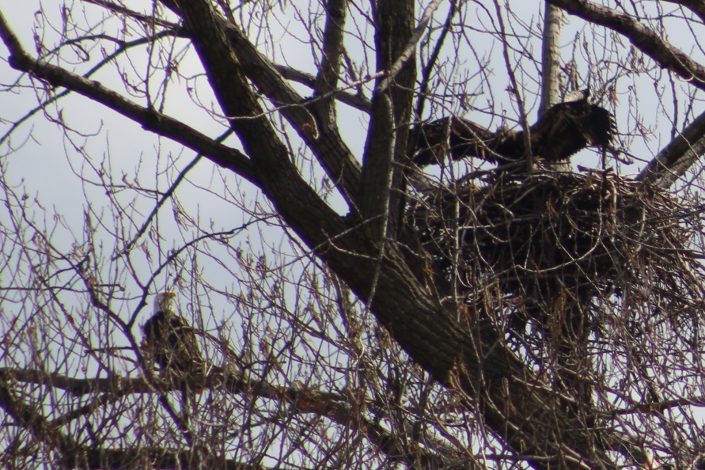
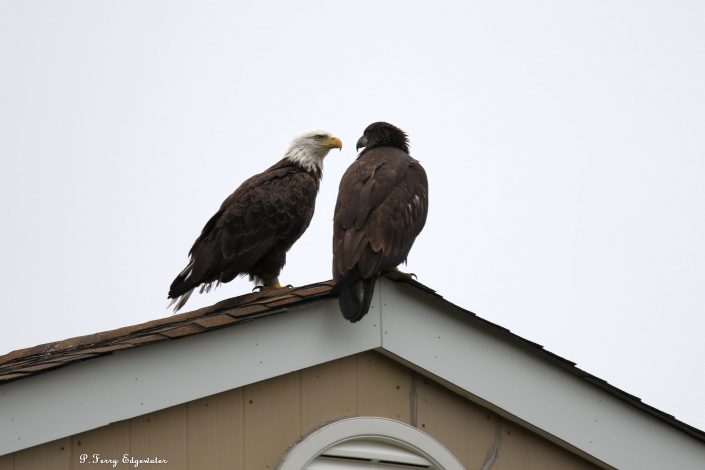
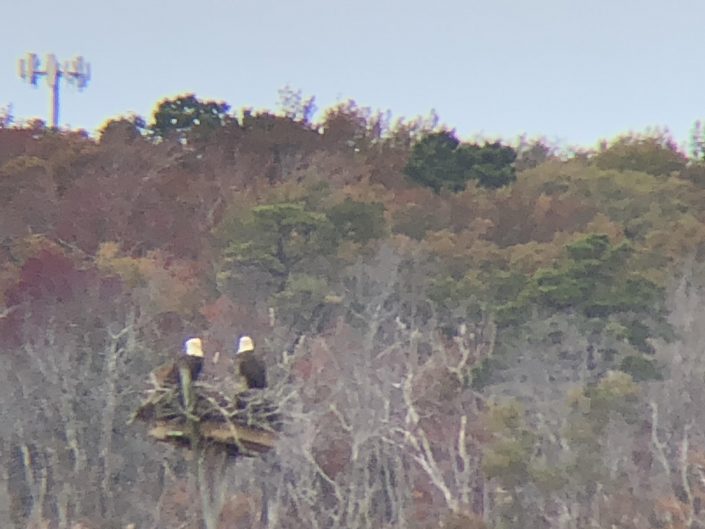
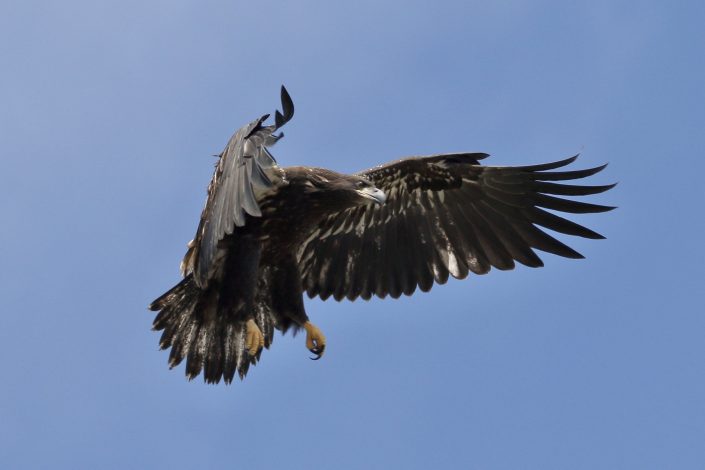
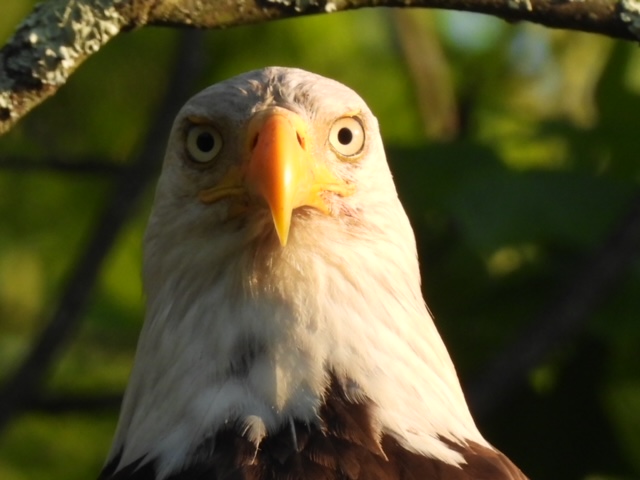
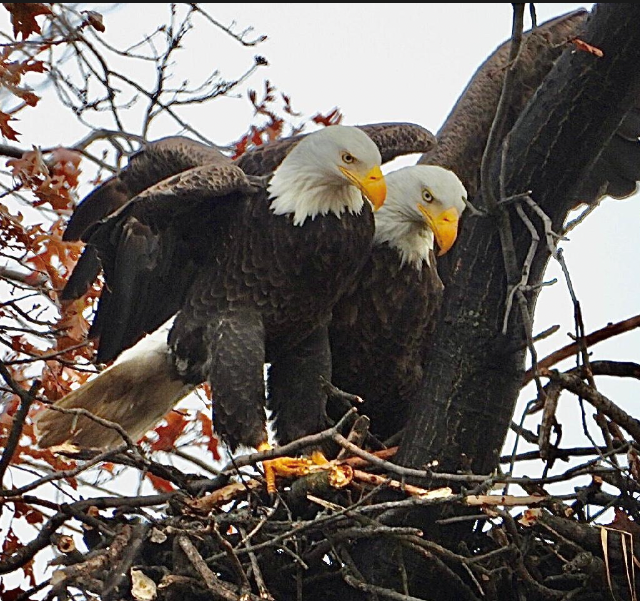
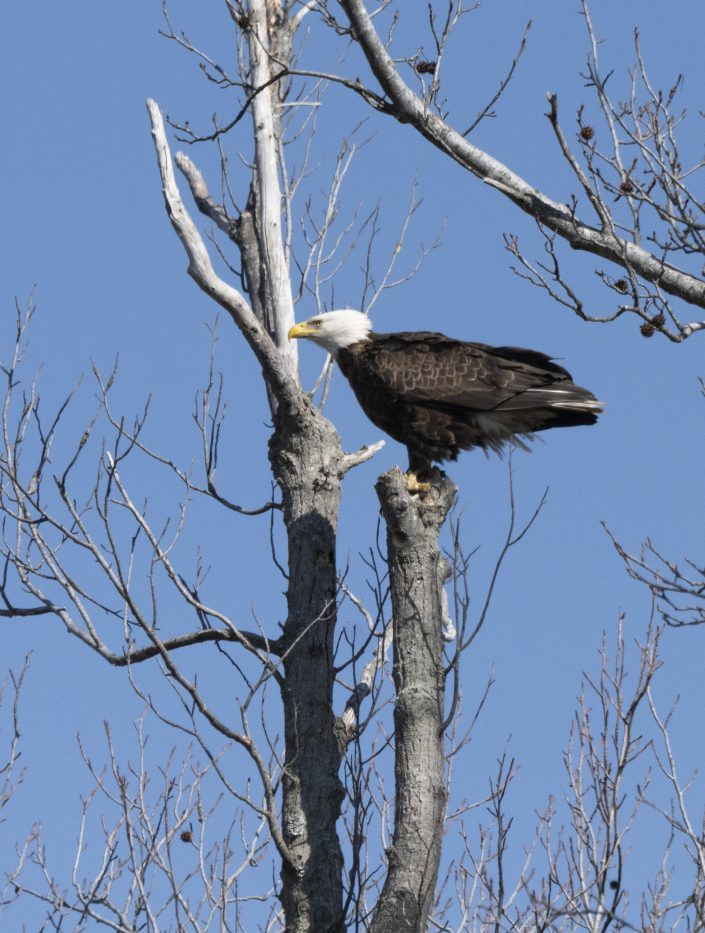
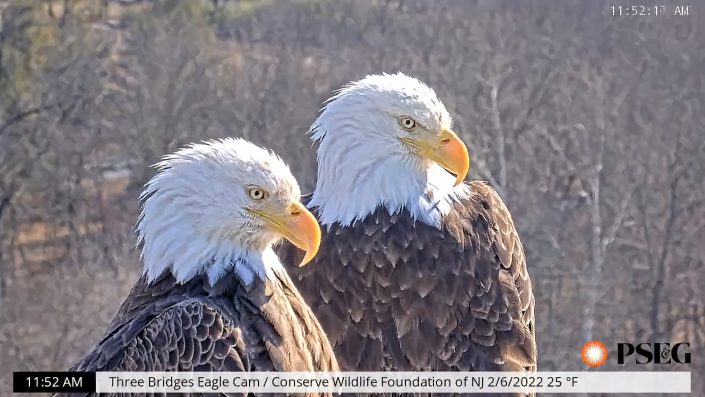
I asked the Eagle Project volunteers to send me their one favorite photo from the 2022 eagle nesting season. Enjoy the eagle nesting season through the eyes of the nest monitors. (click on the photos to enlarge and view details)
Biologists Meaghan Lyon, Leah Wells, and Sherry Tirgrath each hold bats that were captured in nets and processed at camp before being released.
CWF’s team of biologists, along with several USFWS biologists from the New Jersey Field Office, specializing in bat surveying have been at it again for their fourth year of mist netting in the Pine Barrens. Mist netting surveys for bats starts at sundown and continues for five hours through to the early morning. The nets are set up across travel corridors through the woods with canopy cover and wetland foraging grounds nearby. As the bats head to and from their roosts and foraging grounds, they funnel through the corridors and into our nets. The bats are quickly and carefully extracted from the nets and then walked a short distance to our ‘camp’ where they are processed. Processing bats includes identifying bat species, sex, and reproductive status, as well as taking wing measurements.
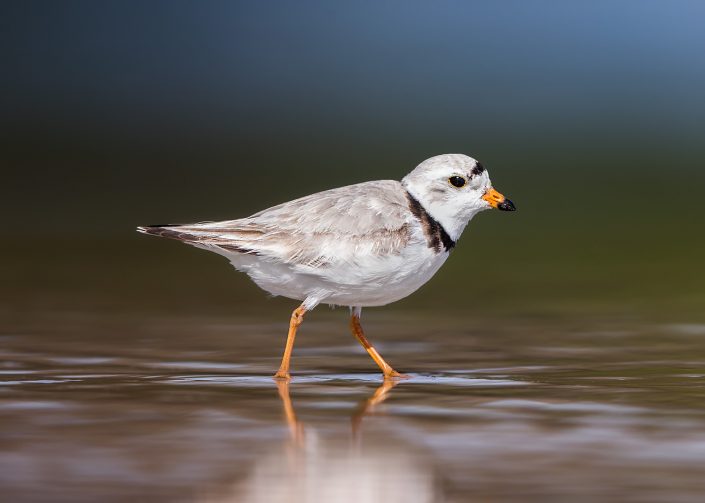
Holgate, a unit of the Edwin B. Forsythe National Wildlife Refuge, is having another record year for piping plovers. A total of 49 pairs have nested at the site this year, up from 46 pairs in 2021, which was also a record, by far, from the previous high for the site. Since Superstorm Sandy devastated much of the New Jersey coast in October 2012, the number of piping plovers nesting at Holgate has increased fourfold.