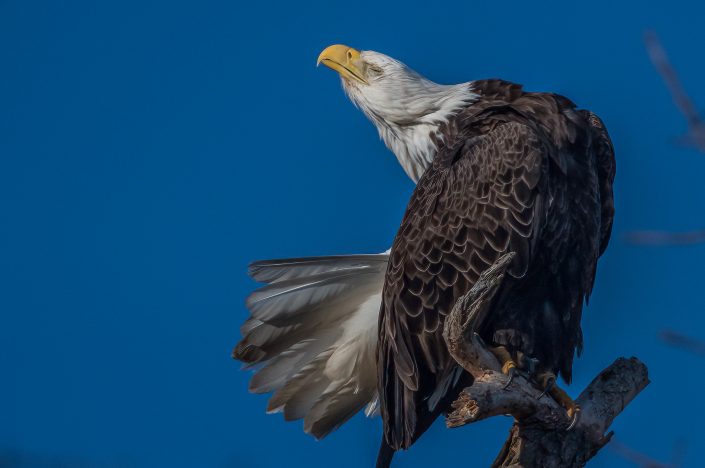
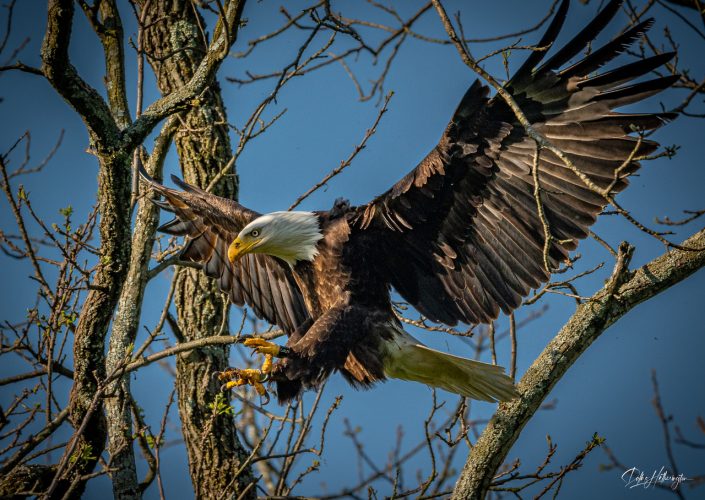
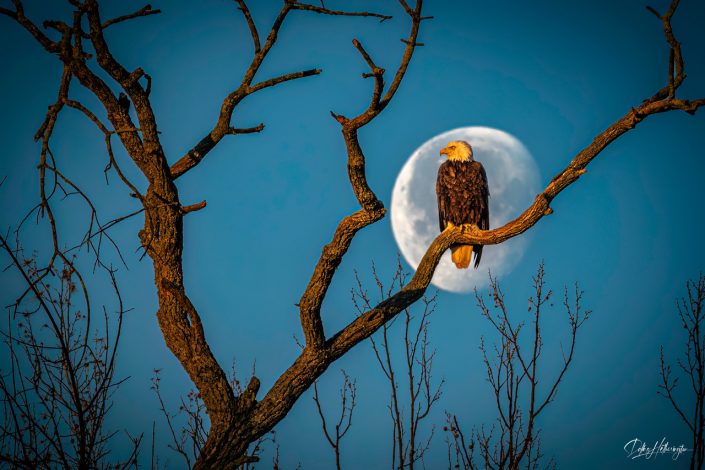
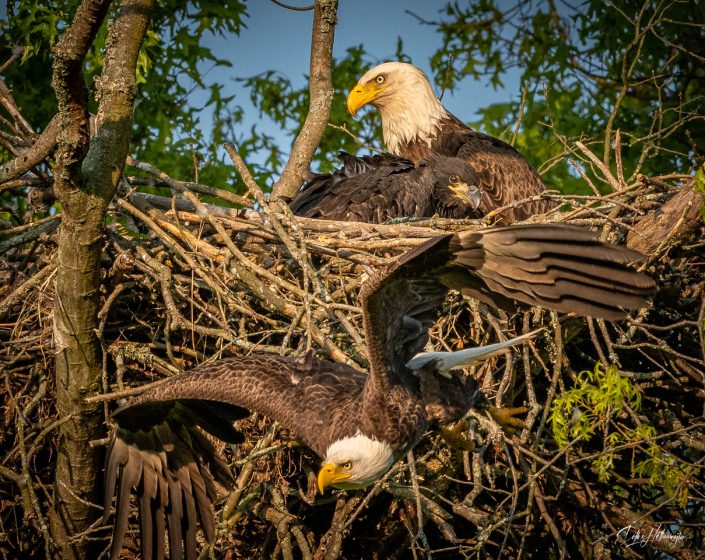
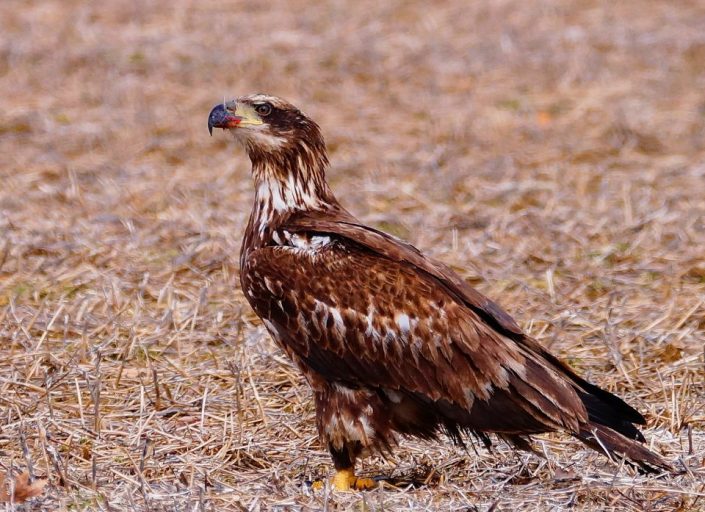
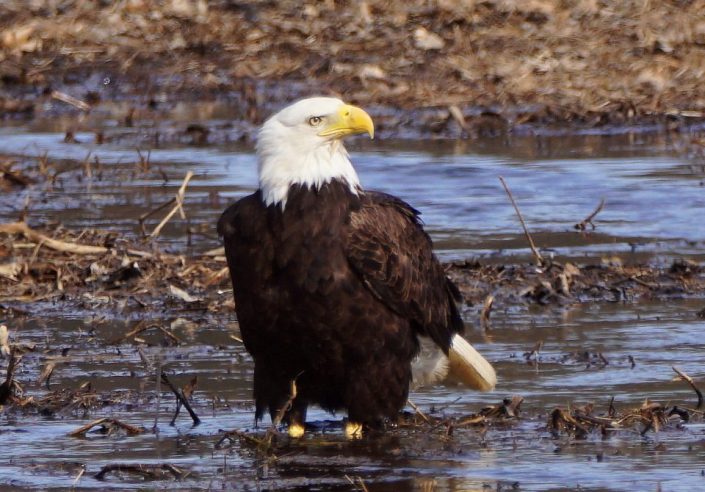
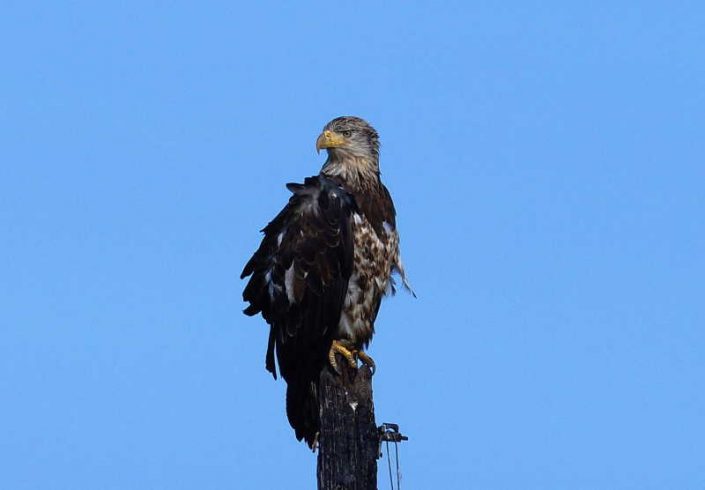
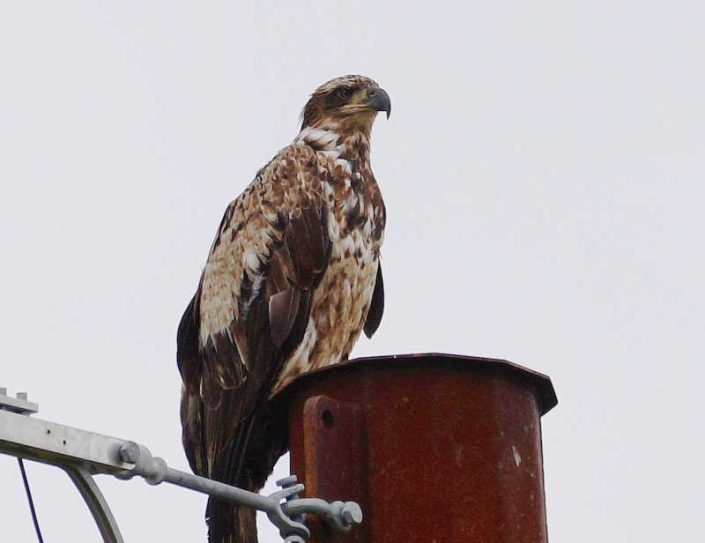
2023: NJ Eagle Project Volunteer Photos

by: Larissa Smith, Senior Biologist
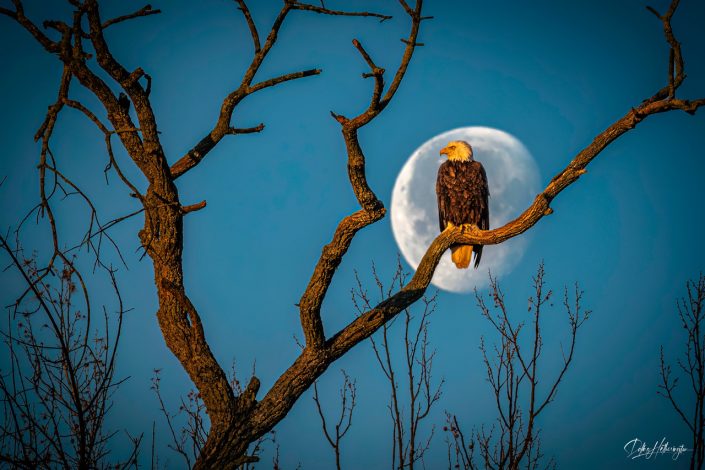
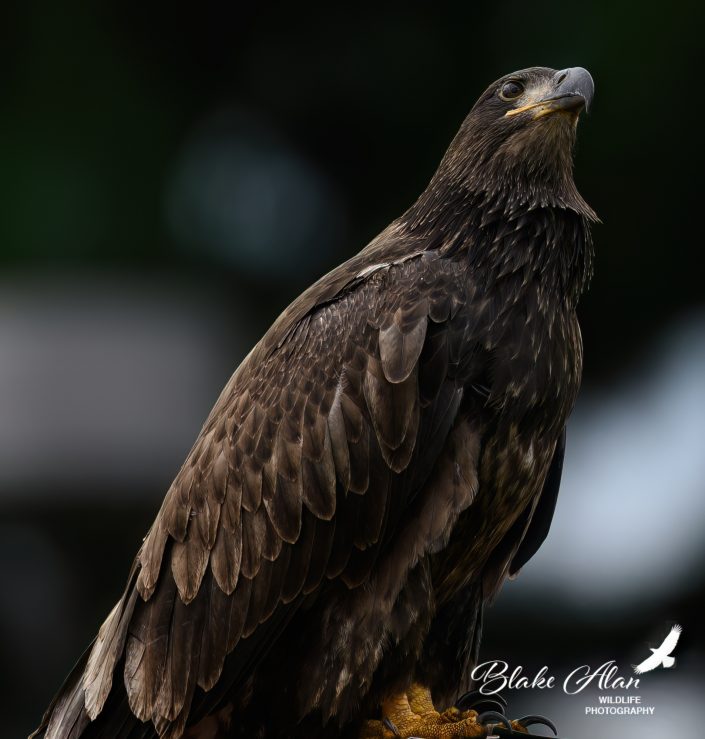
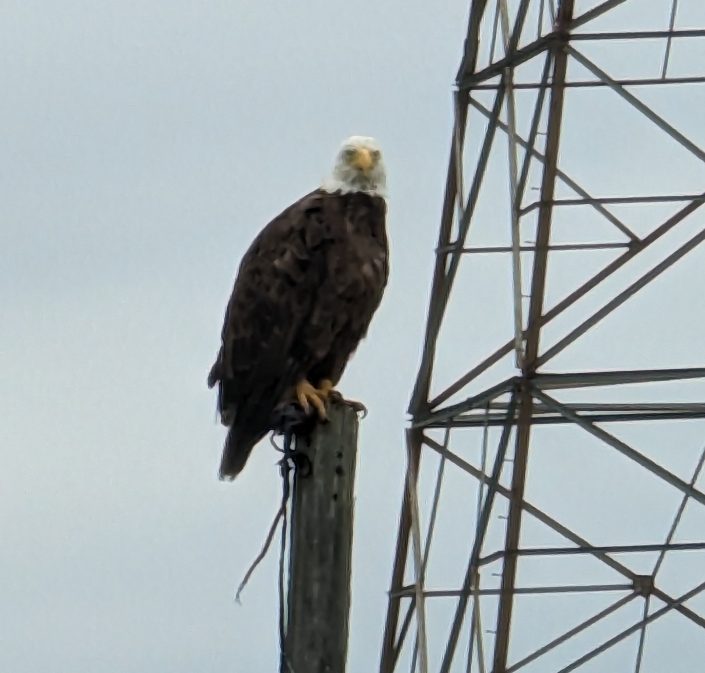
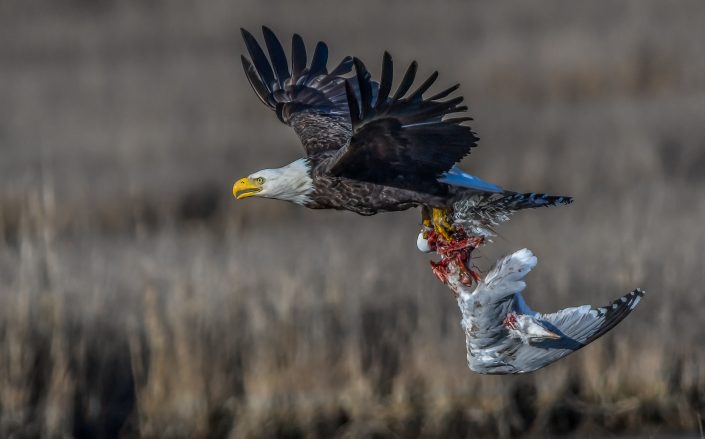
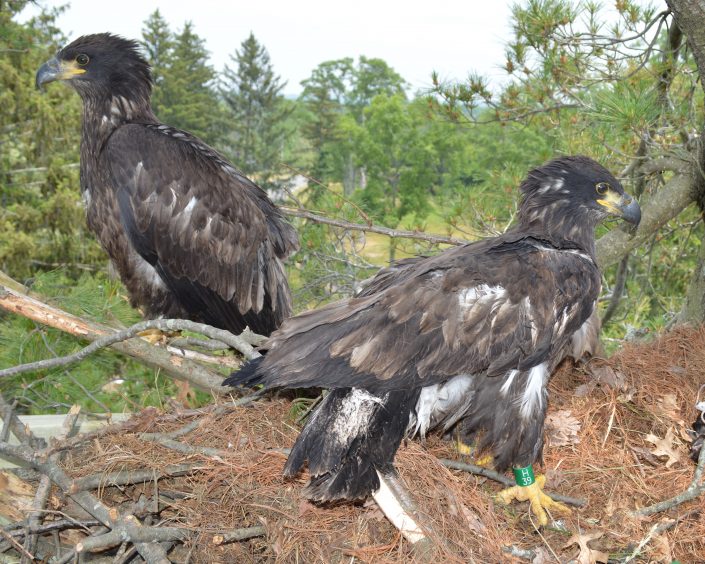
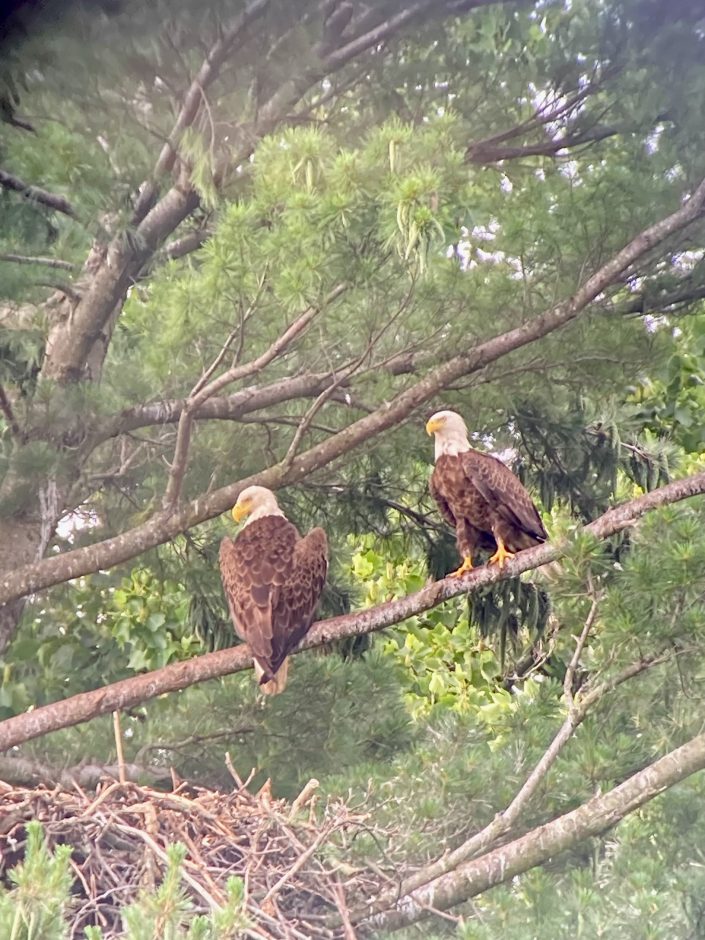
photo by Dallas Hetherington

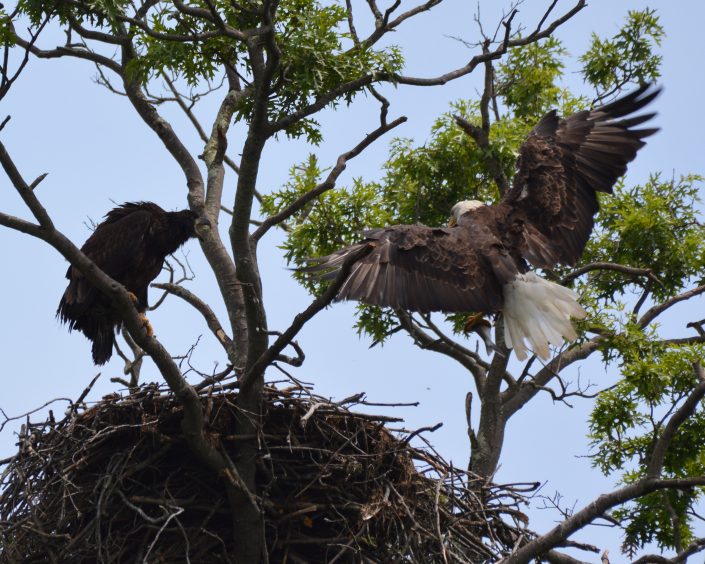
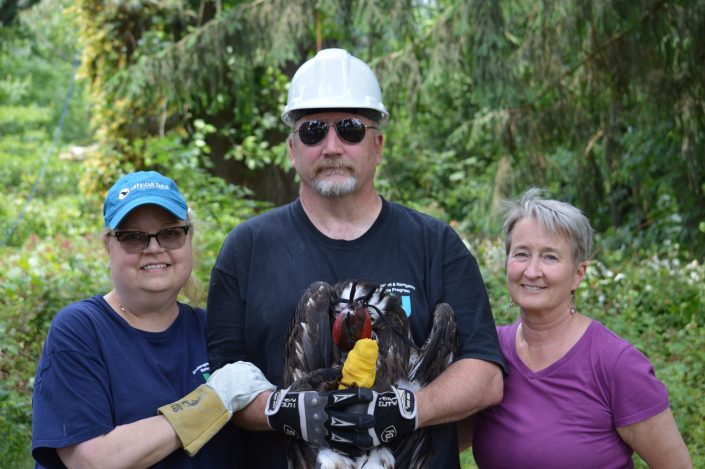
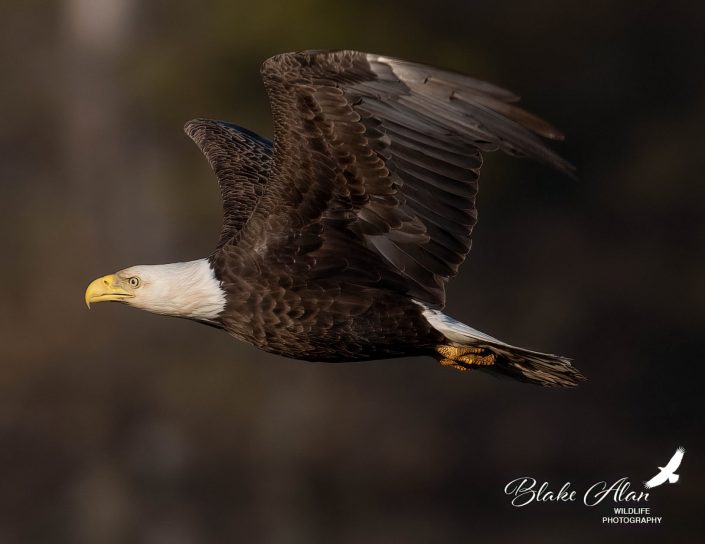
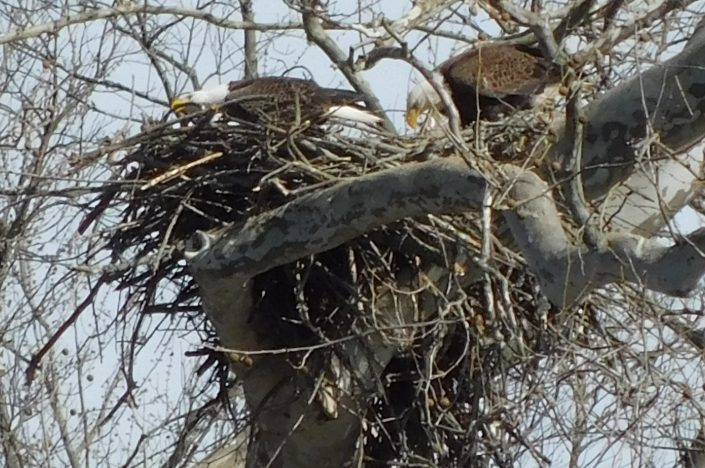
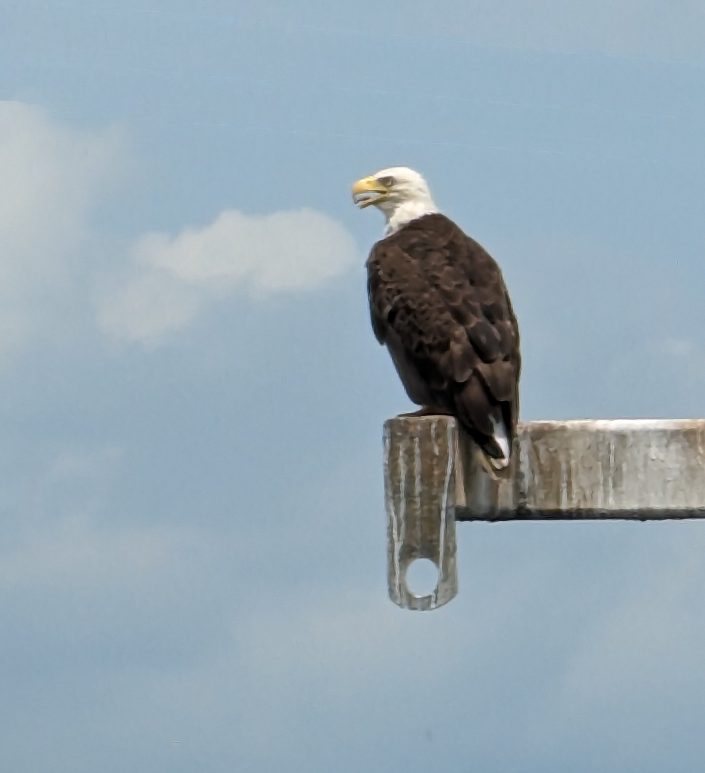
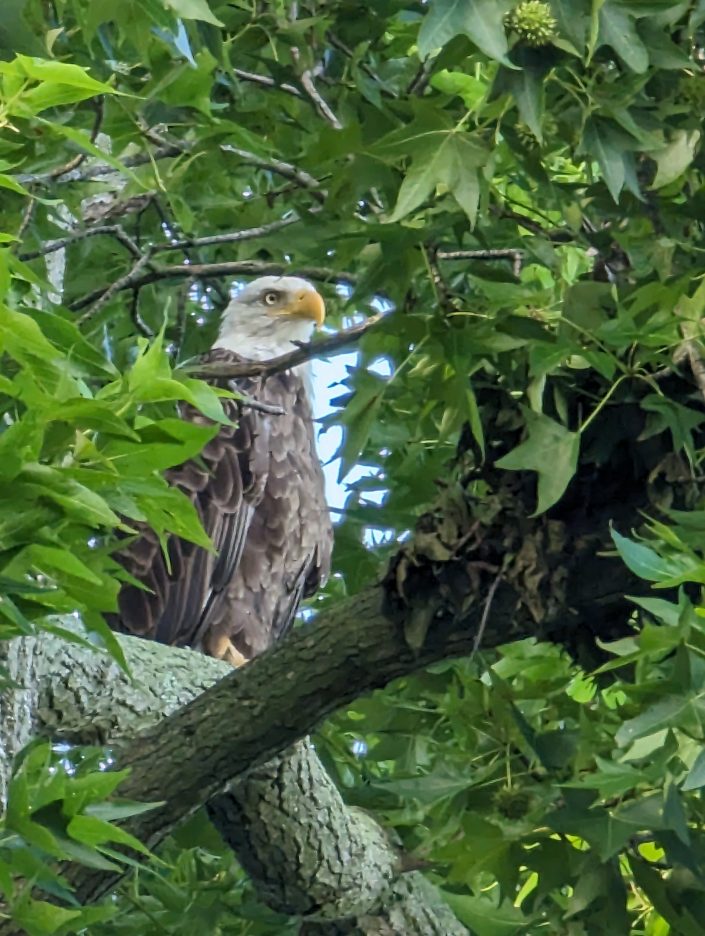
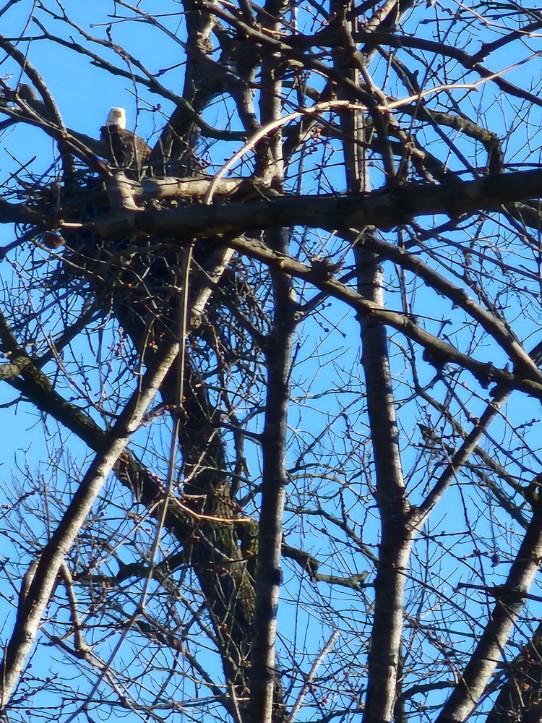
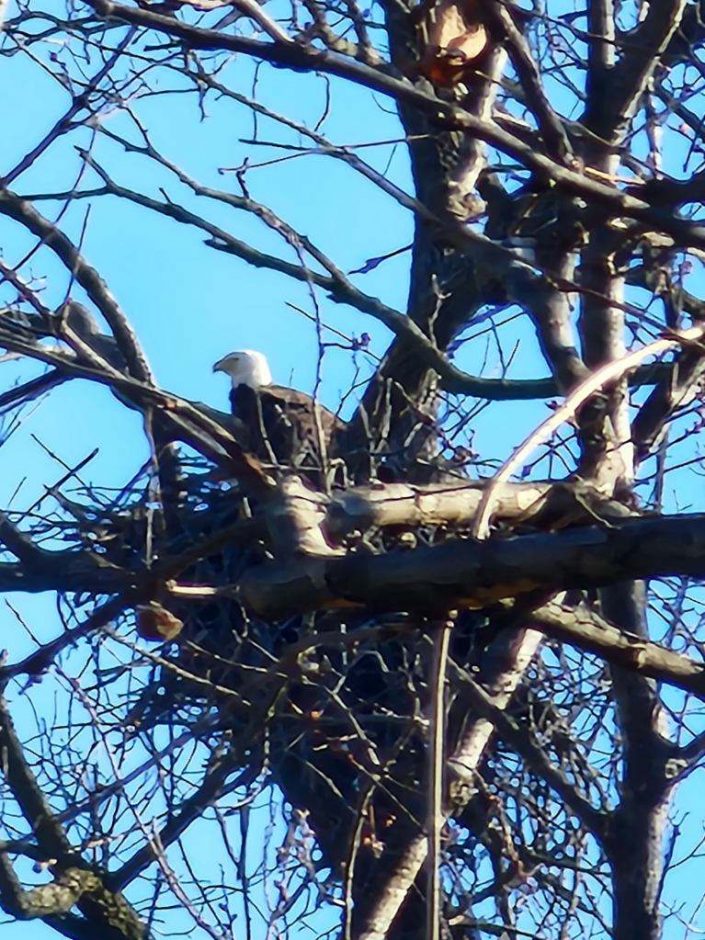
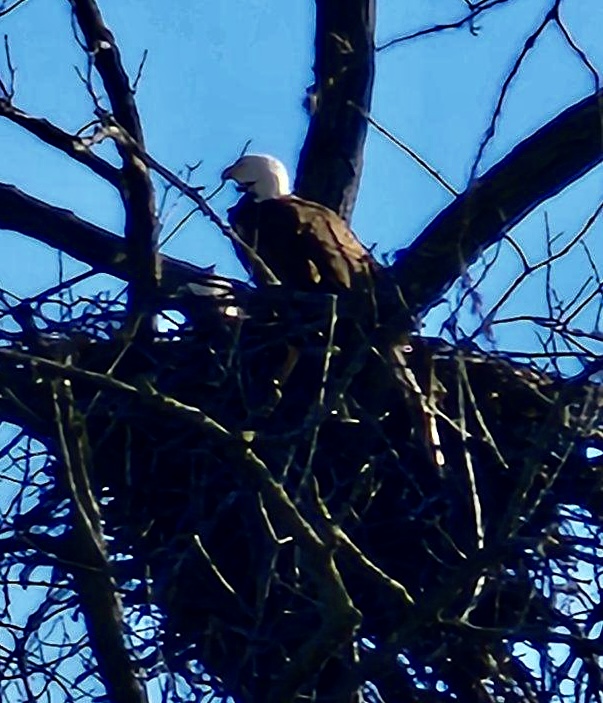
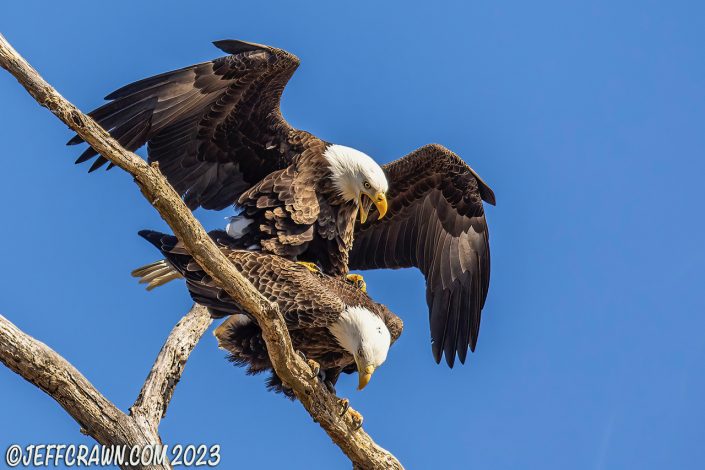
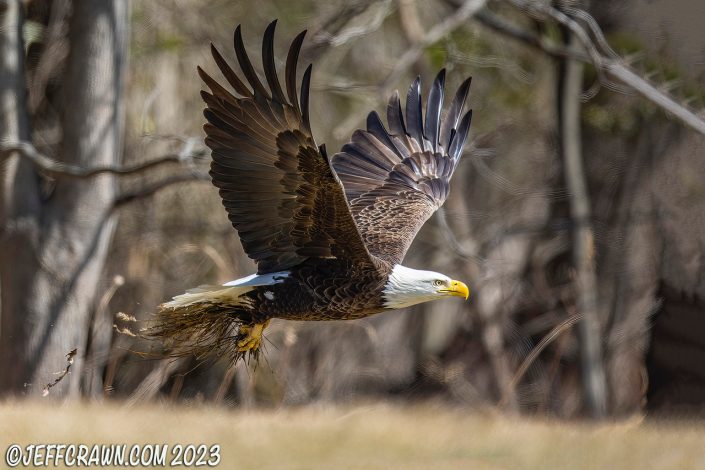
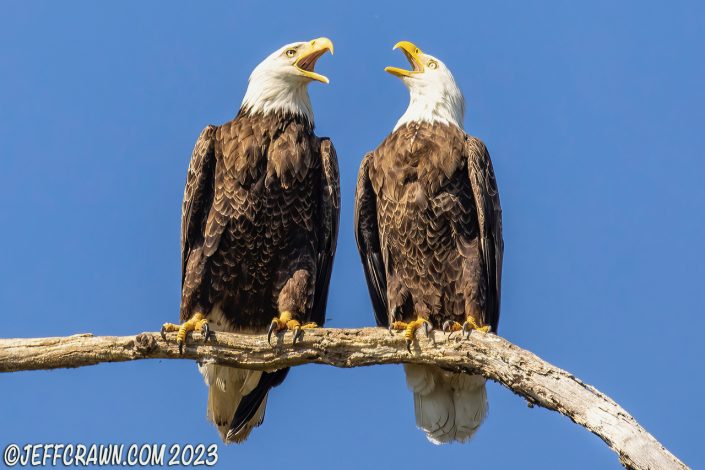
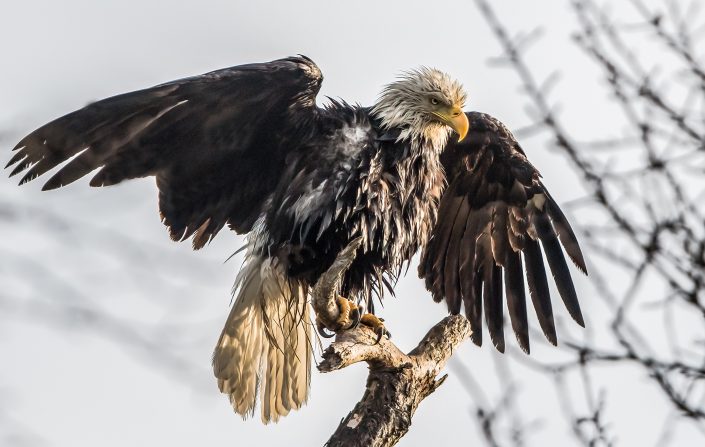
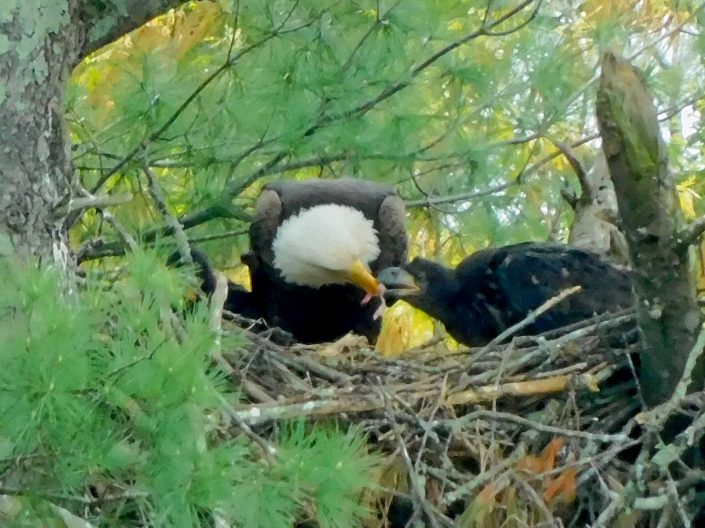
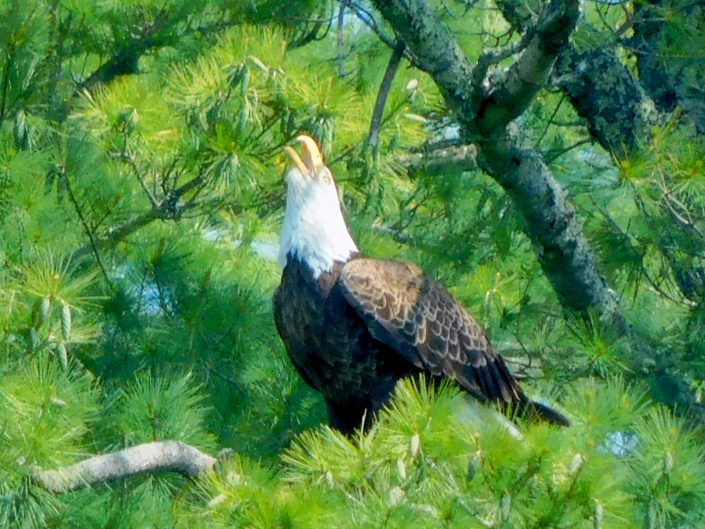
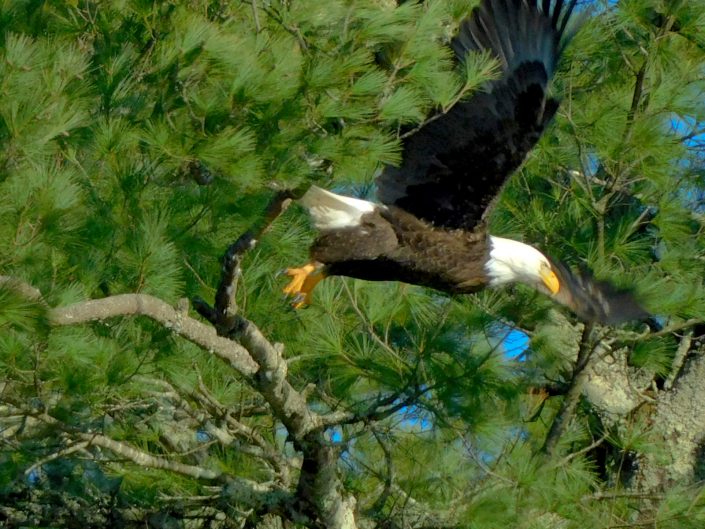
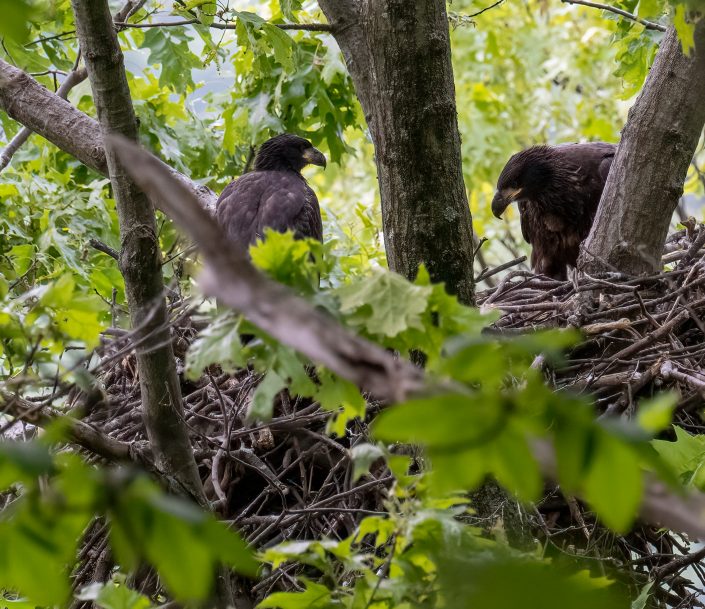
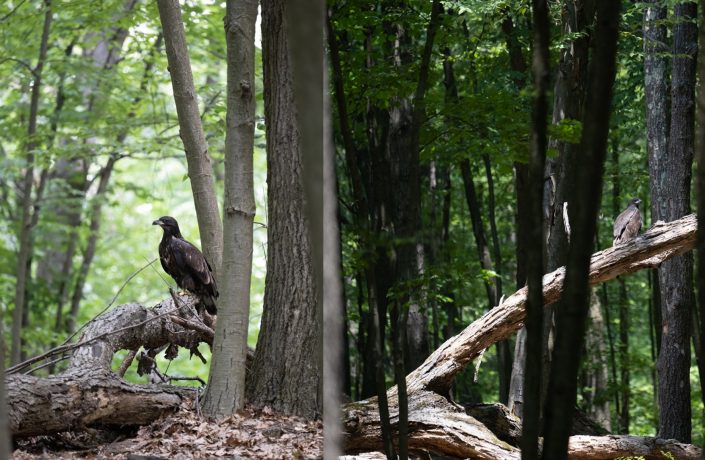
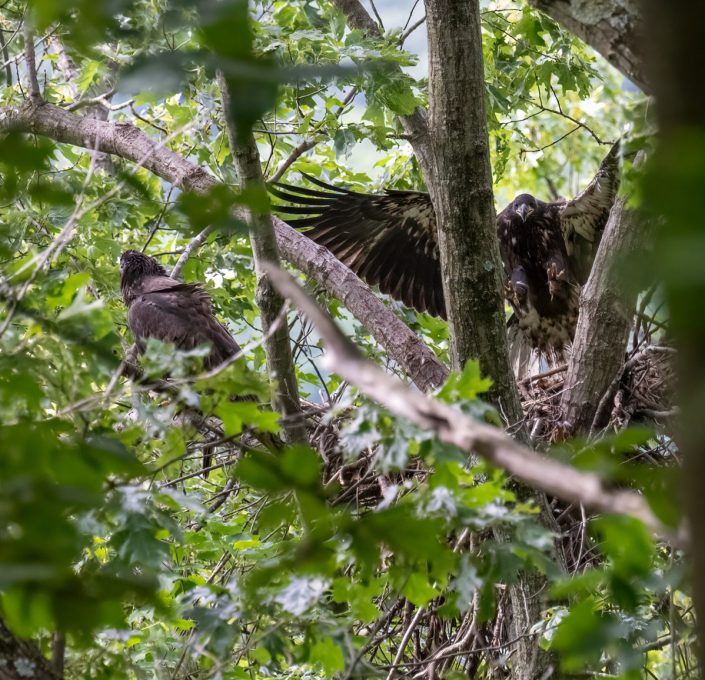
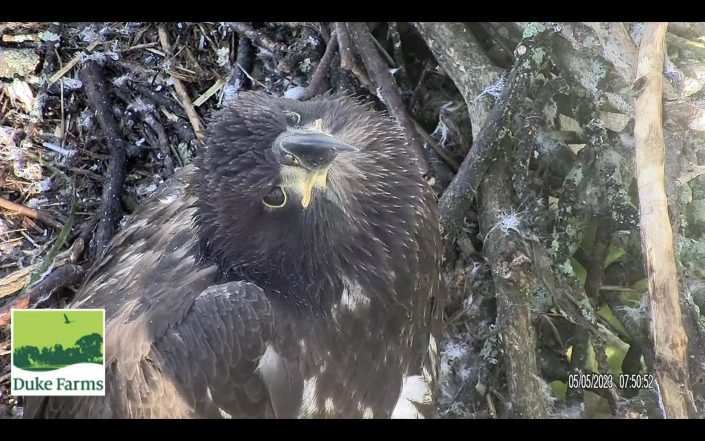
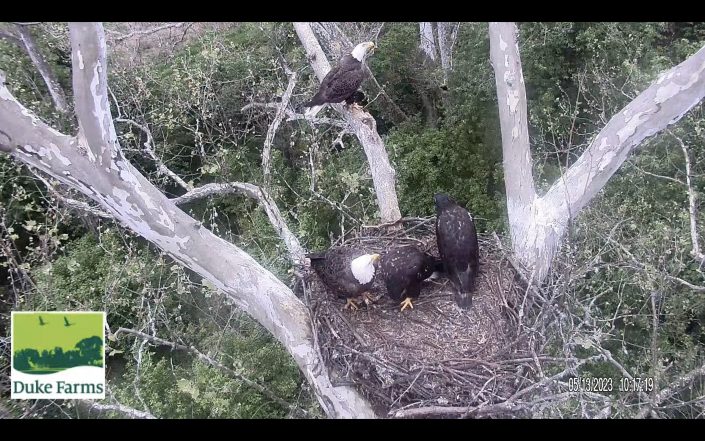
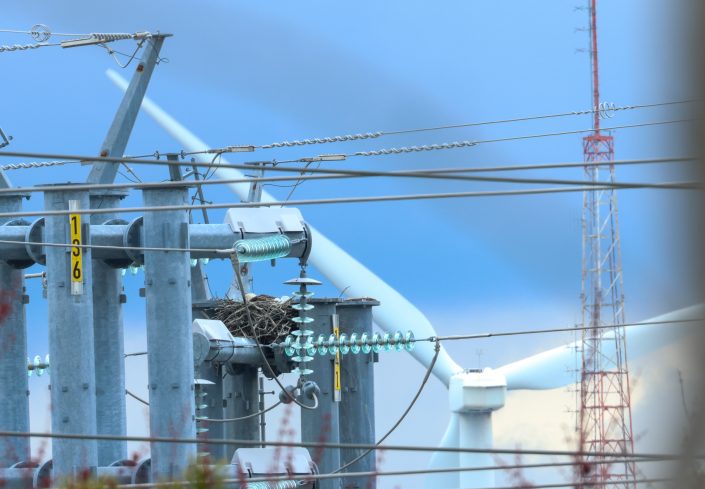
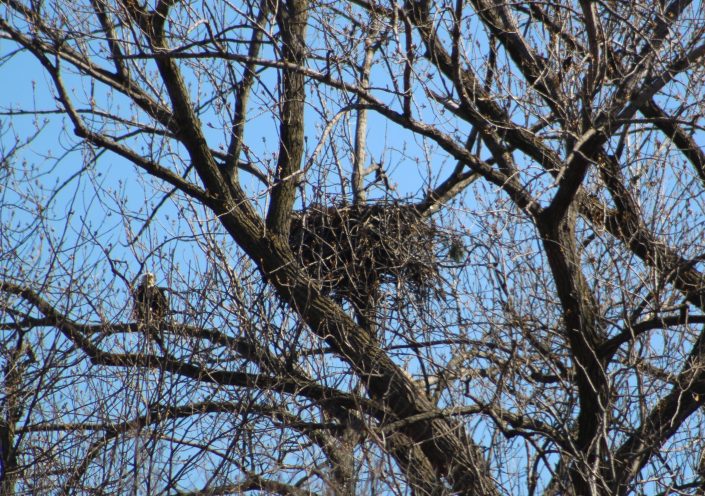
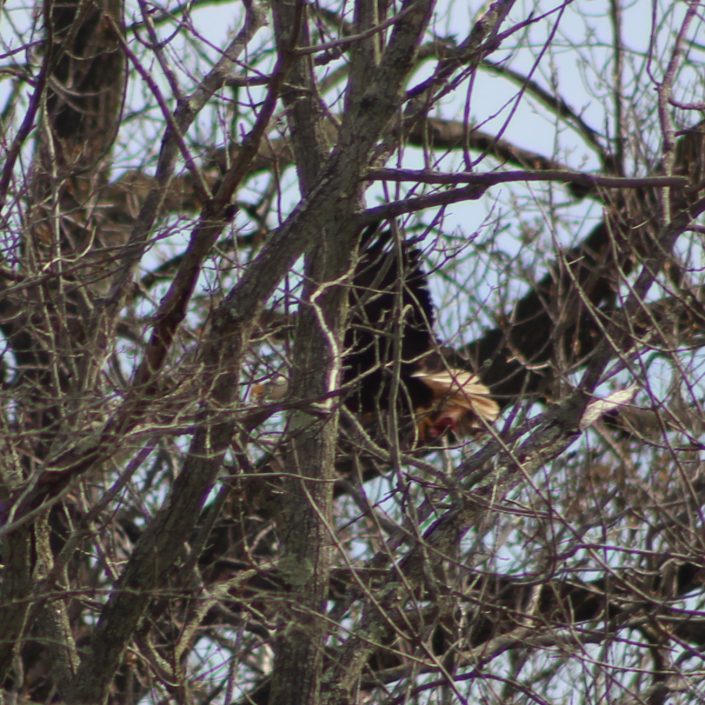
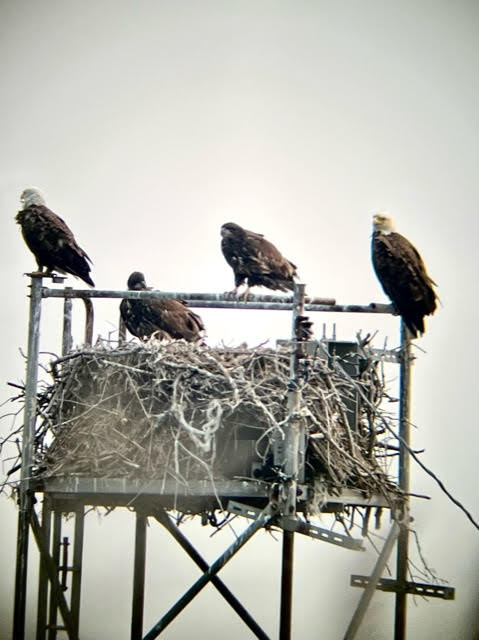
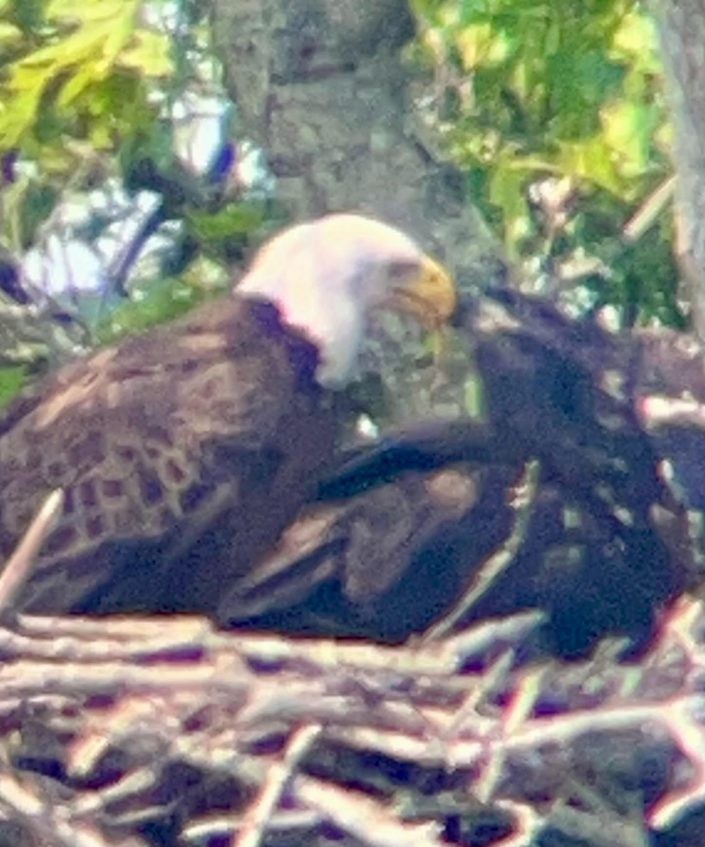
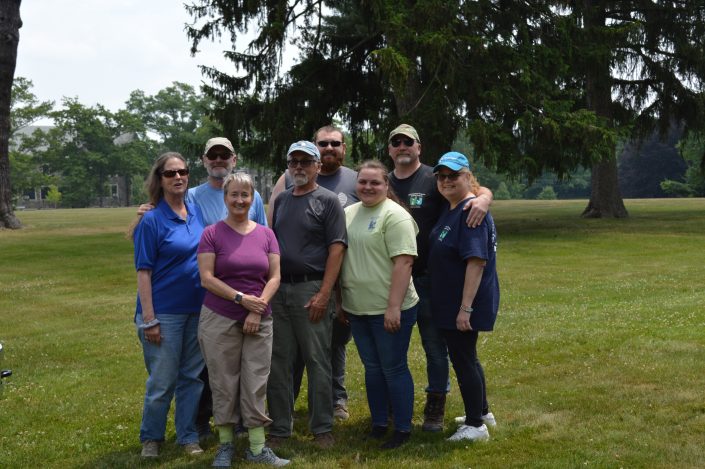
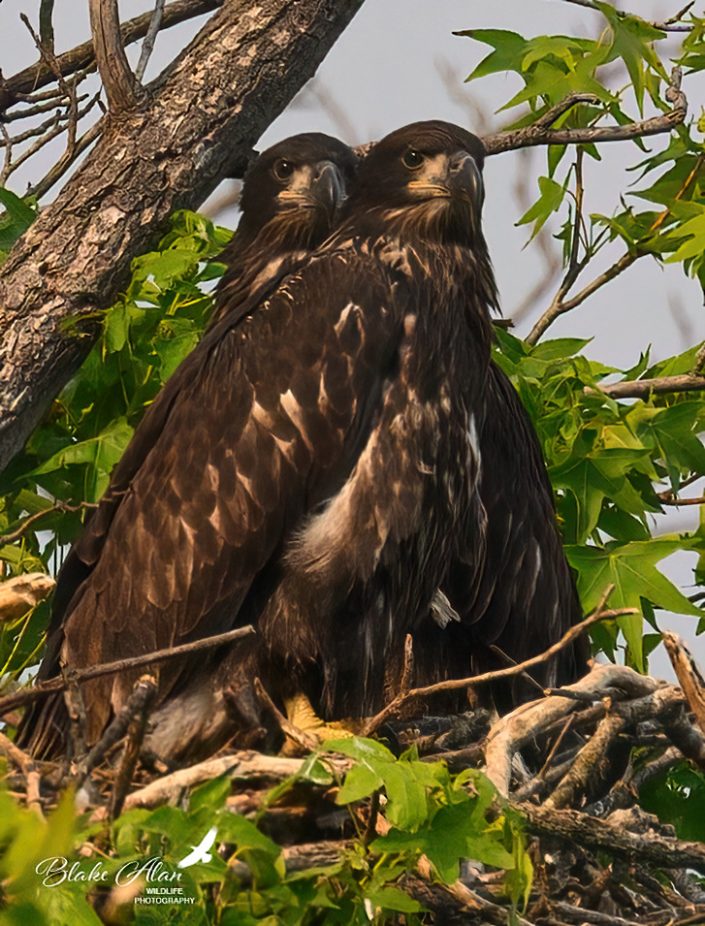
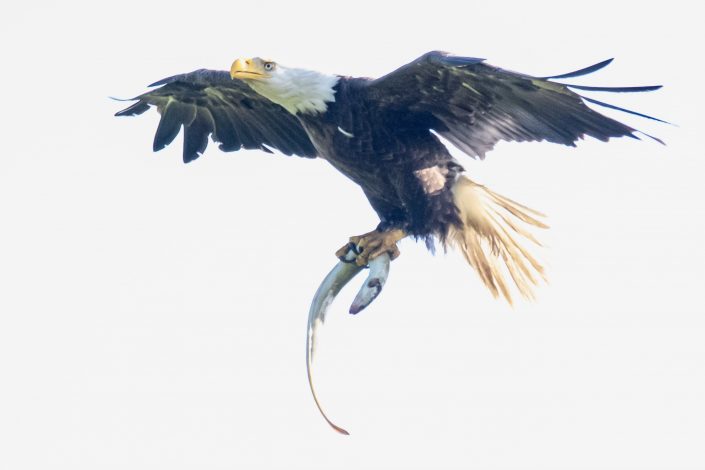
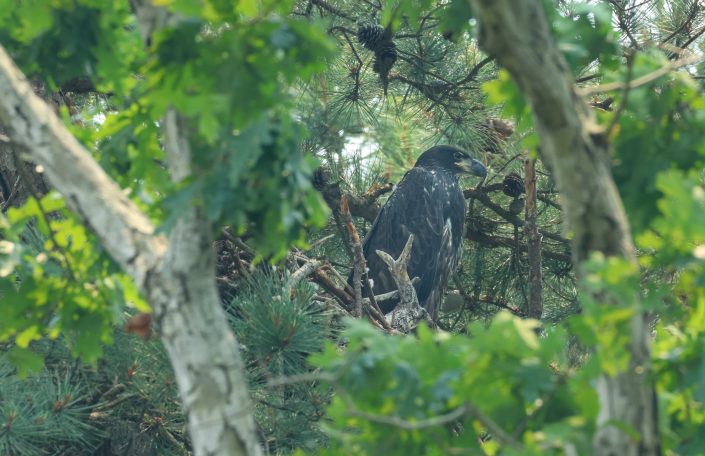
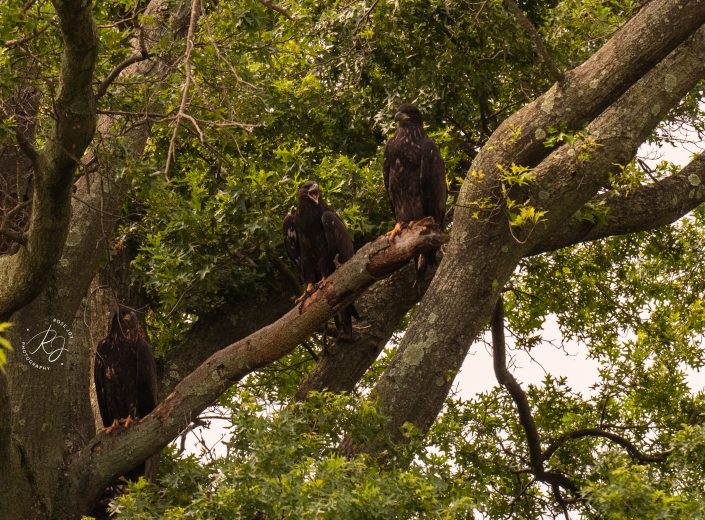
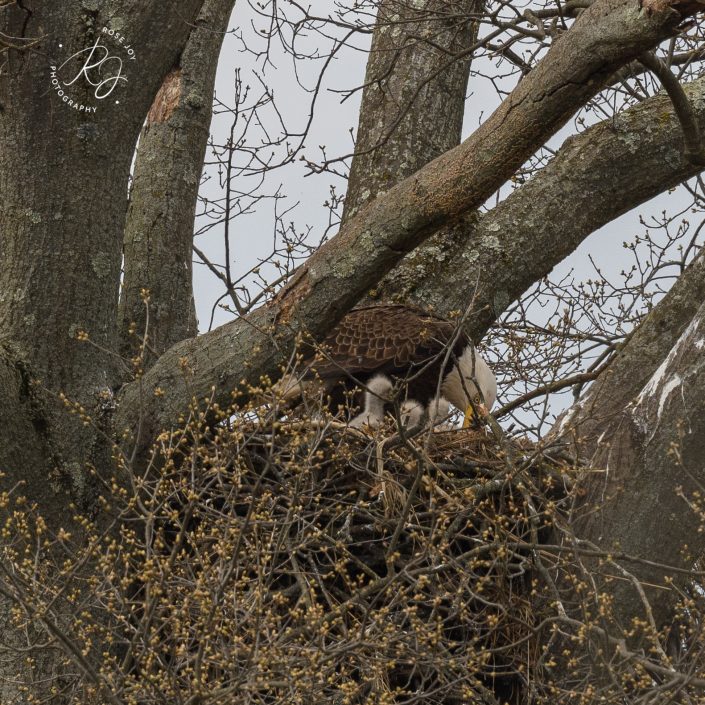
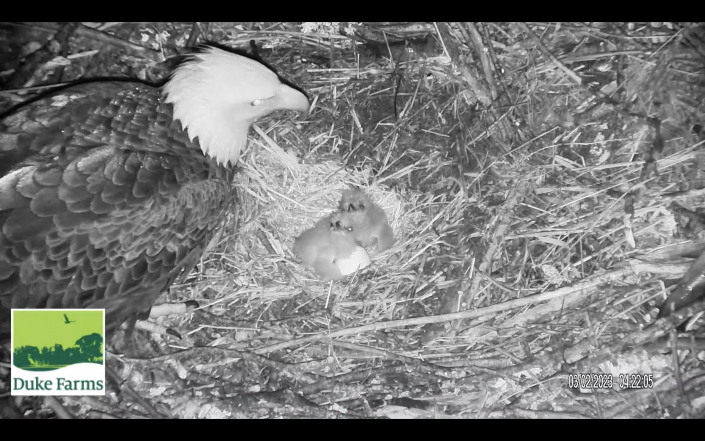
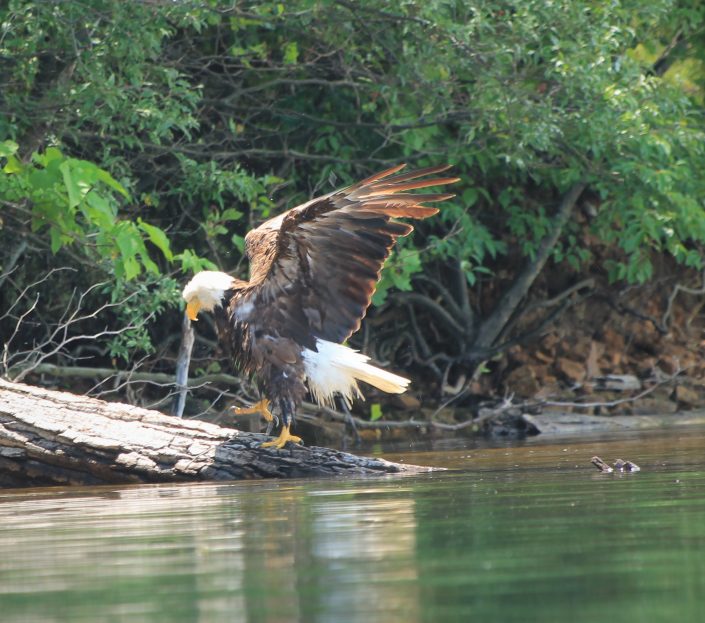
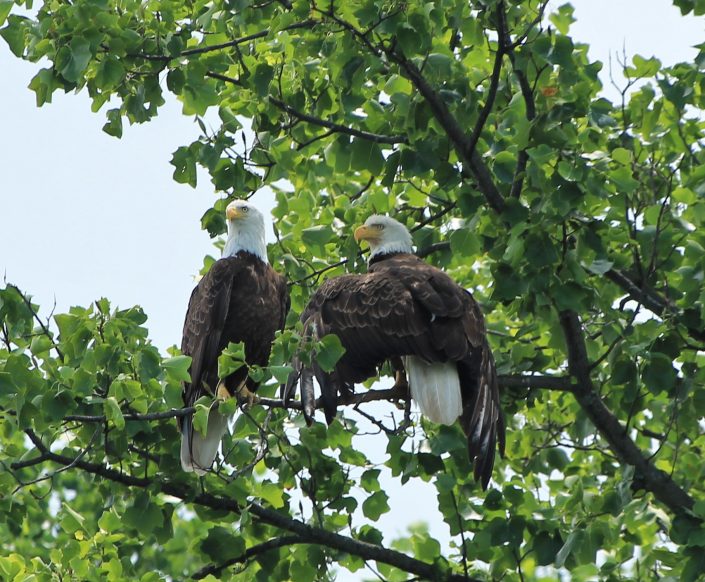
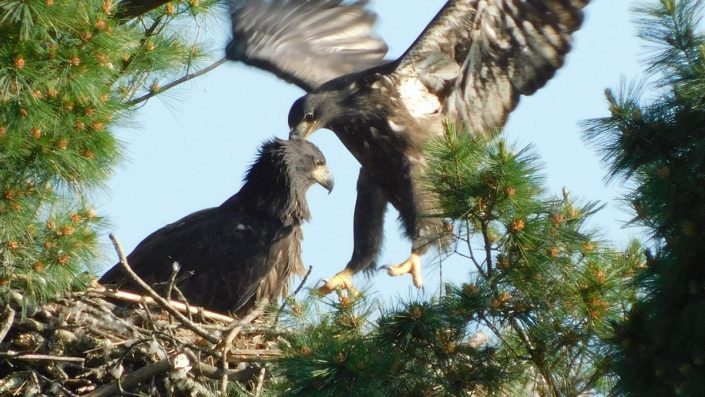
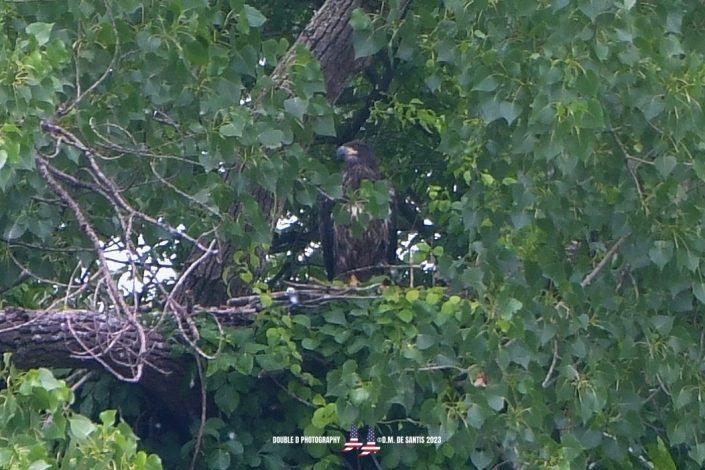
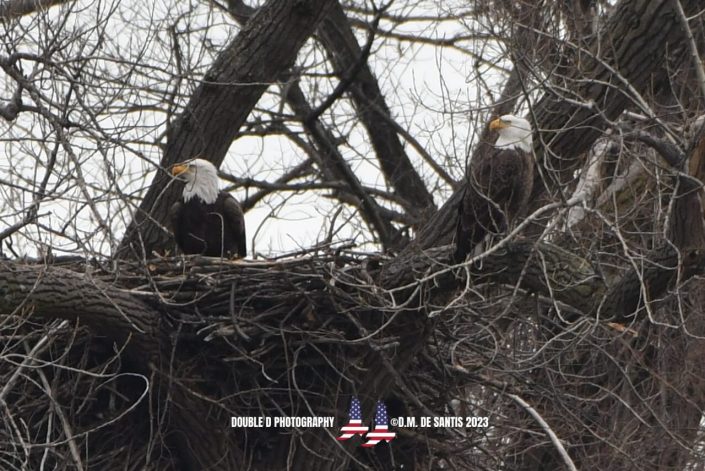
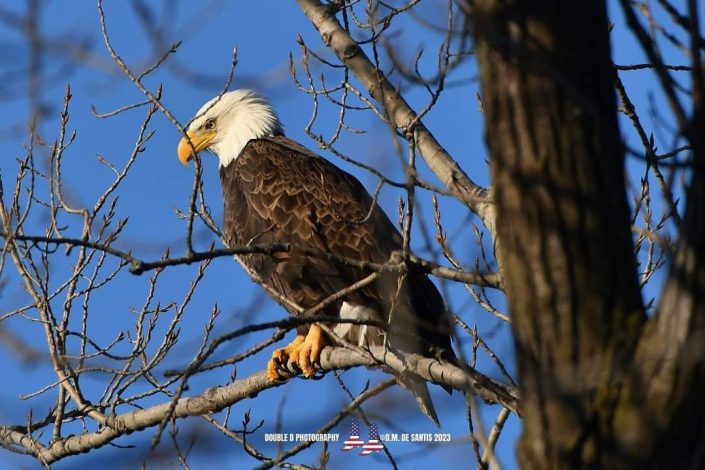
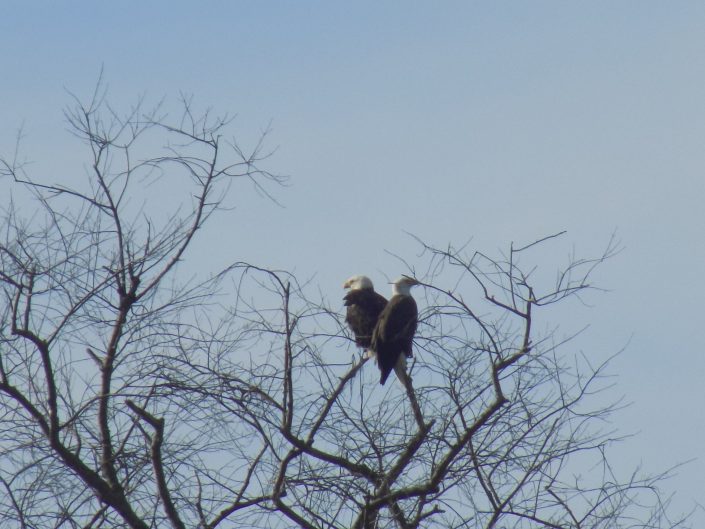
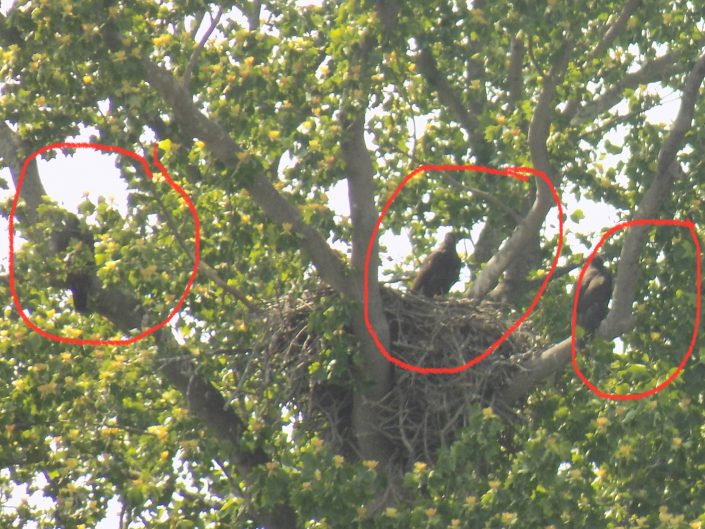
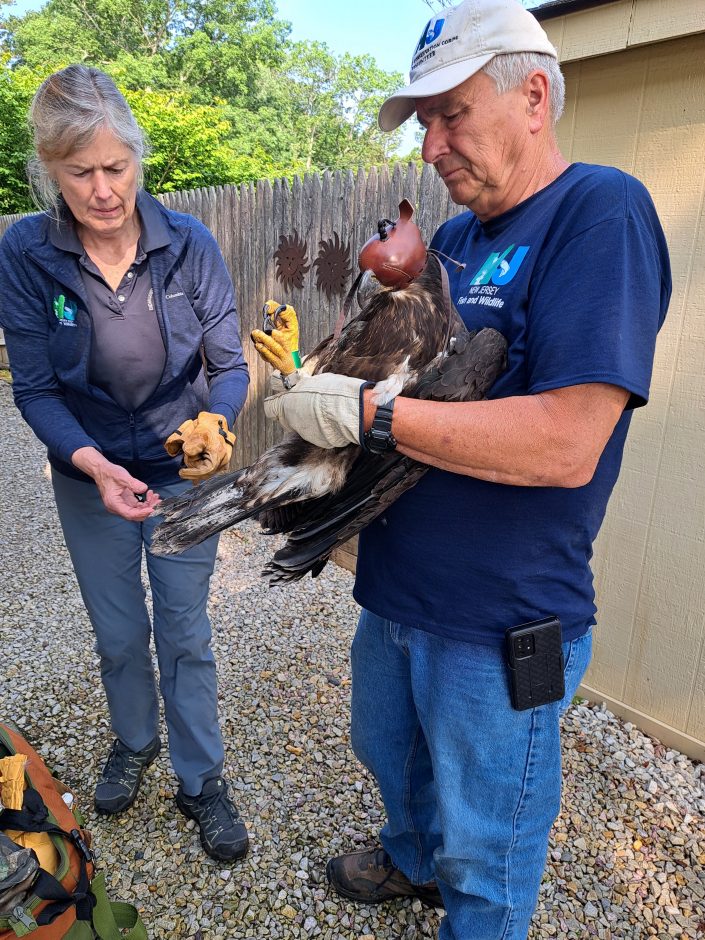
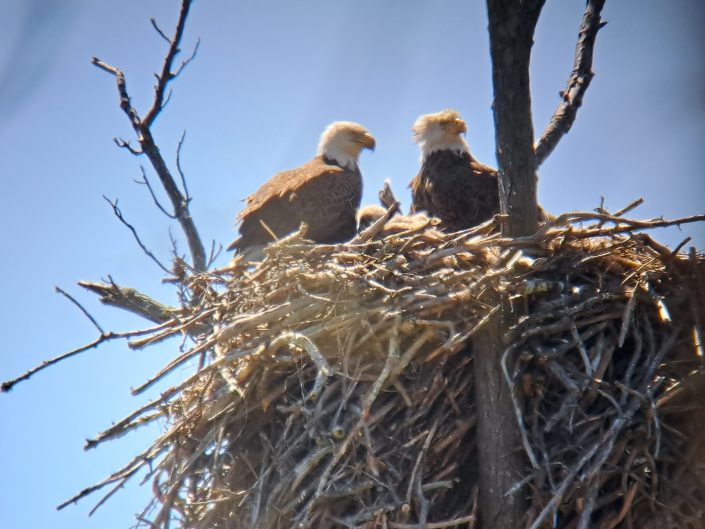
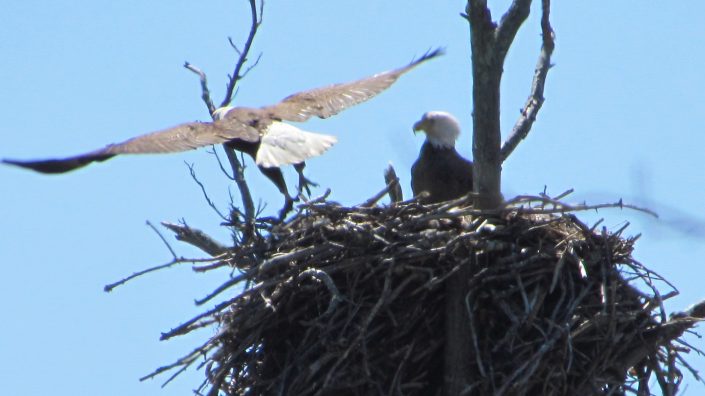
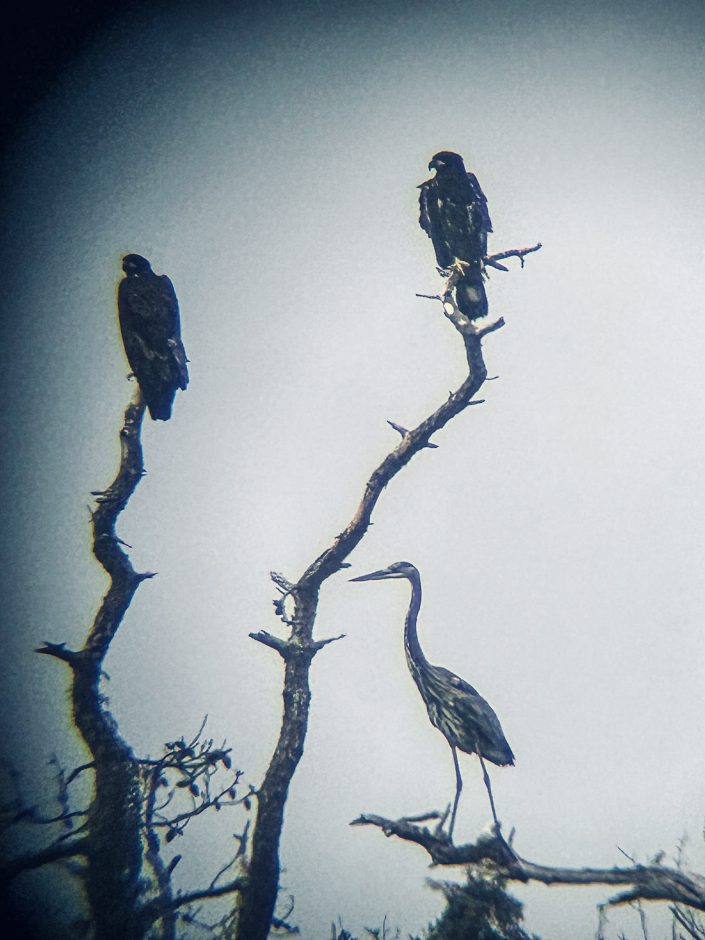
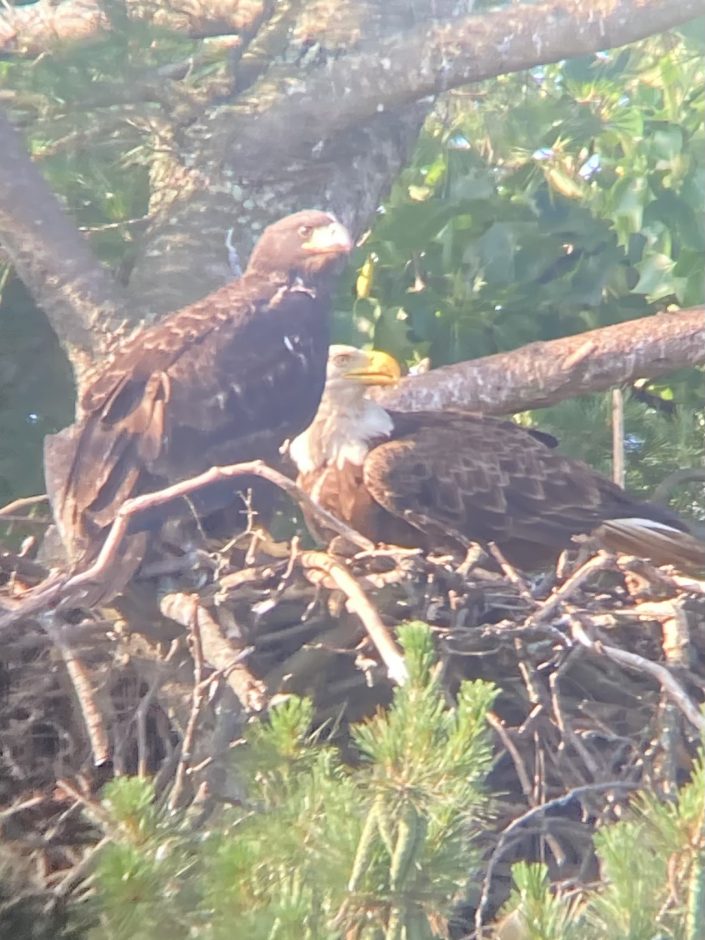
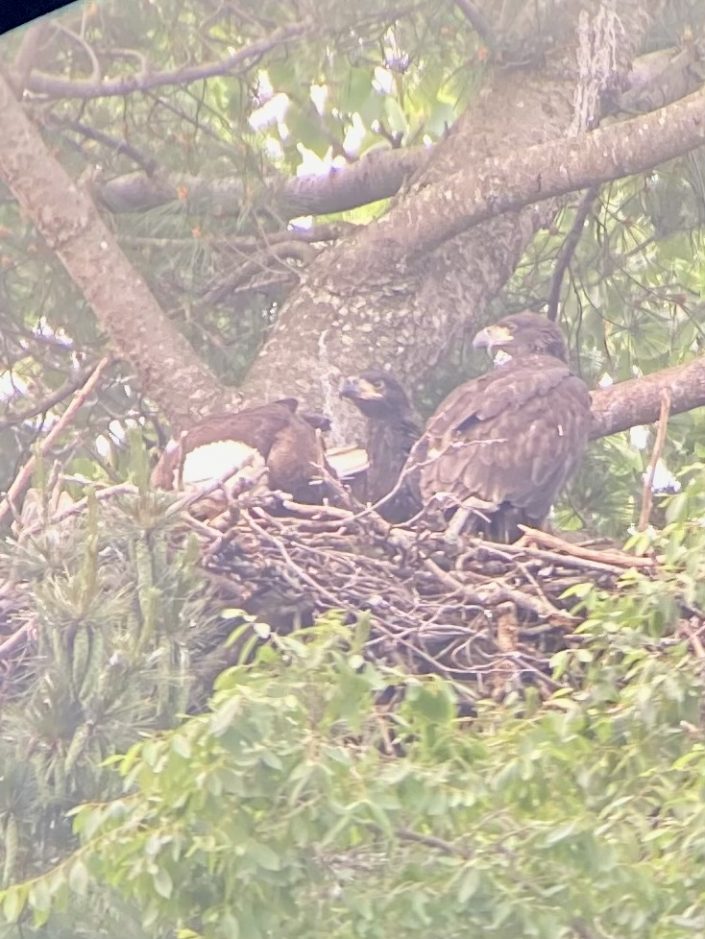
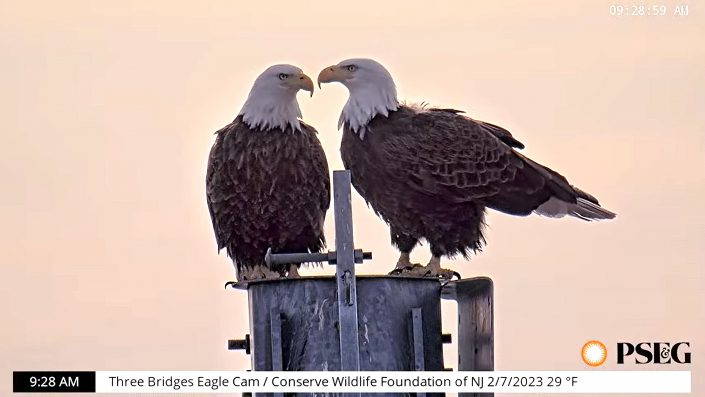
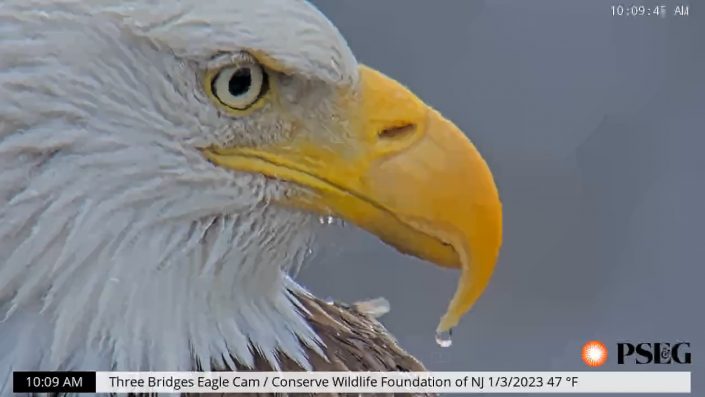
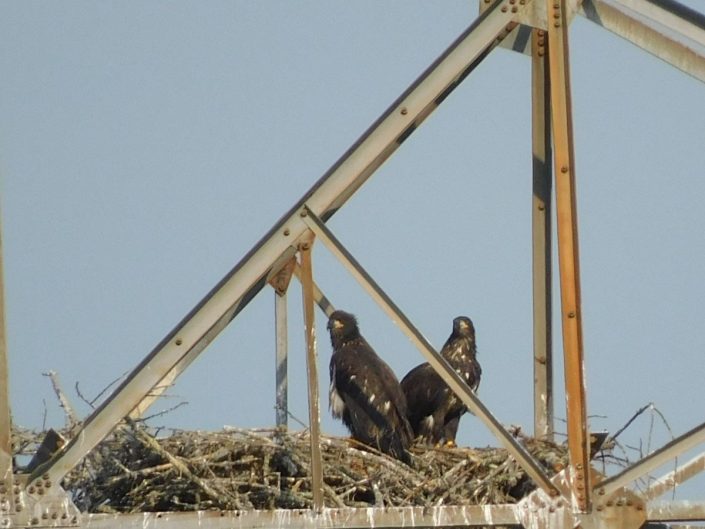
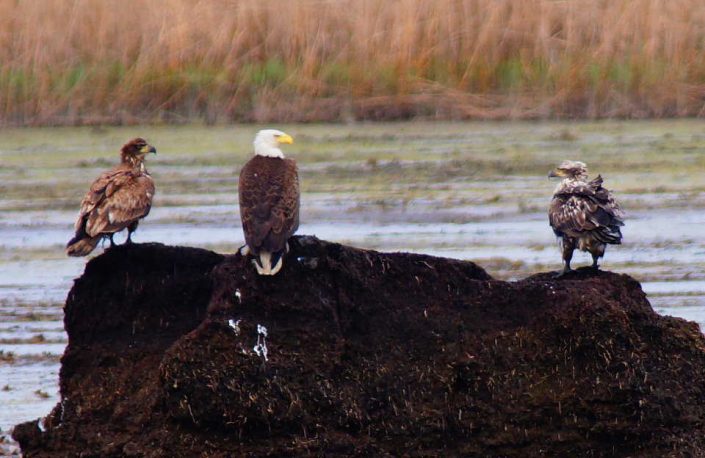
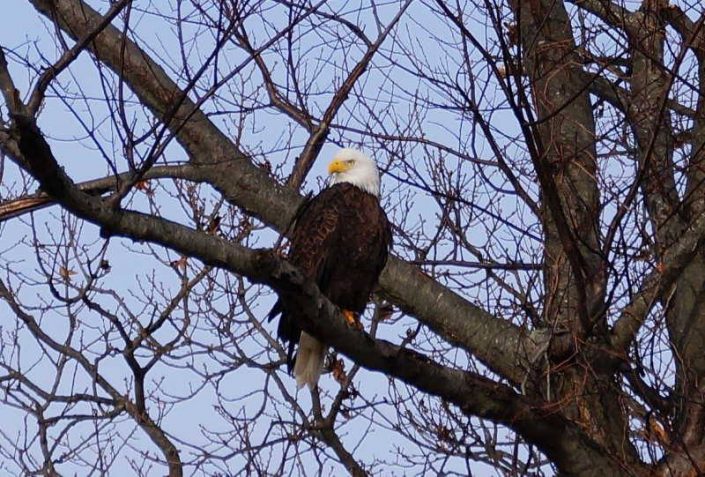
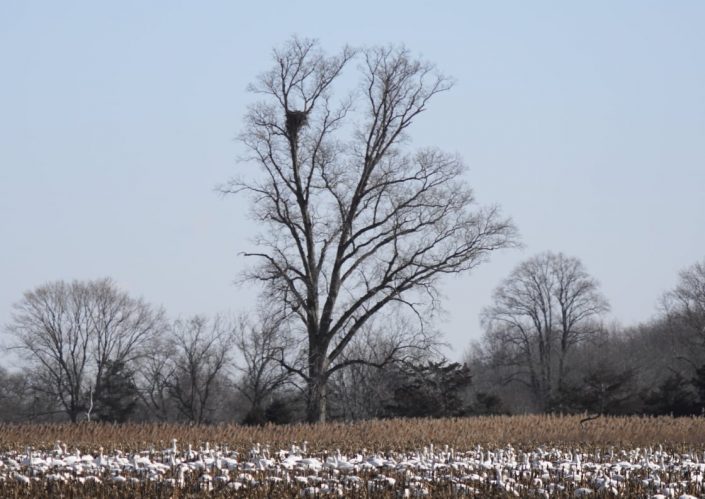
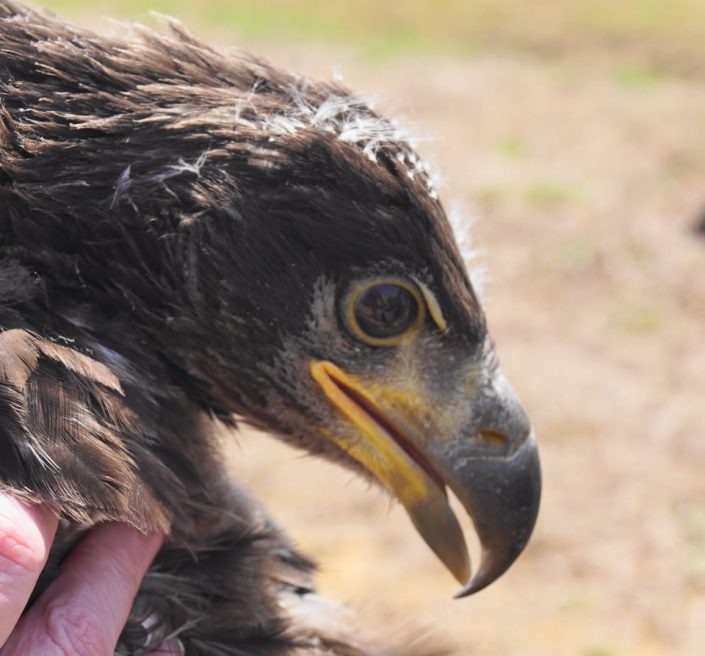
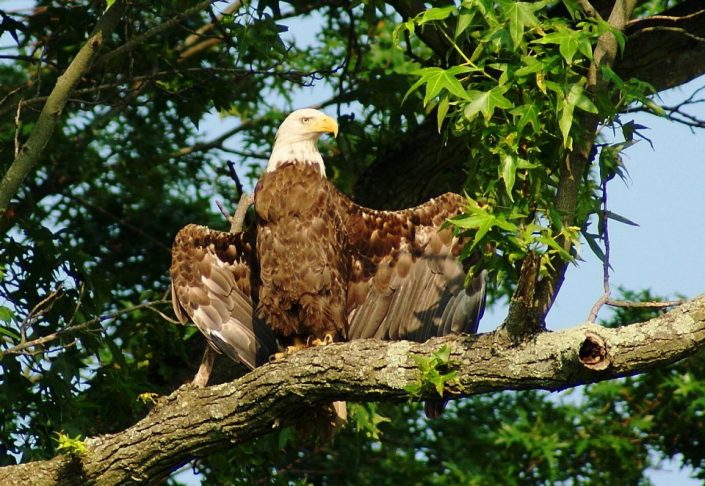
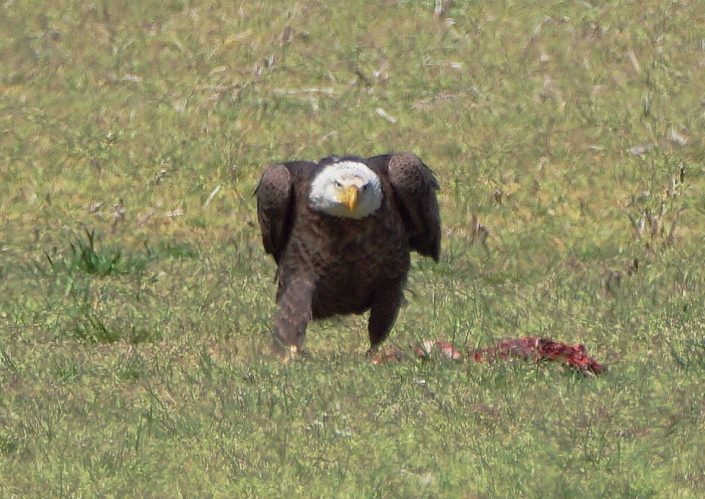
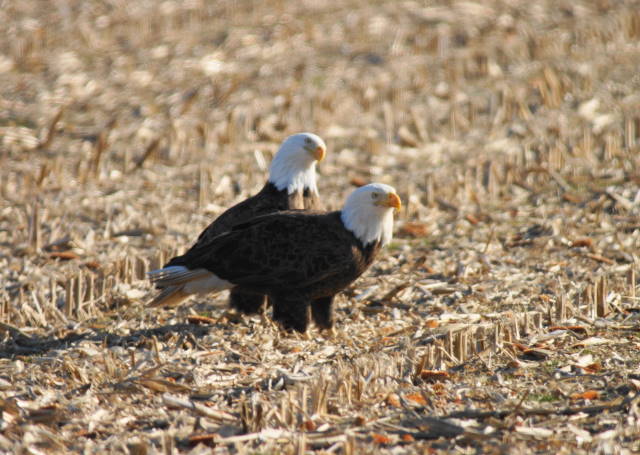
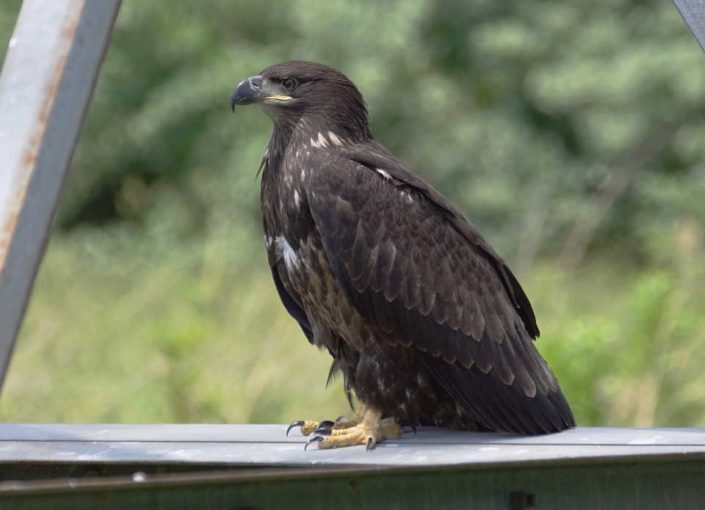
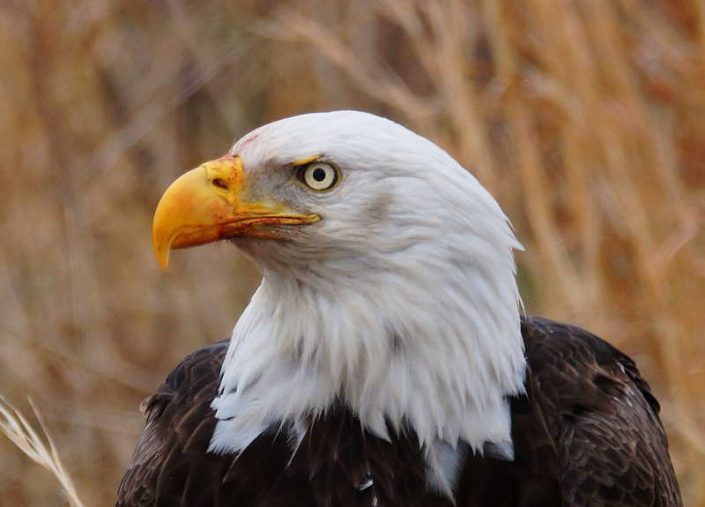
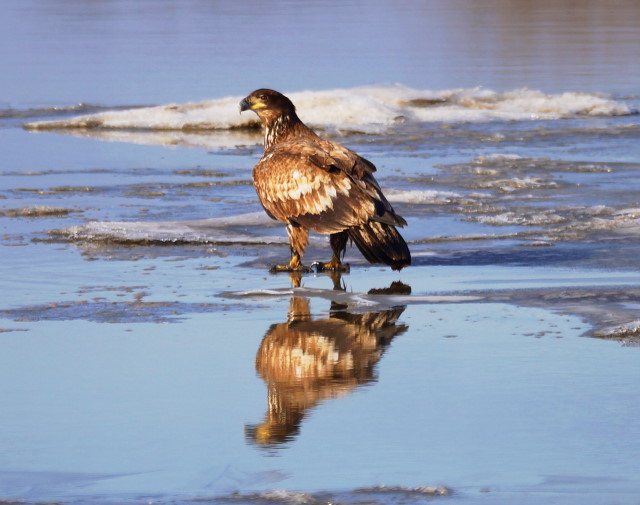
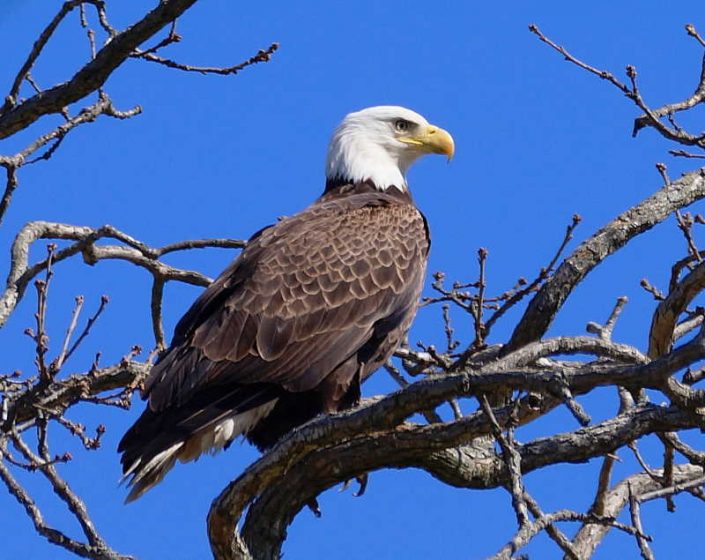
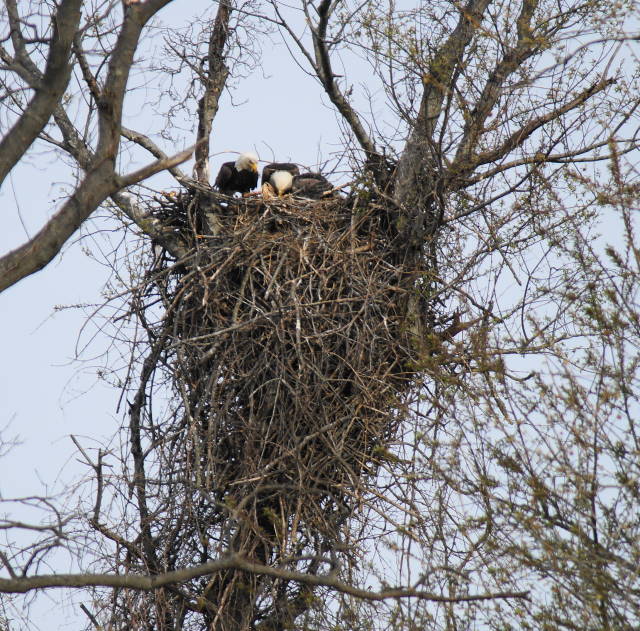
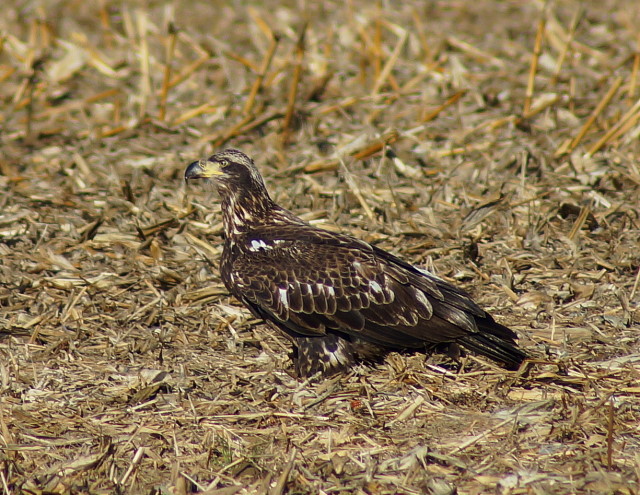
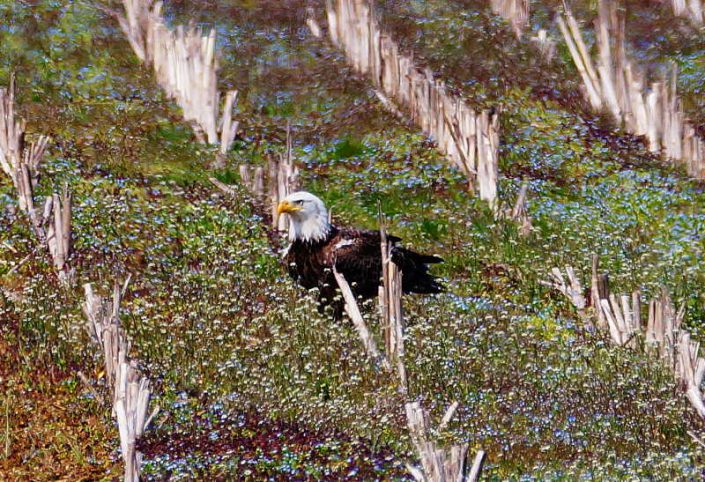
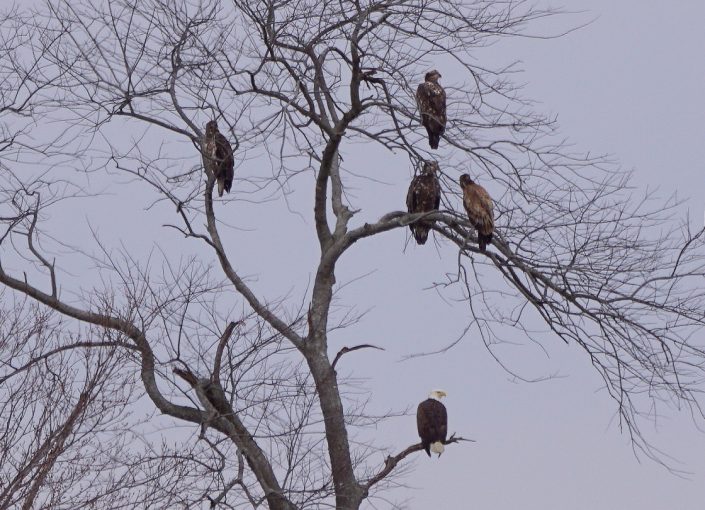
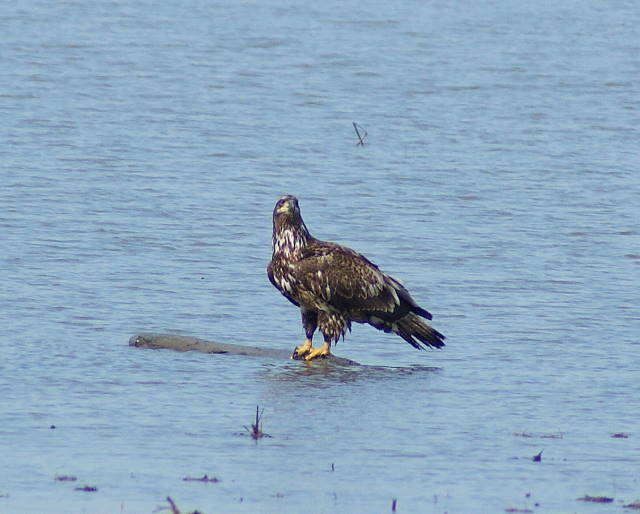
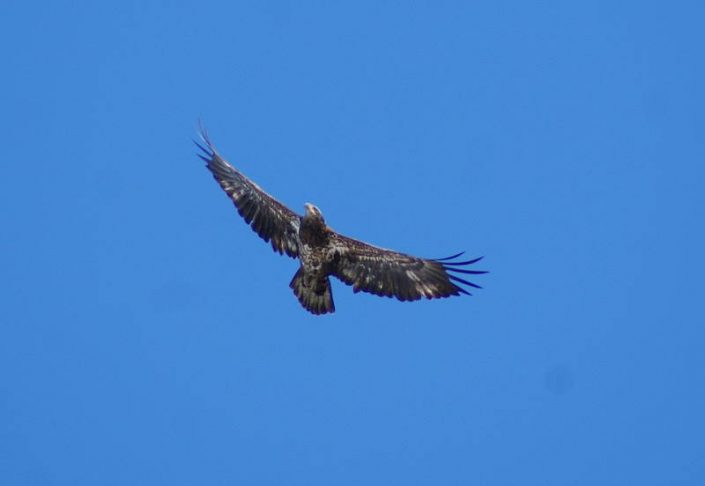
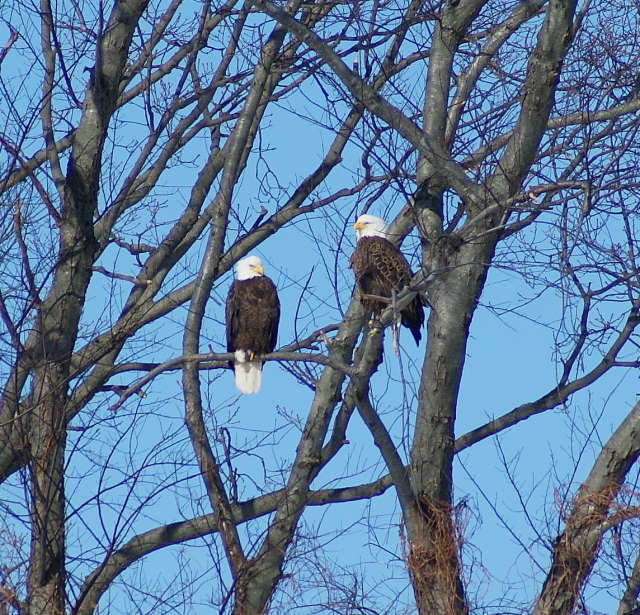
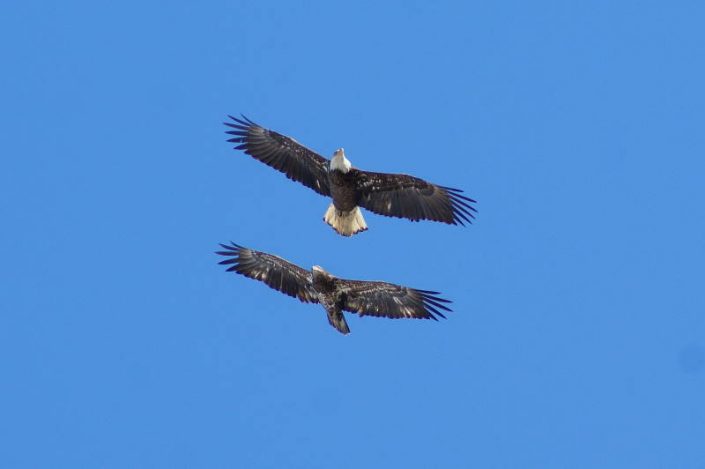
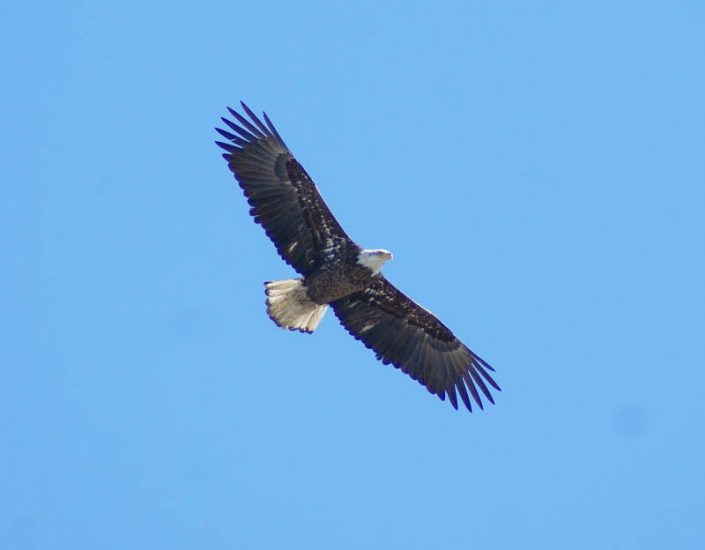
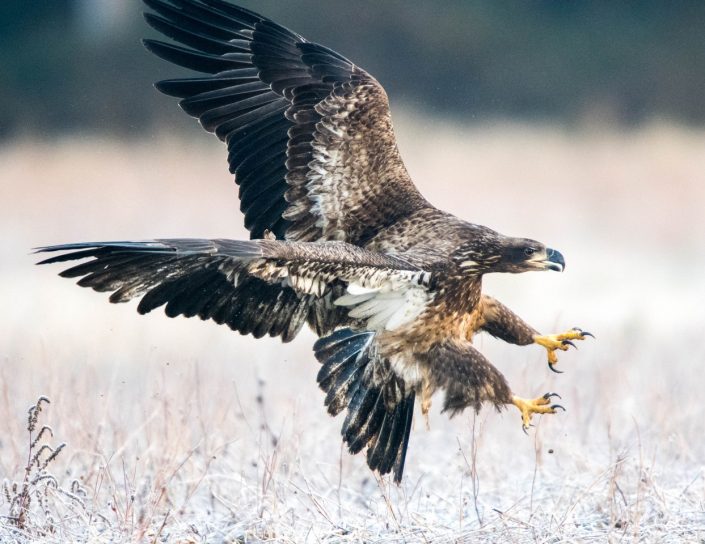
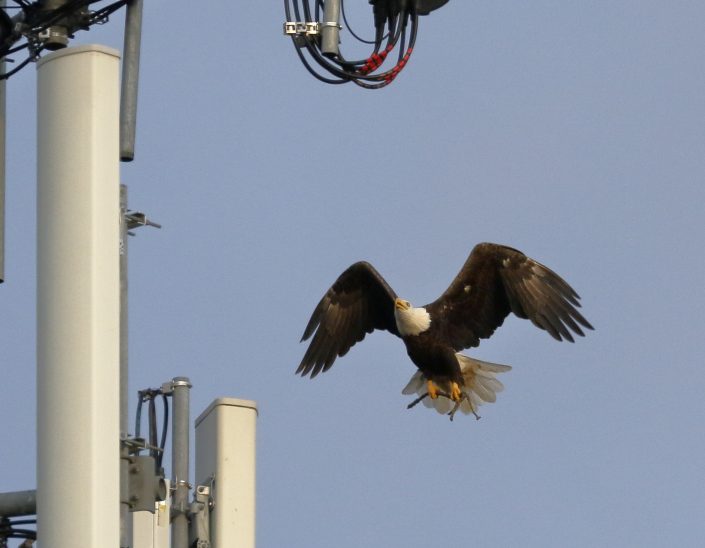
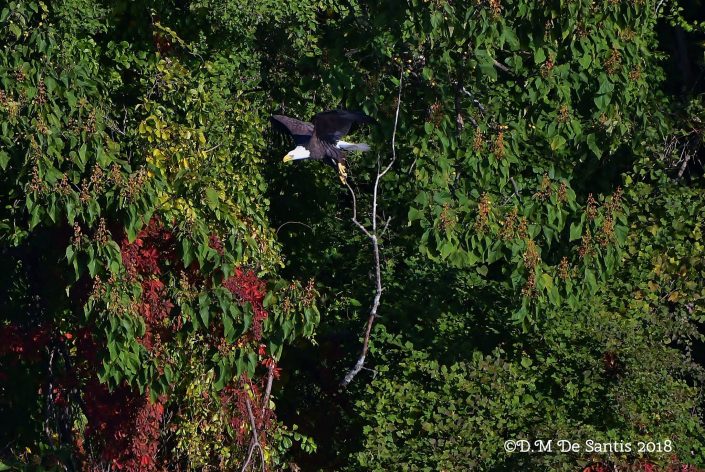
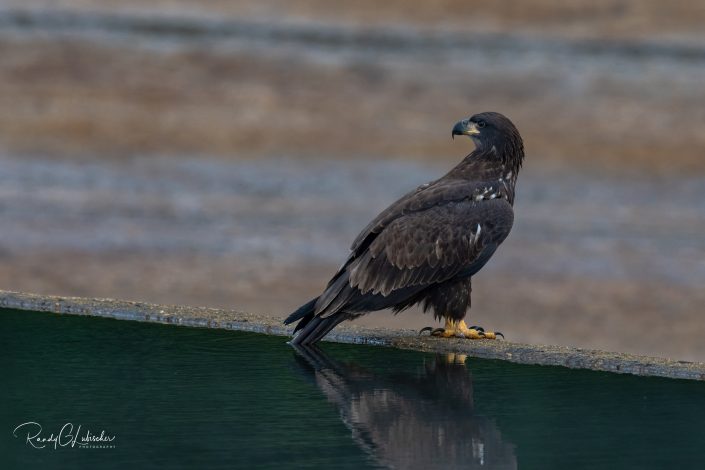
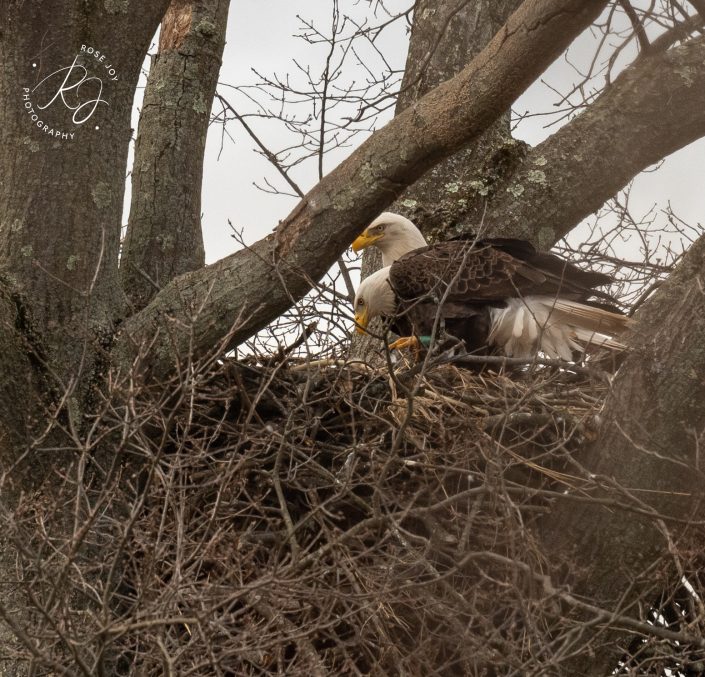
NJ Eagle Project Volunteers monitor nests during the nesting season. Since they spend a lot of time observing the nest and eagles behavior they get to see some pretty interesting things and many of them are able to document with photos. I asked volunteers to send me their three favorite photos from the eagle nesting season. Thank you to all the eagle project volunteers for their dedication

Enjoy the slideshow.
Thank You Cathy and Jeff White for Helping New Jersey’s Eagles Thrive.

by Larissa Smith, CWF Biologist

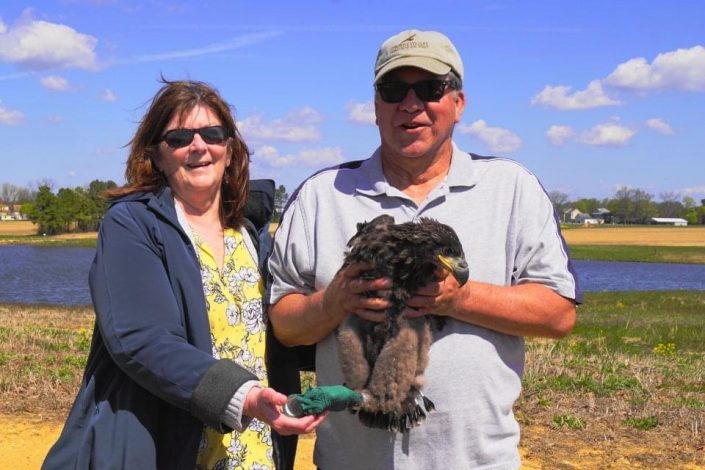
New Jersey Eagle Project nest monitors Cathy and Jeff White have been volunteering with the program since 2009. The 2022 eagle nesting season was officially their last as they will be “retiring.” When they started with the bald eagle project, they had two eagle nests that they monitored in Southern New Jersey. As of 2022 they were monitoring 25 eagle nests. That is a lot of nests to keep straight! During their 14 years of observing nesting behavior to determine egg laying, hatching, and fledging, a total of 244 eagle chicks fledged from their nests. The Whites have witnessed the eagle population grow over the years and have played a large role in the success of the eagles, including many rescues of both chicks and adults. Their dedication to the eagles through both the good and bad outcomes, is commendable and they are irreplaceable.

They have done so much for the eagle project and will be greatly missed. Thank you!

Photos taken by the Whites throughout their years of monitoring eagle nests.

Photos from the Field: Raising up hope in 2021

Eagle Scout candidate Kyle Agudo and Boy Scout Troop 61 give ospreys a boost in the new year

Ben Wurst, Habitat Program Manager

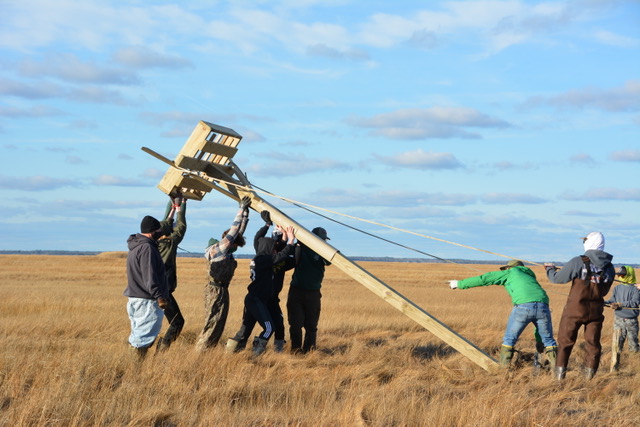
Troop 61 lift an osprey nest platform into place on the coastal saltmarsh. photo by Kathy Agudo.

Humans have played a key role in the recovery and stability of nesting ospreys throughout New Jersey and beyond. Today around 75% of the population, close to 500 pairs, rely on nest platforms designed specifically for them. They provide a stable nest platform, adequate perches, and protection from potential ground predators, aka raccoons. Many platforms are located in very close proximity to people, which make for excellent viewing and educational opportunities. Ospreys are a symbol of a healthy coast and resiliency in a dynamic region.

Continue reading “Photos from the Field: Raising up hope in 2021”

#Thankful

‘Tis the season for osprey nest platform repairs — and being thankful for the volunteers who make it happen!

by Ben Wurst, Habitat Program Manager

AmeriCorps Watershed Ambassadors clean out nesting material from a 20-30 year old nest platform.

After migratory birds depart, leaves fall and northwest winds prevail, a small group of dedicated volunteers descend on our coastal saltmarshes. They’re there to maintain osprey nest platforms. Around 75% of our nesting ospreys rely on these wooden structures to reproduce. They were used to help jumpstart the early recovery efforts of ospreys in coastal New Jersey, where much of their native habitat was lost to development in the 1950-60s. Today many of these platforms are reaching their life span or are very close.

Continue reading “#Thankful”

2018 NJ Bald Eagle Project Report

by: Larissa Smith, CWF Wildlife Biologist

photo by Bob Kane, Cranbury, Middlesex County

The Conserve Wildlife Foundation of NJ in partnership with the NJ Division of Fish and Wildlife, Endangered and Nongame Species Program, has released the 2018 NJ Bald Eagle Project Report.

“Two hundred-four nest sites were monitored during the nesting season, of which 185 were documented to be active (with eggs) and 19 were territorial or housekeeping pairs.  Thirty new eagle pairs were found this season, 20 in the south, nine in central and one in the north.  One hundred-twenty-one nests (66%) of the 182 known-outcome nests produced 172 young, for a productivity rate of 0.94 young per active/known-outcome nest. The failure rate was well above average with 61 nests (33%) failing to produce.  The Delaware Bay region remained the state’s eagle stronghold, with roughly half of nests located in Cumberland and Salem counties and the bayside of Cape May County.”

The number of active nests has increased while the number of young eagles fledged has decreased since a high of  216 young fledged in 2016.  During the 2018 eagle nesting season there was an abundance of cold, wet, windy and snowy weather which was the cause for a portion of the nest failures. As the eagle population increases, there are  more eagles competing for territories. This can also be a contributing factor in nest failures.  NJ is still in the range of 0.9 to 1.1 young per nest which is needed for population maintenance with a productivity rate of 0.94 young per known-outcome/active nest in 2018. The 2018 NJ Eagle Project Report has all the details on the project including telemetry, re-sightings and recoveries.

The success of the eagle project is due to the tremendous dedication of the NJ Eagle Project Volunteers. They monitor the nests in all types of conditions and education people about the eagles with enthusiasm.

THANK YOU


Early Birds….

by Larissa Smith: CWF Biologist

Some of New Jersey’s  eagle pairs are getting an early start on the 2019 nesting season. Eagles in NJ will begin incubation anywhere from January through March.  NJ Eagle Project volunteers usually report eagles back and working on the their nests in the late fall/early winter.  But some pairs have already been spotted sprucing up their nests in preparation for the upcoming nesting season.

Kettle Creek 9/27/18@Alex Tongas

Overpeck 10/24/18@D.M. De Santis

Injured Eagle Flying Once Again

…thanks to help from some friends.

By: Larissa Smith, CWF Biologist

On August 20th, 2018 a resident of Monmouth Beach reported a young eagle that had been perching in the neighborhood and was possibly injured.  NJ Eagle Project Volunteer Randy Lubischer,  was able to respond and check out the situation.  The bird was a hatch year eagle, which means it fledged during this nesting season.  The eagle was feeding on a swan carcass and though Randy could get fairly close,  the bird was able to fly a short distance and appeared to have an injury to its left leg. The eagle had been seen feeding on the swan carcass for the past few days, so it was assumed that its injury was keeping it from hunting and the bird would only get weaker over time.

Injured eagle before capture@ R. Lubischer

Continue reading “Injured Eagle Flying Once Again”

Acoustic Monitoring Drives Efforts to Save Bats

by Stephanie Feigin, CWF Wildlife Ecologist

Volunteer Nicole Dion ready to conduct mobile acoustic survey

Across the country bat populations continue to decline due to the threat of White Nose Syndrome. Last year, to collect important population data to monitor population trends of New Jersey’s bat species, Conserve Wildlife Foundation of New Jersey (CWF), in partnership with Endangered and Nongame Species Program (ENSP), re-launched their Statewide Mobile Acoustic Surveys with new equipment and protocol. With all the kinks of a revamped project worked out, CWF entered their second year of this project. Continue reading “Acoustic Monitoring Drives Efforts to Save Bats”

Photos From The Field

NJ Eagle Chicks Spread their wings and fly.

by Larissa Smith; CWF biologist

So far this season 123 eagle chicks have fledged (taken their first flight). Even after fledging the chicks will stay around the nest area for the next few weeks learning to hunt, fly and survive on their own.

Below are some photos of recent fledges taken by NJ Eagle Project Volunteers

Navesink fledge 6/27/18@Randy Lubischer

Continue reading “Photos From The Field”

Osprey Chicks Get A Necessary “Home” Upgrade

Thanks to dedicated Conserve Wildlife Foundation of NJ staff and volunteers three osprey chicks were saved from what could have been an unhappy fate.

NJ Osprey Project Volunteers Matt Tribulski, Wayne Russell and John King were surveying osprey nests in the Wildwood back bay area this past weekend. They checked on a nest with three chicks and found that the platform top was broken and a strong possibility it could collapse, especially with any heavy rains or winds. The chicks weren’t old enough to fly and would have fallen to the marsh and died. Continue reading “Osprey Chicks Get A Necessary “Home” Upgrade”