Frozen Frogs

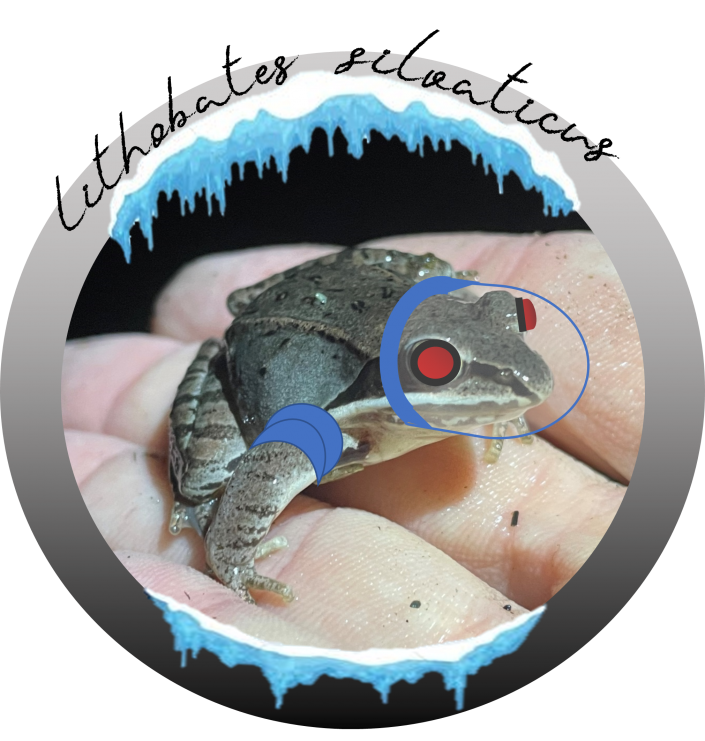
We’ve made it to the final “super species” in our “superhero” series though, like in the last post, we’re spotlighting an adaptation that aligns with one of the more notorious residents of Gotham City. Our local frog has all the chill, while this DC villain needs to chill… quite literally, as his sub-zero body temperature must be maintained to ensure his survival. Cryogenics expert, Dr. Victor Fries- better known as Mr. Freeze, had admirable intentions when he began his experimentation with ice. Unfortunately for him, accidental exposure to chemicals altered his physiology, necessitating the use of an air-conditioned suit and spurring a life of crime motivated by tragic desperation. The compound responsible for his transformation is thought by some to be glycerol, which also happens to be the key to the winter survival strategy of our favorite early breeding anuran- the wood frog (Lithobates sylvaticus).
Animals living in temperate climates must find ways to cope with the cold temperatures and reduction of food resources, characteristic of the winter season. Some species deal with winter by not dealing with winter… instead they migrate to milder conditions farther south. This is a path commonly taken by birds. Other animals have adapted to have a large body mass. This reduces their surface area and enables them to hold onto heat more efficiently. As a former moose biologist, I’m happy to give them a quick nod here. Many strategies exist across the natural world to increase the odds of persistence, but we’re here to talk about amphibians and, it’ll probably come as no surprise to you that they aren’t employing either of the aforementioned tactics.

Wood frogs are a vernal pool obligate species; they must have access to these temporary wetlands in order to breed and complete their lifecycle, but they don’t live in them all the time. Therefore, we do refer to them as migratory, but they only cover about ¼ to ½ mile during this annual pilgrimage, so temperature differences are negligible. Most frogs and salamanders in New Jersey endure the colder months by entering brumation- the “cold blooded” equivalent of hibernation. In this state, animals can drop their body temperature and metabolism to conserve energy. Some species burrow and use the ground as insulation. Others brumate in streams and ponds since water cools at a slower rate than air. Wood frogs cover themselves in leaf litter (for camouflage) and spend the winter comfortably as frog-cicles. That’s right- they essentially freeze solid and thaw once air temperatures become favorable again.

Under normal conditions, when a cell freezes, ice crystals form internally. These solids can then expand, which damages organelles and ultimately ruptures cell membranes. This leads to cell death. Compounded by damage incurred in blood vessels and dehydration, this would be a fatal situation for most animals. Wood frogs have found a hack to get around these devastating consequences.
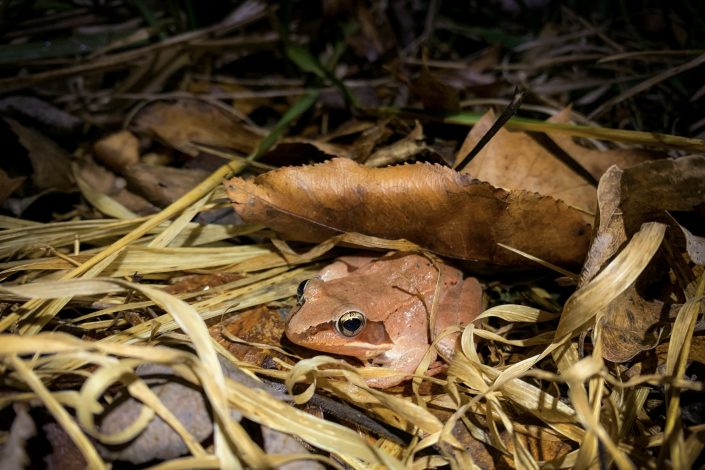
A recently thawed wood frog huddled beneath a leaf. Photo credit: Nikki Griffiths.

As temperatures drop, wood frogs continue to produce urine but cease voiding it. Instead, the urine is concentrated into urea, which floods the frog’s bloodstream.  The liver also goes into overdrive, manufacturing vast quantities of glucose, which causes their blood sugar to skyrocket as high as 100x normal levels (a better understanding of how this frog can avoid negative health effects under such conditions could certainly contribute to diabetes research in humans). The urea and glucose create a mixture that acts almost like antifreeze. Once ice crystals begin to form around the blood cells and internal organs, this homemade antifreeze infiltrates, allowing  for the retention of water and protecting the frog’s cells from desiccation and explosion. They can maintain this state for up to 8 months.

This brumation strategy earns wood frogs the “northernmost amphibian in the western hemisphere” superlative as they can be found up past Gates of the Arctic National Park in Alaska.
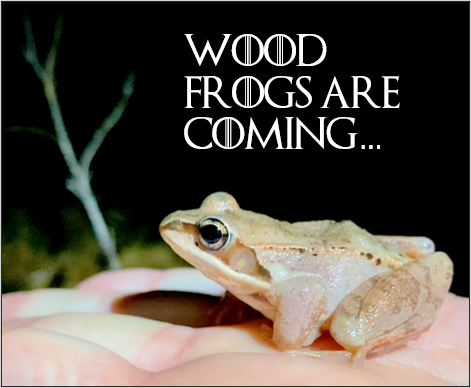
The 2023 Amphibian season has begun! Drive carefully one upcoming rainy nights. Photo credit: Nikki Griffiths.

That’s a wrap on Mr. Freeze and our Super Species! The Amphibian Crossing is now in full swing. If you are going to be driving after sunset along roads that border ponds in the upcoming rains, watch out for migrating frogs and salamanders. Collisions with motor vehicles can decimate local populations rapidly so please slowdown!  
Animal, Vegetable, (Mineral doesn’t apply)…

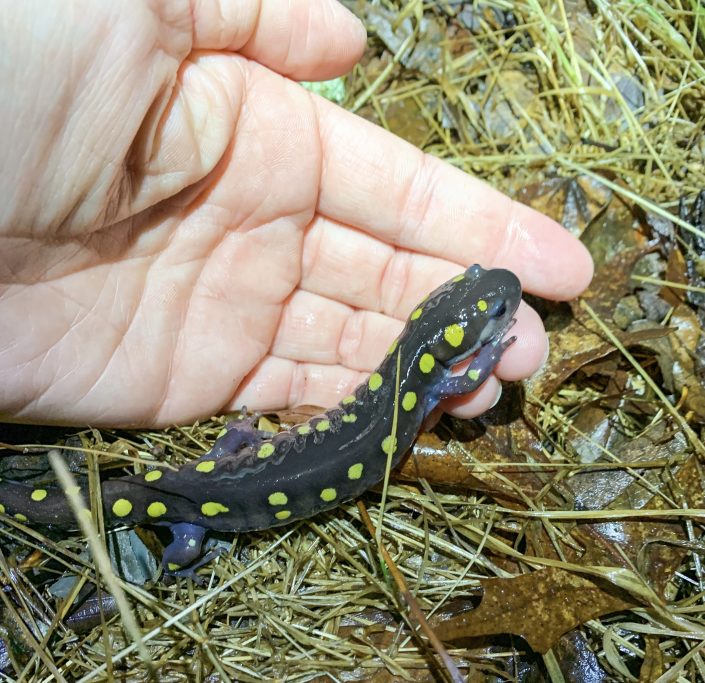
This post is the second in our “super salamander (and frog)” series in which we’re exploring some of the unique adaptations exhibited by local amphibians that would seem more appropriate within the confines of a comic book than out and about in our Garden State landscape. Today’s focal species is the spotted salamander (Ambystoma maculatum), our benevolent Poison Ivy. Full disclosure, this topic has nothing to do with plant, though salamanders themselves are not sensitive to the compounds that make humans itchy and have been known to use “leaves of three” as sources of shelter.

For those of you who may be unfamiliar with the DC Comic Universe, Poison Ivy is a villain who often opposes Batman (and occasionally Superman) during her crusade to protect plants and rid the world of environmental destruction. Though her goals may seem in line with ours here at CWF, her methodology differs dramatically and she is often defined as an eco-terrorist. A former botanist, Poison Ivy, AKA Pamela Isley, was poisoned by her professor. Though she survived the experience, the toxins drove her insane and transformed her into a human-plant hybrid. And that is where our connection lies…

If you’ve ever seen an egg mass deposited by a spotted salamander, you may have noticed that the casing often appears green. This is caused by an association with a very particular kind of green algae called Oophilia amblystomatis. The connection between salamanders and algae has been recognized for > 130 years. For most of that time, it was thought that the algae just occurred within the egg. This is a sensible mutualism- it is auspicious to both species involved. Spotted salamander eggs develop in vernal pools. These temporary wetlands may have relatively low concentrations of dissolved oxygen, so the introduction of algae, which can create oxygen through photosynthesis, into eggs can certainly benefit growing larvae. Under experimental conditions where salamander eggs containing algae were cut off from sunlight, growth and development was delayed and resulting individuals were smaller than those exposed to natural circumstances. On the other side, larvae produce CO2 and nitrogenous wastes, which can be used to the advantage of the algae. Studies have shown that Oophilia are most successful in water that has been exposed to spotted salamander eggs, even if they are not within the eggs themselves. Case closed, right?

Developing spotted salamander larva with Oophilia algae. (C) R. Hangarter

Wrong. In 2011, a team of researchers at Dalhousie University in Halifax, Nova Scotia, discovered that the relationship between these two organisms is, literally, skin deep… The algae don’t just infiltrate the salamander’s egg masses. They are also found within the salamander’s tissue cells. This type of connection is called an endosymbiosis- one cell living inside another cell. Coral reefs and their associated algae are the poster children for this phenomenon, but it is not uncommon among invertebrates. Vertebrates, however, tend to have much more active immune systems that are programed to recognize a cell growing within another cell as a health threat. We can be grateful for that, as dangerous pathogens (e.g., malaria), can spread this way. In the case of salamanders and algae, the above-mentioned team discovered that the amphibians were actively suppressing their immune systems to allow for the success of the algae, which indicates that they must continue to benefit from this association. The algae show signs of stress when encapsulated within the body of salamanders; sunlight becomes harder to access, so rather than creating energy through photosynthesis, they switch to the process of fermentation.

The endosymbiotic mutualism between spotted salamanders and green algae is totally unique among vertebrates. No other amphibians, reptiles, mammals, birds, or bony fish are known to support a similar relationship. Research on the mechanisms and the meanings of this “partnership” are ongoing, but scientists are hopeful that the discovery could yield novel techniques for medical advancement.

While spotted salamanders are certainly not hybridizing with their algal associates, in a way, they walk the animal-plant boundary as they incorporate both types of cells within one compact package, therefore making them the amphibious analogs of DC’s Poison Ivy.

Spotted salamander crossed during the 2022 migration.

Our final installment will shift the focus to frogs and, in particular, one that doesn’t mind the late winter chill…

Making Dreams Come True. Summer Wildlife Jobs for College Students!

by Ben Wurst, Senior Wildlife Biologist

I recently attended my first career fair at Stockton University. When asked if I would attend, I felt like I couldn’t say no, as I am currently seeking at least 5-6 student interns or seasonal field technicians to assist with several wildlife conservation projects. At first, I wasn’t sure what I could display to draw attention to our table and prospective summer jobs working with rare wildlife.. Then it hit me. I bring what I use when working with wildlife in the field!

Continue reading “Making Dreams Come True. Summer Wildlife Jobs for College Students!”

History of The Duke Farms Eagle Pair

by Larissa Smith, Senior Biologist

The Duke Farms eagle cam is extremely popular and just this week viewers watched as two chicks hatched. These two chicks will be watched by a multitude of viewers over the next few months as they grow to become juveniles and leave the nest. As with anything in Nature, this pair has had it’s ups and downs. I wanted to summarize the history of this pair and nest. The male is a NJ banded bird (A/59) and has been in the pair from the beginning, he is 23 years old. Interestingly, there have been several females in the pair over the years. Thank you to Duke Farms for hosting the cam and their tech team that keeps it running smoothly when issues arise. The cam location has changed as well as the cam itself over the years and the quality of the picture has improved.

Continue reading “History of The Duke Farms Eagle Pair”

New Jersey Osprey Population Continues to Grow Despite Low Productivity

by Ben Wurst / Senior Wildlife Biologist

We’re proud to release results of the 2022 New Jersey Osprey Project Survey, which documented the greatest number of nesting ospreys in the history of the project. Overall, surveys by staff and loyal volunteers recorded a total of 733 occupied nests throughout the state. The majority of ospreys (83%) continue to nest along the Atlantic coast of New Jersey with the remainder nesting along the Delaware Bay and inland locations. Surveys recorded the outcome of 73% of the known population, which allows us to present these results with confidence.

Continue reading “New Jersey Osprey Population Continues to Grow Despite Low Productivity”

Salamanders: The Renaissance Men and Women of Temperate Ecosystems

by Christine Healy, Wildlife Biologist

According to an old English proverb, good children should be seen and not heard. If that’s the case, salamanders could be thought of as the epitome of obedience- rarely uttering a sound (though some species are capable, including mole salamanders and newts) and often visible only during migration events or chance encounters along hiking trails. Because they don’t command our attention in the way that flashy birds and charismatic mammals do, they may be easily overlooked. Indeed, amphibians are one of the least studied classes of vertebrates- and the most threatened, with 41% currently facing extinction. Though staggering, that statistic is likely quite conservative as almost a quarter of species known to science are considered data deficient by the International Union for the Conservation of Nature (IUCN). This is concerning- not only for supporters of the intrinsic value of wildlife- but also from a practical standpoint…

A 1975 study conducted in Hubbard Brook Experimental Forest, NH, estimated that an average of 2,950 salamanders of five species (primarily red-backed) occurred across each hectare of the site. Using this figure, they calculated the total weight, or biomass, of salamanders and found it to be roughly equivalent to all small mammals and > 2x that of birds present during peak breeding season. Extremely high densities and biomass place a surprising amount of power and responsibility on the shoulders of these small creatures.

Continue reading “Salamanders: The Renaissance Men and Women of Temperate Ecosystems”

New Jersey Eagles Soar to New Heights in 2022

by: Larissa Smith, CWF Senior Biologist

photo by NJ Eagle Project Nest Monitor, Paul Lenzo

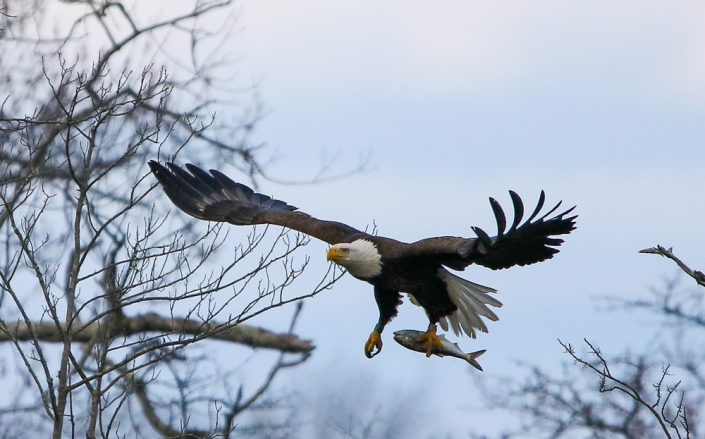
Conserve Wildlife Foundation of New Jersey and the New Jersey Department of Environmental Protection’s Fish and Wildlife have released the 2022 New Jersey Bald Eagle Project Report. The 2022 eagle nesting season was a record year for New Jersey’s nesting eagle population with 250 active nests identified.

The 250 active nests (meaning the nests produced eggs) represent an increase of 28 active nests since 2021. Of those nests, 83 percent were successful and collectively produced 335 offspring. The productivity rate for nests with known outcomes was 1.42 young per nest, which is above the range required to maintain healthy population numbers. The 2022 NJ Bald Eagle Report includes details on the nesting season, resightings and recoveries.

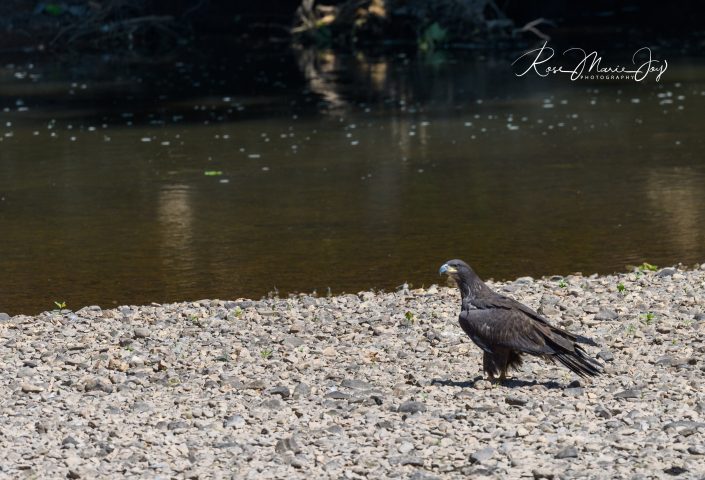
One of the three fledges from the 2022 Manville nest: photo by NJ Nest Monitor, Rose Joy

These numbers could not have been achieved or documented without the dedicated efforts of the
150 New Jersey Eagle Project volunteers who conduct the majority of the nest-observation work
vital to tracking the population and nest distribution of our state’s Bald eagles in all 21 counties.
CWF is honored to manage these volunteers in partnership with the Endangered and Nongame
Species Program and thanks them for their invaluable service.

CWF would also like to thank our partners, who make our bald eagle conservation work
possible, including PSE&G, Wells Fargo Advisors, Wakefern Food Corp./ShopRite Stores,
Mercer County Parks, Wildlife Center Friends, the American Eagle Foundation, and the
Zoological Society of New Jersey.

E-17 “Oran” Sighted Alive & Well

by: Larissa Smith, CWF Senior Biologist

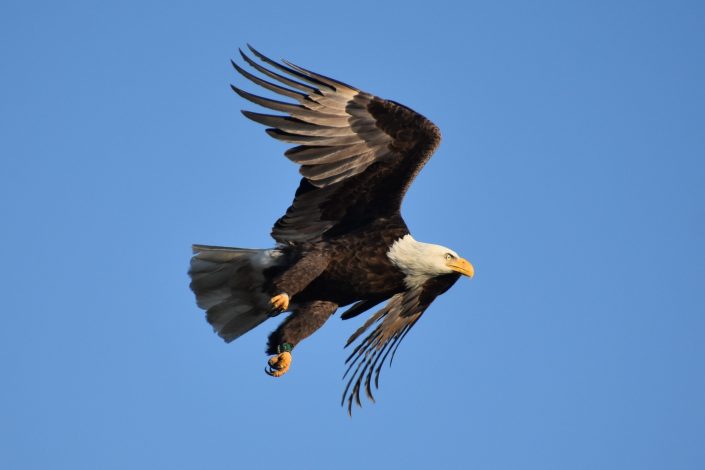
It’s always a good day when we get a resighting of a NJ banded eagle, especially if it was one that had a transmitter attached. On November 1st, 2022 “Oran” was resighted in Stone Harbor, Cape May County, NJ by John Kauterman. This is about 22 miles from where he had fledged along the Delaware Bay in Cumberland County in 2015.

E/17 November 1st, 2022: photo credit, John Kauterman

On May 18th, 2015 a remote eagle nest on the Delaware Bay was visited by biologists with the NJ Bald Eagle Project, from both the NJ ENSP & CWF. There were two eight week old chicks in the nest both and we banded both. The male, banded NJ Green band E-17, was outfitted with a transmitter and he was named “Oran”.

Continue reading “E-17 “Oran” Sighted Alive & Well”

Fact or Myth? The Ecological Importance of Bats

by Meaghan Lyon, Wildlife Biologist

It’s that time of year again, the days are getting shorter, temperatures are dropping, and creatures of the night are lurking behind shadowy corners. As Halloween approaches one animal comes to the forefront of everyone’s mind – bats.

Bats have been misunderstood by humans for many years and are still among the most persecuted animals on earth. In many parts of the world, bats are killed due to fear or harmful myths that make them seem scary or even dangerous. However, the fact is that bats are one of the most beneficial animals to humans.

Photo Caption: Bats are in the order Chiroptera, meaning “Hand-wing”. This skeleton shows how the wing of bats has a very similar structure to that of the human hand.
Continue reading “Fact or Myth? The Ecological Importance of Bats”

Local Scouts Learn about Reptile and Amphibian Conservation in Pursuit of Their Environmental Science Merit Badge

By Christine Healy

Wildlife biologist Christine Healy teaches the scouts about CWF’s work to protect the federally threatened bog turtle. Credit: Jim Kasprzak.

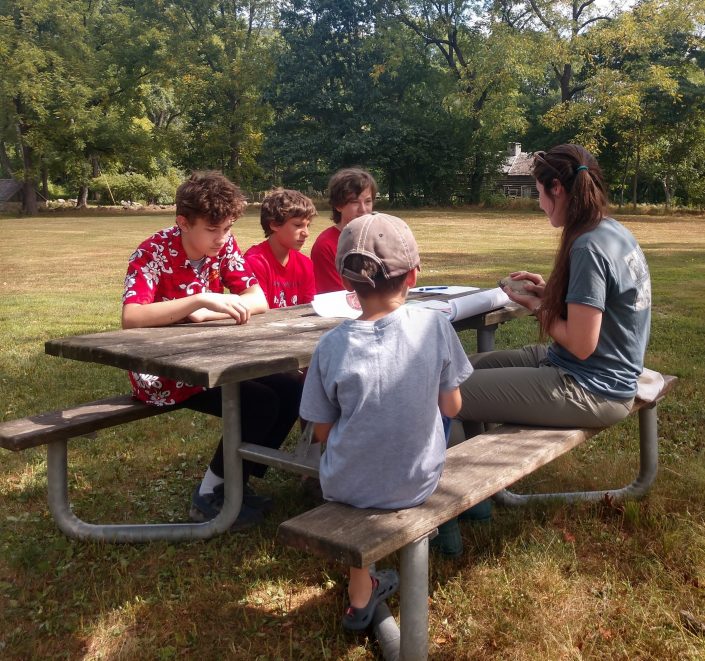
The classic justification for conserving wildlife is, of course, to protect diversity for future generations. While that’s not my go-to motivation for pursuing this line of work (I believe in the intrinsic value of nature and feel we are obligated to serve as good planetary stewards), I always feel over the moon when kids demonstrate the passion and interest in getting involved in this critical mission early on. When I received a request from Scouts BSA Troop #276 for assistance in earning their environmental science merit badge, I was eager to comply.

Earning a merit badge is no easy feat. It takes time and hard work, which is why attaining the rank of eagle scout, requiring the acquisition of at least 21 merit badges in addition to demonstrating leadership and service to the community, is such an achievement. For the environmental science badge, scouts must  1) study the history of the environmental movement in the US; 2) understand vocabulary relevant to wildlife, pollution, and green energy; 3) complete an activity relevant to seven of the following categories: ecology, air pollution, water pollution, land pollution, endangered species, pollution prevention, pollination, and invasive species; 4) complete a comparative study between two distinct habitat types; 5) practice drafting an environmental impact statement; and 6) research three career opportunities available in the field. Like I said, no easy feat, but Sebastian, Aidan, and Josh are up to the task.

Continue reading “Local Scouts Learn about Reptile and Amphibian Conservation in Pursuit of Their Environmental Science Merit Badge”