COVID-19 has changed our lives in virtually every possible way over the last few months. Our relationship to wildlife is no different. This three-part series will explore the impacts of the COVID-19 pandemic and shutdown on wildlife in New Jersey and across the world. Be sure to also check out our podcast on COVID-19 and wildlife.
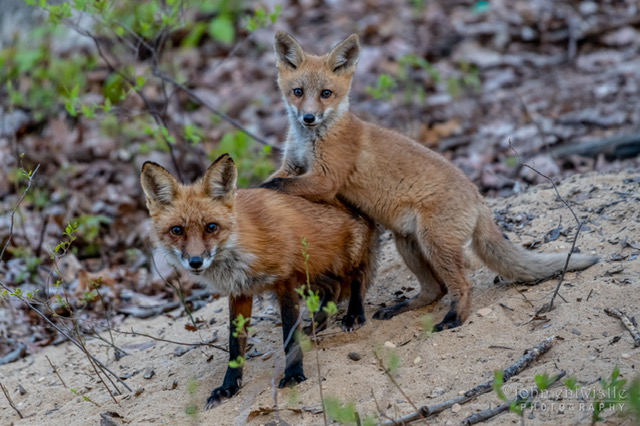
From my car window, I observed as many red foxes in a recent week as I had seen in the previous year combined. And it wasn’t just fox I was seeing more of. Wild turkeys, raccoons, migratory songbirds – I was seeing them all in greater abundance since the COVID-19 pandemic restricted most of us to our homes for nearly all of our waking hours.
Wildlife takes center stage this summer in a series of virtual presentations.
Conserve Wildlife Foundation and Mercer County Park Commission will present four one-hour webinars this summer, focusing on wildlife that affects our lives, even in an urbanized environment.
Each year on the third Friday in May, the United States celebrates National Endangered Species Day. It is a chance for people of all ages to celebrate and learn about endangered species and how to protect them. Here are 5 ways you can celebrate New Jersey’s wildlife virtually, individually, and locally to stay safe during the corona virus crisis. Without the Endangered Species Act there wouldn’t be as many species in New Jersey to celebrate.
Some of the species (super) volunteer John King has helped.
When I retired from teaching, one of my first tasks was to search for local organizations that encouraged volunteers, especially in areas of wildlife conservation. Luckily, I found Conserve Wildlife Foundation. I have to say that over the past few years, my volunteer service with CWF has been both rewarding and inspiring!
Results from 2019 Osprey Nest Surveys highlight another productive year.
by Ben Wurst, Habitat Program Manager
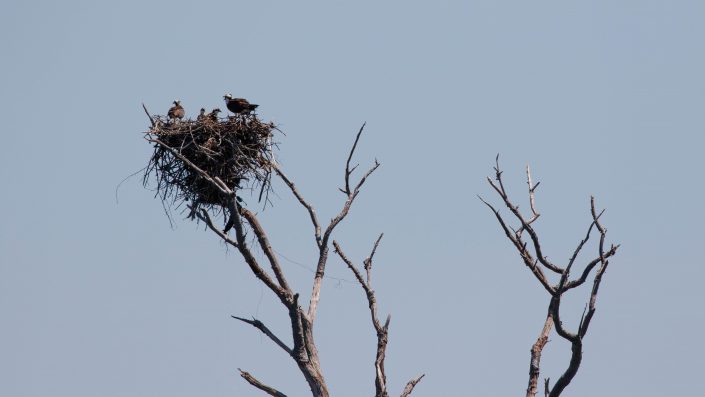
An osprey nest in a snag on Barnegat Bay. July 2019.
Surveys of osprey nests in New Jersey have occurred annually for the past forty five years. They are conducted to help determine the overall size and health of the population. The first aerial survey over Barnegat Bay counted only five active nests. Ten years earlier there had been over 50. The combined effects of DDT and habitat loss had taken their toll. No osprey nests were productive and the population at risk of being extirpated from the state.
“In 1974 there were only five active osprey nests on Barnegat Bay. Today there are approximately one hundred and fifty.”
After ospreys were listed as endangered an innovative effort to transplant viable eggs from the Chesapeake Bay to Barnegat Bay began. In addition, to help replace natural nest sites that were lost to development, man-made nest platforms were designed and installed away from human disturbance. Slowly osprey pairs became productive thanks to the die hard effort of State biologists like Pete McLain, Kathy Clark and many volunteers and partners. It’s encouraging for us to look back to see how far we’ve come in the statewide recovery of ospreys in New Jersey.
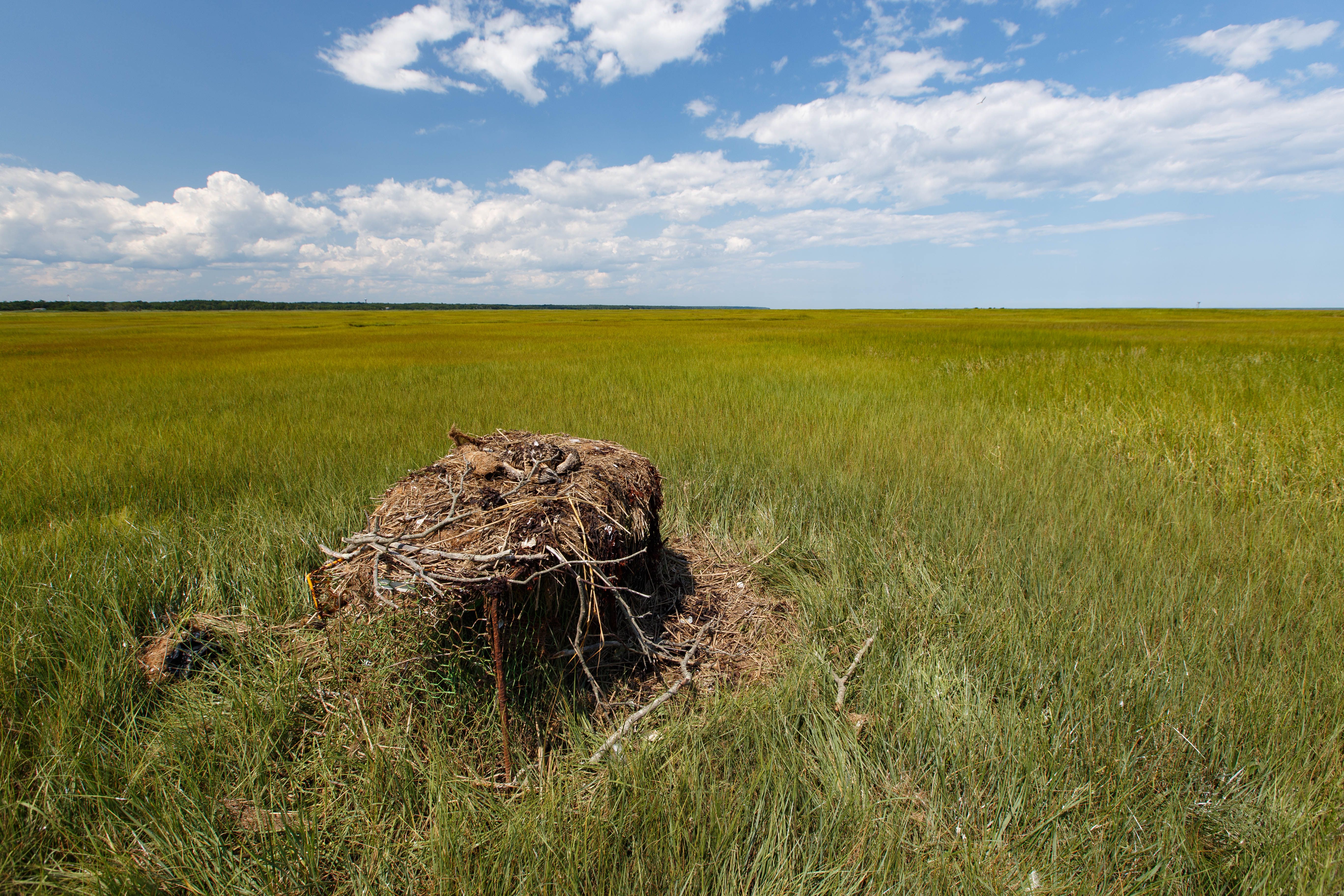
On the last osprey survey of the season we stumbled upon a new nest — one that was built on an abandoned crab pot. We were drifting on Absecon Bay when summarizing data when we heard an adult making defensive calls at a nest. We looked and saw a low nest on the ground.Continue reading “Photos from the Field: Ospreys Nest on Abandoned Crab Pot”
The third
Friday in May has been a celebration of our nation’s wildlife and wild places
since 2006, when the United States Congress established the holiday. There is a
special urgency this year as the United Nations recently reported that nearly
one million species worldwide are at risk of extinction within decades (read
our post about the UN report for more information).
One of the
main points the report makes is that humans are dangerously degrading Earth’s
ecosystems, the delicate, interconnected webs of life that we all, people and wildlife
alike, need to survive.
A new report into human impacts on nature shows that nearly one million species risk becoming extinct within decades and that current efforts to conserve the earth’s resources will likely fail without radical action, UN biodiversity experts said this week. The report from the United Nations’ Intergovernmental Science-Policy Platform on Biodiversity and Ecosystem Services (IPBES) found that grave impacts on people around the world are now likely.
The report identifies five main drivers of this unprecedented decline: changes in land and sea use, direct exploitation of organisms, climate change, pollution, and invasion of alien species.
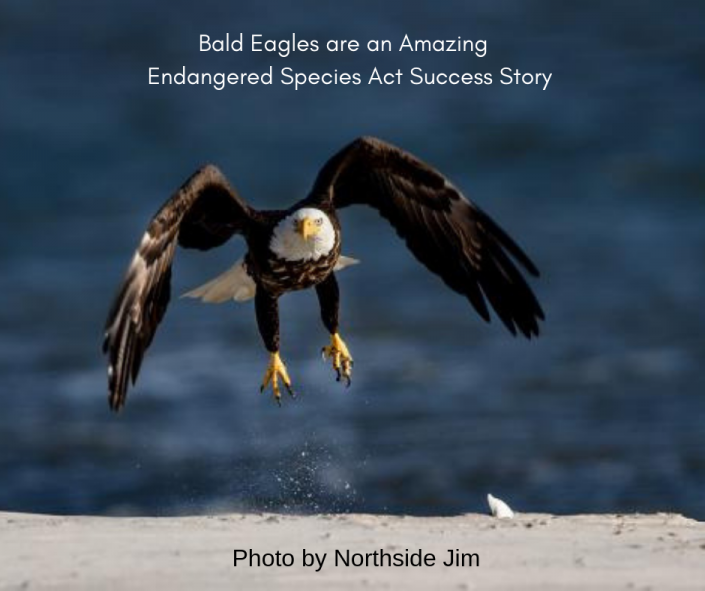
One of two adult bald eagles near a nest that looks out on Overpeck Creek, where the raptors have been seen for the past few years. (Photo: File photo from northjersey.com)
Bald eagles are New Jersey’s early birds. In the chill of winter, they’re the first to build nests and lay eggs.
Even in the short days of December, these early birds are busy gathering sticks, grass and other materials to build or repair their nests. Only two weeks into the new year, they start laying eggs.