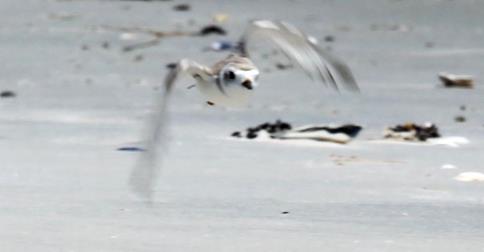
On behalf of our friends – the piping plovers, red knots, American oystercatchers, least terns, ruddy turnstones, black skimmers, and many others – Conserve Wildlife Foundation wishes you a happy World Shorebirds Day.
To learn more about our beach nesting birds work, click here.
You can click here to learn about our migrating shorebirds work.
And if you haven’t seen the Delaware Bay beach restoration video yet, enjoy it here!
Finally, you can help support our shorebirds work with a donation, or through volunteering on one of our shorebird projects.
Click here to make a donation to our shorebird work here!
One other fun way to cozy up to a bird this fall is to visit Unreal Birds, and consider making a purchase of those adorable birds. A portion of every purchase benefits CWF!
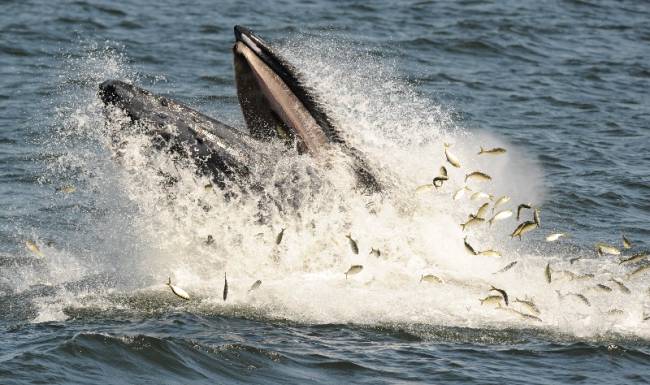
A humpback whale feeding on bunker fish Wednesday between Monmouth County and Long Island. Sightings in the region have increased significantly this year (c) Tyson Trish
This year the number of whale sightings off the coast of New Jersey have increased dramatically, suggesting that the coastal waters are now clean enough for humpback, finback, and other whale species to reside during their breeding season. To read the full article, click here.
To learn more about CWF’s efforts to protect marine mammals, click here.
And check out our 5-part blog series about marine mammals, here.
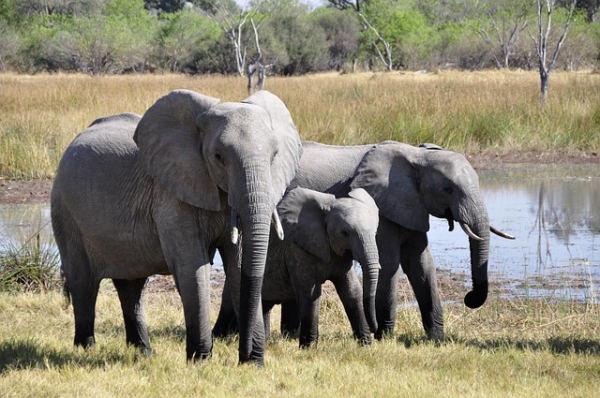
New Jersey is the first US state to take a stand against the cruel ivory and rhino horn trade, banning all such items in a new law passed Tuesday. (Photo : Pixabay)
New Jersey has protected countless elephants and rhinos by becoming the first state in the United States to ban all trade in ivory and rhino horn, as reported in Nature World News. To read the full story, click here.
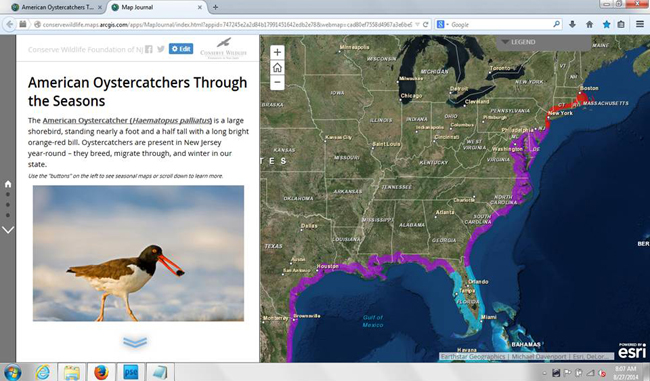
CWF Celebrates World Shorebirds Day With Release of Our First Story Map: “American Oystercatchers Through the Seasons”
By Michael Davenport, GIS Program Manager
Conserve Wildlife Foundation (CWF), today released a new interactive “Wildlife Story Map” in support of this Saturday’s first annual World Shorebirds Day! The Story Map can be viewed here!
A Story Map is a web-based interactive GIS map embedded with multimedia content, such as text, photographs, and video. CWF, working with GIS software developer ESRI and with financial assistance provided by a grant from the New Jersey Division of Fish & Wildlife, plans to make this Story Map the first of many, helping engage the public about New Jersey’s rare wildlife in a dynamic and interactive way.
“American Oystercatchers Through the Seasons” tells the story about a species of migratory bird, the American Oystercatcher, which spends the summer breeding season along the New Jersey coast, but is present year-round along the southern New Jersey coast. Our state represents the northern limit of the species’ winter range. While some New Jersey birds migrate during the winter to Florida, those that breed in New England during the summer may end up spending their winter here in New Jersey.
This Story Map also provides stories about individual banded birds, which have been tracked on journeys between New Jersey and southern states such as Florida, as well as between New Jersey and more northern states, such as Massachusetts.
Make a donation today to support additional Story Maps!
How to Use the Story Map:
On the left side of the Story Map page are several “buttons” which will allow you to flip through the different seasons in an oystercatcher’s life: Breeding, Migration, and Wintering. Each page provides information and photos and a map specific to that portion of the bird’s life cycle. By clicking on an individual point within the map, a box containing more specific information, and a photo in some cases, will pop-up. The map also provides the ability to zoom-in and out in order to see areas of interest in more detail.
This Story Map is especially exciting since it helps celebrate the first annual World Shorebirds Day. This event seeks to “…raise global public awareness about the conservation of, and research about, shorebirds. About half of the world’s shorebird populations are in decline, and the rate of habitat loss is worse than ever before” (World Shorebirds Day 2014).
World Shorebirds Day hopes to accomplish the following:
To raise public awareness about the need to protect shorebirds and their habitats throughout their life cycles;
To raise public awareness about the need for ongoing shorebird research;
To connect people with shorebirds through important shorebird sites around the world;
To get shorebird enthusiasts to introduce shorebirds to more birdwatchers;
To raise awareness about the need for increased funding for shorebird research, monitoring and conservation.
CWF’s shorebird leadership ranges from the American Oystercatcher celebrated in this Story Map, to the beach nesting birds along the Atlantic Coast, to the red knots and ruddy turnstones along the Delaware Bay.
Your support can help CWF develop additional Story Maps on other rare wildlife. Support our work on Story Maps on the American Oystercatcher and other important shorebirds in honor of World Shorebirds Day by supporting research, education, and public awareness efforts carried out by CWF:
We hope that this will be the first of many Story Maps that CWF will use in order to communicate the many fascinating stories that New Jersey’s wildlife have to tell.
Make a donation today to support shorebirds today!
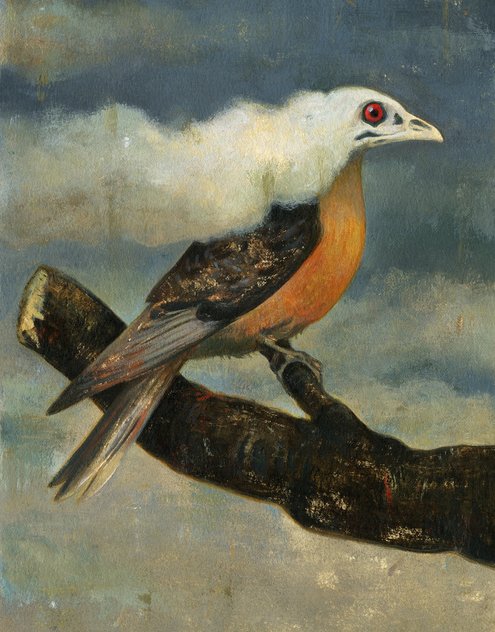
The New York Times Magazine ran this op-ed from the Cornell Lab of Ornithology on passenger pigeons and current endangered species in their new State of the Birds report. To read the full article, click here.
To learn more about CWF’s efforts to protect New Jersey’s endangered species, click here.
For more information on extinct species of New Jersey, click here.
Michael Britt, avid birder and writer, highlights the Barn Owl (Tyto alba). This medium-sized owl, most widely known for its ‘heart-shaped’ face, is the only member of the Tytonidae family found in North America. In this story, he shares how to identify these owls, when are where to look for them, and offers personal accounts of his most memorable encounters with these beautiful birds.
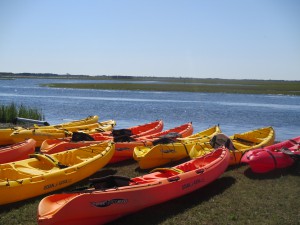
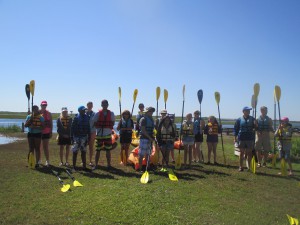
With the sun shining, everyone set out on a beautiful short boat ride from Island Beach State Park in Seaside, New Jersey to Sedge Island, a small island in the brackish waters (a mixture of salt and fresh water) of Barnegat Bay. There, the winners, proud parents and teachers from the Species on the Edge Art and Essay Contest learned about the island and the Sedge Island Natural Resource Education Center. After the tour of the house and island, the group set off on a fascinating two hour-long kayak journey into the bay.
After paddling through a very narrow water channel, the group stopped at the first man-made Peregrine Falcon nest in New Jersey. This nest was the first hacking site for the once critically endangered Peregrine Falcons, ultimately leading to the rise Peregrine Falcon population in the late 1970’s. Hacking is an old falconer’s term for a process that provides captive-bred youngsters with a sheltered experience, giving them the advantage of a “soft release” into the wild.
The group getting ready to Kayak (c) Stephanie Feigin
As the group paddled on, we traveled through the different areas of the bay including the grassy areas where we learned about the different grasses that could grow in this brackish water, and which ones were edible.
Next we reached an area referred to as the Bahamas because of its shallow clear, calm water. We all got out of our kayaks and walked around to search for animals and plants on the sandy floor. We could see hundreds of fish, mud snails, and sea hermit crabs. Even a green crab made an appearance and the Sedge tour guide lifted him up from under the water to teach everyone about its unique body.
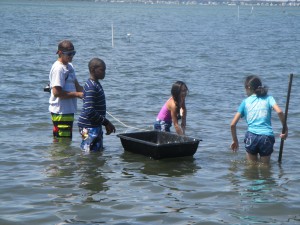
Clamming in the Bay (c) Stephanie Feigin
After returning to the island, the group then got to experience the thrill of clamming in the bay, and learned about the efforts of the biologists on Sedge Island to protect the Diamondback Terrapin population that breeds on the island. This was my first time at Sedge Island, along with many others. It was very interesting to learn about the history of this island, and the many wildlife species that inhabit the area. The trip to Sedge Island was a wonderfully breath taking experience – an experience I will never forget.
Plover populations at Malibu Beach in Egg Harbor Township are near a record-low this year due to predation, recreation activities and habitat loss. (c) Edward Lea
New Jersey’s Piping Plover population is at its lowest levels in decades, which raises serious concerns, but they also had one of their most successful years ever statewide in producing chicks. There is hope this will jump start the population again. To read the full article, click here.
To watch the video about this years Piping Plover population, click here
To learn more about CWF’s efforts to protect these birds, click here.
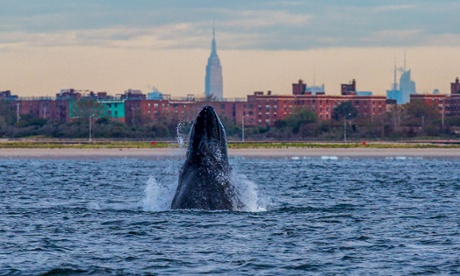
A humpback whale – named Jerry by researchers – spyhops off New York City. Photograph: Artie Raslich/Gotham Whale
Cleaner waters along the New Jersey and New York coasts are increasing the abundance of Humpback Whales and Great White Sharks. These waters now contain more nutrients and less garbage, and have encouraged rises in fish populations – thus attracting more whales and sharks to the area. To read this full article, click here
For more information on marine mammals in New Jersey, click here.
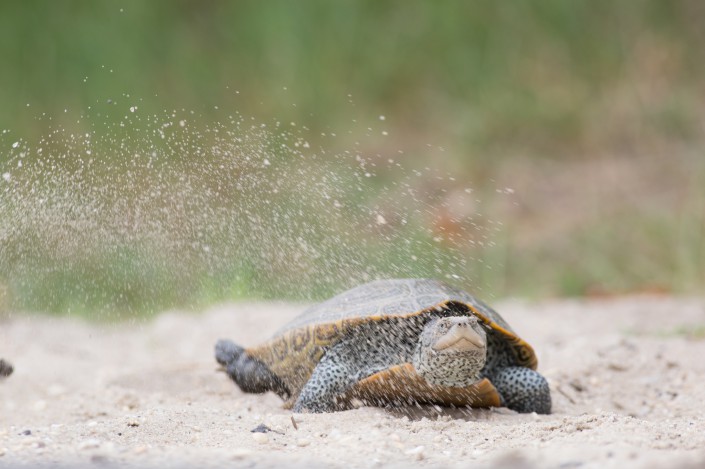
Today at 8 pm, CWF’s habitat program manager Ben Wurst will speak on Northern Diamondback Terrapins during the Bass River State Forest’s “2014 Lectures at the Lake.” Wurst’s “Terrapins and Tires” program will discuss the history of terrapins and CWF’s efforts to protect them. For more information or to read the full article, click here.
To learn more about CWF’s efforts to protect Diamondback Terrapins along the New Jersey coast, click here.
To read our five part Terrapin Week blog series, here!

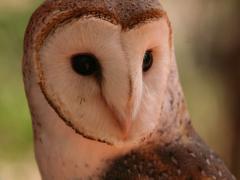 Michael Britt, avid birder and writer, highlights the Barn Owl (Tyto alba). This medium-sized owl, most widely known for its ‘heart-shaped’ face, is the only member of the Tytonidae family found in North America. In this story, he shares how to identify these owls, when are where to look for them, and offers personal accounts of his most memorable encounters with these beautiful birds.