by Larissa Smith Senior Wildlife Biologist Posted on
photo by Bill Reinert
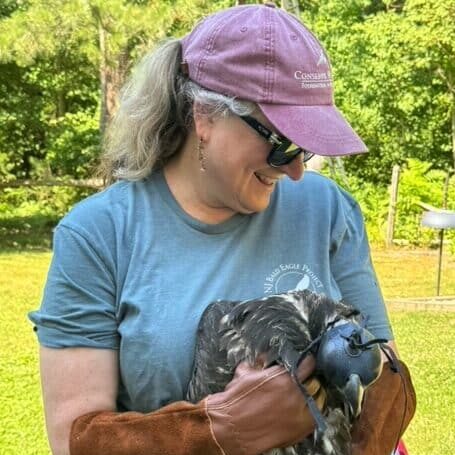
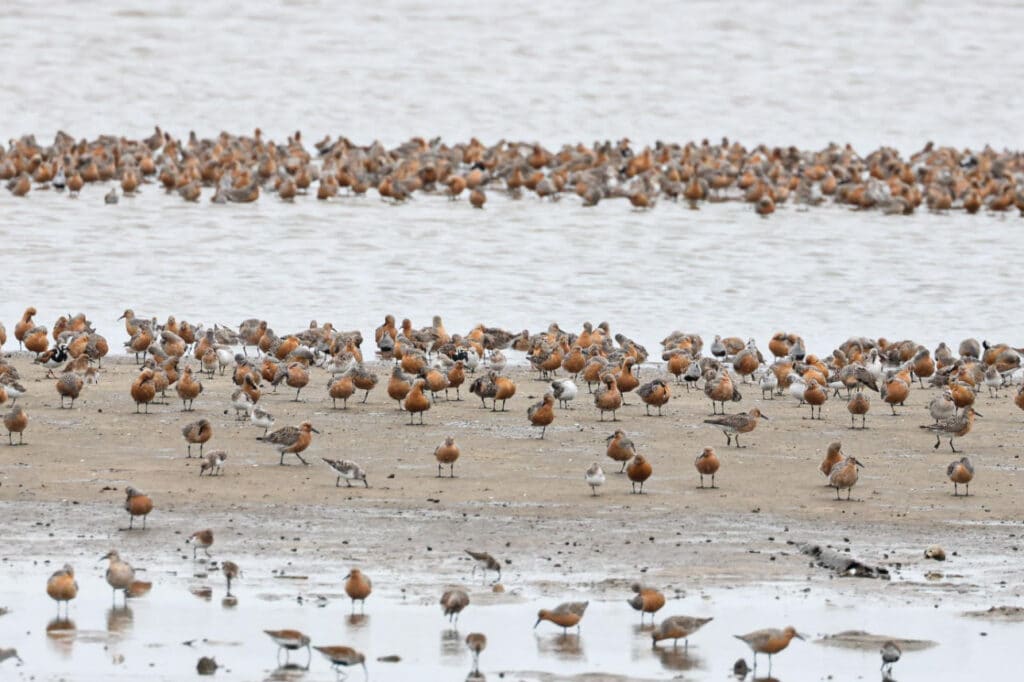
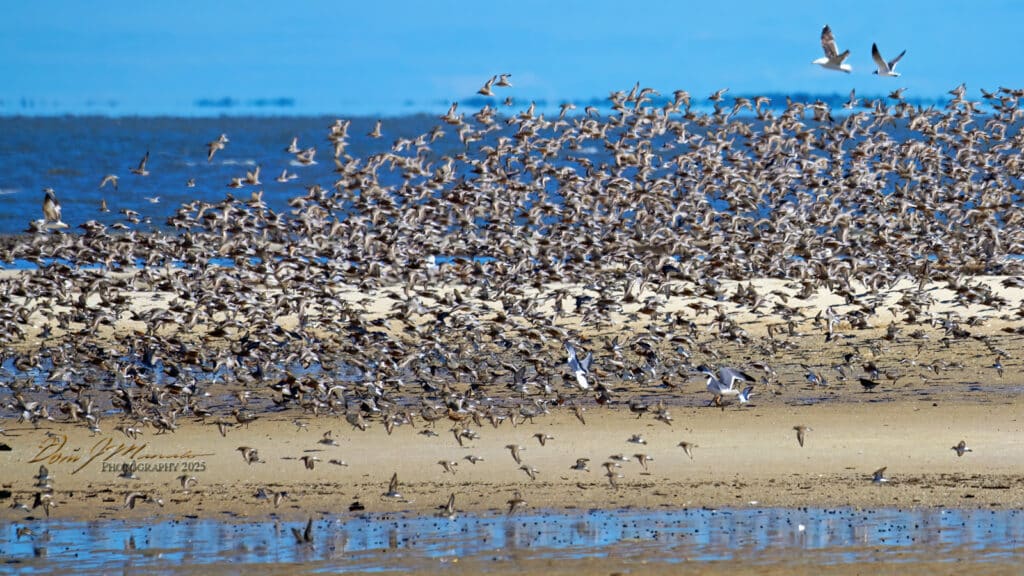
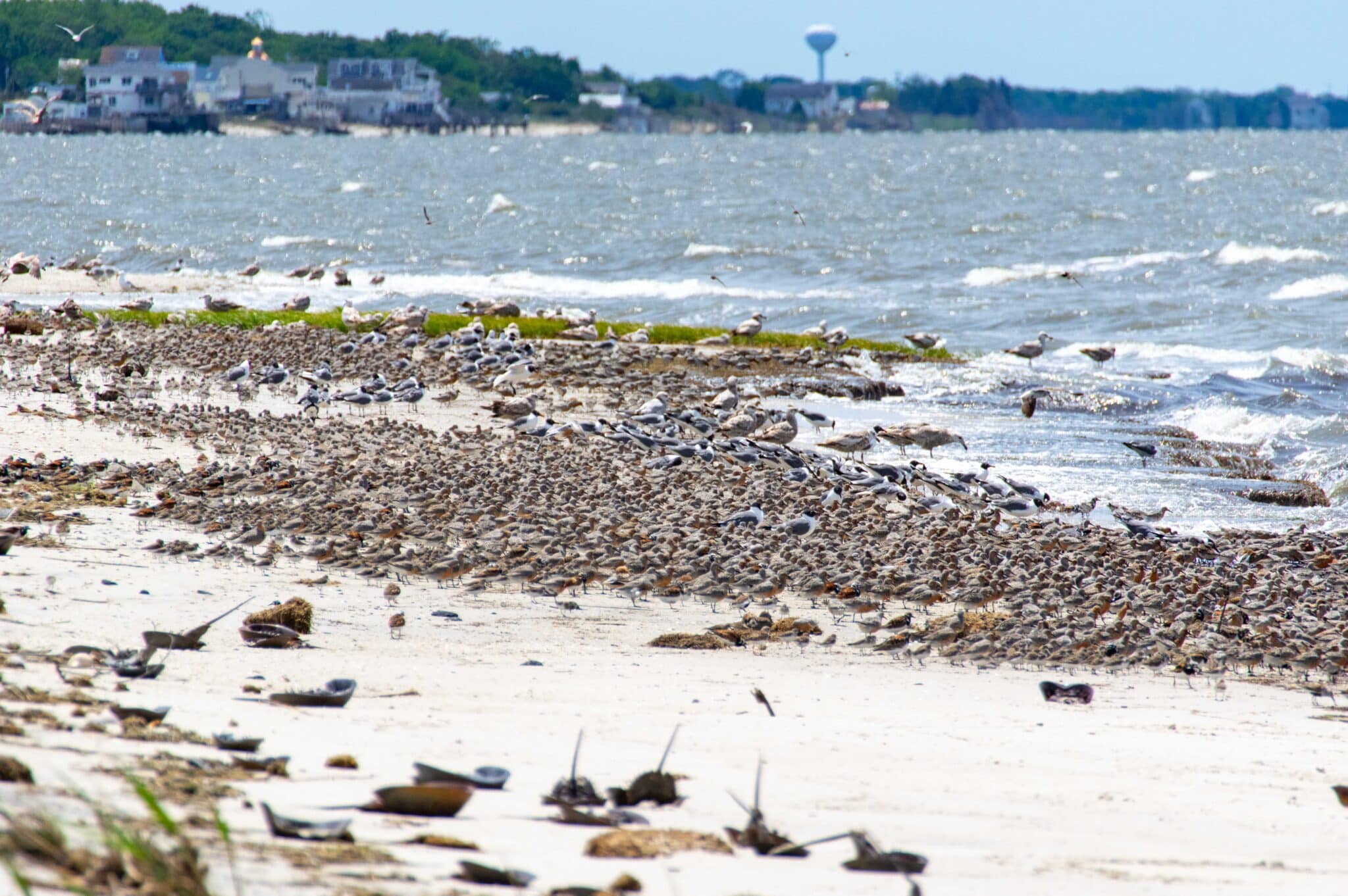
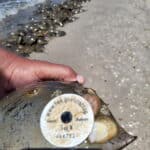
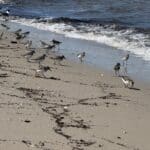
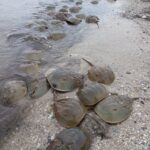
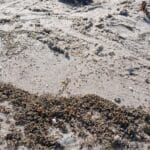
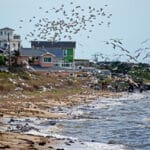
Shorebird stewards may not wear capes but they are superhero’s to the multitude of shorebirds stopping along the Delaware Bay in the spring. During May, the beaches in New Jersey are an important stopover for these migratory birds who are mainly feeding on the horseshoe crab eggs, deposited during the annual horseshoe crab spawn. The shorebirds, which include the red knot a NJ endangered species, have a short window to reach their ideal weight before leaving on the next half of their journey north to breed. Eight beaches in Cape May County and two in Cumberland County have restricted access during the migration so that the shorebirds can feed undisturbed.
photo by Dom Manalo
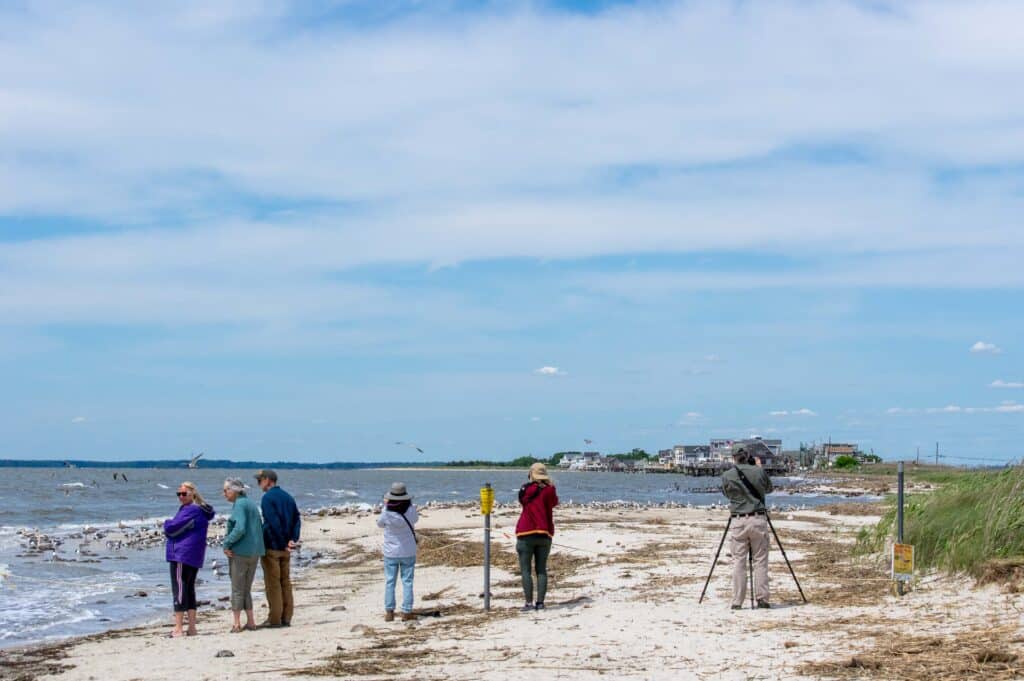
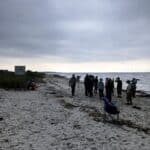
Since 2003 Conserve Wildlife Foundation has coordinated the Shorebird Stewards, who help protect the feeding shorebirds by educating the public. This season thirty-one stewards were stationed at beaches between May 10th to May 26th. While most stewards are from New Jersey, we have stewards from Pennsylvania, Delaware and Maryland. Some of the stewards volunteer for a day, while others work the entire season and many return year after year. No matter how often someone has been a steward, they have a made a difference and we have definitely seen a positive change in peoples attitudes over the years. Visitors come from all over to view the shorebirds and horseshoe crabs and one of the main questions the stewards get asked is, “where are the shorebirds today”?
photo by Luke Tan
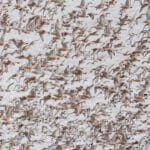
Some days the beach where the steward is assigned has only few shorebirds, while other days the beach is covered with the feeding birds. While the majority of beach goers have a positive attitude about the beach restrictions, there will always be those that want to go on the beach. While these situation aren’t always pleasant, the stewards are trained to handle them calmly and with education.
by Barbara McKee Eagle Project Volunteer Posted on
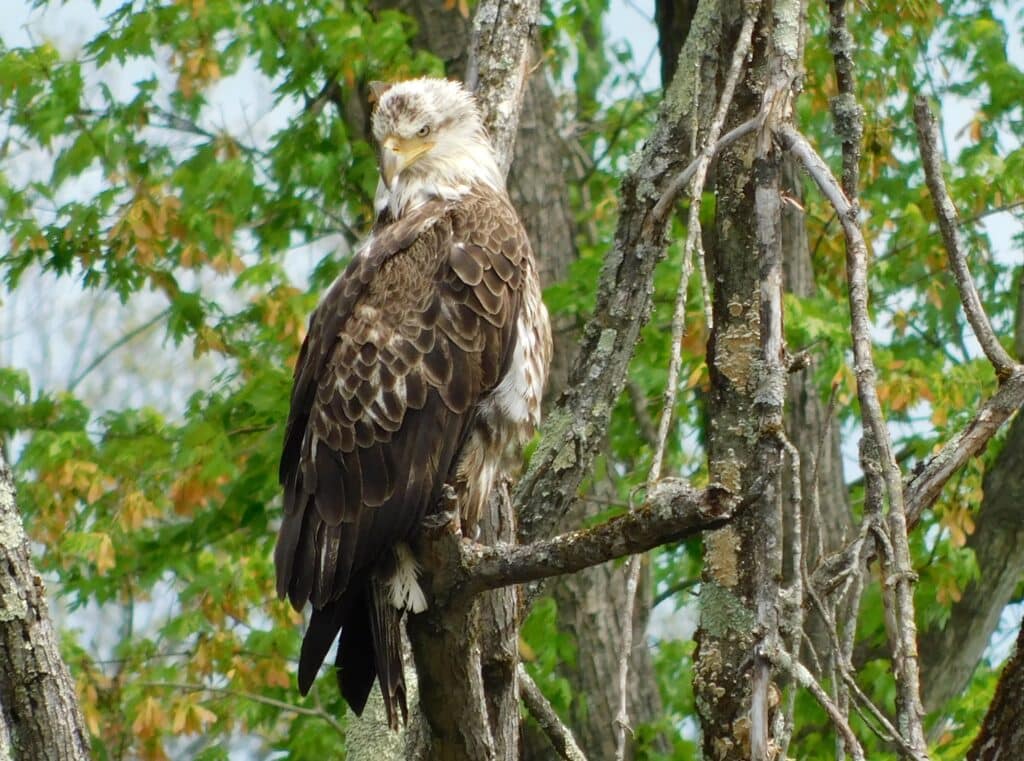
H22 May 1st, 2025 photo by B. McKee
I recently headed home from eagle nest checks near the Delaware River. As usual, I was on the lookout for interesting raptor sightings, especially eagles.
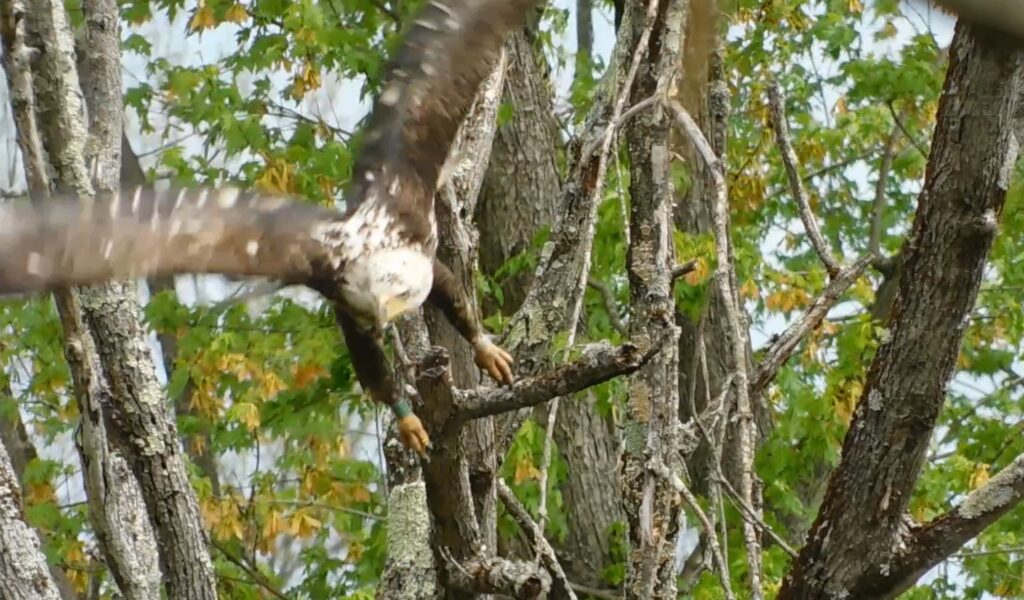
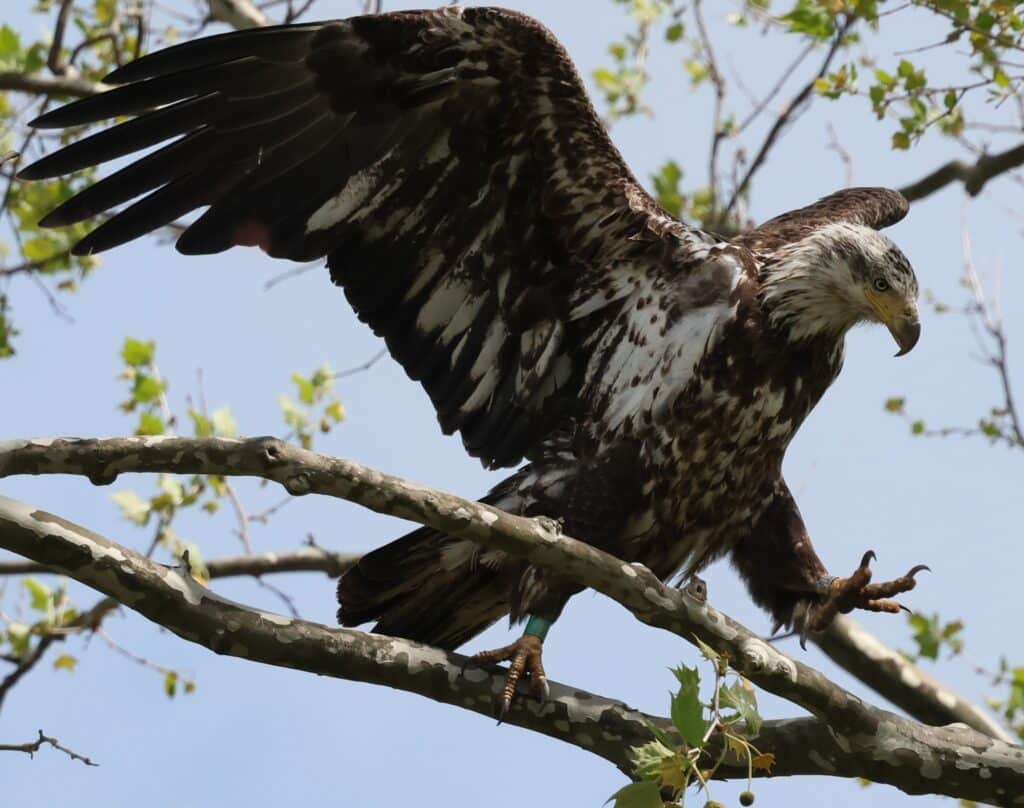
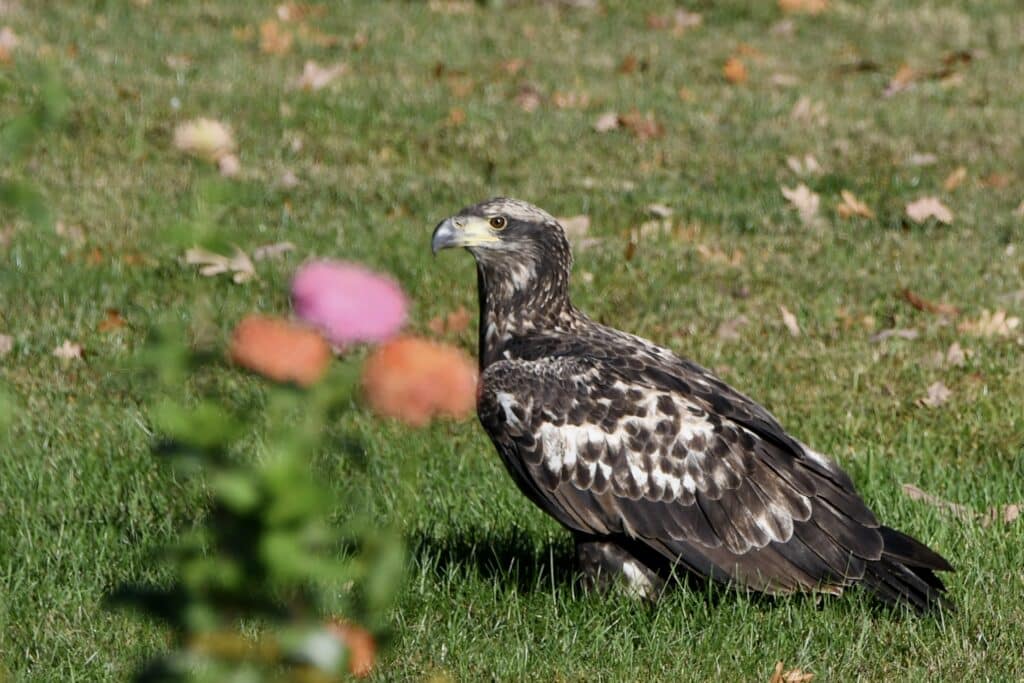
I spotted a beautiful sub adult eagle perched along the South Branch River. I pulled over, took out my camera, and got some great photos of this gorgeous bird. I guessed it might be 4 years old because of the amount of white on its head. Could this be one of the eagles from the local nests? We have long suspected that fledglings return to their natal area. We had proof of this while tracking “Duke”, the 2019 banded eagle from Duke Farms, who had a solar tracker backpack attached. He returned frequently to his natal area. While I watched this eagle, it took off and even more exciting, I spotted a green NJ band on its right tarsus!! Unfortunately, when I downloaded the photos, I could not make out the number of this NJ banded eagle.
H22 May 1st, 2025 photo by B. McKee
I sent photos and a description of its location to all the knowledgeable and experienced Eagle Project volunteers in my area of Central NJ. I also notified a couple of local (and always very helpful and supportive) interested supporters in the area who are “unofficially” part of the Eagle Project. I am so thankful that everyone in our group works together for the benefit and protection of our eagles! There is no possessiveness, jealousy, or one-upmanship, just help, support, and encouragement!
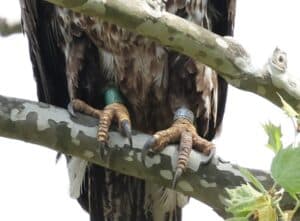
H22 photo by S. Neumann
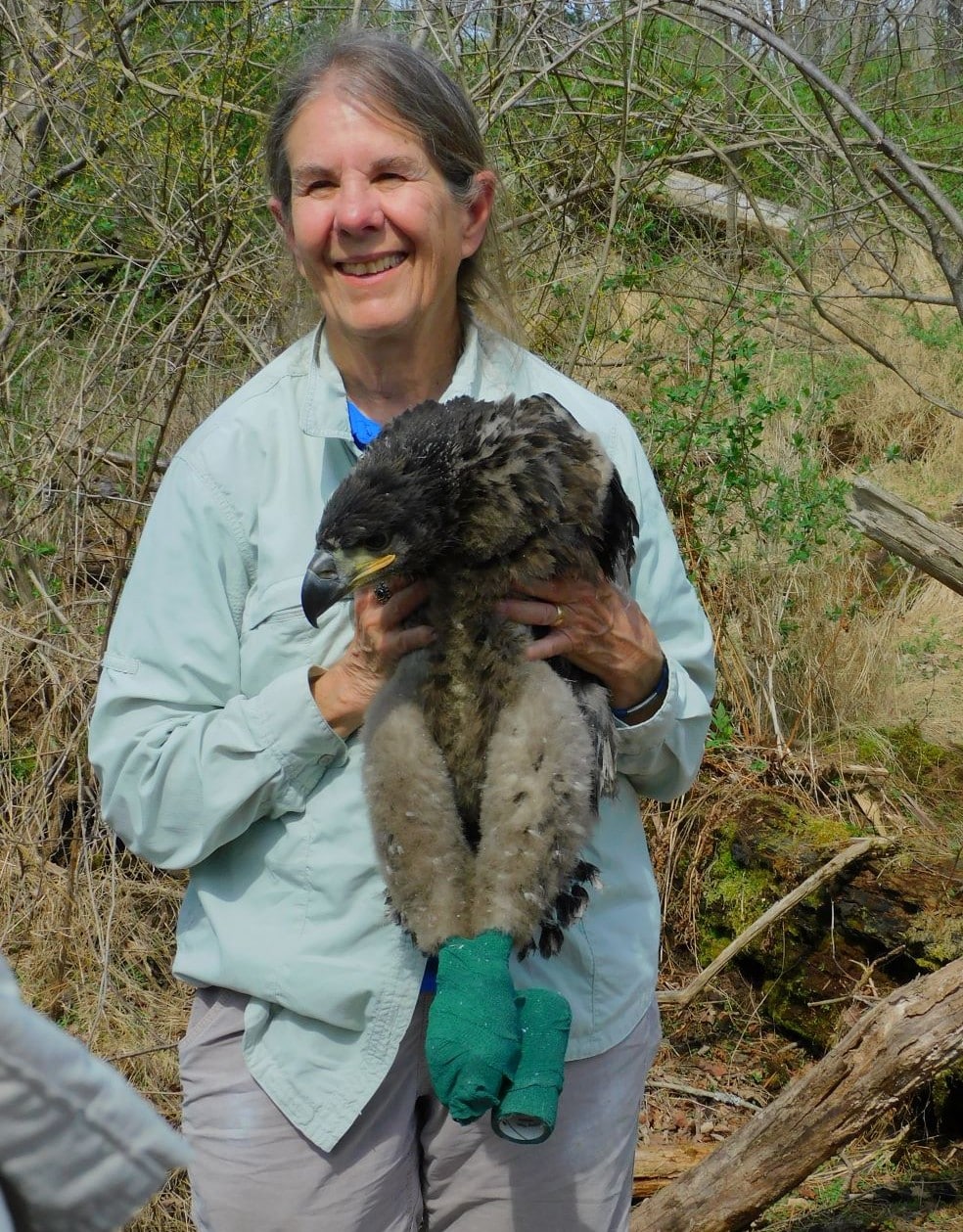
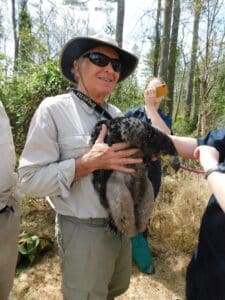
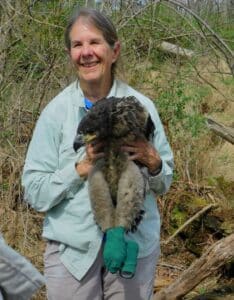
I had confidence that with this group, someone was sure to spot something!! Imagine my absolute surprise and delight when Steve, a talented and devoted local eagle watcher emailed the group that he had found “my” sub adult and gotten a clear image of her green band: H22!! She is one of “mine” which I held at banding in 2022. I was overcome with emotion and excitement! I would never have known that H22 was alive and thriving if not for Steve’s search and photos. Right on cue, Mary Ellen, another Eagle Project volunteer produced emails and photos that I had sent to the group after the 2022 banding showing H/22 as a 6-week-old nestling. How heartwarming it was seeing her again as a nestling!
Rick Mckee 4/16/22 photo by B. McKee
H22 photo by R. McKee
H22 photo by R. McKee
Barb Mckee photo by R. McKee
What a joy it is knowing that she is still living and healthy. I still can’t believe that an eaglet that I held is the same one I saw as a thriving three-year-old. Hopefully she will stick around our area, avoid dangers, find a mate, build a nest, and raise her own eaglets in about 2 years’ time!
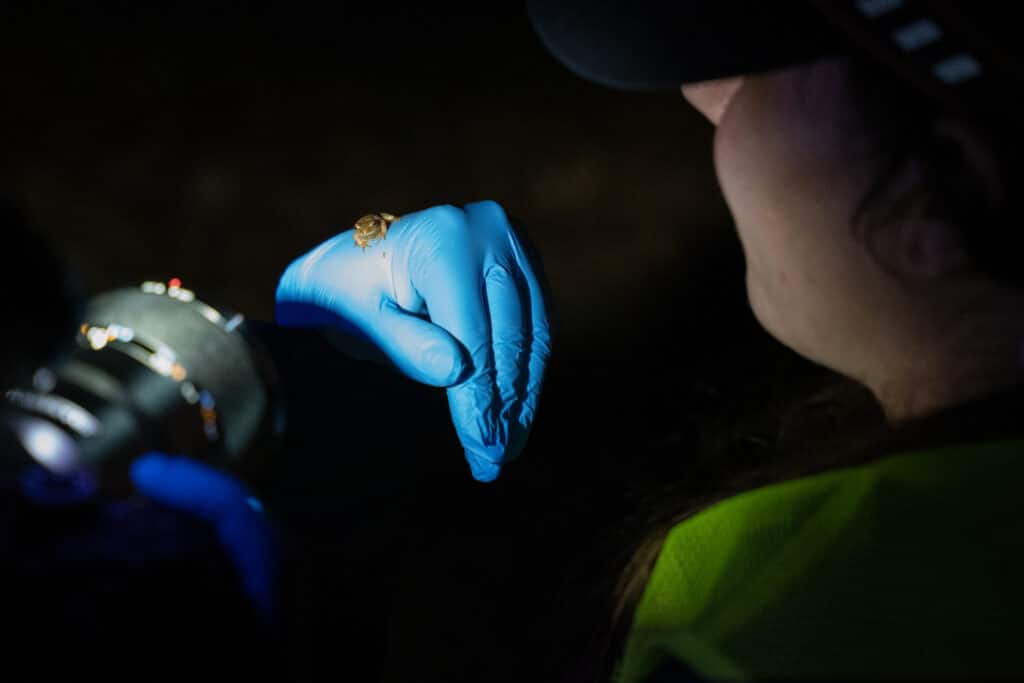
Each spring, as the ground begins to thaw and warm rains roll in, a quiet but extraordinary migration takes place in New Jersey. Spotted salamanders, spring peepers, wood frogs, and other amphibians emerge from their winter shelters and begin their journey to vernal pools – temporary, fish-free wetlands that are essential for breeding.
Photo by Jo Arlow
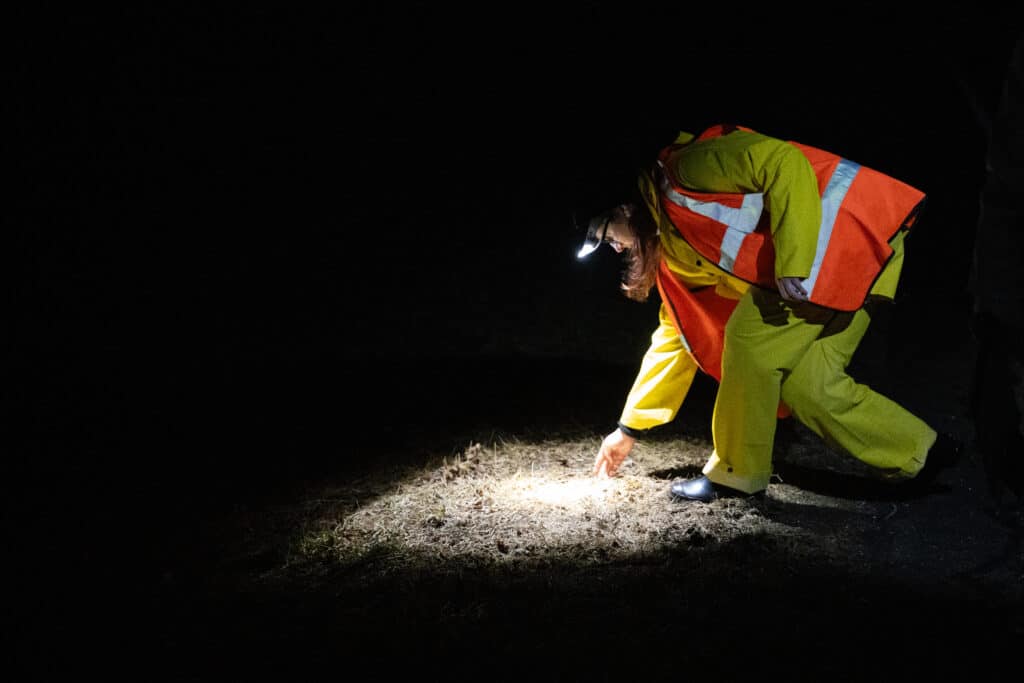
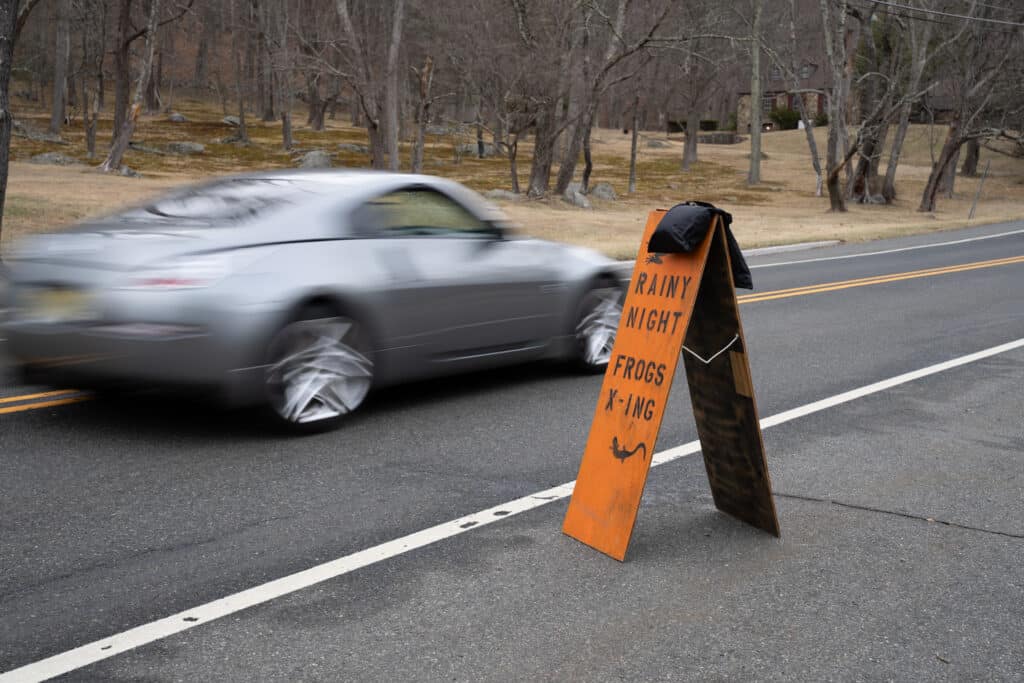
But for many of these small, slow-moving creatures, the journey is perilous. Their paths often cross busy roads, and without help, countless amphibians are killed by passing cars. That’s where we come in.
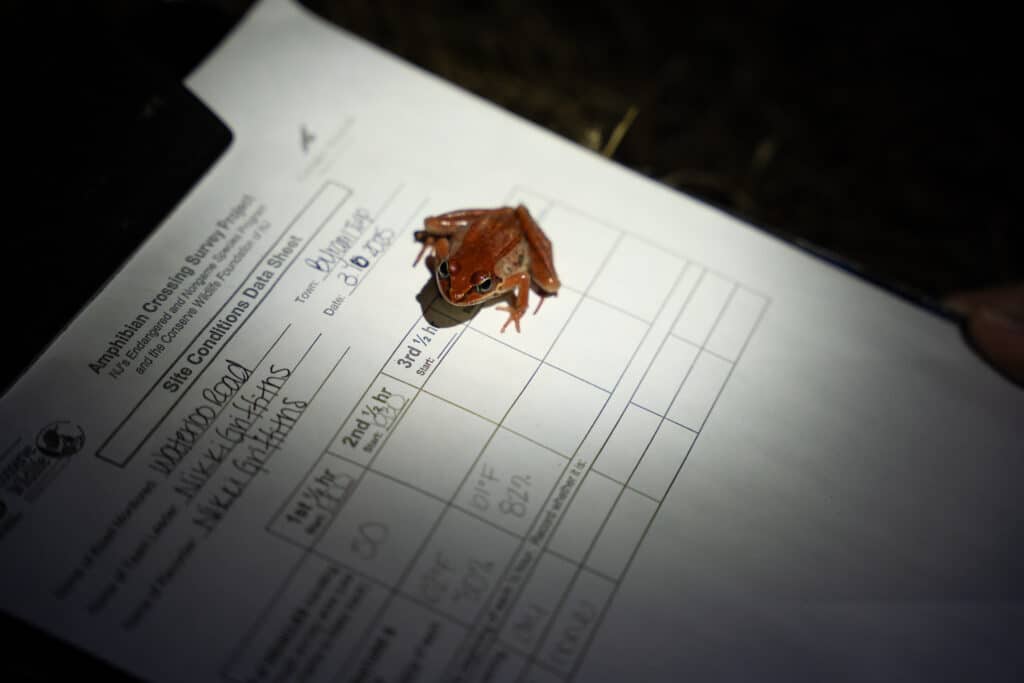
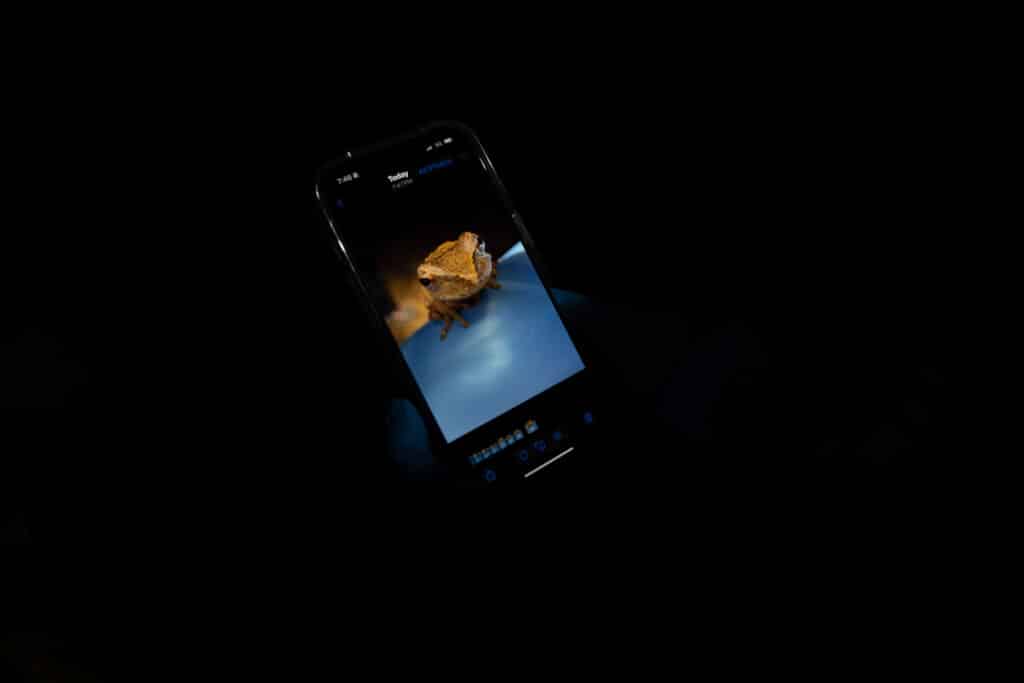
Every year, Conserve Wildlife Foundation coordinates Amphibian Crossing – mobilizing dedicated volunteers to assist amphibians as they make their way across roadways to reach their breeding grounds. By guiding amphibians across safely and carefully tracking each species, we give these important animals a fighting chance at survival.
Photo by Jo Arlow
This season, our incredible volunteers helped 1,938 amphibians safely reach their destination.
Here’s a breakdown of the amphibians we saved:
154 Spotted Salamanders
820 Wood Frogs
677 Spring Peepers
234 Jefferson Salamanders
28 Red-Spotted Newts
19 American Toads
3 American Bullfrogs
1 Pickerel Frog
1 Gray Tree Frog
1 Hybrid Jefferson Salamander
Totals for each crossing site:
Waterloo – 1,286 amphibians guided
Swartswood – 529 amphibians guided
Hope Road – 123 amphibians guided
These numbers represent more than just stats – they’re a reminder that small, collective actions can make a big difference for wildlife. Amphibians are crucial to healthy ecosystems. They help control insect populations and serve as vital links in the food web. Many species are also sensitive to environmental changes, making them key indicators of ecosystem health.
As development continues to fragment natural habitats, programs like Amphibian Crossing are essential to supporting amphibian populations and raising awareness about their importance.
We are deeply grateful to every volunteer who braved the rain, cold, and darkness to protect New Jersey’s amphibians. Thanks to everyone’s help, the road to survival is a little safer.
Ospreys are migrating north and will soon begin another nesting season in New Jersey. Earlier this year, their conservation status was upgraded from threatened to stable by NJDEP. This marks a tremendous success in the restoration of ospreys, management of their nesting structures, and vast improvements in the health of our aquatic ecosystems, and the efforts of many devoted environmental professionals and osprey lovers throughout the state. Results from 2024, show that ospreys had favorable conditions for their continued growth and success.
To track the health of the osprey population, each year project staff, volunteers, and citizen scientists collect data on nest occupancy and nest success. Most colonies are surveyed by devoted volunteers who use a ladder to access a nest and determine the outcome. Others are surveyed from a distance using optics or other visual aides, including digital cameras and unmanned aerial systems. Citizen scientists, who contribute observations of nest activity online through www.osprey-watch.org play a crucial role in determining the overall size and health of the state population, as many document nest success in areas where previous nest surveys were not conducted. Moving forward, theses passionate volunteers will play a more important role in monitoring ospreys and their continued success.
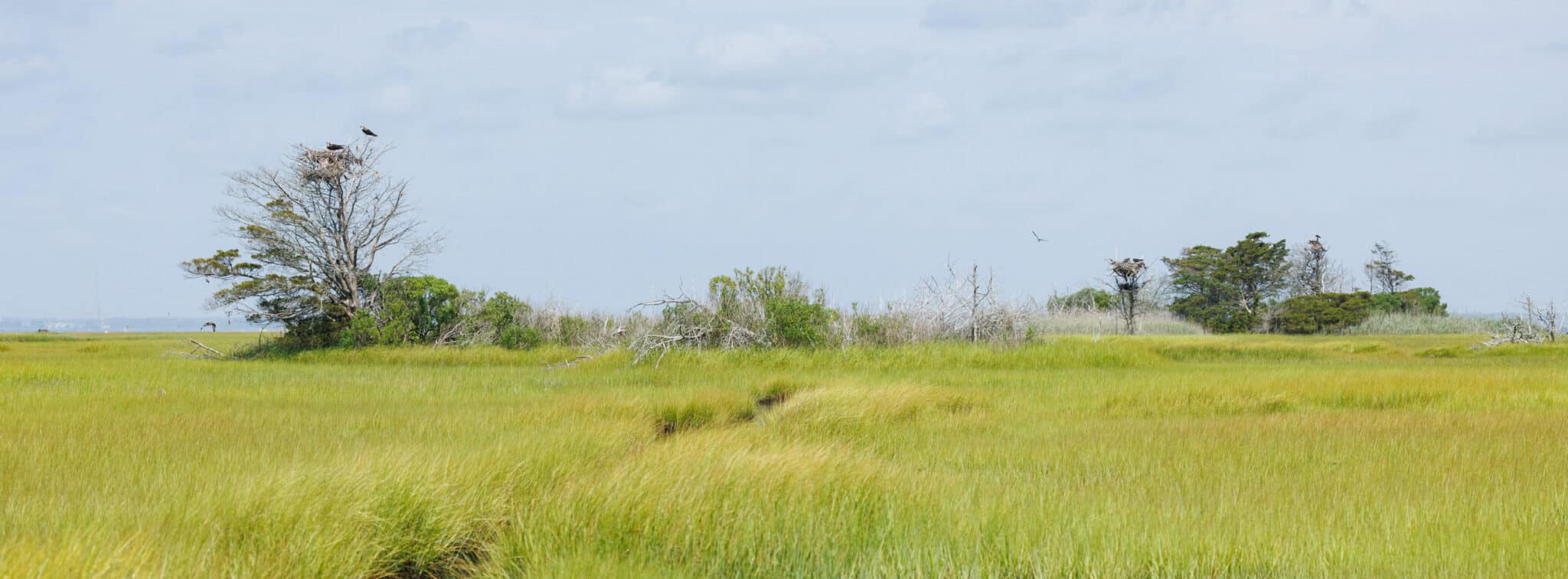
Three natural osprey nests within Sedge Island WMA. July 2024.
Overall, results from our surveys recorded a total of 729 nests that were occupied. The majority of nests monitored had increased productivity, which is a stark contrast from what was observed in 2022 and 2023, when most colonies had decreased productivity. This highlights how severe weather, specifically nor’easters, can affect the overall productivity of coastal nesting ospreys, where most osprey nests are located in New Jersey. With no severe weather, the average statewide productivity was normal at 1.63 young/active [known outcome] nest.
As reported last year, observations of adult females not laying eggs at prompted us to conduct some early season surveys in some colonies. A survey that we conducted on Barnegat Bay revealed that 40% of the nests surveys had no eggs or young, which normally had young in previous years. Similar findings were reported in the Great Egg Harbor colony and also in areas of the Chesapeake Bay, which is even more alarming. We still don’t know what caused the reduction in egg-laying females and delayed incubation. More investigation and future monitoring is warranted.
In general, ospreys had a productive season, with the outcome being determined in 73% of the nests surveyed in 2024. Those pairs (533) produced a total of 867 young. A total of 101 (12%) nestlings were banded for future tracking, 35 of which with both federal and red auxiliary, field readable bands at nests on Barnegat Bay. 89 nests were determined to have failed to produce young. This means they either had eggs or nestlings and they were lost.
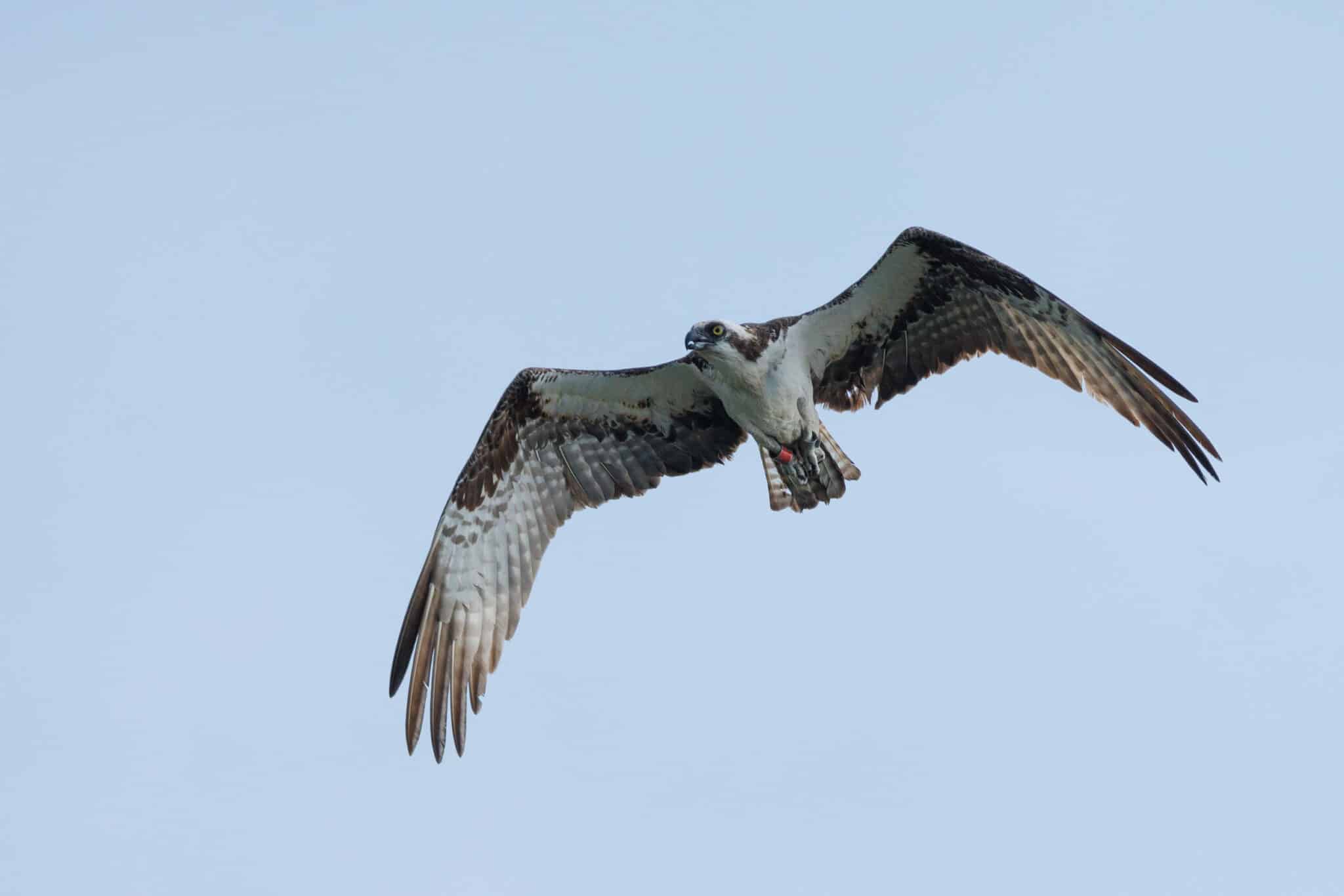
Osprey 26/H, a seven year old male nesting at Sedge Island WMA. July 2024.
Osprey Band Recoveries
Each year a small portion of young ospreys are banded with federal bird bands for future tracking. Encounters with banded birds is infrequent, unless they are found injured or dead, mainly because the bands are very difficult to read on live birds. With Project RedBand, an osprey banding and re-sighting project on Barnegat Bay, we have seen more encounters with live ospreys than those that are injured/dead. This is a direct result of banding birds with red “field readable” auxiliary bands, which can be read from a distance using a spotting scope or a telephoto lens on a digital camera. In 2024, 41 ospreys that were banded as nestlings were encountered. Of those, 30 were identified by their red bands, most during nest surveys conducted by CWF staff. Obtaining re-sightings of red banded ospreys helps track individual birds as they return to New Jersey to nest as adults. We can learn a lot about their life history while engaging the public in osprey conservation. Thank you to everyone who has reported red banded ospreys that they have observed!
With ospreys being listed as stable, it means they’re not at risk of becoming threatened or endangered in the near future. It does not mean we should just forget about them or walk away. Our continued efforts to monitor ospreys will help track their health and any impacts from threats like plastic marine debris to the loss of vital prey, like menhaden shifting northward from the effects of climate change. We have to continue to maintain their nest structures, which the majority of ospreys rely on to successfully reproduce.
Thankfully we have a growing group of volunteer “osprey watchers” who will help keep tabs on them in the future. As one of the largest birds of prey that nests in very close proximity to humans, especially on our heavily developed coast, creating a connection between ospreys and people is resilience. The ability to adapt to a changing landscape is crucial to our shared prosperity in this region. We must protect our open space and habitats that wildlife depend on to survival, while also allowing our human way of life to move forward.
Special thanks to everyone who donates to support our work with ospreys and to all our volunteers who help maintain their nest structures and monitor nest activity throughout the state!
by by Christine Alber NJ Eagle Project Volunteer Posted on
Wawayanda Pair, photo by Christine Alber
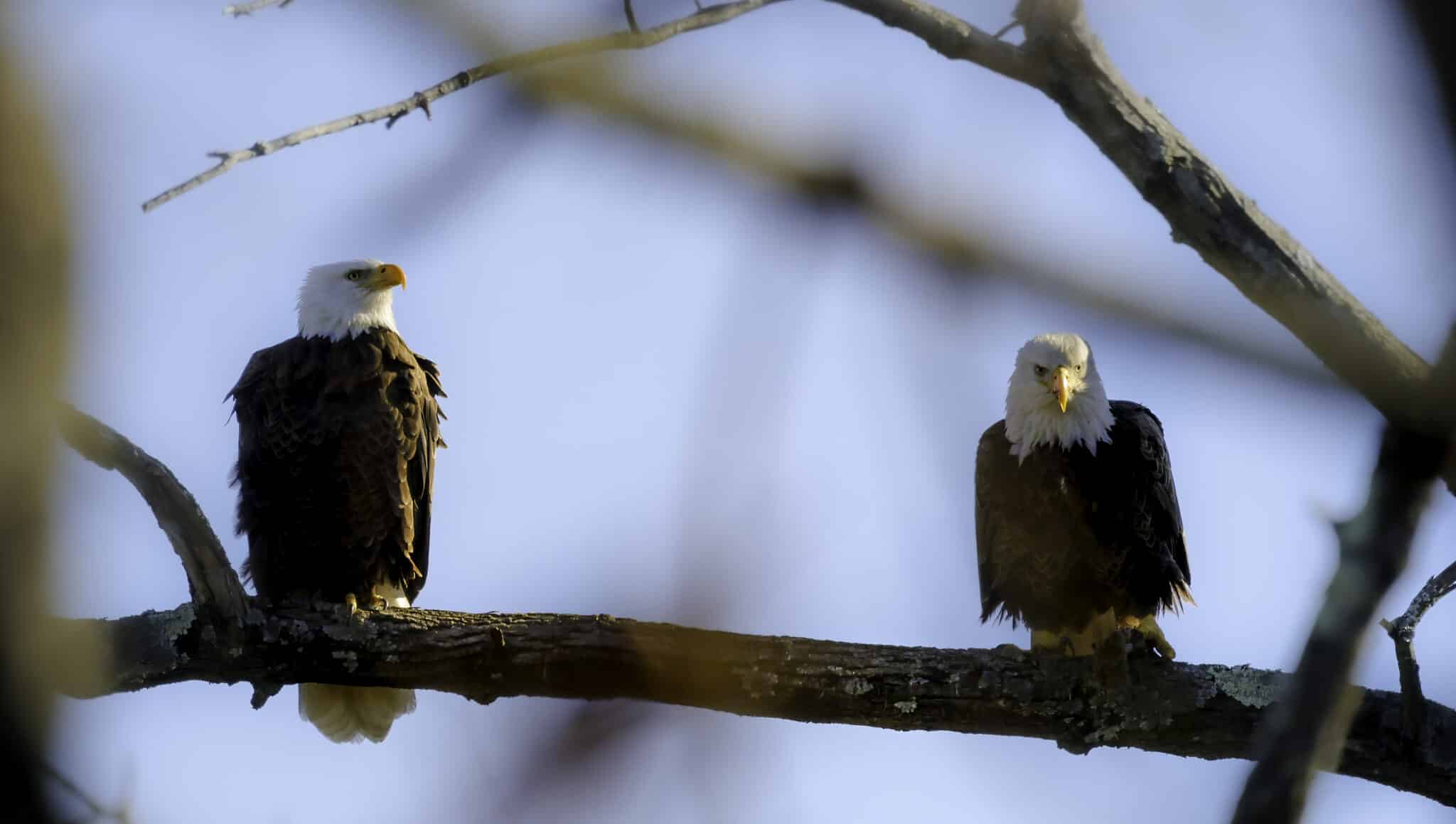
I monitor a bald eagle nest located in Wawayanda State Park, Sussex County. My heart sank when I was asked to retrieve the carcass of a bald eagle found dead on nearby Highland Lake. The Wawayanda eagles protect a large and rugged territory that includes many smaller ponds, several swamps and other wetlands, and seven lakes, including those in my community. I feared that the dead eagle was one of the Wawayanda pair. Despite their territory’s size, our local eagles are in some ways easy to follow. When the lakes are frozen, as they are this winter, we see few visiting eagles traveling through. Although eagles appear similar, each eagle is really an individual in look and behavior. After watching them closely for years, I’ve learned a lot about the eagles; characteristics, their habits, and their favorite places to perch. Moreover, the male is banded and wears distinctive green and silver ankle bands, which stand out even from a distance, especially with a pair of binoculars.
Wawayanda male Green band D10; photo by Christine Alber
Bald eagles banded in New Jersey receive two separate bands – a silver band from the federal US Fish and Wildlife Service with a unique six-digit ID number and a state green band with a two-digit code etched in silver. Because of its color and the shorter code, the state band can be read from a distance. The male’s bands tell us quite a lot about his history and this nest. He first arrived in 2016. By identifying his green NJ band as D10, I was able to learn that he was banded as a nestling at another Sussex County nest in 2010. Although I didn’t see any battles, it was clear that he and the young (fourth year) female he arrived with were the new pair in town, replacing the eagle pair that we had been seeing for at least five years prior. I didn’t know where their nest was and spent a lot of time looking for it, but I still saw them frequently throughout their territory. I eventually learned their nest is in Wawayanda.
female at Wawayanda; photo by Christine Alber
The female was not banded and therefore harder to track. I don’t know for sure, but I believe the original female from 2016 may have been replaced in 2020. That year, the Wawayanda nest failed– did not fledge any chicks – and a pair of eagles were seen building a new nest near the old one. That failure, the new nest, and their behavior during the 2021 nesting season are why I think a new female took over that year. I was able to see and confirm the male’s bands, so I knew he remained. But the eagles did something I hadn’t really seen in all my years of monitoring – when either eagle was flying into the nest, they would call out, almost as if they were saying, “Hey, it’s me, not a stranger.” They did that throughout the 2021 nesting season, but not in any subsequent season. It was as if they were learning about each other that year and once they really knew each other, never had to do it again.
Wawayanda pair; photo by Christine Alber
This pair has been special to watch. To survive in a territory as large and challenging as landlocked northwestern New Jersey, the eagles must be especially resourceful because their nest-building, egg laying, and even early hatching season takes place when their primary food source (fish) may not be available. And they must be strong enough to repel intruding eagles across many miles to protect their dispersed food sources. When they had chicks in the nest, the male’s primary job was maintaining the security of their territory and providing food, while the female needed to ensure survival of their young. When the male was too involved with security matters, as happened in both 2023 and 2024, the female was hunting, feeding the chicks, and protecting the nest area on her own because the male was in another part of their territory for long stretches. Between 2021 and 2024, this pair fledged eight eaglets. Watching them accomplish this with fine-tuned teamwork and a secure bond has been a real privilege.
male with 2021 fledge ; photo by Christine Alber
When I retrieved the dead eagle and saw it was not banded, I thought first of the fierce Wawayanda female. With the eagle found near her favorite perching spot and few visitors in the area, it seemed likely to be her. In the two weeks after the eagle was found, two weeks that are the heart of the Wawayanda eagles; mating, nesting and egg laying season, the male waited for her by the nest. I watched him for hours, hoping I was wrong, that she would return, and the season would go on as normal. But that didn’t happen and after all of this, I’m as sure as I can be that it was indeed her. Preliminary tests are positive for Highly Pathogenic Avian Influenza (HPAI, or bird flu), which is hitting birds in our state heavily this year.
She was strong and beautiful, and I’ll miss her quite a lot. I’m sure the male spent those few weeks also missing his bonded mate. But the eagles must focus on the future and by his nature he knows he needs a new mate. As he searches for his next partner, there is no guarantee that he will even remain at Wawayanda. He may choose to move on or he may lose control to other eagles who are looking for a nesting area. I do know that there are a lot of prime nesting spaces open in our area and I hope that whoever “loses” at Wawayanda moves down the road and settles in at a nearby spot.
What happened since the female’s body was found demonstrates both the fragility and the resiliency of bald eagles in New Jersey. I have great hope that the Wawayanda nest will continue successfully and look forward to the next chapter.
by Larissa Smith Senior Wildlife Biologist Posted on
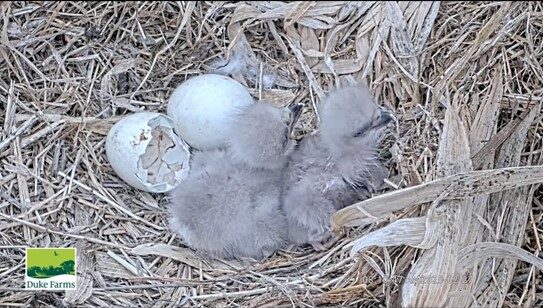
Two adorable fluffy chicks have hatched live on the Duke Farms Eagle Cam. There is a pip in the third egg, so the third chick should hatch very soon. Thanks to Duke Farms and staff who host, fund and maintain this cam. The cam is new for the 2025 season and now has audio which allows you to hear the chicks peeping and adults calling. The clarity of the new cam is top notch.
by Larissa Smith Senior Wildlife Biologist Posted on
photo credit: Diane Cook
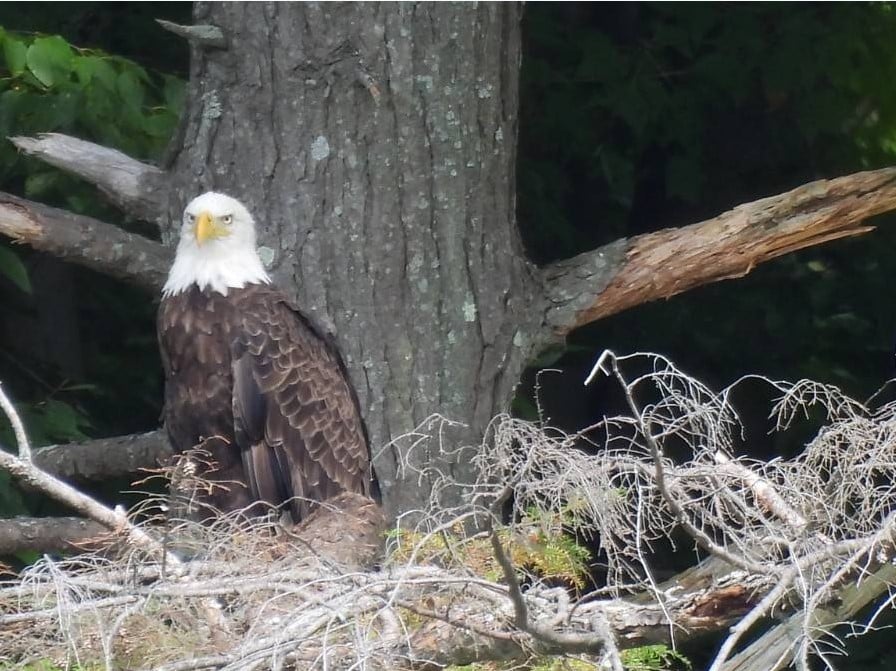
The New Jersey Annual Bald Eagle Project report has been published by NJDEP Fish & Wildlife’s Endangered and Nongame Species Program and The Conserve Wildlife Foundation of NJ. The NJ bald eagle nesting population continues to increase. Two hundred ninety-three nest sites were monitored, of which, a record 264 were documented to be active (with eggs) and 29 were territorial or “housekeeping” pairs. In total, there were 288 fledglings resulting in a productivity rate of 1.2 young per active nest.
by Larissa Smith Senior Wildlife Biologist Posted on
December 15th, 2024 Clinton pair@ Linda Rapacki
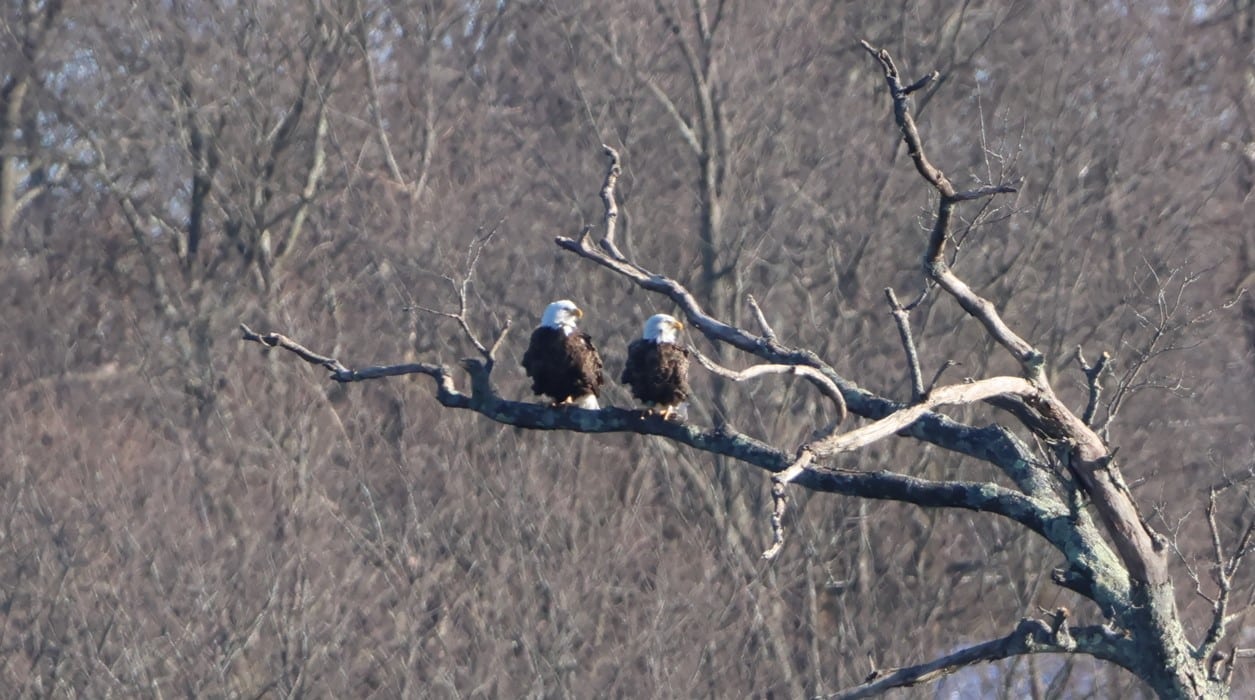
It’s a good time of year to see bald eagles in New Jersey. Many of New Jersey’s resident pairs are back at their nests, getting them ready for the 2025 nesting season. Though the majority of pairs won’t start incubating until February, there are always a few “early bird” pairs that start laying eggs in January.
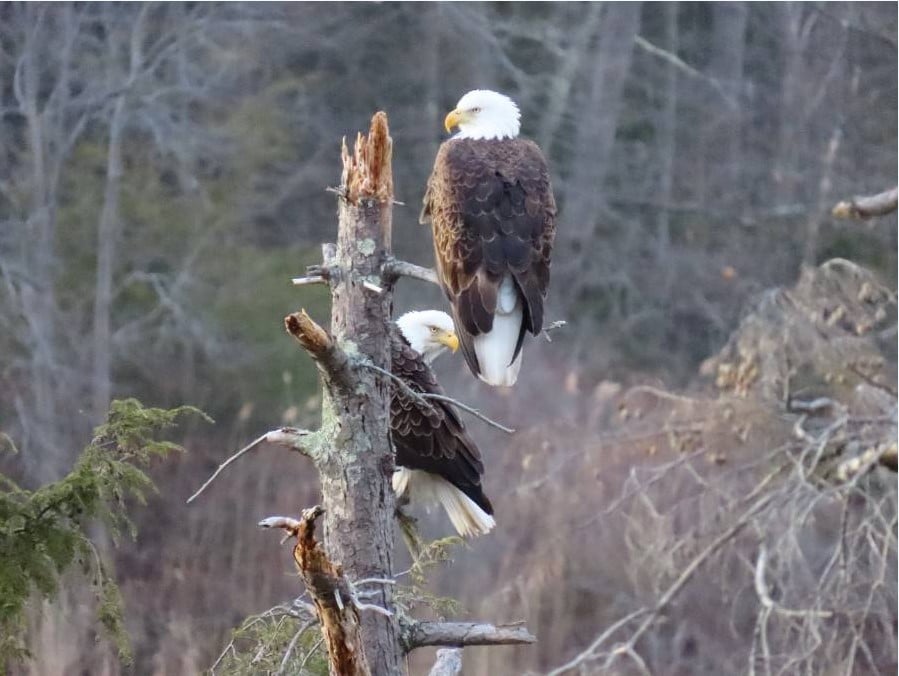
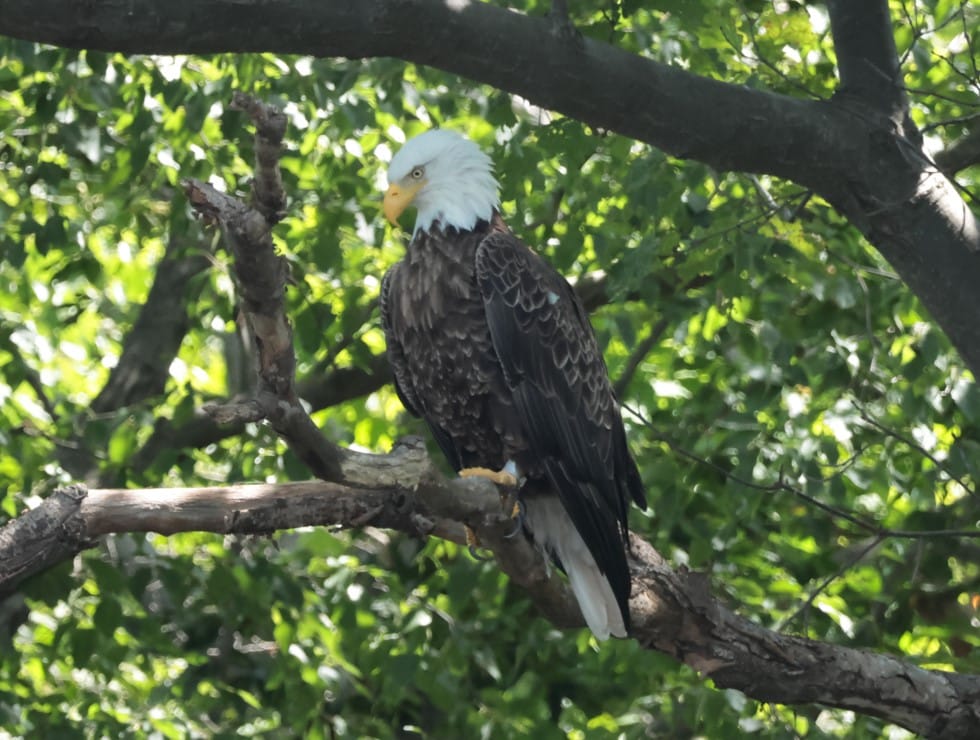
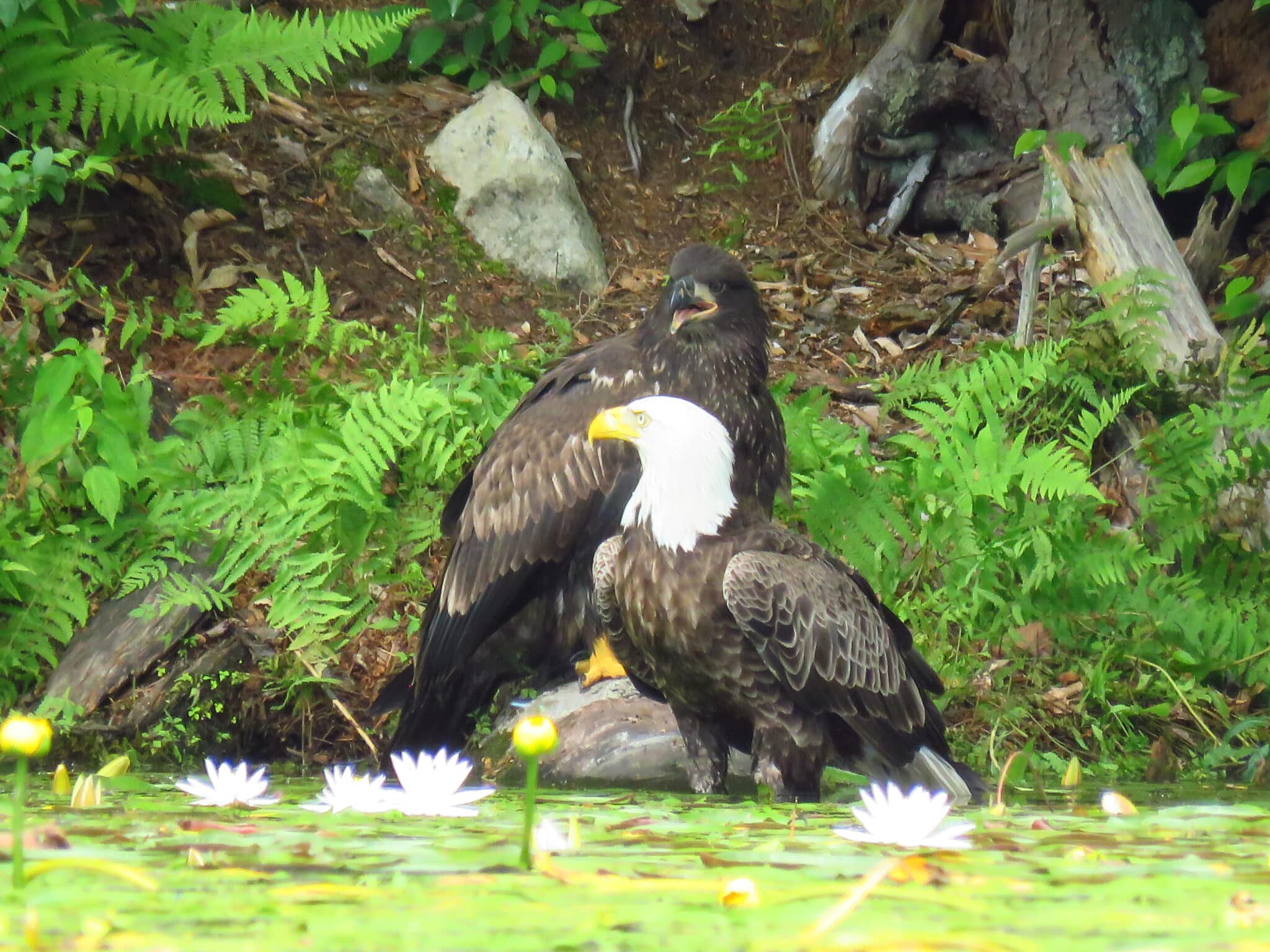
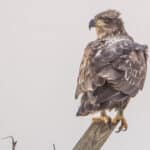
In addition to the nesting pairs there are immature eagles (those that aren’t yet five years of age and sexually mature) and wintering eagles that come to New Jersey from areas where it’s much colder and the water has frozen. A good spot to find eagles is around water supplies that aren’t frozen solid such as rivers and the Delaware Bay. Here are some photos taken by NJ Eagle Project volunteers in November and December of 2024.
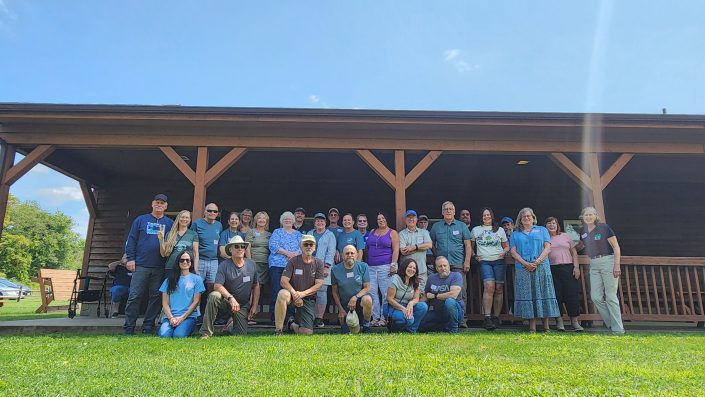
2024 Eagle Project Get-together; photo by: Kathy Clark
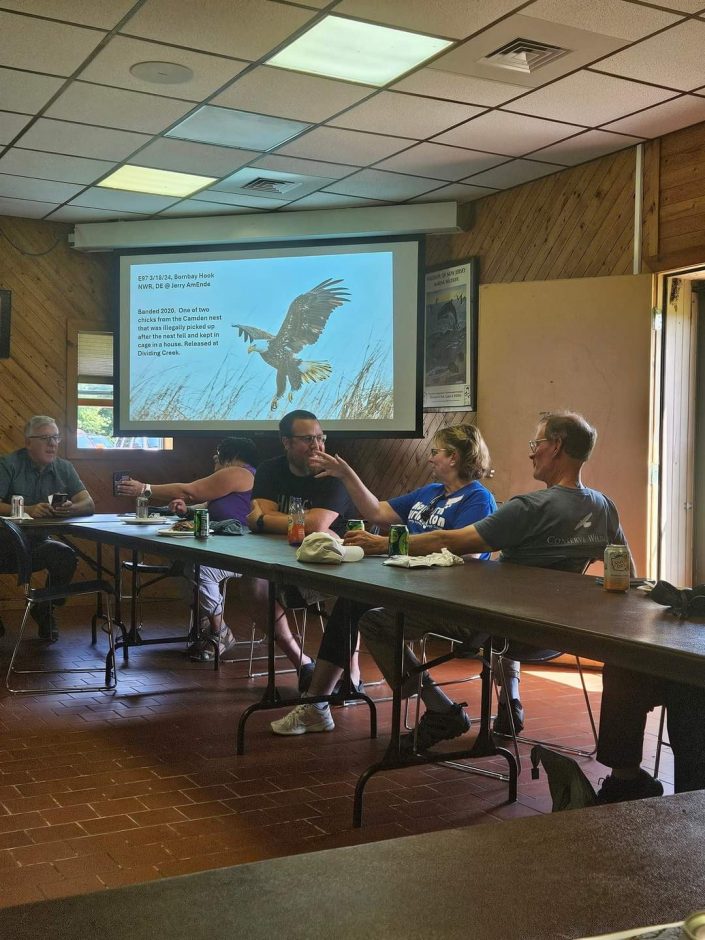
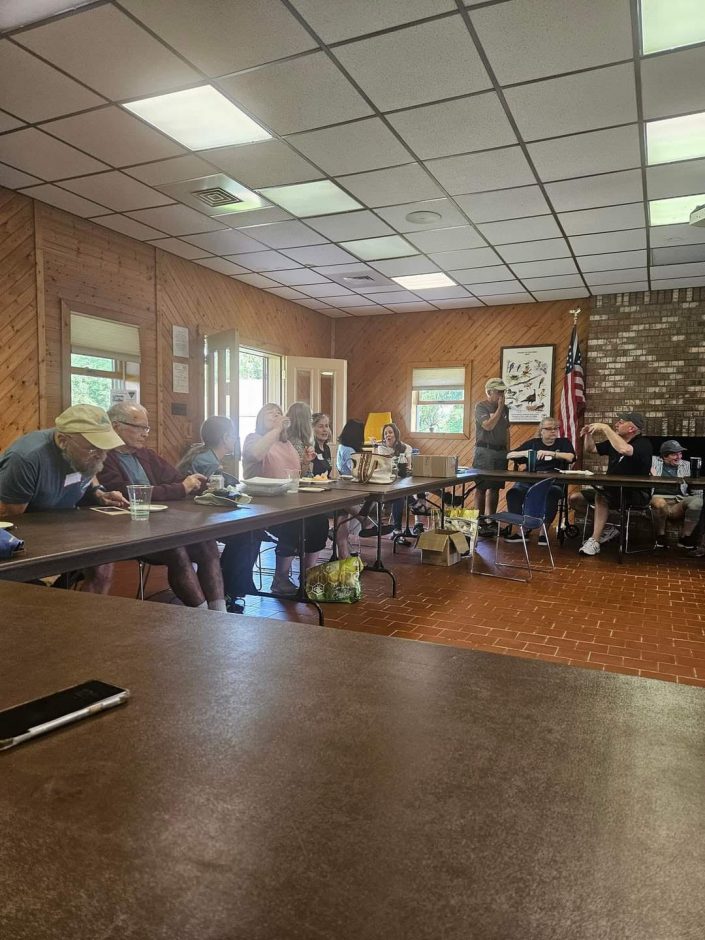
We can never thank the NJ Eagle Project volunteers enough for all they do to monitor and protect eagles in New Jersey. Conserve Wildlife Foundation hosted a get-together at the Assunpink Conservation Center this August as a way to say, “thank you”. There are 162 eagle project volunteers currently monitoring eagle nests statewide and it’s not always easy to get everyone together at one time due to distance and obligations. The volunteers who were able to attend shared stories with other volunteers about the nesting season, received an update on the proposed eagle delisting from ENSP Chief, Kathy Clark and hopefully felt very appreciated. This is down time for the eagle project volunteers, though some eagles are already back and working on their nests. THANK YOU to all the Eagle Project Volunteers.
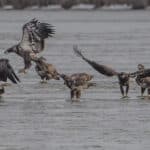
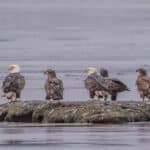
photo by Don TorinoPhoto by Susan Harrisonphoto by Susan Harrison
The Bald Eagle project would not be possible without our corporate partners. We would like to thank PSE&G, Wakefern/ShopRite Stores, Wells Fargo Advisors, and the Cape May County Zoo (AAZK) for providing crucial financial and outreach resources to help keep bald eagles soaring above New Jersey.
by CWF Great Bay Terrapin Project Volunteer Intern, Matthew McCall
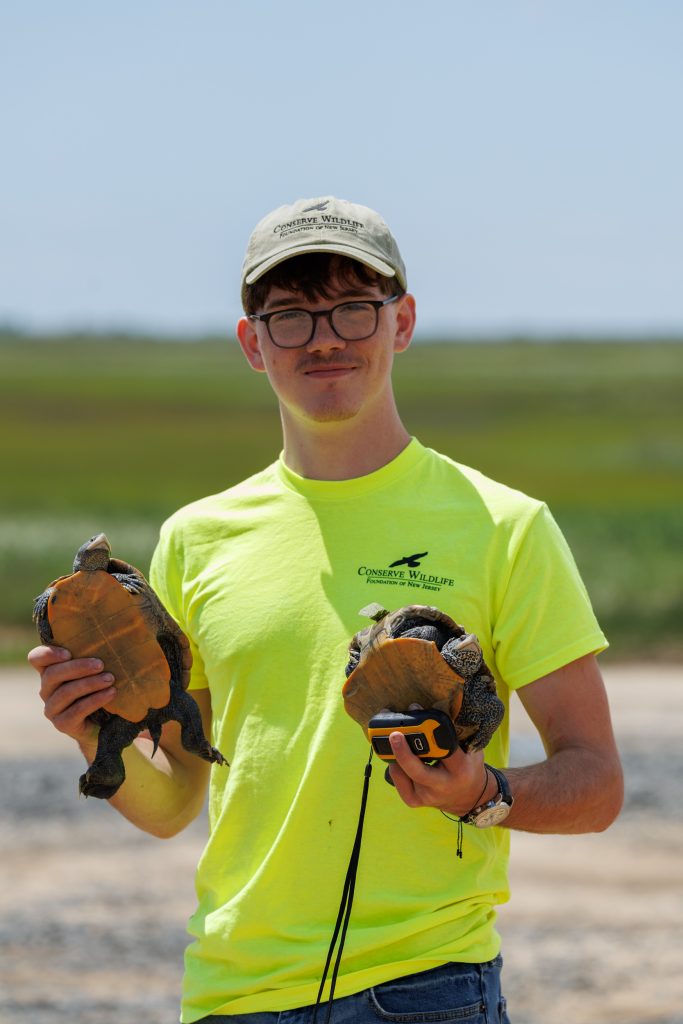
CWF Volunteer Intern Matthew McCall holding two adult female terrapins.
This summer I had the opportunity to work as an intern for the Conserve Wildlife Foundation of New Jersey (CWF), researching and surveying Northern diamondback terrapins. Words could not describe how excited I was for this position, working with Senior Wildlife Biologist, Ben Wurst every day this summer was an incredible learning experience. Mr. Wurst taught me how to conduct surveys Great Bay Blvd Wildlife Management Area. This area is an ecological marvel, I witnessed hundreds of terrapins crossing the road on multiple occasions. I remember one day in particular when such a large quantity of terrapins were moving that it took me six hours to drive down that five-mile road, over two hundred terrapins were observed on Great Bay Boulevard that day alone.