CWF biologist Ben Wurst (above), and all our staff and volunteers are practicing social distancing and following all state and CDC guidelines while in the field to prevent the spread of COVID-19.
With the COVID-19 pandemic causing global shutdowns, how has wildlife reacted to the absence of humans in New Jersey – and across the world? What impacts are we seeing so far, and what should we expect in the long-term?
COVID-19 has changed our lives in virtually every possible way over the last few months. Our relationship to wildlife is no different. This three-part series explores the impacts of the COVID-19 pandemic and shutdown on wildlife in New Jersey and across the world. Read Part 1 and Part 2 and check out our podcast on COVID-19 and wildlife.
Part 3 The Threat of COVID-19
No discussion of COVID-19’s impact on wildlife would be complete with its fated beginning and its long-term threats posed by the global economic shutdown. As a zoonotic disease, COVID-19 likely was triggered by a virus in bats that got into a pangolin in a wet market that was then consumed by people, chance encounters made much more likely by a number of destructive human activities.
Clearing primal forests bring people into contact with remote wildlife for the first time, while also changing wildlife behaviors to increase the likelihood of their interaction with humans. Live animal markets offer ideal opportunities for viruses like COVID-19 to emerge. Illegal trafficking incentivizes further habitat clearing and poaching. Trading in exotic wildlife creates a host of problems both to the species themselves and to their ecosystems. (Though underexplored in the popular Tiger King series, the impacts of the exotic wildlife trade could make a fascinating series in its own right).
COVID-19 has changed our lives in virtually every possible way over the last few months. Our relationship to wildlife is no different. This three-part series explores the impacts of the COVID-19 pandemic and shutdown on wildlife in New Jersey and across the world. Read Part 1 here, and check out our podcast on COVID-19 and wildlife.
Wildlife from your Window
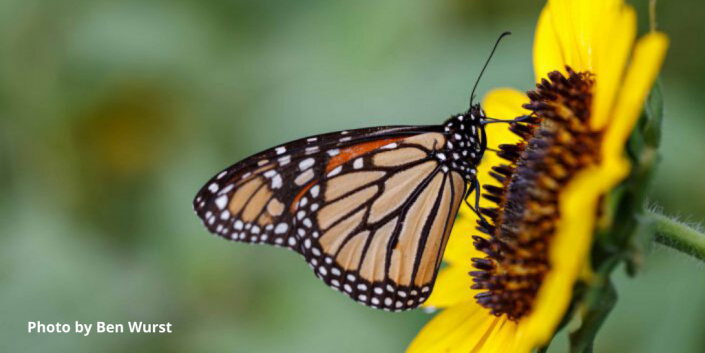
We have received more reports than ever from people seeing wildlife species they hadn’t seen before, and behaviors they had never previously observed, much of it from their own yards. People are tending to gardens more than ever before, and enjoying seeing the attendant pollinators.
COVID-19 has changed our lives in virtually every possible way over the last few months. Our relationship to wildlife is no different. This three-part series will explore the impacts of the COVID-19 pandemic and shutdown on wildlife in New Jersey and across the world. Be sure to also check out our podcast on COVID-19 and wildlife.
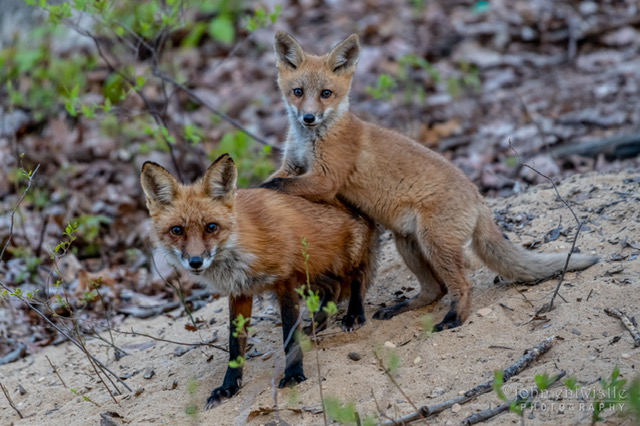
From my car window, I observed as many red foxes in a recent week as I had seen in the previous year combined. And it wasn’t just fox I was seeing more of. Wild turkeys, raccoons, migratory songbirds – I was seeing them all in greater abundance since the COVID-19 pandemic restricted most of us to our homes for nearly all of our waking hours.
Wildlife habitats all over the country have been broken into ever smaller pieces by human development, making it challenging for animals to safely find food, mates or a place to make a nest or den. This is especially true in New Jersey, which has more people per square mile than any other state by far.
The PBS EcoSense for Living episode ”Wildlife Crossings” has captured the challenges habitat fragmentation poses to wildlife, along with the amazing work that scientists, engineers, and wildlife managers are doing to help. Projects supporting New Jersey Division of Fish and Wildlife’s Connecting Habitat Across New Jersey (CHANJ) initiative, including CWF’s Amphibian Crossing Project, are featured beginning at 14:10.
On warm, rainy spring evenings salamanders, frogs and toads venture out for the most eventful nights of their year. They have but one goal – to make it to a vernal pool to breed. But between them and the pool is a road, filled with cars barreling along, completely oblivious to their big plans.
A single vehicle can crush dozens of these slow-moving animals as they try to make it across the road. From the driver’s seat they may look like mere twigs, leaves, or raindrops bouncing off the road. With high mortality rates year after year, it doesn’t take long for a population to nose-dive.
The Amphibian Crossing Program helps hundreds of salamanders, frogs and toads make that hazardous journey so they can have their big night. We are also assisting NJDFW in preparing for a wildlife crossing structure system consisting of under-road tunnels and guide fencing to help amphibians at our busiest migration site.
Successful “critter crossings” at this priority site could pave the way for many other projects, allowing salamanders, frogs, and toads (as well as snakes, turtles, and other small animals) to safely and independently cross between their upland habitats and breeding pools each spring. To see how the Amphibian Crossing Project fits in with other statewide projects supporting wildlife habitat connectivity see Connecting Habitat Across New Jersey (CHANJ).
Want to help? Volunteers for the Amphibian Crossing Project must complete a training session. If you are interested in being a part of next year’s project, please contact allegra.mitchell@conservewildlifenj.org.
Celebrating the 50th Anniversary of Earth Day in the spirit of resilience and recovery. Today we thank the countless biologists, volunteers, educators, and supporters who have played a critical role in the survival of so many of our rare wildlife species. Together, we will continue to stay strong and save wildlife.
Conserve Wildlife Foundation executive director David Wheeler brings you on an uplifting journey through the environmental progress we have made since the very first Earth Day in 1970, with a special focus on wildlife – and its importance to us in this challenging time of pandemic and social restrictions.
You don’t have to travel far to see amazing wildlife. Our Backyard Safari video series will show you stunning perspectives on wildlife living right in your neighborhood.
Join producer Matt Wozniak for a new adventure each week. This week, Cricket Combat will have you on the edge of your seat. You might not know it, but crickets are fierce fighters! Their pitched one-on-one battles can take place just steps from your back door.
Adventure awaits just outside your door on a backyard safari!
You don’t have to travel far to see amazing wildlife. Our new Backyard Safari video series will show you stunning perspectives on wildlife living right in your neighborhood.
Join producer Matt Wozniak for a new adventure each week. First up, The Antlion’s Trap gives you an up-close-and-personal look at a mighty predator relentlessly trapping its prey, in a dramatic scene that could take place just about anywhere in New Jersey. Thankfully, that predator happens to be only an inch long!
Bats are one of nature’s most misunderstood species. They strike fear in the hearts of many people but in reality they are incredibly beneficial to us. Bats face a multitude of threats and it is up to us to learn to understand and coexist with them if they are to have a future in our state.
The fifth episode of our podcast, State of Change, “The Bat’s Misunderstood Identity” features MacKenzie Hall, biologist at the New Jersey Division of Fish and Wildlife and Ethan Gilardi, assistant biologist with Conserve Wildlife Foundation (CWF).