Gov. Kean, Biologists Enliven Premiere for James Fiorentino Traveling Art Exhibit at D&R Greenway Land Trust

Over 200 attend kickoff for three-year art exhibit scheduled for venues across New Jersey and New York

This weekend the nonprofit Conserve Wildlife Foundation attracted over 200 art and wildlife enthusiasts to the premiere showing of their Rare Wildlife Revealed: The James Fiorentino Traveling Art Exhibition at D&R Greenway Land Trust in Princeton.

More than 200 supporters, including Governor Tom Kean (and four of our Species on the Edge Art & Essay Contest winners), attended our Opening Reception for the premiere exhibition of Rare Wildlife Revealed: The James Fiorentino Traveling Art Exhibition at D&R Greenway Land Trust on September 30th.

Former Gov. Tom Kean headlined the program, along with the nationally recognized artist Mr. Fiorentino, Conserve Wildlife Foundation (CWF) executive director David Wheeler, and D&R Greenway president & CEO Linda Mead. CWF field biologists were also present to discuss their innovative work protecting and restoring the region’s vulnerable wildlife species, many species of which were featured in Mr. Fiorentino’s paintings, as well as a live peregrine falcon, the fastest animal on earth, displayed by Mercer County Wildlife.

The event also honored several 5th-grade winners of the statewide Species on the Edge Art and Essay Contest, who were congratulated by the former Governor and Mr. Fiorentino before a cheering audience to conclude the program.
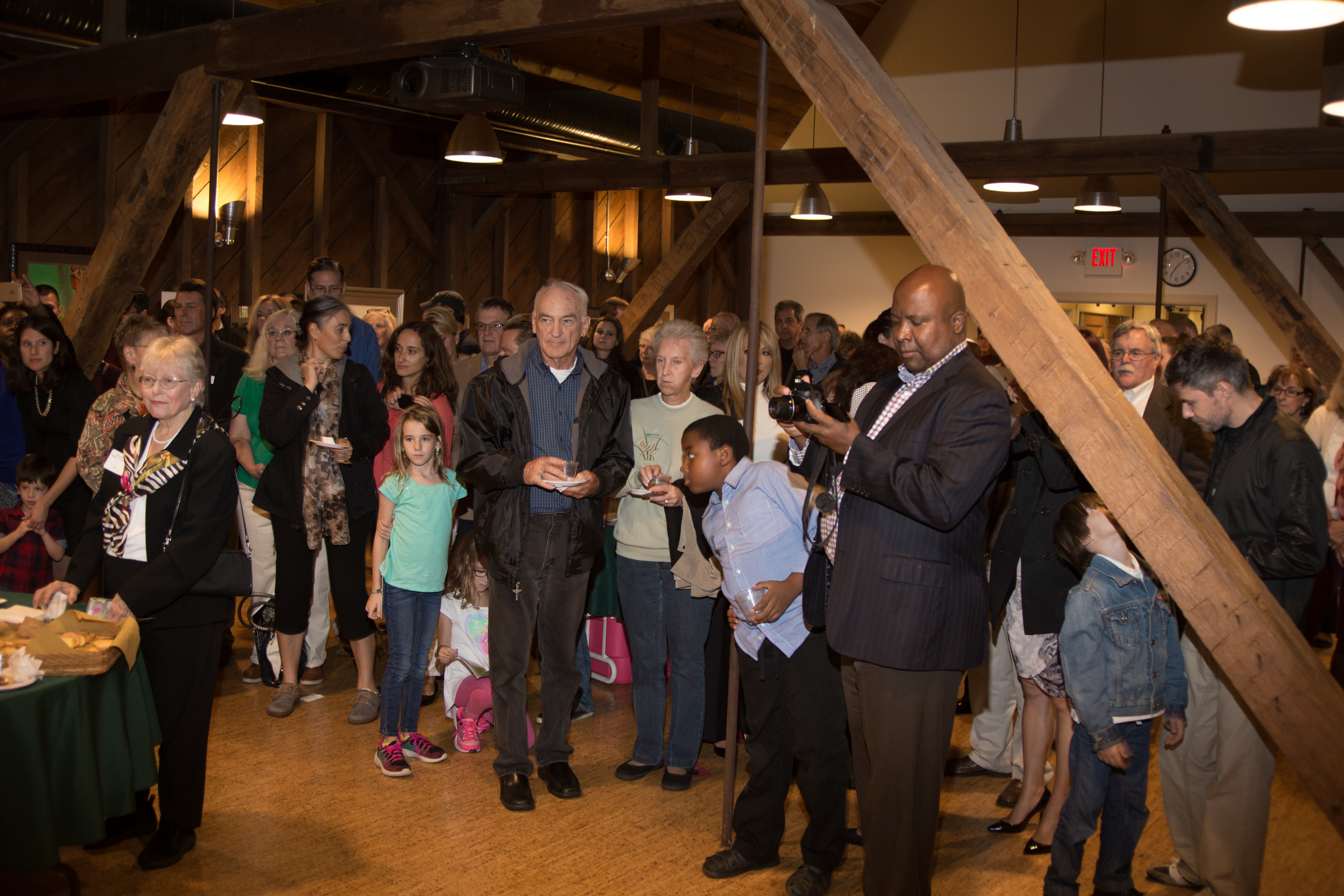
Crowd gathered at the art opening reception at D&R Greenway.

Mr. Fiorentino has painted 25 stunning watercolor images of at-risk wildlife species from New Jersey for this exhibition, from the bobcat and bald eagle to the Pine Barrens tree frog and little brown bat. The exhibition will travel around New Jersey and the Northeast over the next three years.

At 15, Mr. Fiorentino became the youngest artist to be featured in the National Baseball Hall of Fame with paintings of baseball legends like Reggie Jackson, Cal Ripken Jr. and Ted Williams; his sports art has since graced national magazines and landed him in interviews with ABC World News Tonight and countless other news studios. Now 39, Fiorentino’s Conserve Wildlife Foundation exhibit is being hosted at D&R Greenway through October 14.

“Renowned as one of the best sports artists in the country, Jim’s works hang in major museums,” says Governor Kean, who met the artist while serving as president of Drew University—Fiorentino was a student there in the 1990s, when his sports figures started receiving national attention. He was featured on ABC World News and in The New York Times. “In recent years he has turned to wildlife. Jim has created an amazing body of work… Many of the creatures he paints are endangered, and Jim celebrates their uniqueness and beauty.”

Fiorentino’s realistic paintings depict some of the state’s most endangered and vulnerable species. Among other venues, the exhibition will be shown at Salmagundi Club at 47 Fifth Avenue in New York next spring.

“Mr. Fiorentino’s incredibly evocative artwork inspires viewers by reconnecting them with the natural world all around us,” says Conserve Wildlife Foundation executive director and wildlife author David Wheeler. “His watercolor paintings help to educate and engage viewers about the precipitous declines that many of these vulnerable wildlife species have suffered, and helps us bring attention to the very tangible steps that people can take to save these species.”

Gov. Kean and Wheeler wrote the foreword and introduction, respectively, for the art exhibition hardcover book accompanying the exhibition. Through October, sales of the original paintings, limited edition digital prints, the exhibition book, and wildlife merchandise will benefit Conserve Wildlife Foundation and D&R Greenway Land Trust.

“The subject of disappearing New Jersey wildlife speaks directly to the work that we do to protect habitats,” says D&R Greenway President & CEO Linda Mead. “As an admirer of James Fiorentino’s artistic talent, I am thrilled that we were selected as the premiere venue for this exhibition.”

Fiorentino started painting animals when he was 10, and he later became a trustee for the Raptor Trust in Millington, N.J.

“We rehabilitate 4,000 wild birds a year and release about half that number,” says Fiorentino. “These wild birds have had a tremendous influence on me. I enjoy getting close to birds of prey, and it brought me back to nature art.” Before going back to his studio to paint the details, Fiorentino sketches the animals up close, sometimes holding them, taking in their details.

His two young sons enjoy being in nature, the oldest son joining his father to draw wildlife, especially butterflies—proving that humans, too, benefit from having wildlife in their midst. “I am awed by what we see in our own backyard: the Eastern box turtle, great horned owl, pileated woodpeckers, foxes, hawks and butterflies,” says Fiorentino. “It’s an amazing backyard ecosystem.”
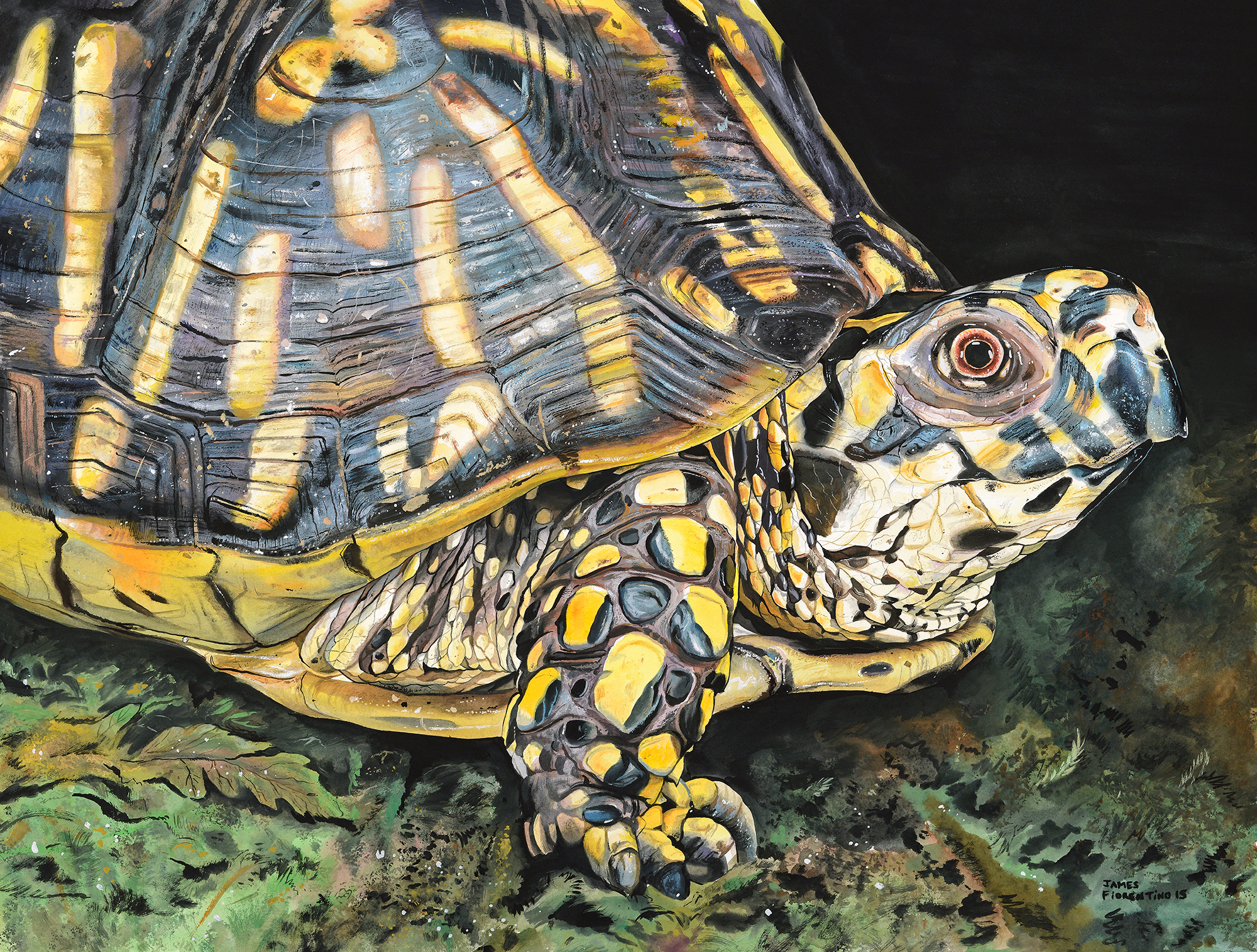
Eastern Box Turtle by James Fiorentino.

Rare Wildlife Revealed: The James Fiorentino Traveling Art Exhibition is sponsored by Omni Distribution, LLC, Flying Fish Brewing Company, Merrill G. & Emita Hastings Foundation, Studio 7 Fine Art Gallery, and Somerset Patriots.

Conserve Wildlife Foundation has been a long-time partner with D&R Greenway, exhibiting our Species on the Edge fifth-grade art and essay contest winners annually in D&R Greenway’s Olivia Rainbow Gallery. This year, the fifth graders art will be exhibited simultaneously with the Fiorentino exhibit.


For more information on James Fiorentino, please visit www.JamesFiorentino.com.
To learn more about CWF, please visit www.ConserveWildlifeNJ.org.


Digital photos from the event are available upon request, as are high-resolution images of the original Fiorentino artwork.

Kids are Back in School – but Their Summer Wildlife Lessons Endure!

Conserve Wildlife Foundation brought three conservation-themed summer learning experiences to the New Jersey coast.

By: Kendall Miller

I went back to “camp” this summer, seeing schoolkids learn first-hand about wildlife and what biologists do. CWF offered three summer learning experiences for the first time, each with a different theme, content, and location.

Observing the kids’ excitement and enthusiasm for nature was uplifting, and I was also impressed with how knowledgeable they all were. Offering hands-on opportunities – to learn about wildlife while experiencing these habitats – is so important in fostering an appreciation in the younger generations.

“Education is a major goal of CWF’s mission. Through project-based, experiential learning, we hope that camps like these leave impressions with children,” said CWF Director of Education Stephanie DAlessio, who developed the new program. “While we are out having fun, we are also learning about the importance of protecting and preserving wildlife and their habitats in New Jersey.”

This summer was a great start, and CWF is excited for the years to come!

Bayshore Adventure at Leonardo Marina
Seining, special wildlife guests and sandcastles along the Raritan Bayshore!

Located in the harbor, across from Sandy Hook, noisy terns and gulls fight over their catches as kids arrive in the morning to spend the part of their day learning about the bayshore environment. Sunny, sand-filled learning about marine and coastal wildlife and habitats, seining for coastal creatures, mini-science activities and special guests were balanced with a healthy dose of wiffleball games and sandcastle-building contests.

Kids met biologist and beach nesting bird manager Todd Pover. He talked about - of course - the piping plover, and issues with conserving threatened and endangered beach nesting birds.
Kids met biologist and beach nesting bird manager Todd Pover. He talked about – of course – the piping plover, and issues with conserving threatened and endangered beach nesting birds.
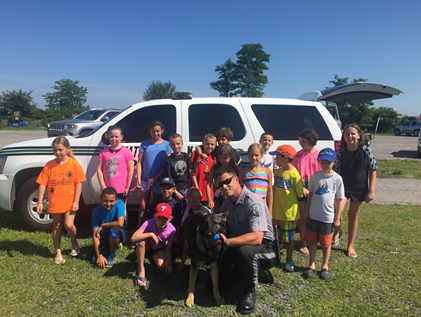
NJ State Park police officer Karl Mott and K9 Kelly, a police dog who finds lost cellphones, wallets, and even people. Campers were able to see her in action and participate in hiding drills.

Wildlife Explorer Program at Duke Farms
Raptors, art and orchids on a North Jersey nature oasis!

Set in the lovely Duke Farms in Hillsborough, every day of this week-long camp was a new and exciting experience featuring different types of wildlife! Kids spent time exploring the grounds at Duke, played games and explored their creativity through art projects alongside famed artist James Fiorentino, met real life biologists and best of all – got up close and personal with all kinds of raptors (like the red-tailed hawk below), amphibians and reptiles. These memorable experiences will hopefully cement in their minds the importance of being stewards to their environment.

Campers explored the Orchid Range and saw a collection of plants from all over the world.
Bill Streeter of Delaware Valley Raptor Center visited to talk about amazing birds of prey, bringing with him their resident educational birds. Campers sat in awe of these raptors like this red-tailed hawk.

Beach.Birds.Biology
A day afield with a beach nesting birds biologist!

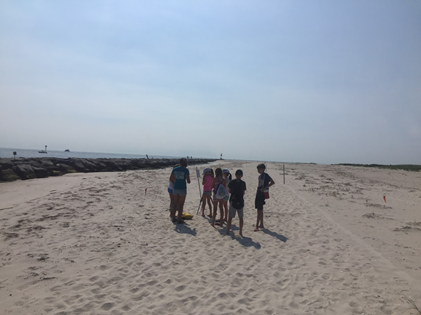
Shorebird biologists know the importance of educating people about the plight of beach nesting birds in New Jersey, who rely on the beaches that people flock to in the summertime. So on three different occasions, parents signed their kids up to spend a day on the beach learning about these birds with CWF biologist, Emily Heiser – like the piping plover, American oystercatcher, black skimmer and least tern. Kids got to practice being wildlife biologists. They used spotting scopes to read tags on decoy birds and searched for camouflaged eggs in the sand. The day was also filled with games, beach scavenger hunts, and a fun poster drawing project to be put on display.

Campers spot some plovers and oystercatchers feeding in vernal pools along the inlet at Barnegat Light.
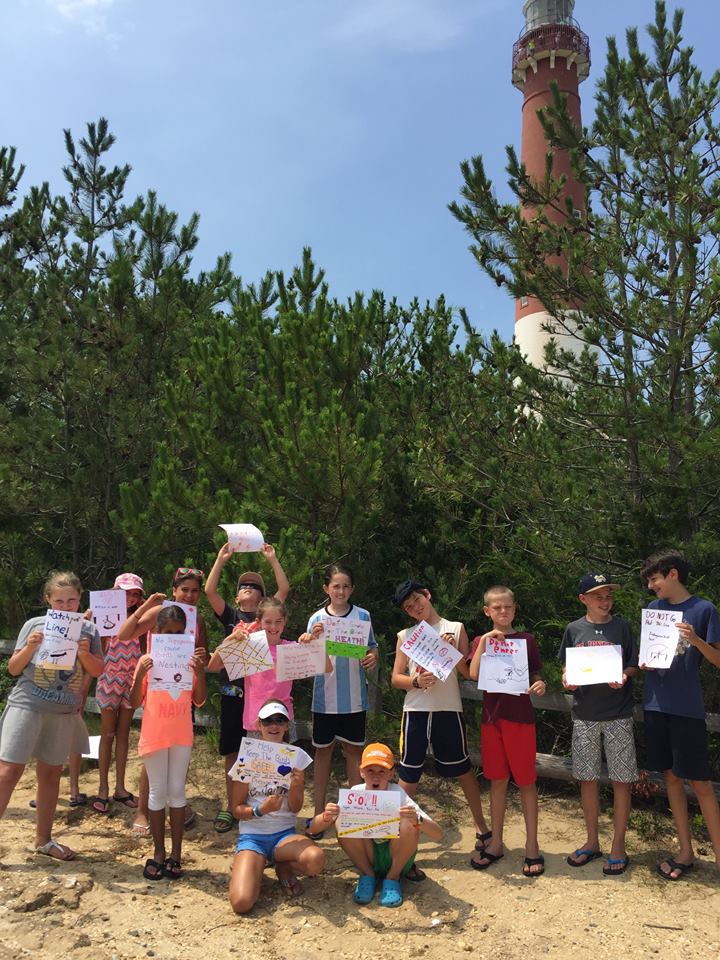
After learning about the plight of beach nesting birds, the kids got creative by drawing signs to be posted near nesting and feeding sites.

For more information about these educational programs, please visit our website at www.ConserveWildlifeNJ.org , or contact our  Director of Education Stephanie DAlessio at (609) 292-9451.


Kendall Miller is a Program Coordinator at Conserve Wildlife Foundation.

Renowned artist brings talents to New Jersey wildlife

by Andrew Mead


It’s said that 10,000 hours of practice are needed to master one’s craft. James Fiorentino surely reached this milestone by age 15, when he was the youngest artist ever to have his work featured in the National Baseball Hall of Fame. At age 39, he has now refocused his attention on wildlife, which he started painting at 10 years old, and brings them to life in exquisite detail on canvas.


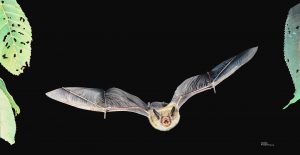
Little Brown Bat by Fiorentino

Conserve Wildlife Foundation is proud to present Rare Wildlife Revealed: The James Fiorentino Traveling Art Exhibition. We are kicking things off with a free premiere showing at D&R Greenway Land Trust on Friday September 30th from 5:30 to 7:30pm, which will run concurrently with Species on the Edge, our annual art and essay contest for 5th graders.


Showcasing twenty-five original watercolor paintings – from bobcats and diamondback terrapins to Pine Barrens tree frogs and little brown bats – Rare Wildlife Revealed celebrates local wildlife and brings attention to the very tangible steps we can take to save and strengthen our most vulnerable species.


Eastern Box Turtle by Fiorentino

Join us to meet James Fiorentino, as he walks you through the exhibit and shares his passion for the wildlife of New Jersey. CWF’s leading biologists and a live bird of prey will be on hand to educate and inspire you. We are also proud to announce special guest Tom Kean, former Governor of New Jersey, who shares a special relationship with James and conservation in New Jersey. Gov. Kean wrote the foreword to the art book accompanying the exhibit, with CWF’s David Wheeler writing the introduction. Light fare, wine and Flying Fish beer will be provided.


Fiorentino’s early interest in the outdoors was piqued by fishing trips with his father, a biology teacher, and excursions to his uncle’s farm in Frenchtown, New Jersey. Now a resident of Hunterdon County, James draws inspiration from his own backyard, “I am awed by what we see here: the eastern box turtle (a vulnerable species), great horned owl, pileated woodpeckers, foxes, hawks and butterflies. It’s an amazing backyard ecosystem.”


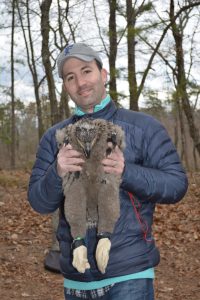
Fiorentino holding an eaglet

Fiorentino also draws inspiration from his work with The Raptor Trust of Millington, New Jersey, of which he is a trustee. It is there that he is able to study rare and endangered birds up close, even holding them, to capture their unique characteristics in beautiful detail. “We rehabilitate 4,000 birds a year and release about half that number,” says James.  “These wild birds have had a tremendous influence on me. I enjoy getting close to birds of prey, and it has brought me back to nature art.”


Speaking of Rare Wildlife Revealed: The James Fiorentino Traveling Art Exhibition, he shares, “I am excited about this premiere showing that supports two excellent organizations, Conserve Wildlife Foundation of New Jersey and D&R Greenway Land Trust. Because of their work, endangered wildlife who make their home in New Jersey will continue to have a supportive habitat.”


Fiorentino’s five-year-old son excitedly points to a butterfly outside his dining room window.  “That’s my favorite!”  He shows a series of colored drawings. “My dad draws the outline and I fill it in,” he explains.  Following in his own father’s footsteps, James is creating memories with his two young sons and inspiring a love for wildlife. We know this exhibit will inspire you too.


Andrew Mead is a communication intern with Conserve Wildlife Foundation.


LEARN MORE:


New Story Map Shows How Turtle Gardens Actually “Grow” Baby Terrapins

Conserve Wildlife Foundation of New Jersey Releases a New Story Map: “Turtle Gardens”

By: Michael Davenport, Wildlife Biologist & GIS Program Manager

The northern diamondback terrapin is an imperiled species of turtle found in brackish coastal waters along the northeast coast of the United States. Within New Jersey, much of the nesting habitat once used by terrapins has been lost to development and rising sea level. What little suitable nesting habitat remains is often inaccessible to terrapins due to bulkheads or other construction and road mortality is a major cause of terrapin mortality as they cross roadways seeking nesting sites.

Screen-shot of the Turtle Gardens story map.

Turtle gardens provide suitable nesting habitat for diamondback terrapins where little natural suitable habitat remains or is inaccessible. By enhancing the existing habitat at a site within the terrapin’s range to meet their nesting habitat requirements, terrapins can more safely lay their eggs within an area specifically set-aside for them.

CWF recently partnered with the Marine Academy of Technology and Environmental Science (MATES) on a pilot project turtle garden on Long Beach Island in New Jersey. The newly released Turtle Gardens story map details this project.


LEARN MORE


Absolutely Fish Supports CWF Terrapin Program

DONATION SUPPORTS CONSERVATION OF NJ’S ONLY COASTAL MARSH TURTLE

by Corrine Henn, Communication Coordinator

Great Bay Boulevard in Little Egg Harbor is a favorite haunt for local fisherman, birders and tourists alike. While many locals and visitors celebrate the summer, Conserve Wildlife Foundation of NJ’s Ben Wurst and his team of dedicated volunteers know that summer can mean something else entirely.

An increase in traffic on Great Bay Boulevard during the summer months threatens the survival of one particular species, the northern diamondback terrapin. Hundreds of female terrapins cross roads adjacent to their native habitat, our coastal estuaries, in search of suitable nest sites each year. Unfortunately, Great Bay Boulevard lacks a formal speed limit and mortality rates as a result of vehicle collisions are just one of the dangers the terrapin face.

“From what I’ve seen and experienced from the beginning of this project is that many more people are more aware of terrapins on the road,” said Habitat Program Manager, Ben Wurst. “It is critical to have the support of the local community as they are the ones who frequent the area the most and can really play a huge role in their long term conservation.”

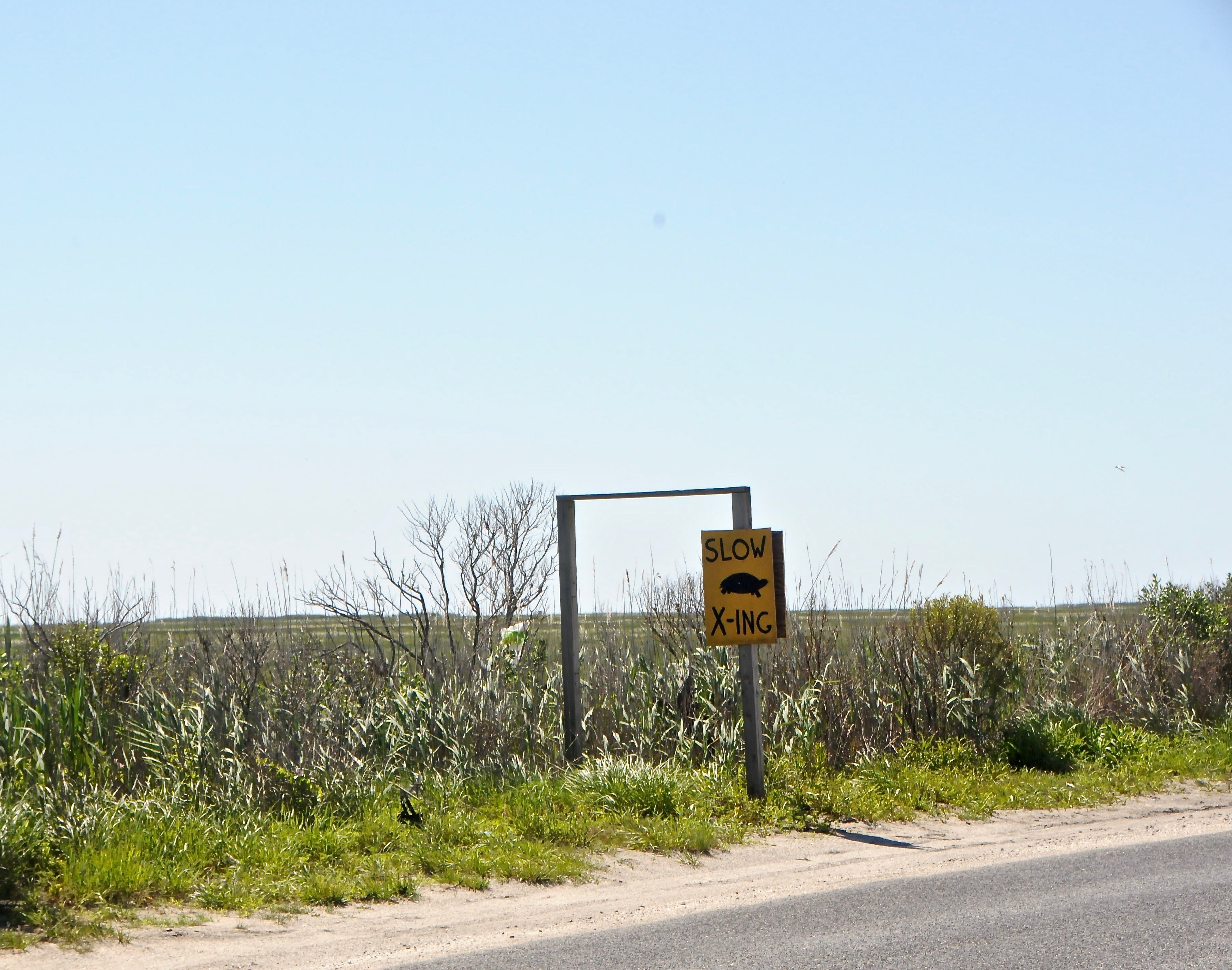
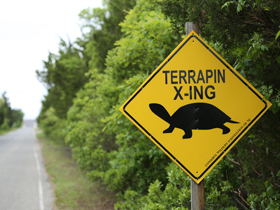
Terrapin X-ing sign on Great Bay Boulevard. Photo by Corrine Henn.

The Great Bay Terrapin Project has done tremendous work to reduce road kill rates. More recently CWF has been collecting data to monitor the local population by taking measurements and notching individual terrapins as part of a mark-recapture effort. Our volunteers conduct road patrols to collect data on terrapins that are encountered on road and also help ensure that they cross safely. Along the most dangerous part of the road, a barrier fence helps to deter terrapins from entering the roadway. Both the fence and several “Terrapin X-ing” signs, have also aided efforts to curb mortality rates each summer.

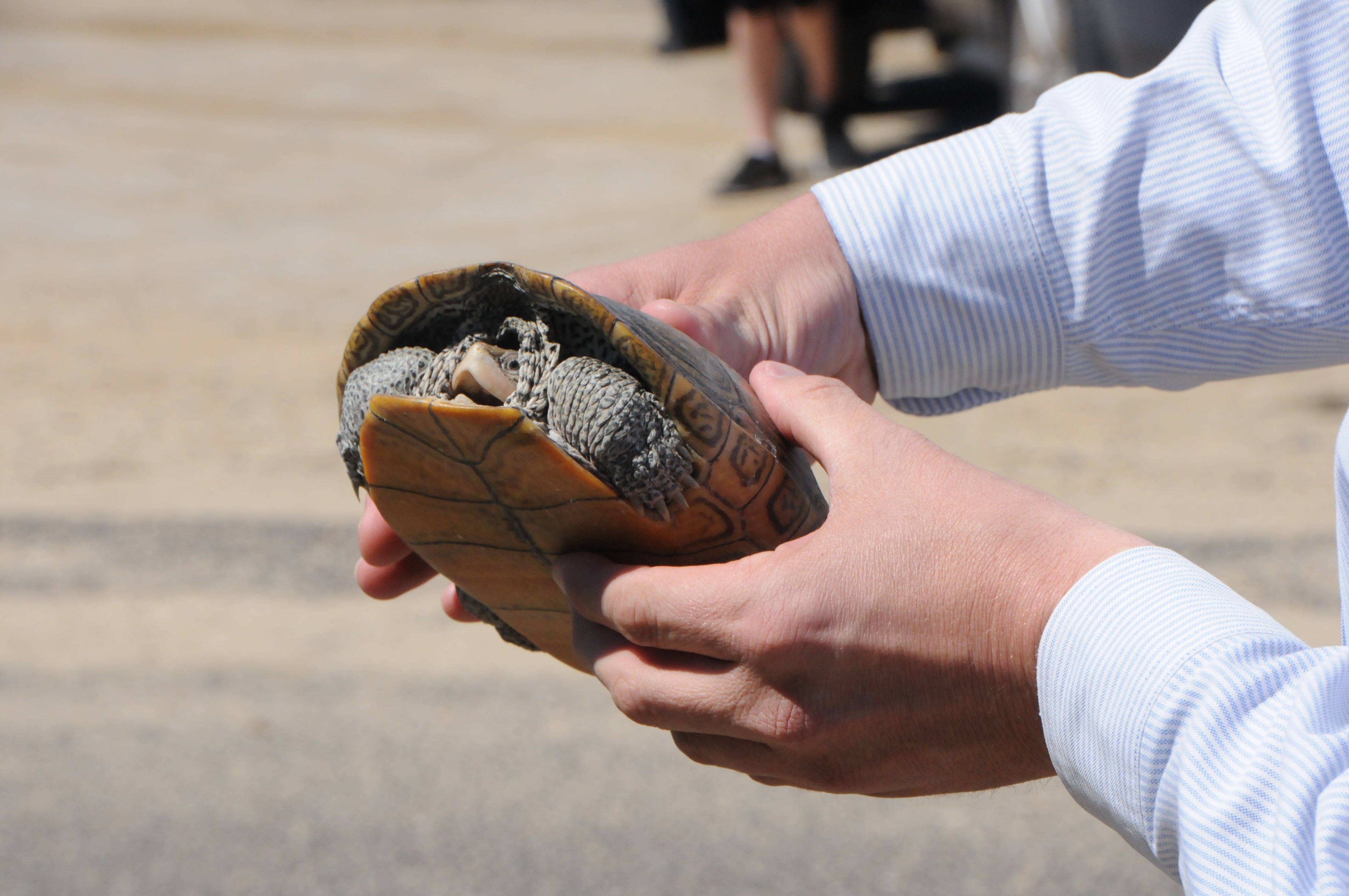
An adult female northern diamondback terrapin hides within its shell. Photo by Corrine Henn.

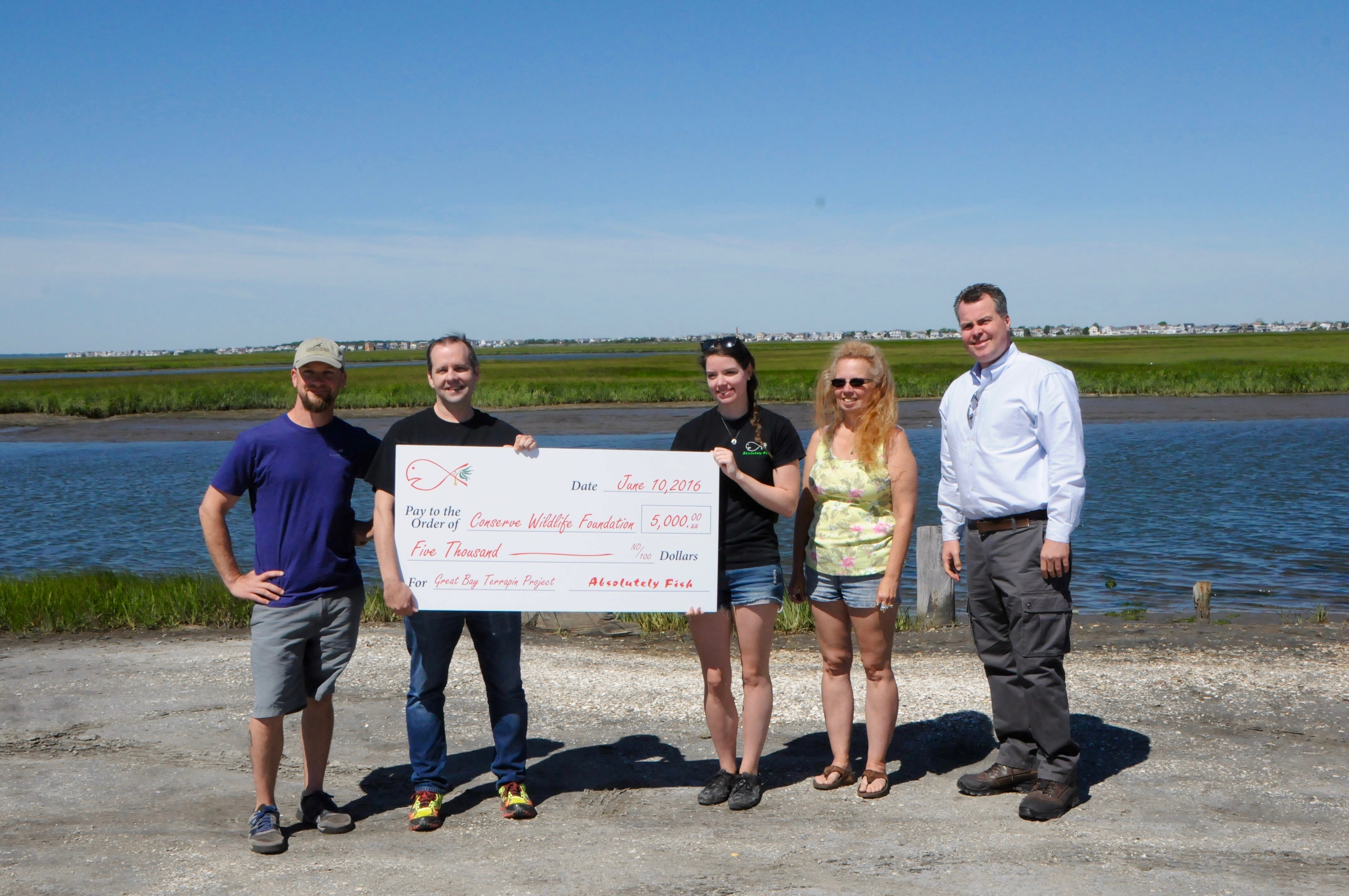
Ensuring the future survival of the terrapin is, of course, a collaborative effort. We were especially thankful when Glenn Laborda, Dibyarka Chatterjee and Kristen Schmicker of Absolutely Fish presented Conserve Wildlife Foundation of New Jersey with a $5,000 check from the proceeds they raised throughout the Earth Day weekend in April.

Absolutely Fish has raised donations for CWF in recent years using a live educational terrapin on loan to the store from the Marine Academy of Technology and Environmental Sciences in Manahawkin, NJ.

A $5000 donation presented to CWF by Absolutely Fish for the Terrapin Project. Photo by Corrine Henn.

According to Jennifer Ruivo of Absolutely Fish, “People come into the store specifically to see her and are generally much more willing to help, donate, or take information when we have a terrapin in store.” The turtle’s presence in the store garners support by bridging the gap needed for many to see that these animals, our neighbors, are in need of our support.

Following the donation from Absolutely Fish, Absolutely Fish representatives – along with Wurst and CWF Executive Director David Wheeler – conducted a survey of Great Bay Boulevard with CWF intern Carly Sibilia who demonstrated the data collection and notching technique of terrapins.

Stay tuned for post-summer update on CWF’s terrapin projects. And in the meantime, be mindful of your surroundings and be terrapin aware!


LEARN MORE


Beachnester Buzz: Drum roll please, the 2016 breeding results for beachnesters are…

NEW, WEEKLY UPDATES FROM NEW JERSEY’S BEACH NESTING BIRD PROJECT TEAM

by Todd Pover, Beach Nesting Bird Project Manager

There are many ways to gauge success for our beachnesting bird project. We look at how well our management tools work, the effectiveness of our partnerships, and how well our educational efforts work, to name a few qualitative measures we use. At some point, however, it comes down to cold hard numbers, how well did the birds do in a particular season and over the long-term. We are at that point in the season, and for the most part, I am happy to report it has been an excellent breeding year. I will caution that these are still preliminary figures, some quality checking of the data needs to be done before they are final, but the trends are clear.

One of a "bumper crop" of piping plover fledglings produced in New Jersey in 2016. Photo courtesy of Kevin Knutsen.
One of a “bumper crop” of piping plover fledglings produced in New Jersey in 2016. Photo courtesy of Kevin Knutsen.

First up are piping plovers. We will come in at ~115 pairs statewide, up modestly from the 108 pairs in 2015, and the second consecutive year of an increase after hitting our historic low of just 92 pairs in 2014. So, we have climbed back closer to our long-term average, but there is still room to improve. The really good news is our productivity this year – close to a statewide record at 1.37 chicks fledged per pairs – puts us in the position to continue our population increase. If trends hold, because piping plovers demonstrate high site (or region) fidelity, when we produce a lot of fledglings, our breeding population rises in the next year or two. With three straight years of well above average fledgling rates for New Jersey now in the books, our prospects look good in the short term for our breeding population levels.

Least terns and black skimmers, which nest in colonies, sometimes numbering hundreds (or even thousands), are more challenging to count and assess, but we had at least modest success this year for both species. As is typical, our least tern colonies were variable, with some completely failing and others being highly productive. The Monmouth County region, one of our strongholds for least terns in New Jersey, didn’t have one colony that was a standout but most of them had at least some success. In South Jersey, our two largest colonies at Holgate (EB Forsythe NWR) and Seaview Harbor were very successful and helped make up for losses and failures at other colonies. The majority of our state’s black skimmers are concentrated in one large colony at Seaview Harbor, and although skimmers are our latest nesters (so the season isn’t quite over for them), they appear to have been very successful there, which means a good season overall for the state.

We also track American oystercatchers, although only for the portion that nest on the barrier beaches and spits. Because the biggest percentage of oystercatchers in the state nest on back bay and marsh islands, we cannot determine true statewide population or productivity levels, but the population on the beach habitat appears to be rising in recent years. Typically breeding success is lower for oystercatchers on the beach habitat due to high levels of human disturbance and predators, but productivity has been relative high the past two years. Of particular note this year was Stone Harbor Point, where a record number of 27 pairs nested and produced over 30 fledglings.

The reality is our beachnester staff works just as hard in years when the birds do poorly, as when they do well like this year, but it is SO much more rewarding when we have a good season. So as we wrap up the season, we are all feeling in a bit of a celebratory mode now!


LEARN MORE


NJTV News: CWF’s Pover Discusses Piping Plover Conservation

by Emily Hofmann, Assistant Communications Manager


todd on njtv news


Todd Pover, CWF’s Beach Nesting Bird Project Manager, recently sat down with NJTV’s Mary Alice Williams to discuss piping plover conservation on the anniversary of 30 years of federal listing. Listen in to what he had to say.


LEARN MORE


New Jersey’s Hidden Coast – The Final Episode

NEW JERSEY’S HIDDEN COAST – EPISODE 6

by Emily Hofmann, Assistant Communications Manager


“Our work on the bayshore is not just about wildlife, it’s about people, and how keeping nature strong keeps us all strong in the face of disasters like hurricanes.”


We want to ensure that New Jersey’s Hidden Coast remains a vital part of our livelihood for generations to come.


This is the final episode to our video series, “New Jersey’s Hidden Coast.” Catch a glimpse of the Bay, the horseshoe crab at the center of the bay’s system, and the incredible relationship between horseshoe crabs and migratory birds, like the red knot. We reveal the real value of horseshoe crabs, the challenges to the ecosystem, and the potential for thriving regional economy along the bayshore. We will show Hurricane Sandy as a catalyst for decisive action and the work being done to rebuild the area for both people and wildlife.


Catch up on the previous episodes, here on our blog or on YouTube. Explore the use of “living shorelines” instead of bulkheads and the importance of marshes to the marine ecosystem. Discover the on-the-ground, grassroots efforts of the community to build oyster reeds alongside veterans. And examine the future of the Bay and the work that needs to be done to preserve our conservation successes year after year.


Discover Delaware Bay:


Helping Turtles Off Roads

ROADS ARE DANGEROUS CROSSINGS FOR SLOW-MOVING TURTLES

by Kathleen Wadiak, CWF Intern

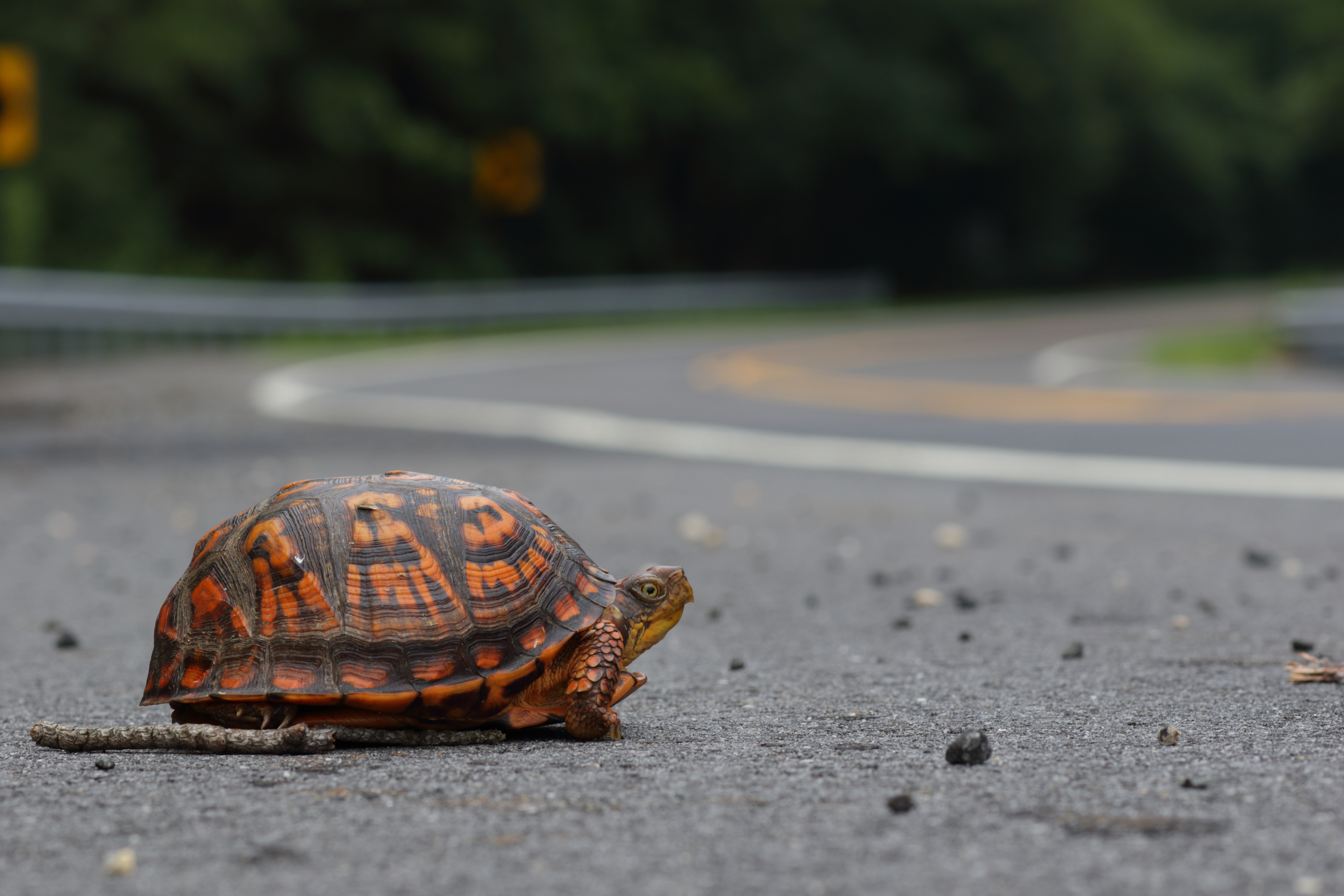
New Jersey is home to a number of turtle species, and this time of year, it is not uncommon to see some of them crossing the road. Slow movers on land, they are not well equipped to avoid the dangers of a busy roadway. If you come across a turtle on one of your streets, what should you do?

An eastern box turtle. Photo by Ben Wurst.

First of all, it is important to think of your own safety in addition to the turtle’s. Be sure to pull completely over to the side of the road and to put on your hazard lights. Check for cars, and make sure that you are visible to oncoming traffic.


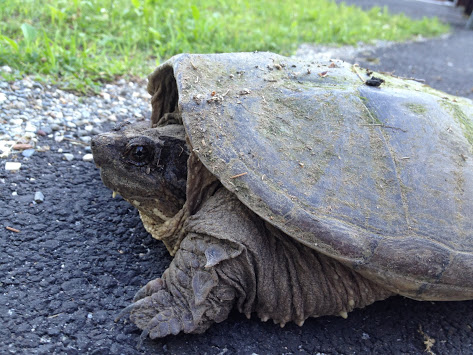
Snapping turtle. Photo by Kelly Triece.

If you want to move a turtle across the road, there are a few things to keep in mind. To start, remember to never lift a turtle by its tail or limbs, as this can cause serious injury. With most turtles, it is best to pick them up on either side of their shell between the forelimbs and hind limbs. Even small ones may squirm and kick, so try to keep a firm hold and carry them low to the ground to avoid a dangerous drop!


If the turtle is large with a long tail and pointed head, it is likely a snapping turtle and should be met with some extra caution. Try using a blunt object to gently coax it to the roadside, and be careful to avoid touching it anywhere within range of its bite, which can reach as far back as the middle of its body! If you think you need to carry it, hold it with two hands on the shell behind its hind legs, on either side of the tail.


Terrapin X-ING sign along Great Bay Blvd. Photo courtesy of Ben Wurst.

Before you handle a turtle, notice which direction it’s facing. Move it to that side of the street, as it is likely determined to head to a certain site, and will end up in the road again if it is moved away from its goal. This is an especially important point with the many threatened and endangered turtle species in our state. Helping turtles in trouble across a roadway and leaving them to enjoy their natural environment is a great way to ensure that there will be more wild turtles to appreciate for years to come!


LEARN MORE


Flemington “BatCam” Bats Banded LIVE on Facebook

BIG BROWN BATS ARE THE STAR OF THE SHOW FOR OVER 200,000 ONLINE FOLLOWERS

By Stephanie Feigin, Wildlife Ecologist

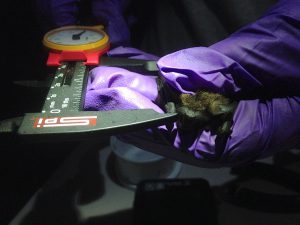
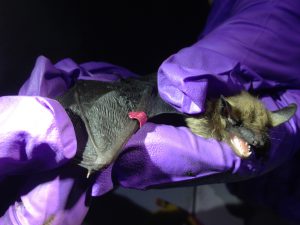
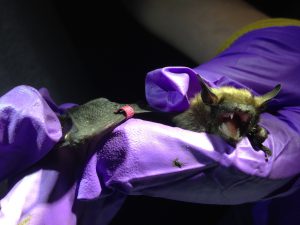
Earlier this week marked the second year that Conserve Wildlife Foundation of New Jersey wildlife ecologist Stephanie Feigin, along with project partner MacKenzie Hall from New Jersey’s Division of Fish and Wildlife and project interns from Rutgers University, banded the BatCam bats. This banding survey was part of a long standing maternity survey project conducted by CWF in partnership with NJDEP. These surveys allow us to gain important information about reproductive success, record weight, sex and age status of the bats, assess bats for signs of white-nose syndrome, and band bats for future observation.


IMG_2302 IMG_2295 IMG_2292

Photos by Stephanie Feigin


This year, the team decided to stream the banding of big brown bats LIVE on Facebook. Allowing viewers to gain a once in a lifetime opportunity to see wildlife in a way they have never seen before and giving us the ability to directly interact with thousands of followers as we conducted an important wildlife survey. The banding has reached over 200,000 online followers as of Thursday morning.


The team caught and banded 36 bats total, 14 adult females (10 were recaputres from last year, 4 were banded as juveniles last year) and 23 juveniles (12 males and 11 female). All of the bats were weighed, measured, and banded according to the same coding as last year (red for juveniles and silver for adults).


The main goal of our Bat Project is to protect the bats we have in New Jersey, protect their habitats, learn more about their life cycles, and educate the public on the benefits of bats and how amazing and beneficial they truly are. By streaming live, we were able to shed new light on bats and allow the public to gain a better understanding for these special mammals.


Learn More: